Virginia Wine Time Begins Its Phase 2

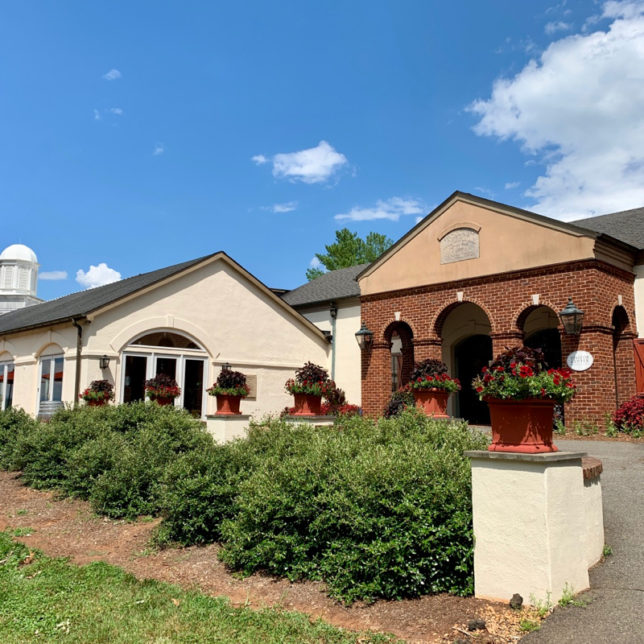
We continue to be a couple of weeks behind the rest of the local area in regard to venturing out; however, we are indeed getting back however slowly on the wine trails. Paul and I took a short vacation to the Charlottesville area recently, and we made full use of our time to visit several of the wineries there. We will capture our experiences in the next couple of posts.

*Disclaimer: This trip was taken almost three weeks ago; needless to say, we are behind in posting. Therefore, we avoided associated specific wineries with the practices described below since these protocols may have changed since then. The key words will always be “plan ahead.”

Our wine ventures to the Monticello AVA were scheduled for weekday visits to the wineries, and we do this to avoid crowds—-we like to maximize the distancing potential! The focus of this post will be a summary of how wineries in the area honored Phase 2 guidelines while offering optimal service to customers. Future posts will be more specific about wineries, wines, and our favorite pours.
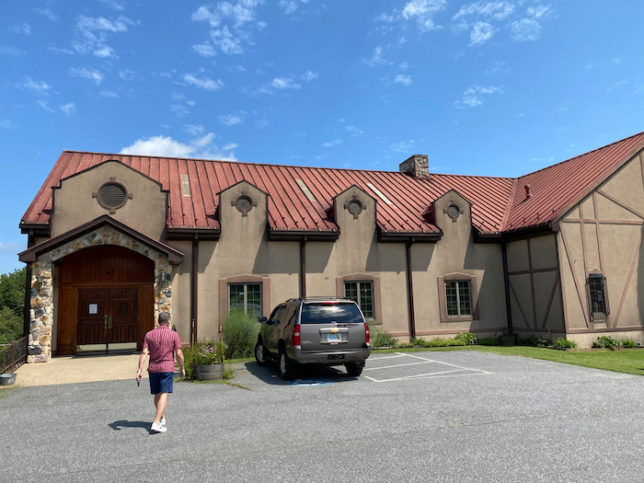
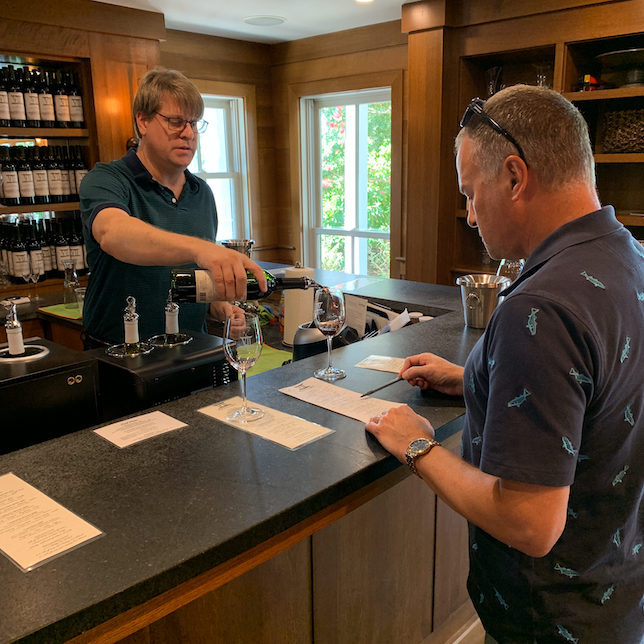
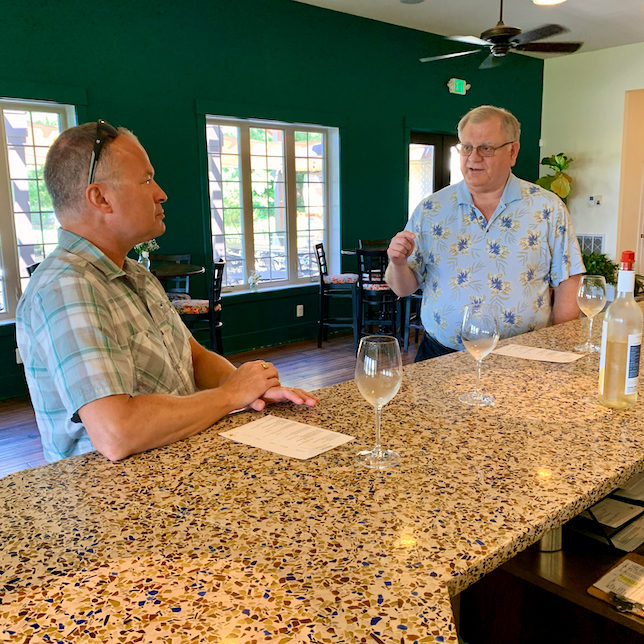
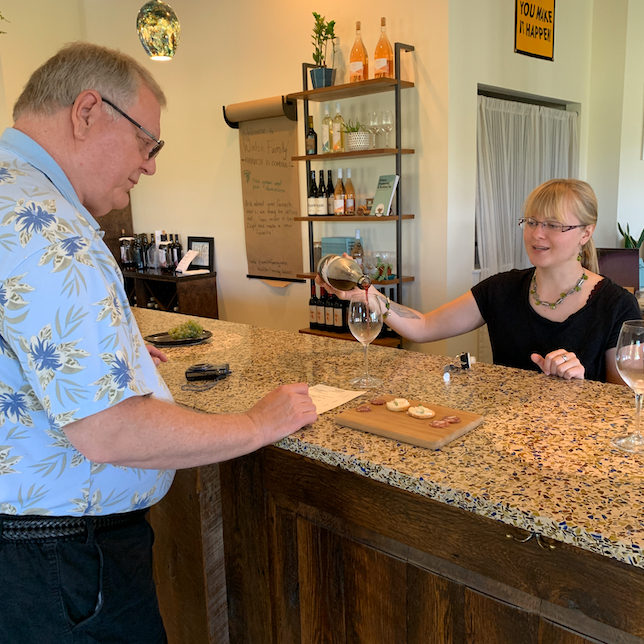
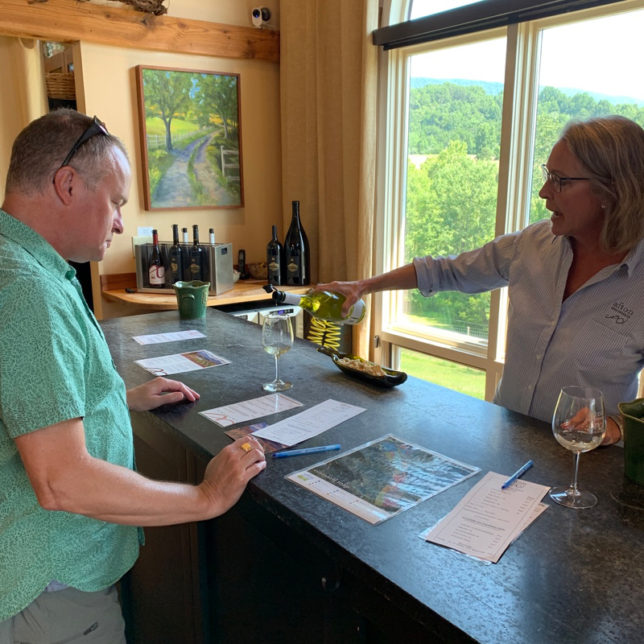
We can report that wineries are indeed complying with state guidelines in regard to Phase 2 of reopening, and we know that these are relieved to be able to open the doors (and pours) once again. However, keeping winery staff and customers safe has added new layers to business practices; in particular, the tasting experience has had to be amended so that customers can taste wines before purchase and/or remain for an extended period of time beyond a tasting. Here is what we encountered:

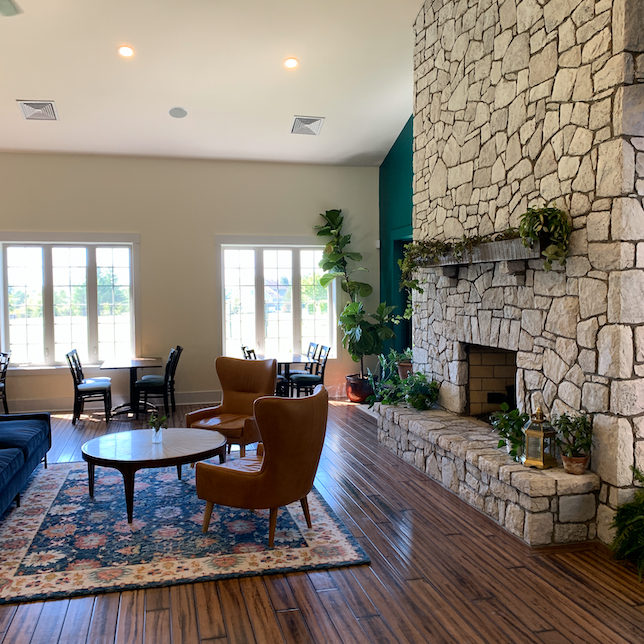
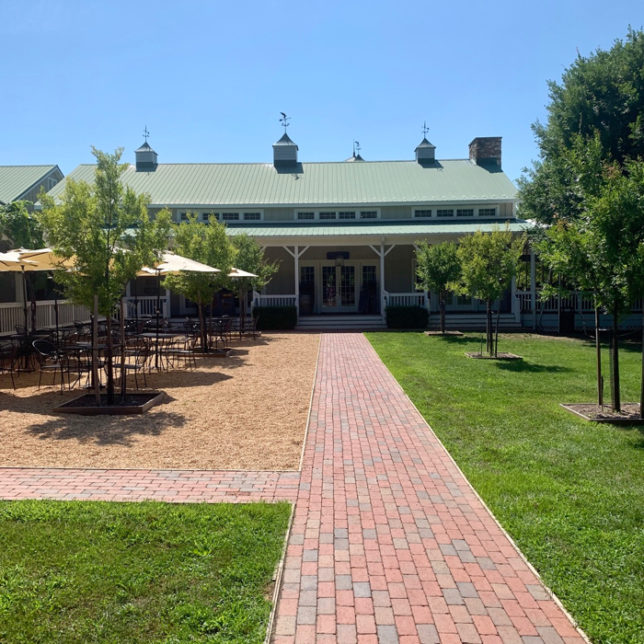
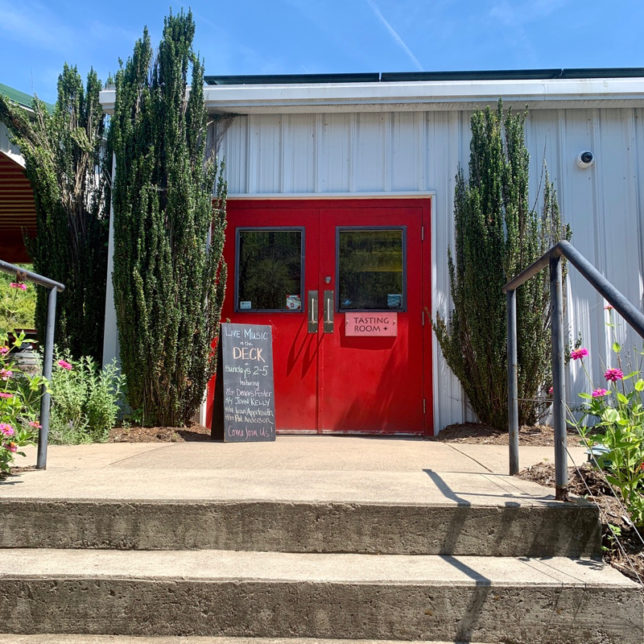
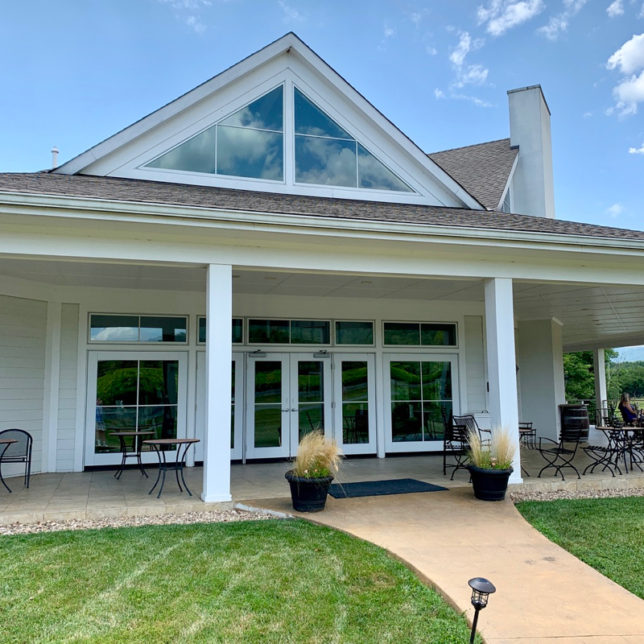
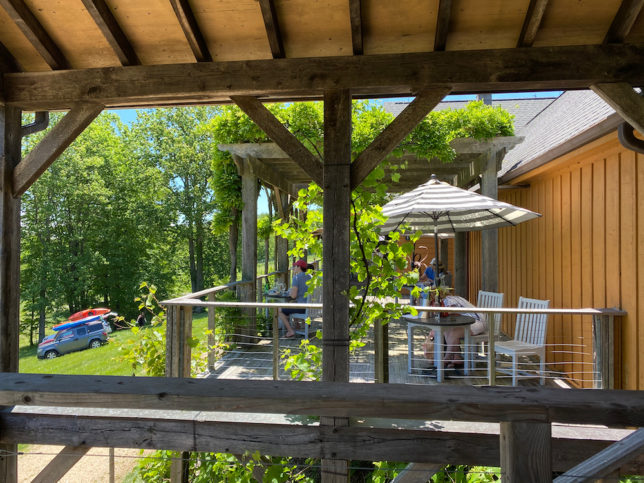
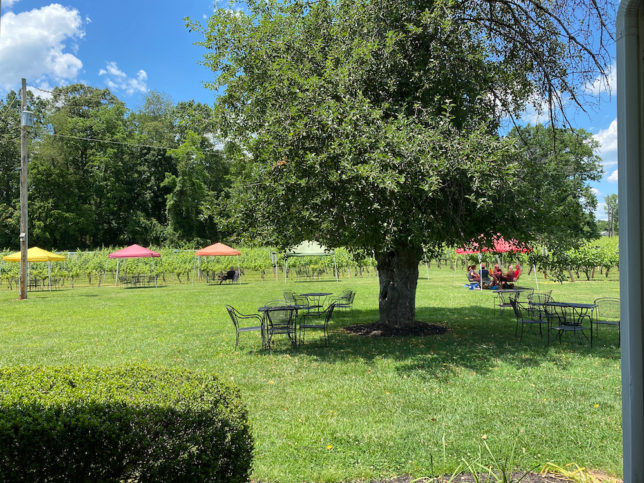
Reservations: Some wineries required reservations but others did not. Plan ahead to avoid disappointment. Know which wineries you would like to visit and then either visit the websites or call to be certain in order to avoid disappointment. Also be aware that some wineries may be setting time limits on customers in order to accommodate a thorough cleaning of tables and other contact points prior to the arrival of the next guests. Time limits also allows the winery to accommodate a maximum number to guests; remember, wineries do need to distance consumers thus minimizing potential business if the winery is crunched for space. Do know that tastings will likely occur outdoors; however, most wineries offered seating arrangements beneath tents, umbrellas, or a canopy of trees. This offers a perfect opportunity to enjoy the lovely Shenandoah landscape!
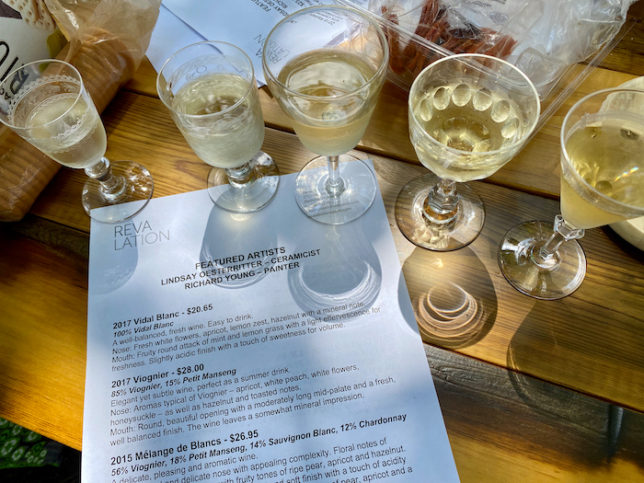
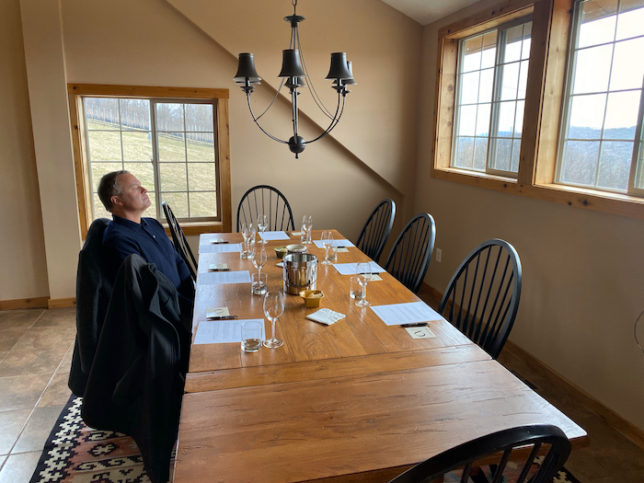
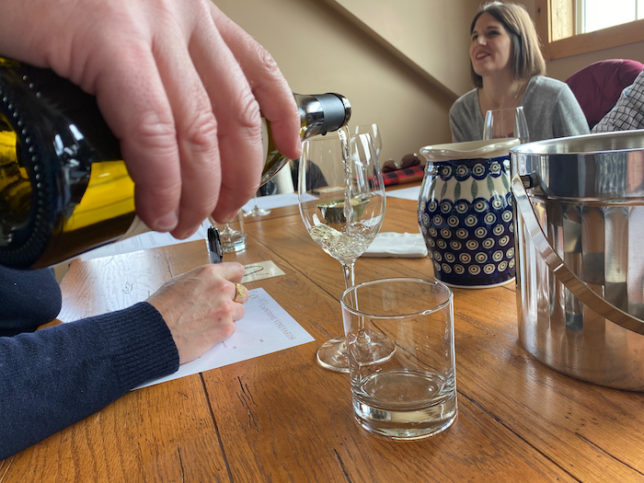
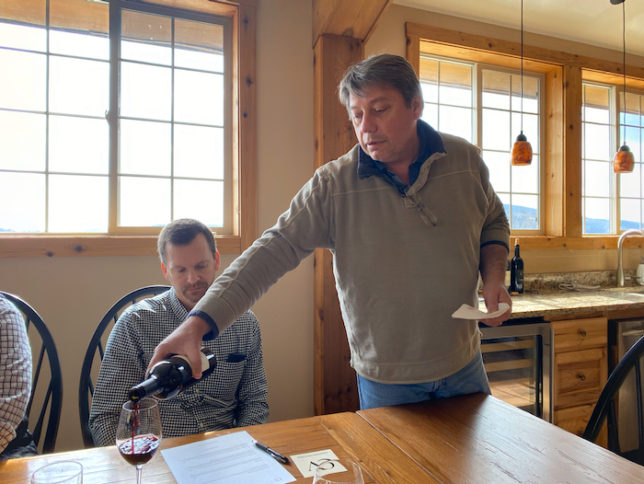
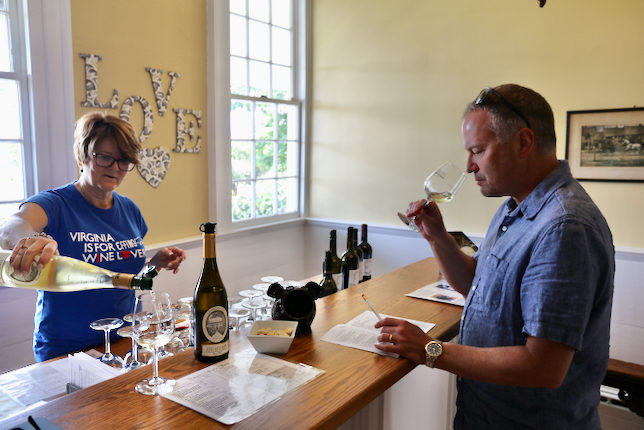
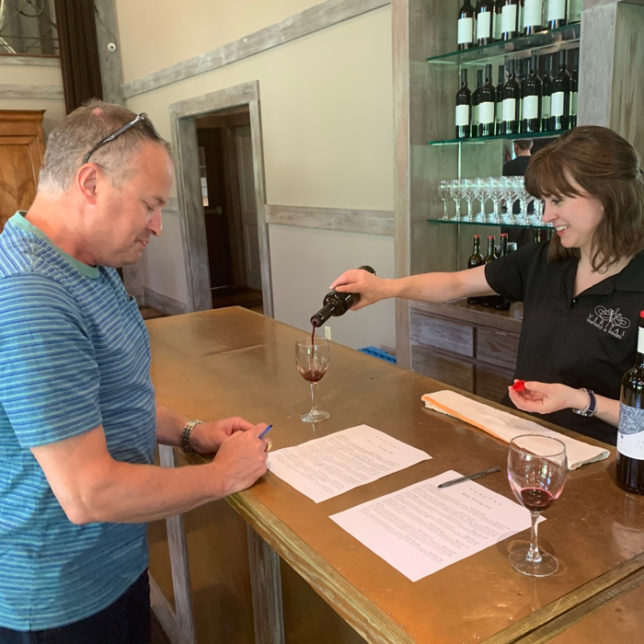
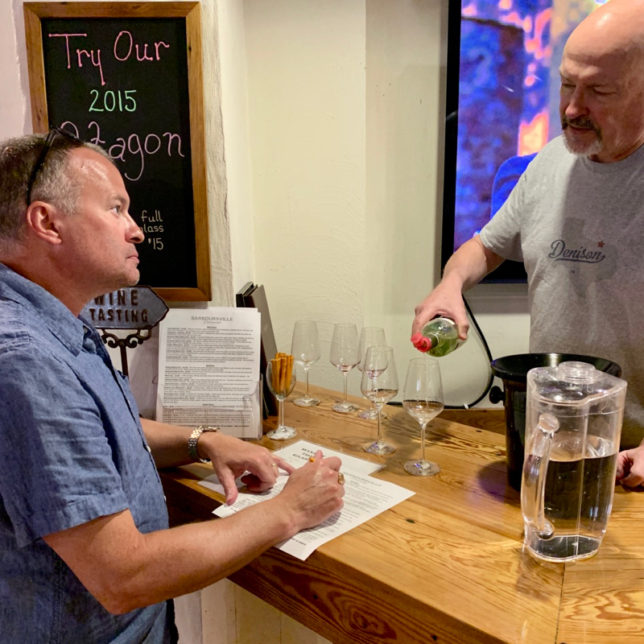
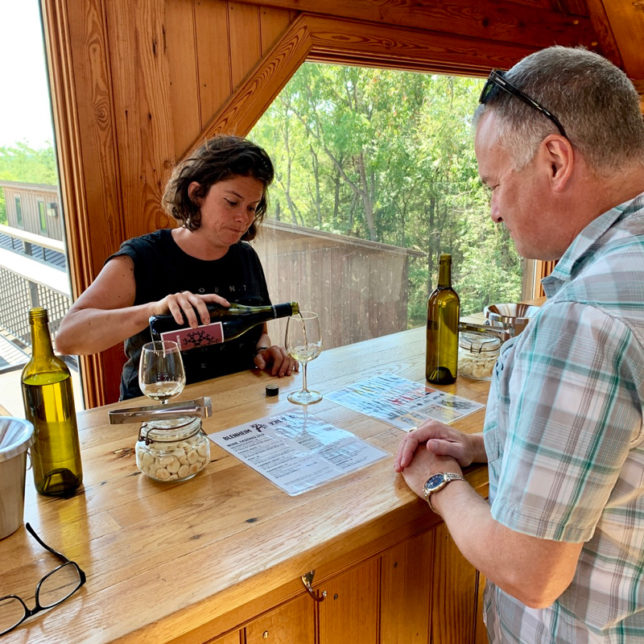
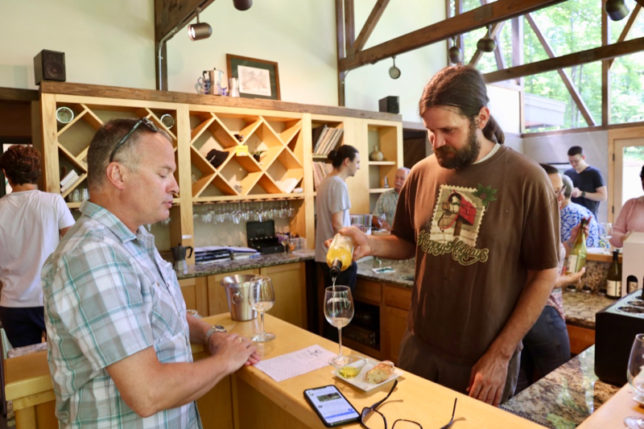
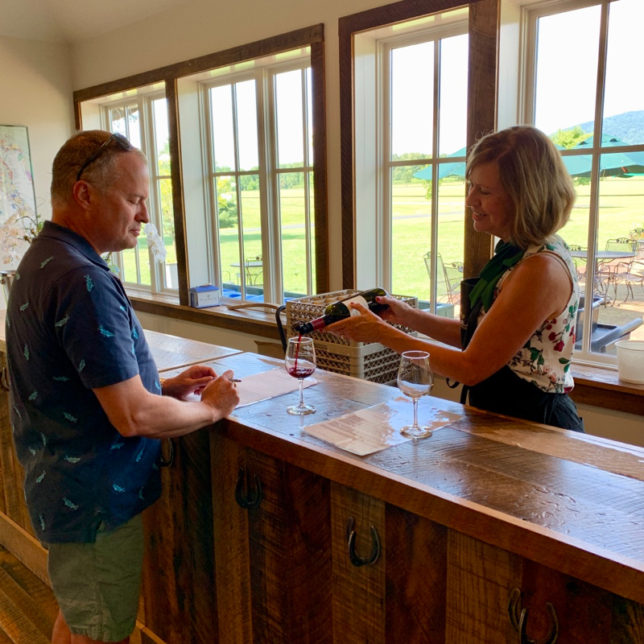
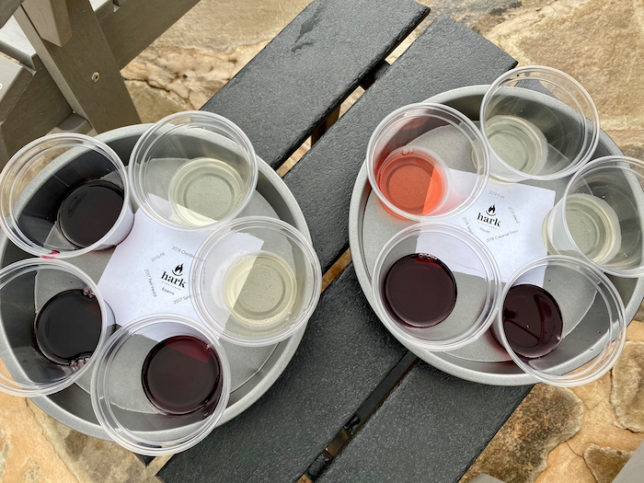
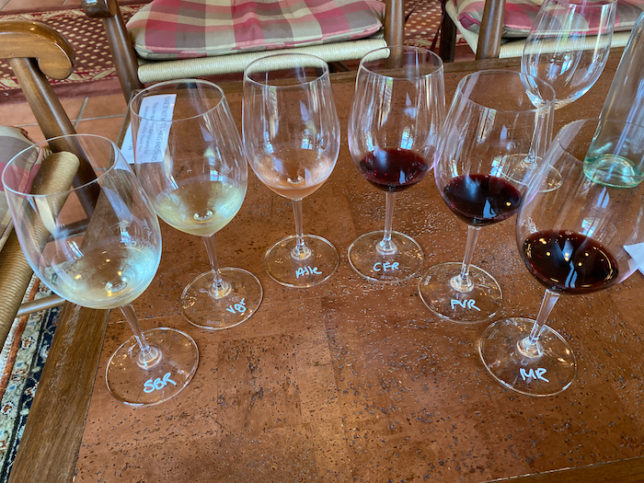
Flights and Self Guided Tastings: Be prepared for alternatives to traditional tasting experiences at the wineries. Most wineries that we visited offered a flight of self-guided tastings. Some wineries offered a set flight of wines to taste while others presented a number of flights from which to choose. In the latter circumstance, Paul and I each selected a different flight which then offered an opportunity to sample a maximum number of wines. Flights were usually served in plastic cups on a tray which was labeled with the wines offered in the flight. However, some of the wineries did serve flights in glasses that were arranged either on a paddle or came to the table via a specialized hook to accommodate wine glasses. The library tasting at Barboursville, for example, offered this sort of service. At least two of the wineries served flights by presenting them in small bottles that the consumer could then pour into a cup or glass. Some tasters may balk at plastic cups; however, keep in mind that this minimizes contact between staff and potentially contaminated surfaces—-cups can be tossed into the trash by the customer after use. So if sipping wine out of a plastic cup is a bridge too far then either bring your own wine glass from home or request/purchase a logo glass from the winery. Pour from the plastic into the glass, and you’re ready to enjoy!
Glass/Bottle Purchases Only: A few wineries on our trip did not offer flights but did offer purchases that could be enjoyed on the property. Again, plan ahead to avoid disappointment if you were expecting something else. Tasting associates can direct you to a particular wine that may suit your palate. Sip on a glass of your favorite wine while appreciating spectacular mountain views, fluttering butterflies, or summer blooms. Bought a bottle? Remember that a bottle purchase can always be re-corked and brought home. And yes, you may be offered a plastic cup. See above—-bring a glass from home or purchase a logo glass from the winery and bring home a souvenir of your visit.
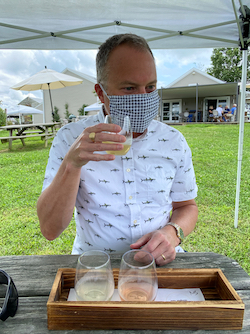
Masks: Yes—-wear them. Wear a face covering to converse with a tasting associate, to enter the building to use the restroom, or when you are not otherwise sipping wine. Masks may be removed when drinking or eating. Also, respect distanced seating arrangements and avoid moving furniture.

Future posts will provide a general review of wineries that we visited along with the wines that we enjoyed. I will admit to not keeping detailed tasting notes—-our aim was to enjoy our time away from seclusion of home. However, I will close with a teaser of one wine that we enjoyed with dinner recently, and that was the Michael Shaps Petit Manseng blended with a bit of Rousanne. Dinner included a plate of seared scallops topped with white wine sauce and capers then served beside mango relish and jasmine rice sprinkled with cilantro parsley.
Make plans to visit your favorite Virginia wineries and be sure to include one that you have not tried before. I emphasize the word plan—-planning avoids disappointments. Of course, be respectful of tasting associates and other wine tasters and follow safety protocols. Wherever you decide to go, please mention that Virginia Wine Time sent you!
Virginia Wine Time Begins Phase 1

Yes, Paul and I are behind by one phase, but we are beginning to venture out. We do appreciate Nancy Bauer’s regular updates on wineries and their practices as things begin to open up a bit more. True to our last post, we have gone to wineries that offer either reservations only and/or open on weekdays. We were eager to get back on the wine trail even if on a limited basis.

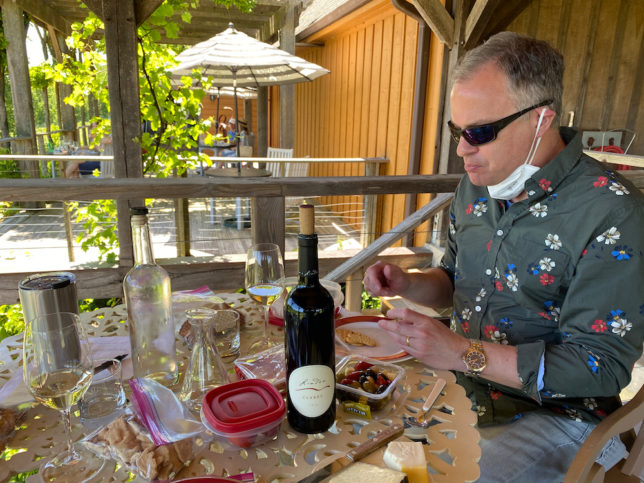
Our first venture was to Linden in late May. Easy to reserve outdoor seating here, and we could not have picked a lovelier day to visit the winery. We enjoyed a bottle of the 2016 Claret with our picnic snacks included mortadella, Virginia ham, olives, and fresh berries. Our table was located in a prime spot on the crush pad, and we were entertained by barn swallows that flitted about the property. Jim Law stopped by for a chat, and he was very excited about the upcoming release of the 2018 Chardonnay Village; in fact, guests at Linden were treated to a sneak pour of this easy-sipper.

Gray Ghost Vinyeards was our destination on a weekday excursion to Amissville. We were treated to the aromas of vines in bloom, and we secured an outdoor table that allowed us to appreciate the immaculate vineyards. A tasting was available at Gray Ghost so we were able to catch up on new releases that included the crisp 2019 Seyval Blanc. Our picnic basket included smoked turkey, brie, almonds, and melon, and the wine of choice was the 2016 Chardonnay Reserve.

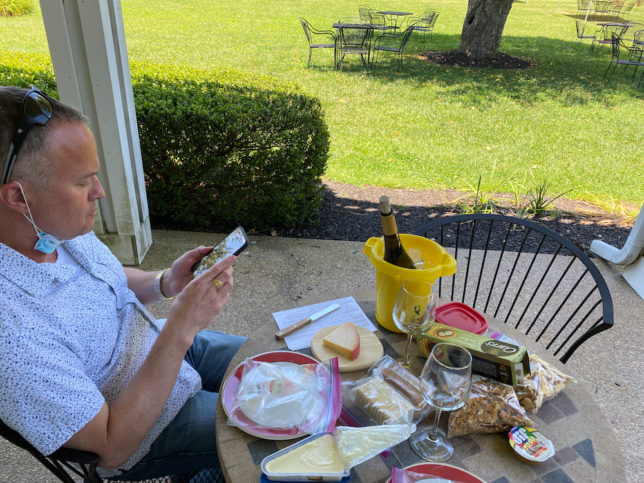
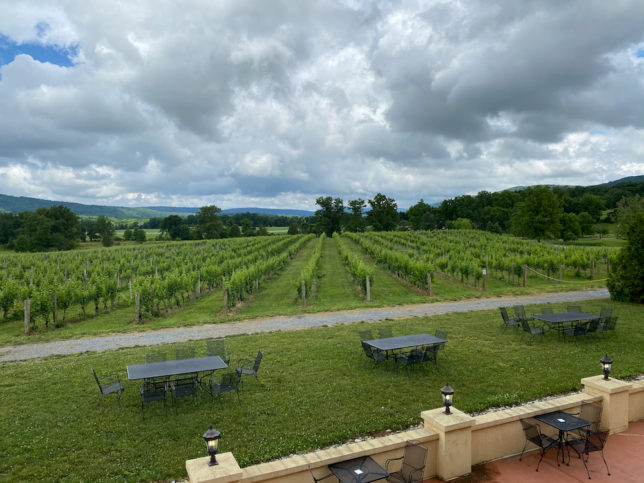
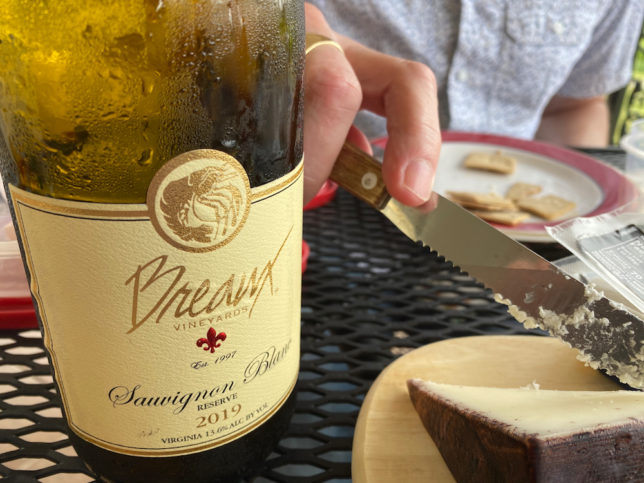
A trip to Breaux Vineyards last week was our final winery visit, and we reserved a table for outdoor seating on a weekday. Again—-easy process. No tastings at Breaux but a full range of wines by the bottle were available to enjoy while dining outdoors. Chèvre and manchego cheeses came along for lunch along with rosemary crackers and herbed turkey slices. Our selection of the 2019 Sauvignon Blanc Reserve done in a Fume style proved to be the perfect pairing for yet another afternoon of gorgeous weather and vineyard views. Paul was also able to catch up on collecting membership wines that included the 2015 Nebbiolo; Breaux Vineyards is well known for its success with that variety, so we look forward to appreciating this one after a rest on the wine rack.

We will probably stay in our own Phase 1 for a bit longer. However, we can attest to the caution taken by the wineries that we have visited. Wine associates wore face coverings, tables were distanced, and other customers were respectful of protocols. For those who wish to be extra cautious, wineries that are open during the weekdays might be the way to go since this is a way to avoid crowds. Whatever reopening phase in which readers find themselves, consider a visit to the wineries mentioned in this post. Please mention that Virginia Wine Time sent you!
Re-Opening Virginia – Our Plans During Phase 1

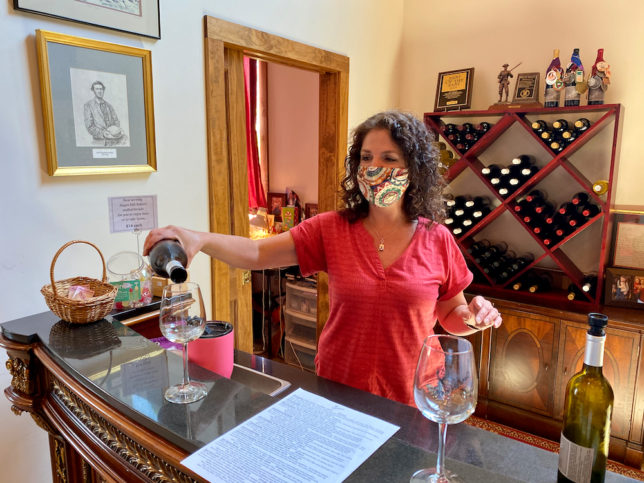
Paul and I began this blog 15 years ago due to our desire to promote excellent wine being produced by Virginia winemakers. This has become both a hobby and a passion for both us, and we sorely miss being on the wine trails due to COVID-19 restrictions. The phase 1 of re-opening begins this weekend, and we are sure that winery owners and winemakers are relieved to see some light at the end of a bleak tunnel. Trust me, we are eager for a return to normal that includes a resumption of our local wine travels. However, we are taking a cautious stance on this matter and will be waiting a bit longer before hitting the wine trails. Here is why:

1. Health—-Paul suffered a heart attack in December and therefore belongs to a demographic that would struggle to recover from this vicious virus. He (and I, his spouse) would prefer to wait a while longer to be certain that it is indeed safe to venture out to the wineries. This leads me to reason #2:

2. Behavior of others during phase 1—-I predict that wineries will be descended upon by hoards of stir-crazy customers including “re-openers” who have been agitating for this to happen. We have seen similar scenes of crowds at beaches, restaurants, etc. in other states that have re-opened, and it was frightening to see the lack of regard for safety protocols put into place for re-opening. No face coverings + lack of social distancing=disregard for the health of others. Will a similar scenario play itself out at Virginia wineries? This leads me to reason #3:

3. Winery practices during phase 1—-We will pay attention to plans put forth by wineries to keep customers safe. Will there be enforcement of safety protocols? If so, how? Will there be a limit on crowds? Larger crowds=more touch points to maintain. Is it realistic to expect that bathrooms, for example, will be sanitized on a constant basis if unlimited numbers of customers are allowed to frequent the winery? If we decide to hit the wine trail later in phase 1, we intend to favor wineries that implement a reservations only/limited numbers approach, because that seems to be most realistic way of maintaining control over all factors mentioned here.

In the meantime, we will continue to order wine from Virginia wineries, participate in virtual wine tastings (we have learned so much from these), and pour Virginia wine at our virtual happy hours. To those who intend to venture out this weekend, please abide by safety practices put into place by the wineries so that they can indeed continue to carefully re-open. Of course, do enjoy yourselves, and let us know of a new release that you savored. Did you visit a winery that you read about on this blog? If so, please mention to your server that Virginia Wine Time sent you!

COVID and Impacts on Local Wineries

The current COVID pandemic has impacted all of us in so many ways. One impact is the ability to visit and enjoy local wineries. Stay at home orders must be taken seriously, and local wineries have adjusted accordingly. Needless to say, this will have significant consequences for local wineries—-much of their products are sold directly from the winery. Of course, most wineries offer wine-related events such as vertical tastings, wine dinners, etc., and these have all been postponed or cancelled due to COVID. However, there are certain steps that readers can undertake to be certain that the wine keeps flowing from local wineries. Here are a few suggestions:

1. Visit winery websites or call wineries to order your favorite Virginia wines. Some may be waiving shipping fees during the current health crisis. Others may be offering specials on packs of certain wines. Keswick Vineyards, for example, offers three-packs of selected white wines, red wines, etc.

2. Find out when your favorite wineries are hosting virtual tastings and participate in them. Tailor these to coincide with wines that you have purchased online.

3. Host or attend a virtual happy hour and pour Virginia wine.

4. Find out if your favorite wineries are offering gift cards during the current crisis.

5. Purchase local wines from your neighborhood wine shop. If it does not offer local wines as a selection, now might be a good time to suggest to the proprietor that he/she does so.

6. Give shout outs to local wineries on social media when you are enjoying their wines.

Please feel free to add to the list! We are all anxious for the COVID crisis to be over; in the meantime, let’s all do what we must to stay healthy. Until we can all meet again at a favorite winery, consider the options listed above to support the local wine industry. Cheers from Virginia Wine Time!

Quality Prevails at Capstone

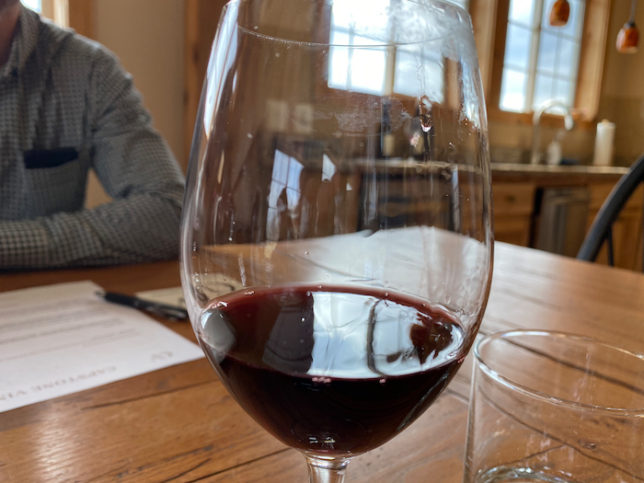
Capstone Vineyards is indeed a rare gem in the ever-growing Virginia wine industry. This small operation requires an appointment for tasting in its small but quaint tasting room. Owners Dave and Andrea Adams comprise both the vineyard management team and the tasting room staff. The tasting menu offers four high-quality wines for a seated tasting; however, the ability to taste these wines may be for a limited time only—-only grapes from the 2015-2016 growing season were bottled. Rare indeed!

The Adams duo caught the wine bug while visiting California wine country in Sonoma; however, they decided to realize their dream in Virginia. They planted a 13 acre vineyard in Linden (yes, near that Linden) and varieties include the Bordeaux grapes minus malbec, muscat, sauvignon blanc, Chenin blanc, and chardonnay. The vineyard benefits from a south-facing slope and a 1300 foot elevation, and soil composition includes clay, sandy loam, and gravel. Capstone’s first harvest occurred in 2015 with Virginia wine guru Jim Law in charge of a custom crush of their grapes. Law also crafted the wines that comprised the 2015 as well as the 2016 releases.

And the wines? With quality vineyard planning and management coupled with expert wine making, what could go wrong? The crisp 2016 Chardonnay presented notes of lemon/lime and pear and a zesty finish. Chablis lovers should enjoy this one especially when paired with oysters or other shell fish. The 2015 Merlot demonstrated the grape’s potential in Virginia—-aged in neutral oak, its juicy entry led to flavors of blackberry and cherry; a note of anise provided an extra nuance. Tasters in the group suggested this one as an everyday wine to serve with light fare; however, I might enjoy with lean beef too.

The complexity factor increased with the structured 2016 Vintner’s Blend, a mix of cabernet franc, cabernet sauvignon, and petit verdot. Notes of smoke and cedar gave way to blackberry and black currant flavors. Nice acidity suggested that this one could hang out on the rack for a couple of years. Lamb chops came to mind as I sipped and savored. Our tasting finished with the 2016 Fielder’s Choice which includes merlot, cabernet franc, and cabernet sauvignon. Dark fruit prevailed on both the nose and palate, and I did catch a whiff of tobacco too. This is a fuller-bodied wine that should partner well with heavier beef, chops, roasts, etc.

So why make an appointment now? Dave and Andrea Adams’ vision may not include a long-term commitment to the retail end of the industry. In fact, they sold their grapes from the 2017 through the 2019 harvests. Vineyard management and the ability to enjoy their lovely mountain landscape drives their passion. Tasting room management and all that it entails? Maybe not. Therefore, they are using the limited ability to taste wine by appointment and perhaps even an odd weekend that is open to the public as a testing time to determine if that is a direction to pursue. We hope that they do! These wines definitely meet the standard for excellence. Please make your appointment to Capstone Vineyards as soon as possible, and mention that Virginia Wine Time sent you!
The Law of Evolution

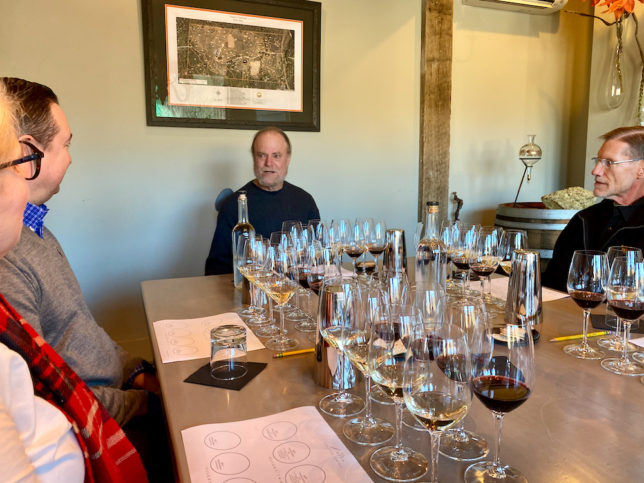
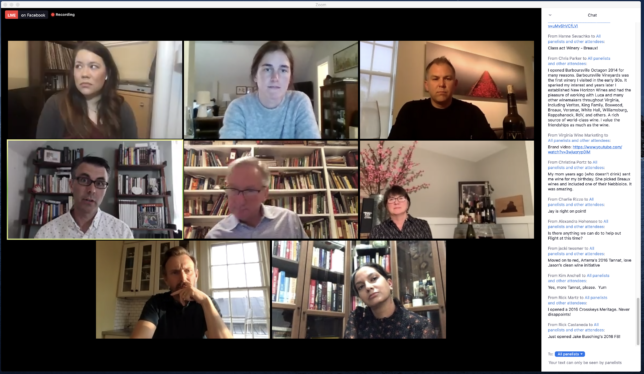
We are all familiar with Darwin’s scientific theory of evolution; however, winemakers have their own viticultural theory of evolution. We recently became familiar with Jim Law’s theory of evolution at a recent tasting event at Linden fitfully called, “Evolution.”

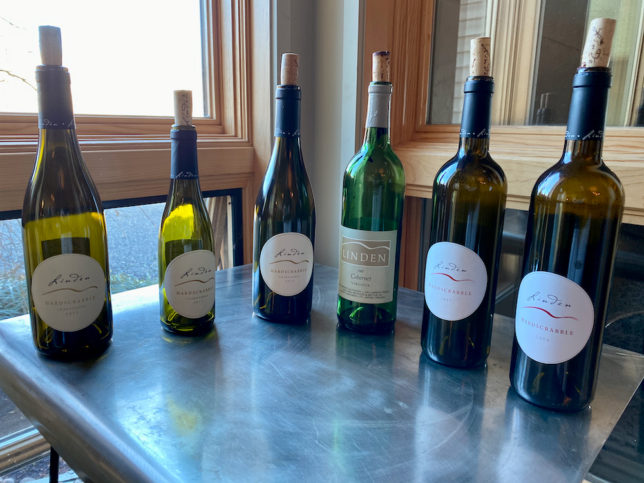
Jim Law’s reputation as the pioneer of excellent winemaking in Virginia is well known. Law bottled his first vintage in 1987, and this included a Cabernet Sauvignon that was tasted at the event. He described this vintage and those of the 1990s as years of understanding vineyard management with a struggle to achieve high expectations. The primary expectation was that wines expressed the terroir, or sense of place, while presenting a balance of acidity and alcohol. Jim’s trip to Bordeaux vineyards in the early 2000s was described by him as the time when the “light bulb went off”, and it was then that Law, already considered an accomplished winemaker, took his own evolution as a winemaker to a different direction. Under the direction of vineyard managers in Bordeaux, a re-evaluation of vineyard management at Linden Vineyards Hardscrabble site took place. This included both red and white wine varietals especially Cabernet Sauvignon and Chardonnay. Vines that were not appropriately placed and thus presented ripening challenges were ripped up, and new vines were planted to take advantage of the site’s unique terroir and micro-climate. The transition year was the 2007 vintage, and it was the 2007 Hardscrabble Red that was included in the session’s tasting.

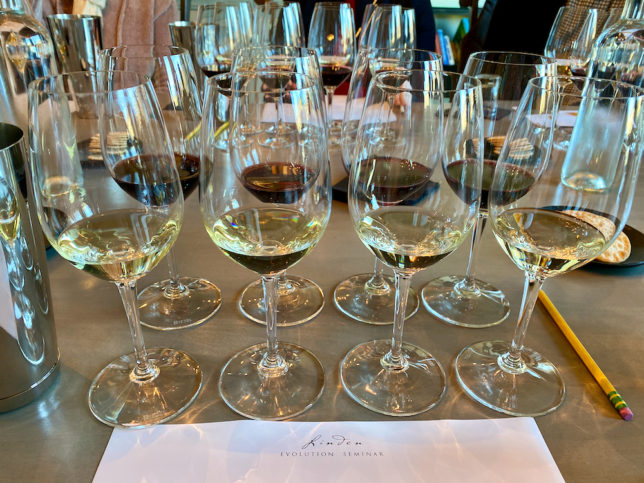
It was by tasting through the vintages of Hardscrabble Reds and Hardscrabble Chardonnays that we could witness the results of this evolutionary process. Law described the 1987 Cabernet Sauvignon as the result of his “wild cowboy days” when he was still learning best vineyard and winemaking practices. It was indeed a treat to taste this one with its sweet fruit, cedar, and savory characteristics. Gone too since the wild west days is the use of American oak barrels that Jim favored in 1987. The 2009 Hardscrabble Red, two vintages past the transition phase, was stunning. Dark fruit and plum notes with nice acidity and fruit through the palate was framed by velvety tannins, and better-placed vines took advantage of a dry yet cool summer that resulted in slow, even ripening. The 2016 vintage was fourth in the line up of red wines, and it presented fresh cherry and cola on the palate; young with good length, Jim believed that this vintage of Hardscrabble Red will hit its stride in eight years.

Evolution perhaps would be meaningless without passion, and vineyard work is truly Jim Law’s passion. However, Law seemed even more committed to his Chardonnay site that created the Hardscrabble Chardonnay. Chardonnay from Burgundy had been his father’s love, and Jim was allowed to sample the pleasures of white Burgundy wines at a very young age. This in turn led to Jim’s own desire to know more about wine, wine regions, winemaking, etc.; of course, the rest of history. A sampling of Chardonnay from Virginia’s Naked Mountain Vineyard in the 1980s convinced him that Virginia could produce stunning results from Chardonnay at a time when big, buttery Napa styles were the rage. The 2012 Hardscrabble Chardonnay was the earliest vintage offered for tasting, and here we tasted the product of older vines on the Hardscrabble site. Rich orchard fruit and lovely texture on the palate made for an elegant wine that Law declared had hit its “sweet spot.” His own favorite was the 2013 vintage with a fruit profile similar to the 2012 but leaner on the palate with a distinct mineral note. I favored the 2015 vintage with its juicy apple and pear presentation and generous feel on the palate. The white flight ended with the exquisite (and still evolving) 2017 Hardscrabble Chardonnay that seemed a bit riper on the nose and more acidic on the palate than the other vintages.

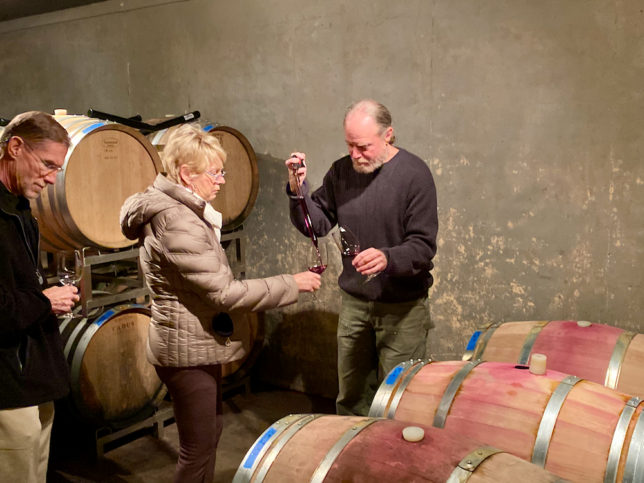
The witness to evolution continued with a trip to the cellar, and here we tasted barrel samples of the 2019 Chardonnay that will eventually make up the Village Chardonnay; picked from young, four year old vines, this one was all fresh apple in the mouth. It was resting in older, neutral oak barrels. (The 2019 growing season, already being heralded by local winemakers as one of the best in at least 10 years, was hot and dry.) A contrast to this vivacious youngster was a sample of the 2019 Chardonnay from the hardscrabble site. Produced from older vines planted in the 1980s, it was softer on the nose with better acidity and yet a rounder palate. The session concluded with two barrel samples of 2019 Cabernet Sauvignon from the Hardscrabble site; the first sample seemed soft with fresh cherry notes. However, the second sample seemed more tannic with blackberry and plum flavors. Jim confided that a blending trial for the 2019 Hardscrabble Red would be taking place on the Monday after our session that weekend, and these Cabernet samples will be part of the decision making process.

Evolving to achieve an expected standard of excellence best describes Jim Law as a vineyard manager and winemaker. We learned so much about this evolutionary process both by Jim’s testimony to his own process as well as by tasting the results. At the end of the session, we also appreciated his hard work and dedication. We will continue to appreciate wines at Linden, both those that have evolved and those that are evolving. Be sure to attend one of Jim Law’s educational sessions or plan a trip to the tasting room to experience the excellent wines there. Of course, mention that Virginia Wine Time sent you!
New (To Us) Wineries

As summer finally gives way to autumn, we reflect on wineries that, while open for a while, are new to our palates. Here we give brief reflections on those visits.

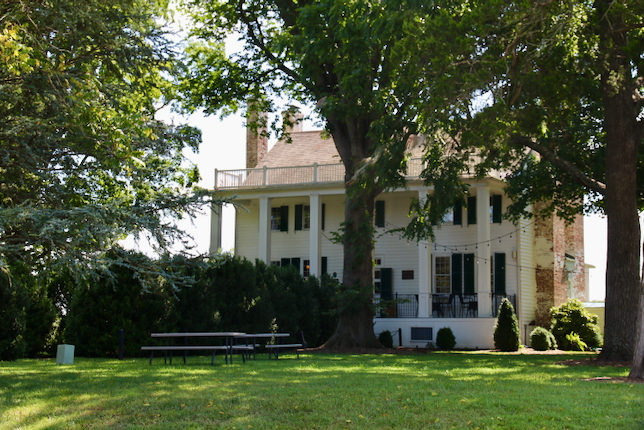
Effingham Manor Winery: This is a Pearmund operation and the tasting room is actually a historic home. We heard that it is haunted, but any ghosts and goblins were well behaved while we were there. We enjoyed the medium-bodied 2016 Chardonnay with its notes of pear and apple. For hearty beef dishes, try the 2016 Meritage—-blackberry and cherry elements were accompanied by tobacco and spice notes. The 2018 Rose is crafted from the Chambourcin grape, and this off-dry offering should please any palate.

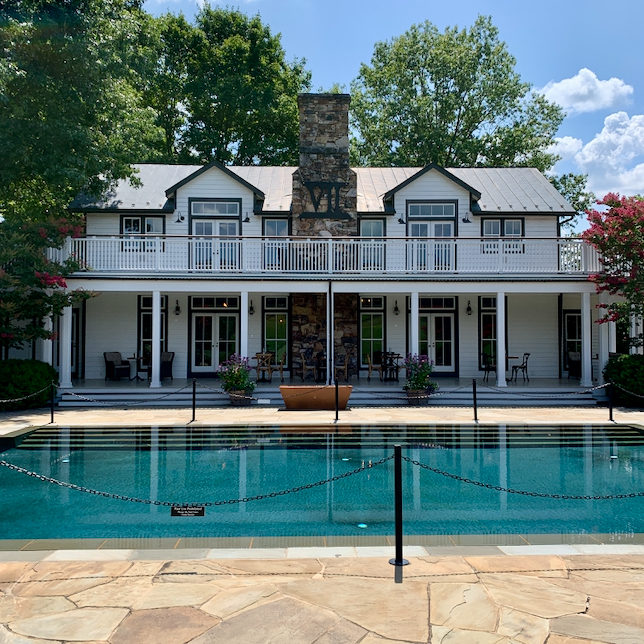
Septenary – The Winery at Seven Oaks Farm: We were impressed with this winery. A start with the Sparkling NV had us hooked, and then led to the elegant, creamy Chardonnay 2017 with its pear notes and vanilla finish. Of the red wines, we favored the complex Carriage House 2016 and the fuller-bodied Coleman 2015 with its ripe berry nose and flavors of blackberry, plum and dried herbs. Enjoy a glass of a favorite wine while taking in the lovely grounds—-we will return to this winery!

Walsh Family Wine: Nate Walsh continues to produce quality wines, and this time he is doing so from the former North Gate Winery. Walsh purchased the facility and vineyards from former owners and winemakers of North Gate Winery, Mark and Vicki Fedor. Friend and fellow blogger Kurt Jensen (Wine About Virginia) joined us for a tasting of Walsh’s latest releases. We enjoyed the crisp 2018 Sauvignon Blanc but saved our accolades for the 2017 Merlot with its dark cherry elements and fruity palate. The 2017 Staggerwing Tannat was surprisingly accessible; buy now and enjoy now! Serve with braised meats and a crusty baguette on a chilly night.

Plan to visit these wineries if you have not already done so. Please mention that Virginia Wine Time sent you!
Veritas, The Farmhouse, and a Flying Fox

We reflect on summer’s passing with a feature on another experience from our Charlottesville vacation in July. Our trip included a tasting at Veritas, a Virginia Wine Time favorite; however, winemaker Emily Pelton and Elliot Watkins have also taken on the winemaking duties at Flying Fox. Of course, we had to sample the releases there. The Farmhouse? Read on to find out more.

Tasters who visit Veritas are offered a choice of the regular wine tasting or the reserve tasting. Guess which one we selected? The Sauvignon Blanc 2018 was presented for tasting on both menus, and we appreciated its citrus notes and zesty finish; however, the Harlequin 2017 was the reserve list standout. Chardonnay lovers who appreciate an oaky style will be wowed with this one. Its ripe pear note and creamy palate seemed destined to partner well with any dish that includes a cream sauce atop poultry, pork or fish. I already looked forward to autumn and heartier dishes, and the Vintner’s Reserve 2016 captured my palate. This blend of Petit Verdot, Merlot, and Cabernet Franc featured flavors of dark cherry, blackberry, and dark plum with smoky notes and a kiss of mocha. Braised meats, roasted veggies, game meats—-the pairing options seemed endless.

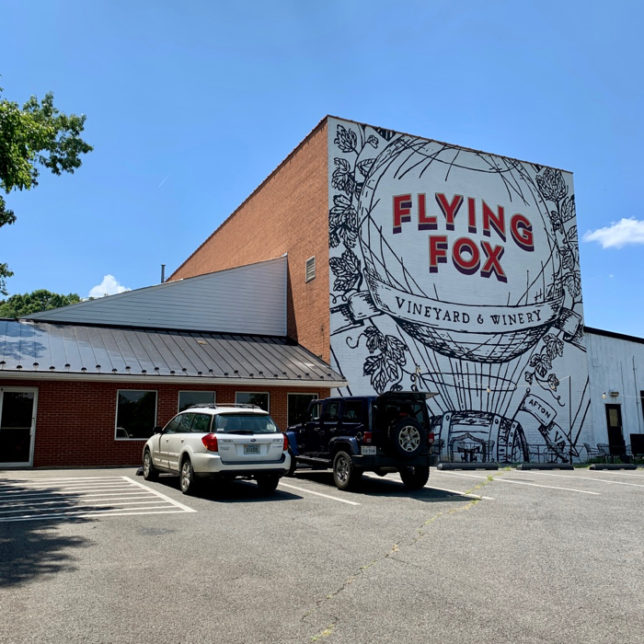
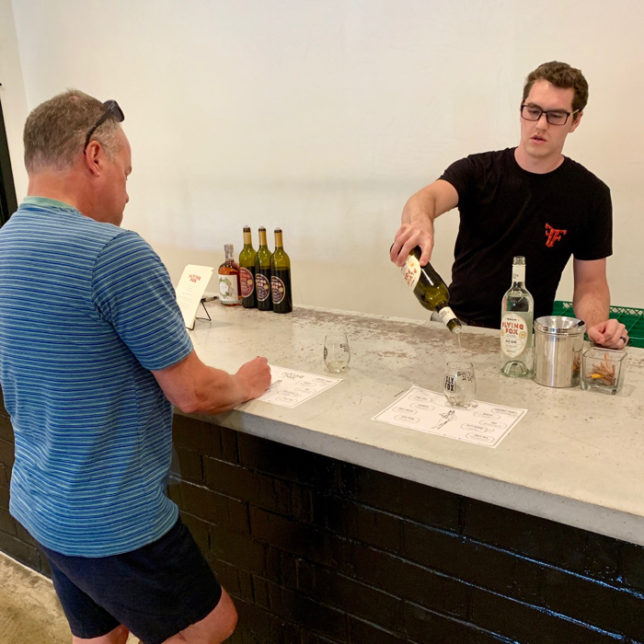
The team behind Flying Fox Vineyard consists of Emily Pelton, Elliot and Chloe Watkins and George and Traylyn Hodson. Emily and Elliot serve as the winemakers. The tasting facility appeared unremarkable from the street—until we walked through the door. The decor recalled a 1920s parlor to suggest that we had entered a speakeasy. Small touches such as a period Smith-Corona manual typewriter completed the impression, and we expected flappers to suddenly appear while dancing the Charleston! However, we were also impressed with the wines especially the Rose 2018 and the more complex Trio 2015, a blend driven by Cabernet Franc. Elements of blackberry, tobacco and pepper converged to create a more complex yet accessible blend.

Need a place to stay while visiting the Charlottesville area? The Farmhouse might be the perfect place. This bed and breakfast is located on the Veritas property. It consists of 8 luxury rooms with many options for wining and dining. For more information, check out their website.

We say farewell to summer as we welcome autumn and its crisp air and lovely colors. Plan a fall visit to Veritas Vineyards and Winery; you can even book a place to stay there at The Farmhouse. Include a tasting to Flying Fox to complete the experience. Be sure to mention that Virginia Wine Time sent you!
Visiting Old Favorites

A recent visit to the Monticello area offered us the opportunity to sample releases from favorite wineries. Here we present wines (and the wineries) that we enjoyed most:

Barboursville Vineyards: I always pay attention to the reserve wines at Barboursville, and this time was no exception. The Sauvignon Blanc Reserve 2016, Vermentino Reserve 2016, Viognier Reserve 2017 and the Cabernet Franc Reserve 2017 all earned my top scores. Perhaps it was due to the hot day, but I particularly enjoyed the Vermentino Reserve 2016 with its floral notes and nice mouth feel. I did, however, leave with a bottle of the Octagon 2015 to add to our collection of the Octagon line on our wine rack.

Blenheim Vineyards: We always hope to run into winemaker Kirsty Harmon when we visit Blenheim Vineyards, and we were in luck this time around. The Albarino 2018 was my favorite; faintly floral with orchard fruit on the palate, it should complement light fare, shell fish, and fresh fruit. The light-bodied Cabernet Franc 2017 with its cherry notes is destined to please with grilled fare, comfort foods or on its own with sliced deli meats and cheeses.

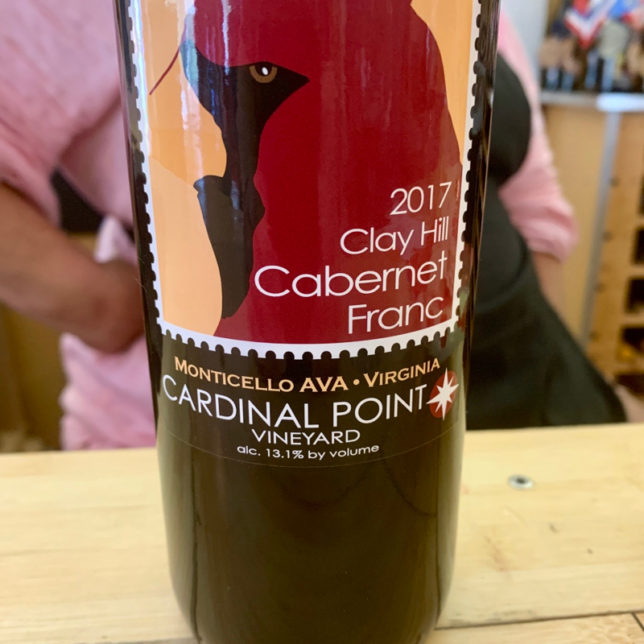
Cardinal Point Vineyard and Winery: On a hot day, it was hard to not appreciate the 2018 Quattro, a blend of Riesling, Gerwurztraminer, Vidal Blanc, and Viognier; however, this fruity blend should also come in handy during the upcoming Thanksgiving or Christmas holidays—-never to early to think about future menus! Be sure to sample the 2017 Clay Hill Cabernet Franc—-red berry notes and a bit of spice on the finish reminded us why Cabernet Franc is one of Virginia’s signature grape varieties.

Gabrielle Rausse Winery: We continue to be impressed with this winery, and I always seem to leave with a bottle (or two) of the Vin Gris de Pinot Noir, and this time from the 2018 vintage. The Rose 2018 produced from Cabernet Sauvignon was another favorite; strawberry flavors were noted with a dry, crisp finish. The non-vintage Cabernet Franc can be described as very berry; a light-bodied, fruity palate make this one delicious to sip on its own or with food.

King Family Vineyards: We expect to see lots of rose produced from the 2018 growing season, and were not disappointed to see the Crose 2018 on the tasting menu here. This is always one of our favorite roses, and we stock up whenever to visit King Family Vineyards. Loads of bright red berry notes and flavors with a crisp finish aptly describe the Crose 2018; buy to enjoy now or throughout the year—-rose is versatile! I made certain to purchase the complex Meritage 2017; it presented dark fruit aromas and flavors with a note of tobacco and cedar. It is still young and a bit tannic—-buy now and decant or store and enjoy later.

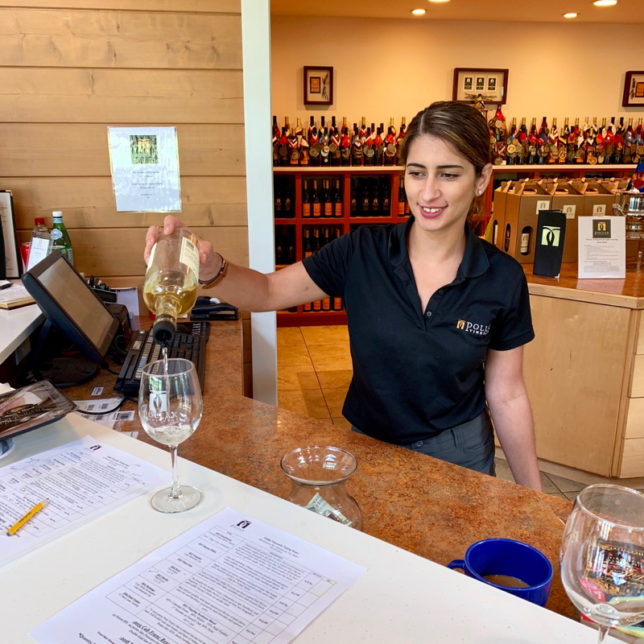
Pollak Vineyards: Yay for Chardonnay and the 2017 Chardonnay from Pollak Vineyards; tropical fruit notes and a crisp finish make for a lovely representation of this grape without the oaky presence. And yes, Rose 2018—-this one driven by Cabernet Franc, I noted flavors of strawberry and watermelon and appreciated its crisp acidity. The 2015 Meritage showed quite well; expect dark plum, black cherry and currant characteristics with spice on the finish and a bit of a tannic “chew.”

Our next post will feature new favorites (or at least new to us.). In the meantime, visit these excellent wineries while in the Monticello area. Please mention that Virginia Wine Time sent you!
Stay

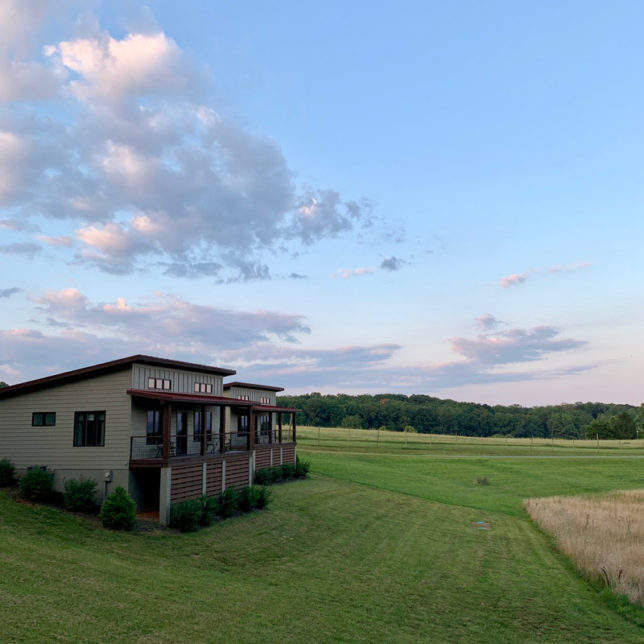
And we did just that during a recent summer getaway to the Charlottesville area. We rented a cottage on a vineyard site managed by Stay Charlottesville, and the cottage named Coop Billon was located on the property associated with Afton Mountain Vineyards. Of course, we visited several wineries during our stay!
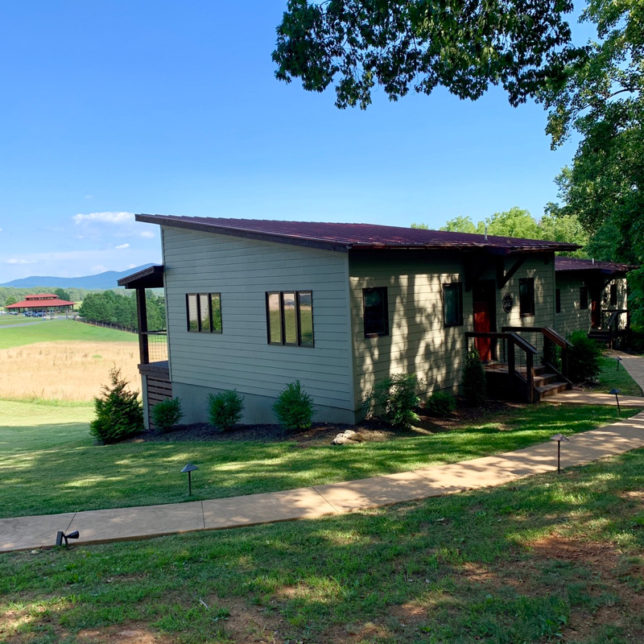
For readers looking for a local weekend getaway or longer vacation in the historic Charlottesville area, consider booking accommodations through Stay Charlottesville. We booked a cottage located on a vineyard because we are wine geeks; however, other Stay sites include Charlottesville estates, rustic Virginia countryside, and University of Virginia. The Coop Billon is one of four cottages that offer guests views of Afton Mountain’s vineyards, a tasting in the tasting room, a gorgeous views of Virginia mountainsides. The cottage itself can be described as country quaint with a complete kitchen, spacious bathroom, and a back porch that included rocking chairs. Paul and I enjoyed simple meals each night paired with a favorite Virginia wine while dining al fresco on the porch. Each meal was partnered with lovely skies, and on one evening, music from the winery.

A stay at the cottages includes a free tasting at the winery; of course, we took advantage of the opportunity to sample the latest releases from Afton Mountain Vineyards. Owner Elizabeth Smith greeted us warmly, and it was she who conducted our tasting. I already had dinner on my mind even though it was 11 AM—-it’s never too early to think about dinner; anyway, I knew that we were going to enjoy crab cakes that evening. The first pour on the tasting list was also my choice to pair with dinner, and it was the 2018 Albarino. It presented floral notes with peach aromas and a crisp, refreshing feel in the mouth. Be on the look out for lots of rose from the 2018 vintage due to the heavy rainfall during that growing season, and the 2018 Rose from Afton Mountain Vineyards offered bright red berry notes and fruity palate that demanded to be enjoyed on a hot summer day.

Speaking of the 2018 vintage, readers may know that some winemakers have opted not to produce red wines from that growing season; however, remember that microclimates matter. While some vineyard sites got soaked, others were more fortunate to receive a break from the constant rainfall and were able to produce red wines. The 2018 Cabernet Franc from Afton Mountain Vineyards was quite enjoyable. It was lighter bodied with lots of red raspberry and cherry notes; it also presented a fruity palate that makes it an easy pairing with lighter fare now or in the fall. If in doubt about which winemaker is doing what with the 2018 vintage, ask the particular winemaker at a specific winery——don’t assume everyone has decided not to produce red wines.

Of course, summer will not last forever and fall/winter fare will grace the dinner tables. Consider Afton Mountain’s Bacco 2016 which is a blend of Cabernet Sauvignon, Sangiovese, Petit Verdot and Tannat. This one featured a profile of ripe dark berries and currants with a chewy/tannic presence that plays well with heavier beef dishes and game meats. Look out for a white port-style wine crafted from the floral muscat grape; we were treated to a sneak preview; however, we are not sure when it will be released.

And so our day ended just as we had planned—-crab cakes with the 2018 Albarino from Afton Mountains. We dined outdoors and were entertained by the band playing at the winery; a cool breeze greeted a colorful sky made brighter by fire flies flitting above the meadow. Consider a Stay at the vineyard cottages while visiting the Charlottesville area, and enjoy the lovely wines at Afton Mountain Vineyards. Please mention that Virginia Wine Time sent you!