Bloggers Converge On Winery!

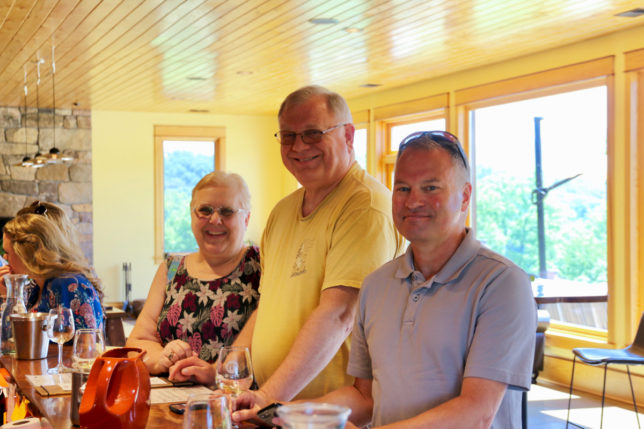
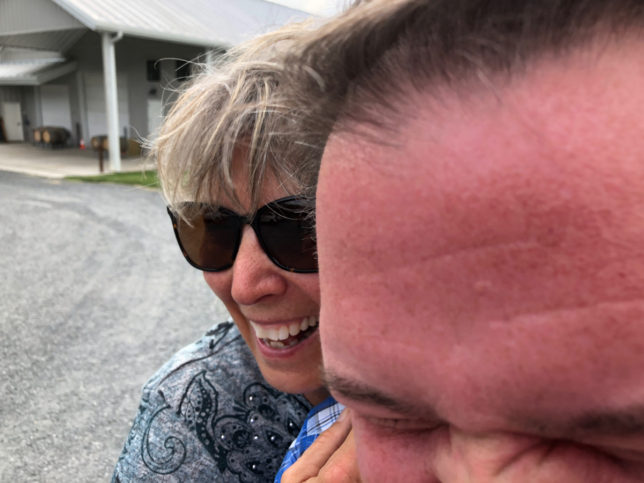
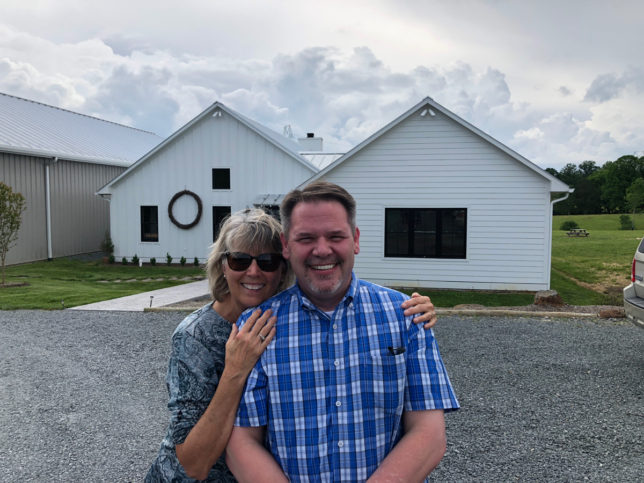
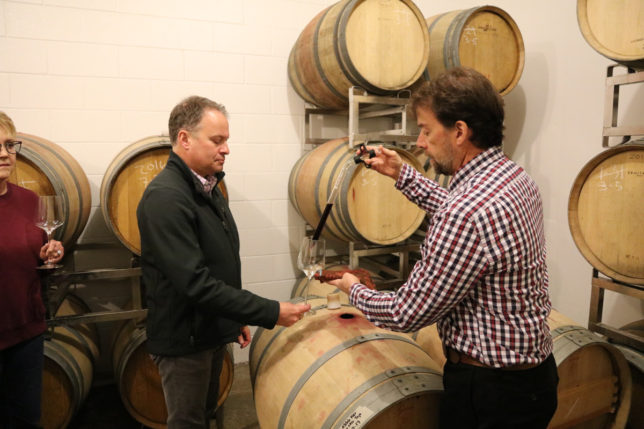
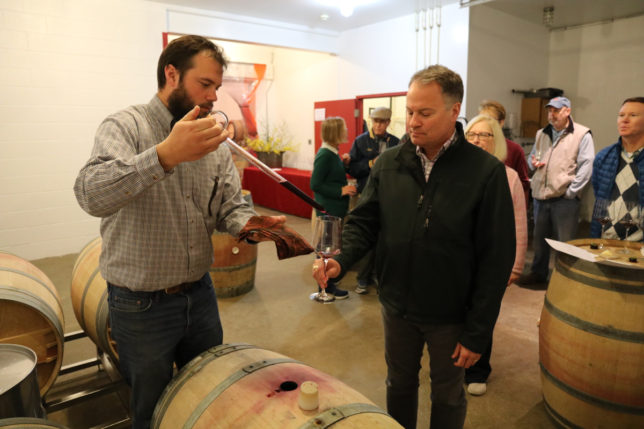
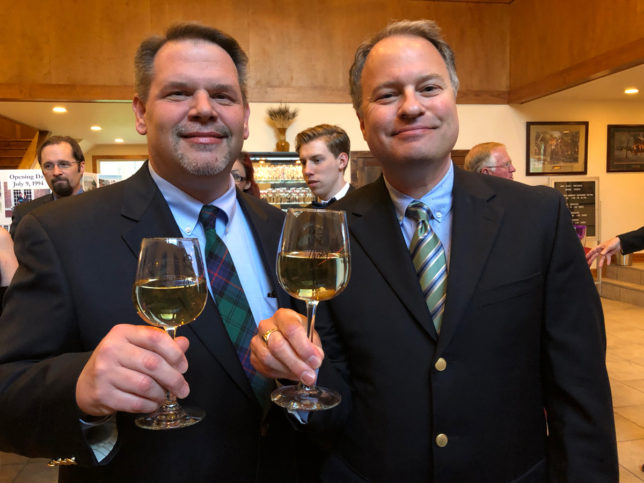
Or Paul and I met Kurt and Carol of Wine About Virginia at Muse Vineyards.  Anyway, Paul and I put Muse Vineyards on our list of wineries to visit this year.  We have enjoyed their wines at tasting events, and a bottle of the 2010 Clio is somewhere on the wine rack still taking a snooze. Kurt and Carol invited us to join them in late June for a tasting at the winery, and we could not refuse the offer!

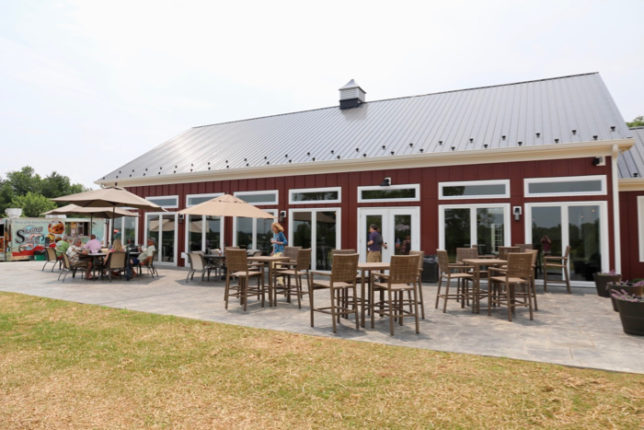
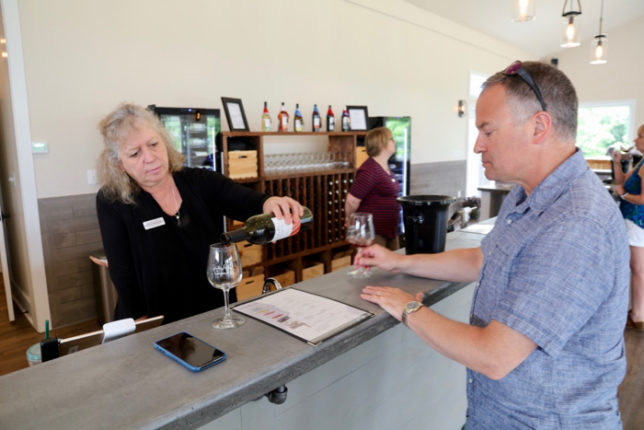
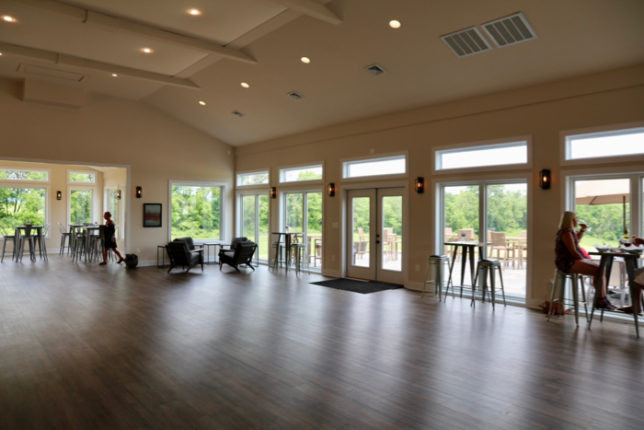
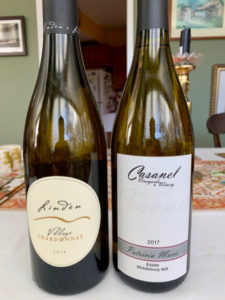
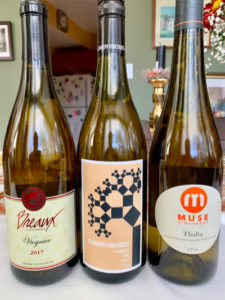
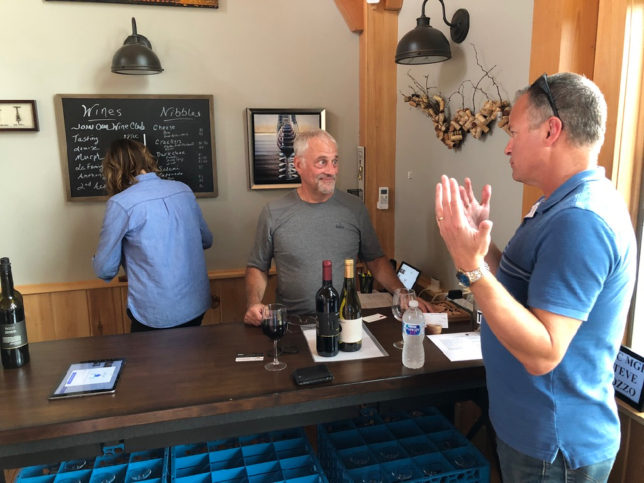
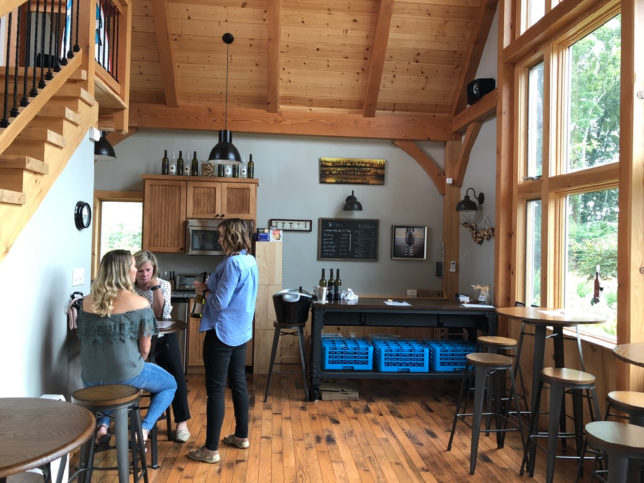
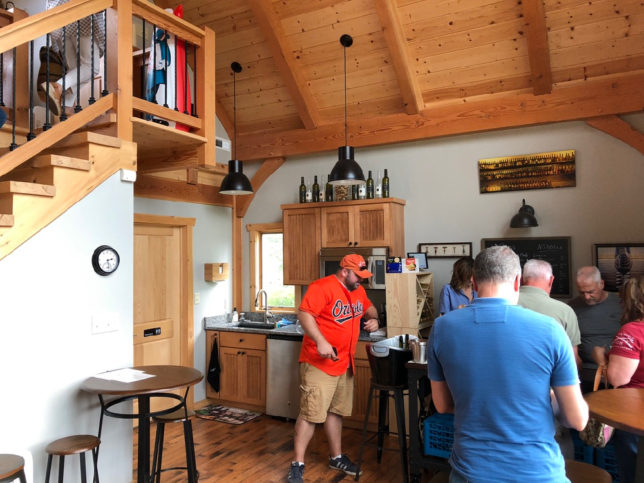
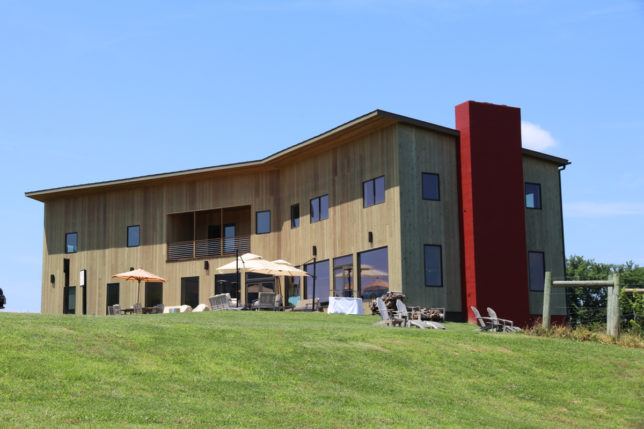
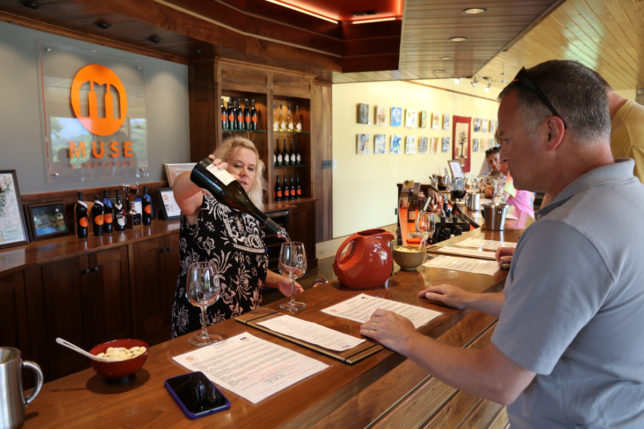
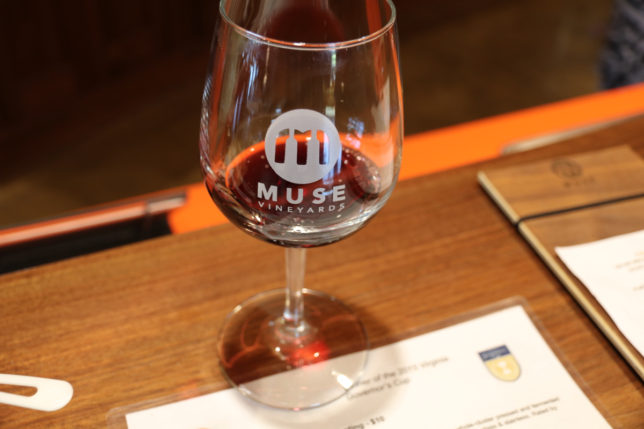
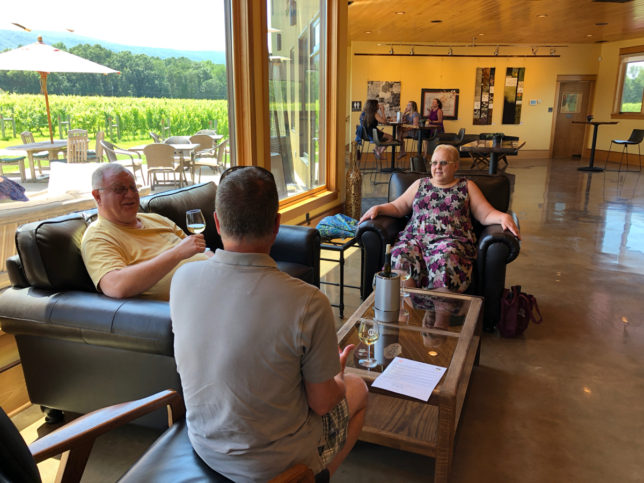
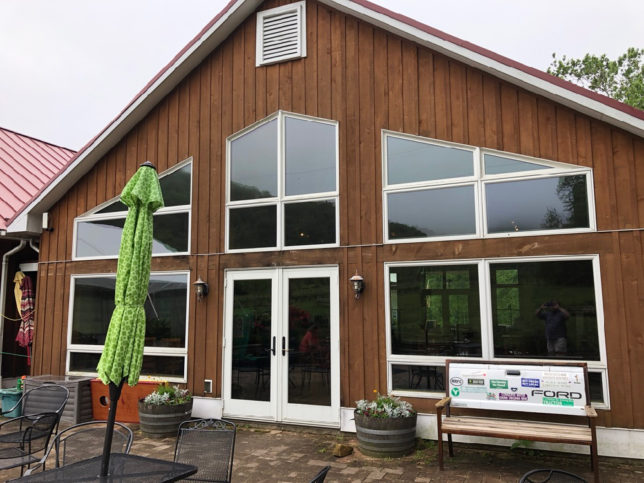
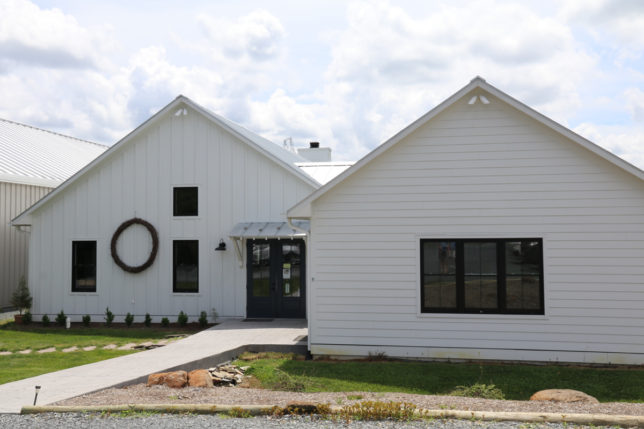
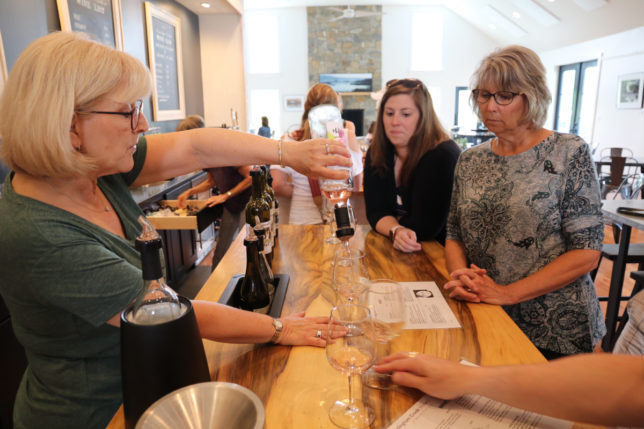
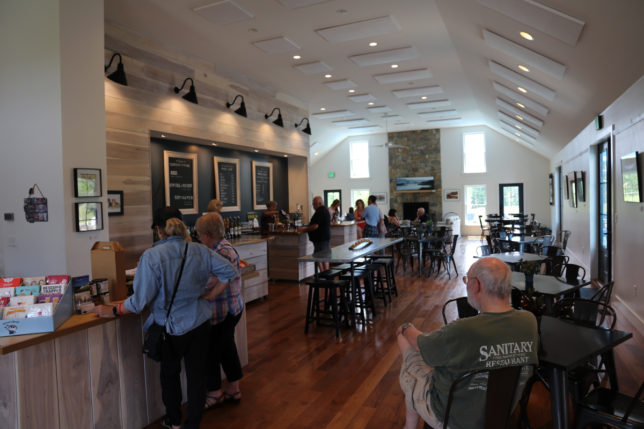
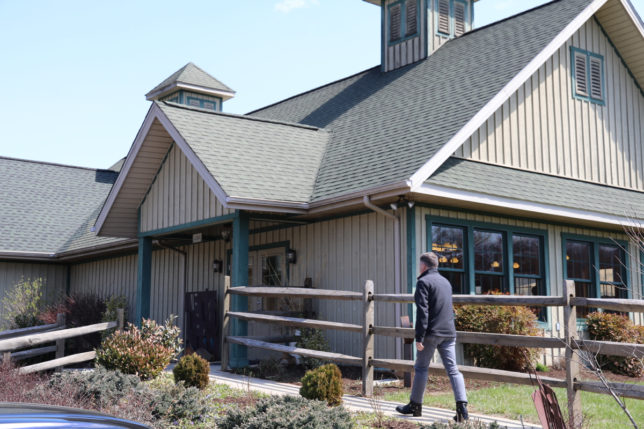
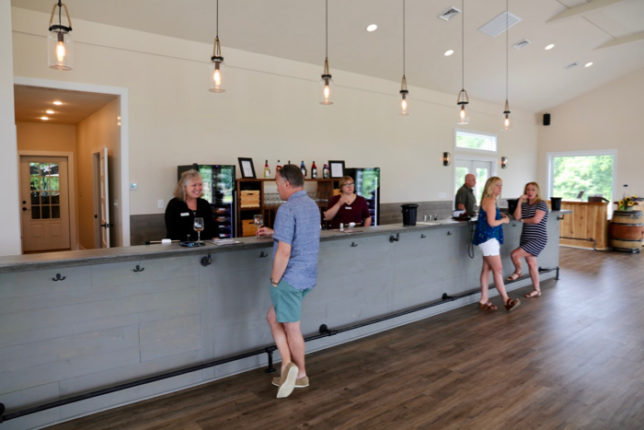
Muse Vineyards is located in Woodstock, and the setting is classic Virginia wine country.  The tasting room offers mountain views through windows that allow the interior to shine with sunlight.  We were fortunate to make the trip out to Muse after weeks of rainfall, and this day was warm and sunny.  Our tasting began with white wines, of course, and the first offering also ended up being one of my favorites of the day—-the Erato 2017.  This crisp blend include Chardonnay, Sauvignon Blanc, and Muscat.  The result is an aromatic wine that offered floral notes and citrus elements destined to please anyone on a summer day.  Rhone varieties shined brightly in the Thalia 2016, a mix of Roussanne, Marsanne, and Viognier.  In fact, Thalia 2016 is one reason why I am becoming more intrigued with the ability of certain microclimates in Virginia to produce quality wine from Rhone grapes. It presented citrus notes and a full palate to complement rustic fare such as roasted chicken or pork.  

We were eager to experience the Clio blends or the Bordeaux-style wines that have earned accolades for Muse Vineyards; in fact, the 2009 vintage was the winner of the 2015 Governor’s Cup in Virginia.  Our merry band of bloggers tasted the 2013 and 2014 vintages and were not disappointed.  Of the two, the 2013 seemed more accessible with aromas of smoke, tobacco, blackberry and black tea.  Blackberry, cherry, licorice on the palate gave way to a lingering finish.  Enjoy now; however, we did decant this one for a short time before serving with a beef dish.  The 2014 vintage presented aromas of seed berries and dried herbs with juicy blackberry and black raspberry flavors in the mouth. Its finish was a bit tighter than its older sibling, so buy now and enjoy later!  Oh, why the different profiles if both are Clio blends?  The 2013 blend leads with equal amounts Cabernet Sauvignon (30%) and Cabernet Franc (30%) followed by Merlot,  Petit Verdot, and Malbec.  The 2014? Cabernet Franc (50%), Petit Verdot (20%) and 10% each of Cabernet Sauvignon, Merlot and Malbec. 

Muse Vineyards produces wines from estate grown grapes, and these include Gamay—-yes, Gamay of Beaujolais fame.  In fact, the Rose 2017 is created from free run Gamay grapes.  It proved to be lovely with bright berry notes and a crisp mouth feel.  

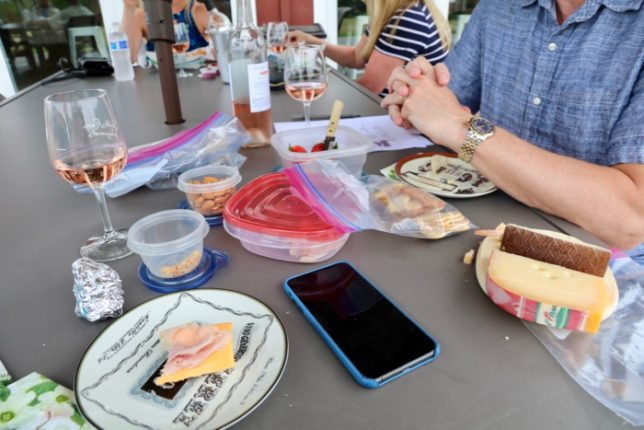
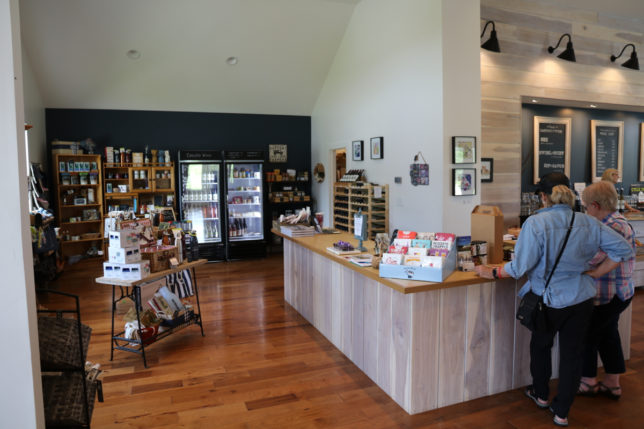
The four of us completed our visit to Muse Vineyards by sharing a bottle of the Thalia 2016 with a food tray that included cheeses and a baguette. We appreciated the unique artwork created by local artists that graced the earth-toned walls of the winery.  Of course, we all left the winery with favorites from our tasting experience, and I know that Paul and I will return sooner rather than later to Muse Vineyards.  In the meantime, make your own trip to Muse Vineyards to taste their excellent wines.  Be sure to mention that Virginia Wine Time sent you!
Authenticity at DuCard Vineyards

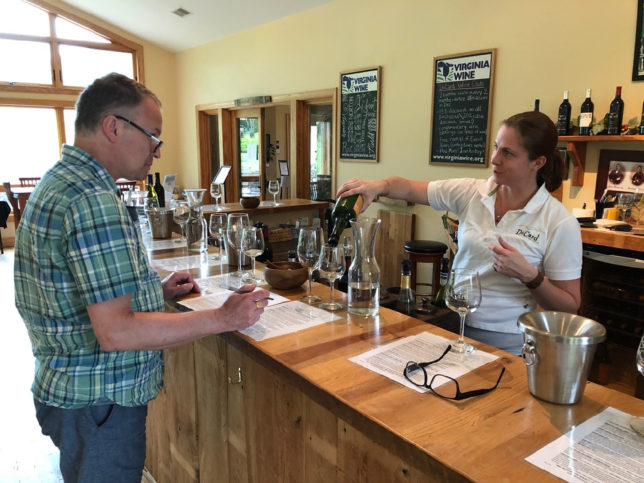
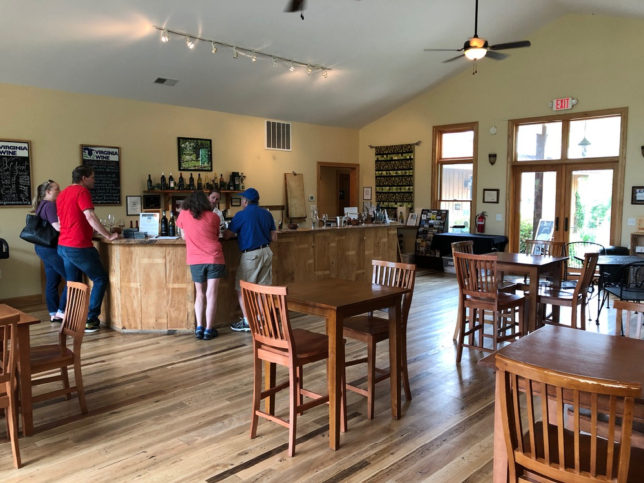
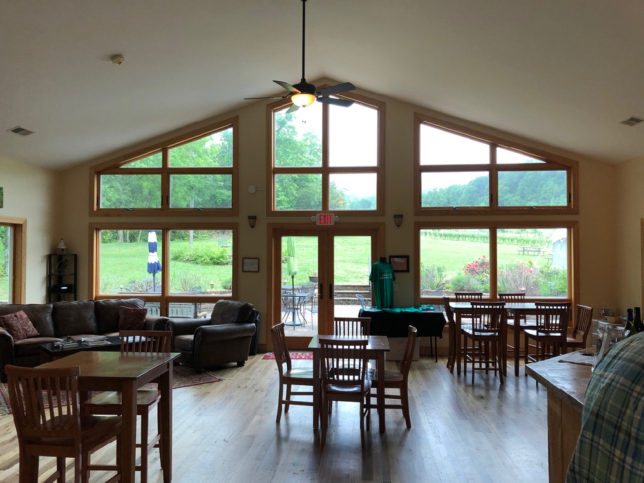
DuCard Vineyards is nestled in the shadows of the Shenandoah Mountains and somewhat off of the beaten wine trails. However, we appreciated the tranquility that this space offered after a recent weekend visit on the Monticello Trail that could best best described as harried. Peace prevailed here and gone were the buses of boozy bridal parties, cranky children and barking dogs. To be fair, DuCard is dog friendly; however, none were at the winery during our visit. (DuCard will also accommodate larger groups but for a higher tasting fee.) Quality also prevailed at DuCard Vineyards, and we were appreciative not only of the quiet atmosphere and scenic mountain views but also the expert wine crafting that resulted in a lineup of excellent wines.

So readers are getting the idea that authenticity has something to do with an emphasis on an environment that lends itself to appreciating wine. However, the term also applies to owner Scott Elliff’s commitment to using only estate grown and managed fruit to produce his quality wines. It is no secret that some Virginia wineries import fruit from states other than Virginia, and these are often poured in expansive tasting rooms and sold at expensive prices. We are not judging winery owners who commit this practice; in fact, if a poor harvest in the vineyard means adopting other measures (such as bringing in fruit from California) in order to keep the doors open, then by all means do what is necessary. However, we do believe that this practice should be the exception and not the rule. And we do understand that not all grape varieties can be grown on one estate, so by all means purchase fruit from elsewhere—-as long as it is from a Virginia vineyard. We at Virginia Wine Time want to drink Virginia wine; after all, the local wine shop is loaded with California wines. We therefore applaud Elliff’s decision to use estate-grown and managed fruit exclusively. In fact, Scott Elliff has written articles on this topic and can be read here: The Virginia Wine Experience.

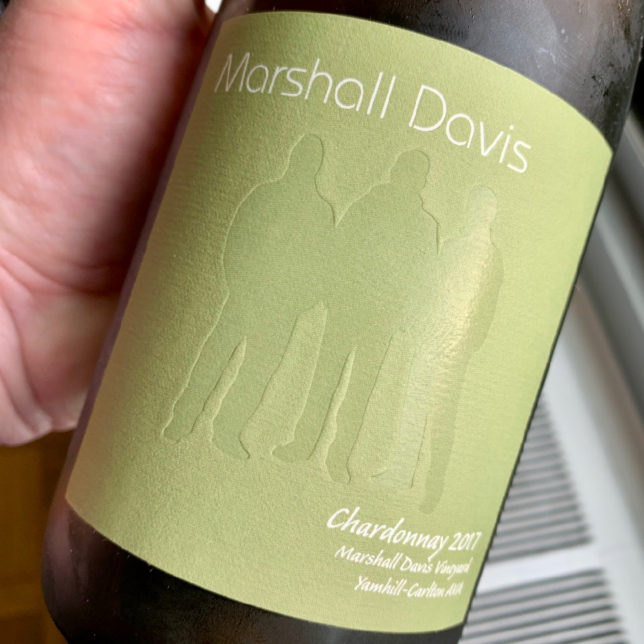
And on to our tasting. The Signature Viognier 2016 took a gold medal at the 2018 Virginia Governor’s Cup, and it was also our favorite white wine. Lush floral aromatics and notes of fresh pear and melon suggested a wine destined to be paired alongside shellfish on a warm summer day. It offered a honey-texture mid-palate and enough acidity to accept any challenge offered by dishes topped by a cream sauce. I was a fan the Rose 2017 made from a blend of Cabernet Franc, Merlot, and Cabernet Sauvignon. Its pink tone and very berry nose announces summer has arrived. Strawberry flavors and a crisp finish makes this one a favorite for outdoor picnics, barbecue, chicken, poultry, salmon—-just about anything!

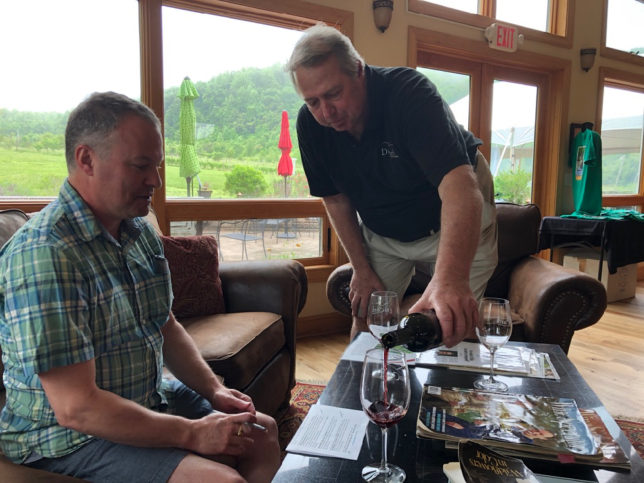
Of the red wines, another gold medal winner caught our attention, and that was the Petit Verdot 2014. Plum, blackberry and cedar notes gave way to flavors of juicy blackberry, plum and anise. Chewy too!! Feel free to age in the cellar; however, more impatient readers will want to decant before serving with grilled meats. I’m waiting for winter and serving with a hearty stew! Owner Scott Elliff capped off our tasting with a sample of a library wine, the 2012 Cabernet Sauvignon, Limited Edition. The 2012 vintage is considered a more classic Virginia vintage (not too hot, not too wet—-just right for Virginia). We can report that the 2012 Cabernet Sauvignon presented the well balanced elements of rich dark fruit, cedar, and velvety tannins that we associate with an elegant wine. In fact, we purchased a bottle to serve with a special dinner on a special occasion.

We finished our visit at DuCard Vineyards with a glass of the Rose and took in the quiet atmosphere and majestic mountain views that surround the vineyards and winery. We also made certain to purchase several bottles of our favorite wines. Be sure to enjoy authentic Virginia wine at DuCard Vineyards, and mention that Virginia Wine Time sent you.

Virginia Wine and Friends

Paul arranged for us to meet up with a former colleague and friend, Diane, at one of her favorite Virginia wineries. Diane and her husband Paul relocated to the Charlottesville area last year and have explored the Monticello wine region. For Diane, Cunningham Creek is her “go to” winery. Therefore, we all agreed to meet up there; in addition to catching up with friends, this was also an opportunity to add to our list of Virginia wineries that we have visited over the past 13 years. Our visit to Cunningham Creek is winery #183.

It was a warm yet comfortable late spring afternoon when we arrived at Cunningham Creek. Friendly staff greeted us at the door, and the tasting room offered views of fresh green lawns and mountainous landscapes. Rose is the rage these days, and Cunningham Creek produced an excellent dry offering from the 2017 vintage. It was crafted from Cabernet Franc grapes and could be described as summer in a glass with notes of melon, citrus zest, and stone fruit. For those who enjoy creamier Chardonnays, the 2016 will not disappoint. This Governor’s Cup Silver Medal winner presented elements of pear, citrus and honey.

Summer is always grilling season, and Herd Dog Red made with Cabernet Franc should be delightful with grilled burgers, ribs, or chicken. A fruity palate and light body makes this one a perfect summer red wine. Lean steaks and grilled veggies would be complemented by the 2015 Merlot with its notes of ripe cherries, plum and cedar. Juicy ribeyes on the grill? The 2015 Meritage should work well. Merlot dominates this blend that also includes Cabernet Franc, Cabernet Sauvignon, and Petit Verdot. It is complex with rich layers of blackberry, cherry and currants. Chewy tannins suggest aging potential; however, enjoy now after decanting.

Paul had SO much fun spending time with Diane!

Our tasting was done and we wanted to enjoy more time together with a favorite bottle of wine. So which wine did we select? The 2016 Viognier, another Virginia Governor’s Cup Silver Medal winner. Its floral aromatics and tropical, fruity palate paired well with cheeses, warm weather, and friends.

Be sure to visit Cunningham Creek Winery to select your own favorites. Mention that Virginia Wine Time sent you!
More On Locations Tastings

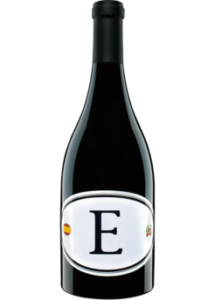
We continue to enjoy Locations Wines that are each designated by letters of the alphabet. Readers may recall that the Locations wines are produced from the best vineyard sites situated from all over the world produced by Dave Phinney. Our most recent tastings included representations from New Zealand (NZ), France (F) and Spain (E).


NZ: This crisp gem the product of three vineyard sites in New Zealand, and they include the Wairau Valley; Awatere Valley, and the Waihopai Valley. These sites pull in influences from the Pacific Ocean, gravel soils, and cooler ripening climates. The result is a refreshing wine that presents characteristics of grapefruit, fresh grass, and mineral. Enjoy on a warm day with goat cheeses, shellfish or poultry.


F: France is synonymous with winemaking, and Locations pulls in red grapes from Rhone, Roussillon and Bourdeaux to create this fruit-driven wine. The blend includes Grenache, Syrah, and various Bordeaux varities. Seed berry notes prevailed on the nose complemented by aromas of tobacco and violet. A very berry palate included velvety tannins and a pleasant fruity finish. We enjoyed F with herbed eg of lamb and roasted veggies.


E: The tasting notes describe this blend as offering influences from the Mediterranean and the Continent but dominated by Spanish varietals. The blend includes Grenache/Garnacha, Tempranillo, Monastrell, and Carignan/Carinena. I noted juicy plum and tobacco aromas that gave way to flavors of cherry, blackberry, and vanilla. It paired nicely with slow-cooker pot roast served aside roasted potatoes and carrots.


We thank Balzac Communications for sending these lovely wine for us to enjoy. We do appreciate the quality wines that a combination of grapes from various locations can produce. Plan a visit to your local wineshop and to seek out these unique wines produced from Locations. Of course, mention that Virginia Wine Time sent you.

Barrels and Vintages

The month of April provided us with the opportunity to experience wines in two different ways: from the barrel and from the library. Glen Manor Vineyards hosted a barrel tasting which featured developing wines from the 2017 vintage; later in the month, Gray Ghost Vineyards hosted a vertical tasting of their reserve and non-reserve Cabernet Sauvignon. Both events allowed us to revel in the fact that Virginia winemaking has evolved to the point where Virginia wine enthusiasts can discuss vintages and their particular circumstances! Who needs Napa?

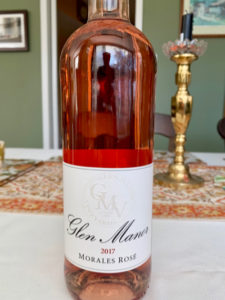
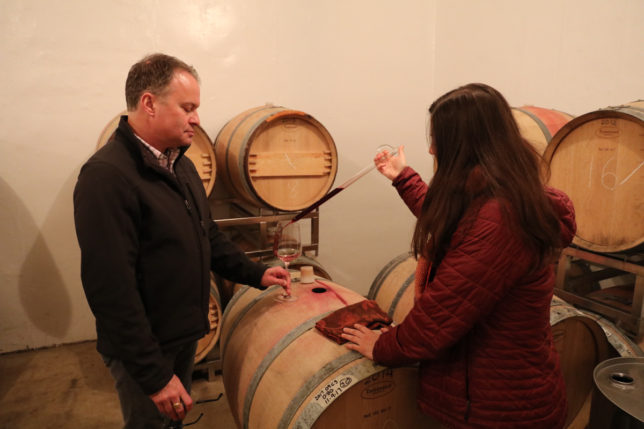
Paul and I were eager to sample the sleepers at Glen Manor Vineyards. The 2017 harvest in Virginia has earned glowing reviews from winemakers. Seasonal temperatures (rather than too hot) and a dry harvest (no hurricanes during harvest time) provided winemakers with fruit that ripened on time in Virginia. Winemaker Jeff White was thrilled with the 2017 harvest and used the barrel tasting to feature the components of his red blends. These included the St Ruth and two options for his award-winning Hodder Hill. These blend components were paired along side gluten free and vegan pairings by The Element in Front Royal and local cheeses by Fields of Grace in Remington.

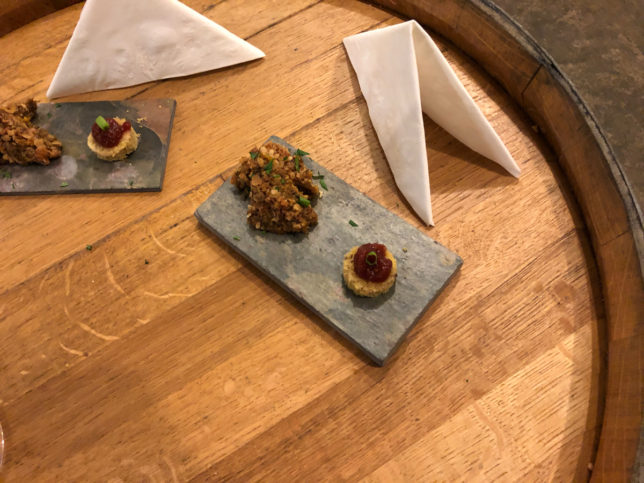
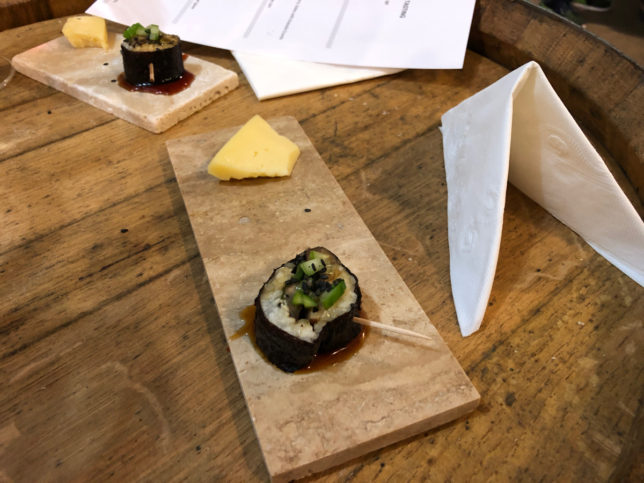
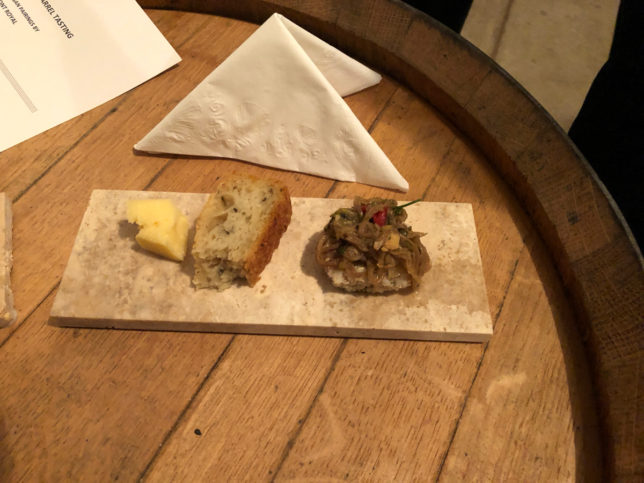
Blend #1 featured the 2017 Merlot and 2017 Cabernet Franc components of St. Ruth. We tasted each individual component and then tried our hands at blends the two. We both enjoyed the Cabernet Franc with its rich seed berry characteristics and smoky aromas. After blending, the Franc-heavy mix prevailed. Partners included a curried raisin bar and smoked tomato jam cornbread canapes. Paul devoured the curried raisin bar and declared a success when paired with his own Merlot-dominant blend. As Paul savored the raisin bar, I moved on to Blend #2. This presented another component tasting but this time for the Hodder Hill, and this station provided tasters with the first of two suggested options for the acclaimed Hodder Hill red blend. The first option featured the 2017 Merlot (part feral) and the 2017 Cabernet Sauvignon, feral. Feral? Wild? Yes, natural yeasts are allowed to do their thing (ferment). The second option showcased the 2017 Cabernet Sauvignon and 2017 Petit Verdot but with added yeast (not natural) yeast. Our preference? On its own, I was a big fan of the feral Cabernet Sauvignon; likewise, Paul, the Merlot fan, gave a nod to the feral Merlot. However, the Blend #2 garnered our vote for favorite blend. Perhaps food had something to do with it. Components of Blend #1 paired well with Gouda cheese and mushroom sushi—-smoky, earthy foods; Blend #2 dazzled with Virginia Monterey Jack cheese and quinoa rice cakes topped with rillette of roasted tomato, carrot, and sweet potato—-texture, tannins, and savory.

We share the enthusiasm for the 2017 vintage due to our experience at Glen Manor, and The Gray Ghost vertical event allowed us to step back in time to appreciate past vintages of Cabernet Sauvignon. This event features both reserve and non reserve Cabernets from the 1999, 2001, 2005, 2007, and 2009 vintages. The reserve wine benefit from extra oak aging and malolactic fermentation; however, the non reserve wines more than held their own. I was a fan of the 1999 and 2009 vintages of both styles. In 1999, winemaker Al Kellert was using both American and French oak barrels which explained the spicier elements of the eldest statesman in the lineup. A transition to all French oak barrels was completed after 2005; both the 2007 and 2009 presented fruitier profiles while maintaining a fuller mouth feel. Paul was a fan of the 2007 Reserve and the 1999 non reserve. We both appreciated the age-worthiness of these wines.

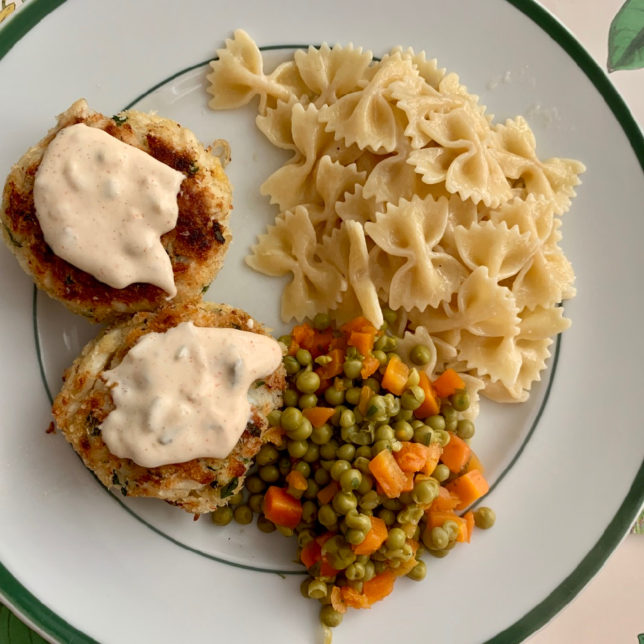
The wines were paired with a complement of foods prepared by co-winemaker Cheryl Kellert, and the menu included venison teriyaki, London broil with mushroom sauce, chicken with bowtie pasta and tomato sauce, and meatballs simmered in salsa. The evening concluded with a chocolate mousse cake for dessert partnered with the award-winning 2014 Reserve Cabernet Sauvignon.

Oh, and who says that Virginia can’t produce quality Cabernet Sauvignon? Location makes the difference, and Glen Manor Vineyards and Gray Ghost Vineyards seem to benefit from excellent vineyard sites. Both events provided us with the ongoing educational experience that is Virginia wine. Visit these excellent Virginia wineries to taste their current releases; perhaps even sign up for a library, barrel, or vertical event! Please mention that Virginia Wine Time sent you.

Good Things Come In Threes

I posted recently about our third anniversary dinner being complemented with the 2012 “3”; today, I post about another trio but this time the focus is on three wines which we received from Rosemount of Virginia. Rosemount of Virginia has always impressed us; however, we have never visited the winery—-it’s located in the very southern part of the state and therefore quite a drive for us. Our tasting of these wines occurred at events or festivals where Rosemount of Virginia wines are poured. We were therefore very excited to find this trio greeting us at our front door!

The first of the trio that we enjoyed was the 2017 Rose produced from the Chambourcin grape. This dry rose was fermented in stainless steel tanks and presented fruity notes of red berries and a refreshing fruity palate. This rose should be perfect for summer barbecues; however, I enjoyed it with spicy shrimp creole.

On a colder winter’s evening, we poured the 2015 Kilravock, a blend of Merlot (40%), Cabernet Franc (36%), and Petit Verdot (24%). It was aged in both new and used oak barrels; of the new oak, 75% of aging time occurred in French oak barrels with the remainder spent in Virginia oak. On the nose it presented brambleberries, dark cherry, and licorice. Flavors of blackberry, cherry, and anise finished with caramel to suggest oak nuances. It paired quite well with our winter comfort meal that included roasted eye of round roast, mashed potatoes, and roasted carrots flavored with tarragon. (I will add that I decanted this one before pouring.)

The 2015 Merlot was the last of the three wines, and it was also our favorite. It was aged for 18 months in barrels (some new and some used; some time in Virginia oak barrels and some time in French oak barrels.). I decanted the Merlot before serving, and this seemed to open the aromas of cherry, plum, forest floor, and cedar. The palate was greeted with cherry, blackberry, and licorice flavors; Paul caught a taste of blueberry, and we both enjoyed an oak kiss on the finish. It paired quite well with filet mignon, roasted potatoes seasoned with parmesan cheese and Italian seasoning, and roasted asparagus.

We do appreciate the trio of lovely wines sent to us by Rosemount of Virginia, and we know that we will visit Rosemount of Virginia to sample these and their other well-crafted wines. In the meantime, readers may want to visit the winery sooner rather than later. Be sure to mention that Virginia Wine Time sent you.

Wacky Winter Weather Doesn’t Stop Bloggers!

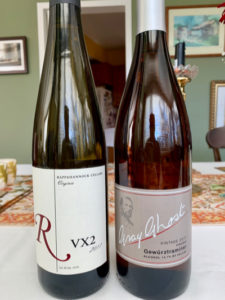
Wintry mixes, gale force winds, and wild temperatures have not deterred us from hitting the wine trails in 2018. In recent weekends, we visited Tarara Winery, Gray Ghost Vineyards, and Rappahanock Cellars; along the way, we met up with fellow bloggers Kurt and Carol of Wine About Virginia and supreme oenophile/good friend Susan McHenry.

Our trip to Tarara Winery was threatened by a winter advisory that was issued for later in the afternoon. However, we decided to go with the intent to get their early and then leave early before the winter weather arrived. Danielle, our wine educator, gave us an expert tasting of winemaker Jordan Harris’ excellent wines. Of the white wines, the 2015 Viognier and the 2013 Neveah White were my favorites. The Viognier presented floral aromas with notes of tropical fruit and honey. On the palate, I noted tropical fruit with a nice, round mouth feel. The Neveah White is a blend of Chardonnay and Viognier; it displayed ripe pear and pineapple characteristics with a touch of oak on the finish. Favorite red wines included the 2015 Long Bomb 9, a red blend led by Cabernet Sauvignon followed by Merlot, Syrah and Tannat. Notes of tobacco, clover, blackberry and anise gave way to a fruity palate with pepper on the finish; it was also a bit “chewy”. I’d recommend decanting before serving. The 2012 Neveah Red was a juicy treat with elements of blackberry, currants, tobacco and cedar. Oh—-the wintry mix? In keeping with the fickle winter that has been 2018, it never materialized.

However, our winter hurricane did strike the area, and many wineries were closed due to power outages. Gray Ghost Vineyards was able to operate thanks to a generator, so we were able to attend their annual barrel tasting. Here we met bloggers Kurt and Carol Jensen and dear friend Susan McHenry. Group favorites were the 2016 Petit Verdot and the 2016 Cabernet Sauvignon. I was also a fan of the lighter-bodied and fruity 2017 Cabernet Franc that was still in the barrel but oh so ready to enjoy. From Gray Ghost Vineyards we made our way to Rappahanock Cellars. Rappahanock Cellars has added sparkling wines to their lineup of quality wines, and I enjoyed the Sparkling Rose with its strawberry flavors and bright acidity. The dry Rose Reserve and the 2015 Cabernet Franc were other standouts; however, at the end of our tasting, the group was in the mood for Chardonnay, and the 2015 Chardonnay did not disappoint. Pear flavors with a rich mouth feel and an oak kiss paired well with the platter of cheeses that we ordered to finish the wonderful (and less windy) afternoon.

Spring is around the corner, and the finicky winter of 2018 will be history. Plan to visit these wineries as we transition to warmer days and spring landscapes colored with fragrant blossoms. Of course, mention that Virginia Wine Time sent you.

King Family 2014 Meritage Wins Governor’s Cup

Congratulations to outstanding winemaker, Matthieu Finot, for winning the Virginia Governor’s Cup. It was Finot’s 2014 Meritage that earned the coveted Cup!

We are fortunate to already have a bottle of the big winner on our wine rack, and we intend to hold on to it for a while longer. Merlot leads the way with this blend (50%) followed by Petit Verdot (23%), Cabernet Franc (21%), and Malbec (6%).

Be sure to visit King Family Vineyards to experience this top of the class red blend for yourself, and please mention that Virginia Wine Time sent you!
3 For 3

Time flies when you are having a blast with your best friend who also happens to be your spouse. That is the only way that I can describe the past three years with my best friend and husband, Paul. Well, to be completely honest, it has been 13 years since we have been friends and partners; however, three years ago we decided to marry on the exact date of our first date. That occurred on February 20, 2005 when a reluctant Paul agreed to a date with me to view art exhibits at the National Gallery of Art. Later that evening, we had charcuterie and cheeses with a bottle of red wine—-a Merlot from Gray Ghost Vineyards to be exact. This year is our third wedding anniversary and we thought it appropriate to celebrate with a Virginia red wine aptly named 3.

3 was a joint venture of three highly regarded Virginia wineries that included King Family Vineyards, Veritas Vineyards, and Grace Estate. The 2010 vintage was our last bottle of this joint effort. Virginia wine aficionados may remember that the 2010 growing season resembled Napa more so than Virginia. The summer was hot and dry, and drought was the word being bandied about by weathermen at the time. Virginia red wines from this vintage tend to be fuller bodied but higher in alcohol; in fact, we have opened very few Virginia red wines from the 2010 vintage. However, 3 struck us as appropriate for the occasion, and we were not disappointed with our decision to open it. I plopped an aerating device atop the bottle and then poured it into the decanter about an hour before dinner; we gave 3 a lot of time to breathe. Dinner included filet mignon served beside potatoes au gratin and roasted asparagus.

So what were our impressions? We poured 3 from the decanter into Bordeaux glasses (ok—-we were trying to be pretentious), and I noted aromas of blackberry, menthol and cedar. Generous blackberry jam greeted the palate with a bit of blueberry noted at mid-palate. A nice, lengthy finish complemented our meal. Our only regret was that this was the last bottle of 3 in our collection. Note to readers who still have 3 on the wine rack—-this is still aging well, so hang on to it for a bit longer if you wish.

We enjoyed celebrating three years of marriage with 3. It gave us the chance to visit memory lane to recall our time together. Virginia wines have always been a special part of our lives together. We hope that readers can recall similar special moments. Visit these three excellent wineries, and mention that Virginia Wine Time sent you.

Traditions Continue – Breaux Vineyards Vertical Tasting

Our last post featured a tradition of beginning each new year with a visit to Delaplane Vineyards, and we continued another one this past weekend. Paul and I have attended the vertical Cabernet tasting at Breaux Vineyards for the past several years, and also tends to be the first wine event that we attend. This year’s vertical featured Cabernet Sauvignon from the driest growing season which was 2007 to the wettest, 2014. Exquisite food pairings with the vintage Cabernets made for a delicious afternoon.

The event was held in the grand Acadia room with its scenic views of the vineyards. We were greeted with a glass of the 2016 Vieux Carre, an orange wine crafted from Viognier. Lookout for orange wines in Virginia; this is the second orange wine that we have experienced from Virginia. Both were produced from the Viognier grape with the orange tint due to extended soaking on the skins. Expect a tannic presence on the palate. It paired quite well with the amuse bouche, a scrod cake topped with garlic tarragon aioli.

Cabernet Sauvignon was the featured star, and six vintages were presented for review. These included the 2007, 2008, 2010, 2012, 2013, and 2014. An added twist was that these Cabernets were the result of three different winemaking talents: Dave Collins, David Pagan Castano, and Heather Munden. Current winemaker Josh Gerard introduced the profiles to each wine and its respective vintage. So which vintage shined the brightest? In the end, it depended on the food pairing. My overall favorite was the 2012. It proved to be the most versatile; although it was paired with the second course, salmon topped with raw sugar and mustard salmon served atop white bean pepper ragout, it also played nicely with the third course, a tornedeau of beef over apple chestnut gnudi and apple cider vinegar. So we should pair chicken with white wine? Think again. The first course featured chicken thighs braised in peanut sauce. The 2012 played quite nicely with this dish too.

First Course

Second Course

Third Course

The 2007 as elder statesman was not to be ignored. It sang the right notes for its age—-soft cedar, sweet tobacco, and raising-like fruit. Quite nice on its own, it also paired well with the chicken course; however, the more savory 2008 vintage gave its older sibling a run for its money with this food pairing. The peanut sauce brought forward the ripe berry elements. The youngest kid on the block, the 2014, was produced from what was the wettest year of the vintages served; however, the rains came and went at the right time. Harvest time was dry and the fruit ripened right on cue to produce a more structured wine with dark berry aromas, cedar notes, and firmer tannins. This was most enjoyable with the beef course. Buy now but drink later; decant if you are not that patient.

I was not surprised that the 2007 was at its apex; it was a dry year with little rainfall and dry conditions to harvest time. The 2010 growing season was indeed even hotter; for that reason, the red wines from this vintage still need time on the wine rack. I find them to be a bit tight still. Tasting the 2010 Cabernet Sauvignon in this lineup from Breaux Vineyards reinforced my hunch—-I enjoyed it with the salmon, a fattier dish that absorbed the higher alcohol and propelled forward the dark fruit elements of the wine. However, it is a gem that needs time to evolve further.

Some traditions are worth continuing, and this is certainly one of them. It is remarkable to us that we can discuss vintages in Virginia and decide whether to drink or hold. As we begin our 13th year as bloggers, we can attest that the quality Virginia wines can be found at those wineries that devote the time and effort into creating quality wines. Breaux Vineyards is one of those wineries. Please visit Breaux Vineyards to discover your own favorites, and be sure to mention that Virginia Wine Time sent you!