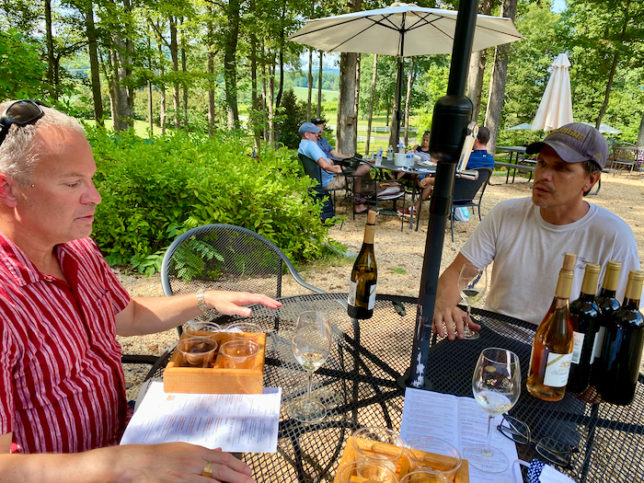
We braved a recent chilly weekend to join wine friends for wine tasting and lunch at Stone Tower Winery and Fleetwood Farms Winery. Read on to learn more about our experiences.
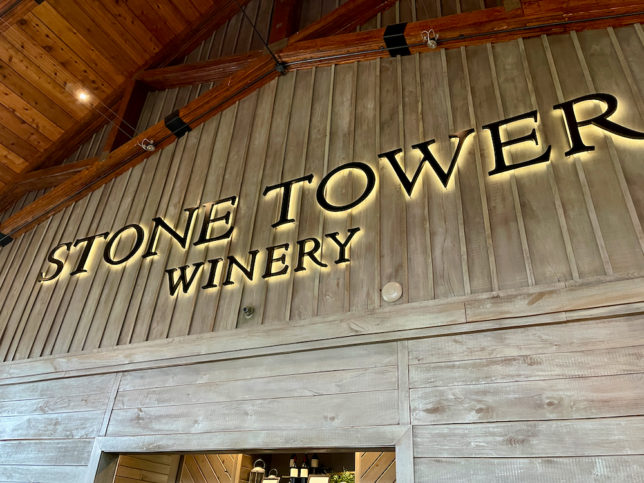
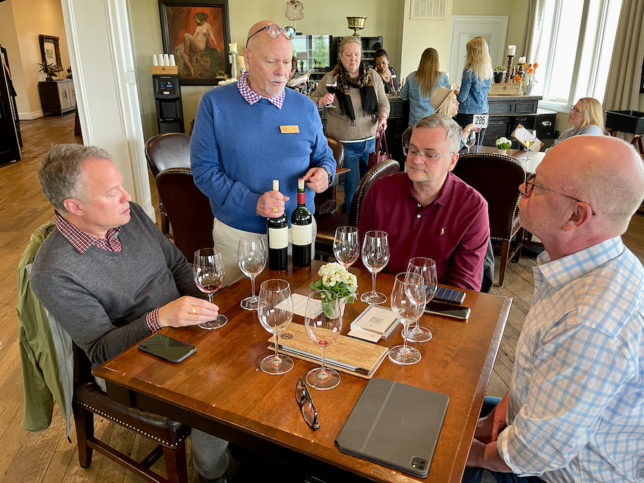
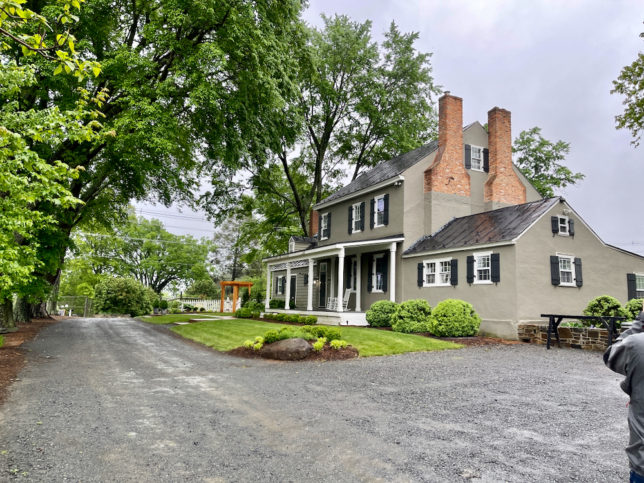
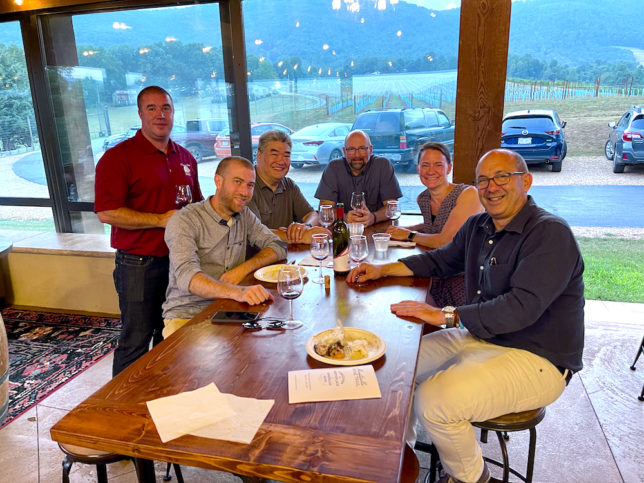
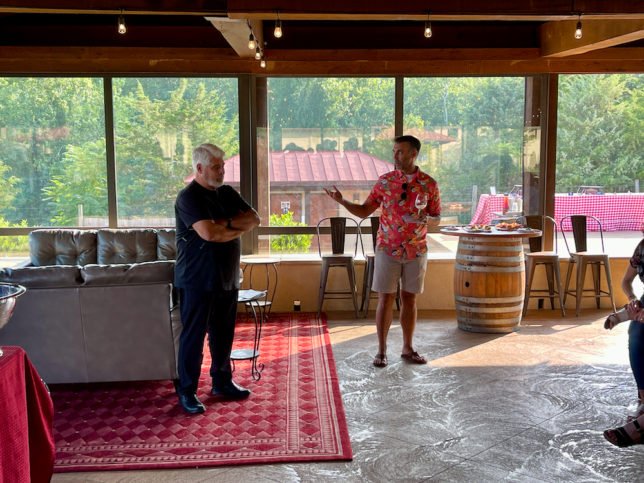
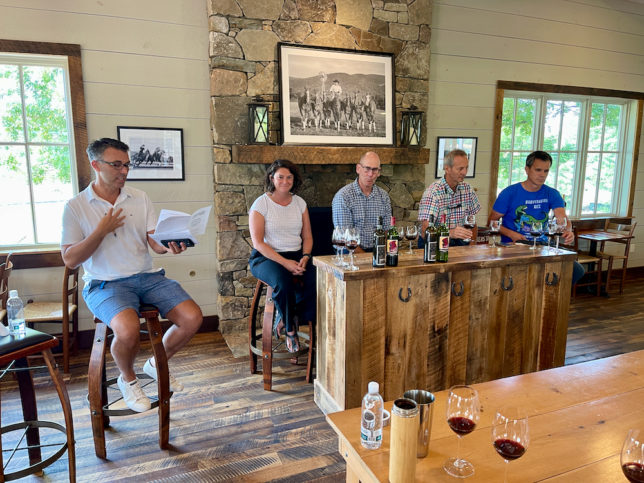
Our first stop at Stone Tower Winery required us to brave pelting rain drops and gusty winds. It did not seem like a spring afternoon despite what the calendar told us, and we were fooled into thinking that it was early May. However, our tasting at Stone Tower Winery was worth braving the elements. Our wine friends are members at Stone Tower, and we were treated to an estate wine tasting experience that was expertly guided by the sharp-witted Joe. Of course, white wines were tasted first, and the 2019 Chardonnays hit all the right notes. The 2019 Chardonnay Reserve presented notes of wet stone and fresh pear; its acidity made for an elegant wine that would pair well with poultry or seafood dishes. The 2019 Kristi Chardonnay was crafted from a designated lots on the vineyard site and is named after founder Kristi Huber. Thirty percent of the Kristi Chardonnay is done in concrete eggs to allow for micro-oxygenation of the wine without the impact on its flavors and aromas that would be expected from an oak barrel. The result is a fuller bodied wine that is better able to express terroir.
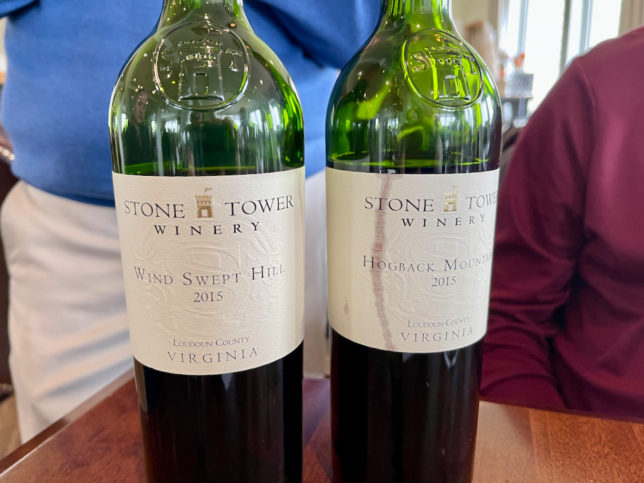
We transitioned to red wines, and Joe treated us to a comparative tasting of the 2015 Hogback Mountain and the 2015 Wind Swept Hill; the former is a left bank Bordeaux-style blend with Cabernet Sauvignon taking the lead, and the latter is a right bank blend spearheaded by Merlot. The 2015 Hogback has transitioned to more savory elements associated with an aging red, so collectors with this one on the wine rack may want to consider drinking it soon. However, its right bank sibling still held on top its fruitier profile to suggest further aging potential. The 2019 Cabernet Franc was also excellent with dark berry notes and a juicy palate. Our tasting experience ended with the 2021 Rose that was crafted from all Merlot grapes. Bright strawberry notes and a fruity yet dry palate made for a versatile wine that plays well in all seasons.
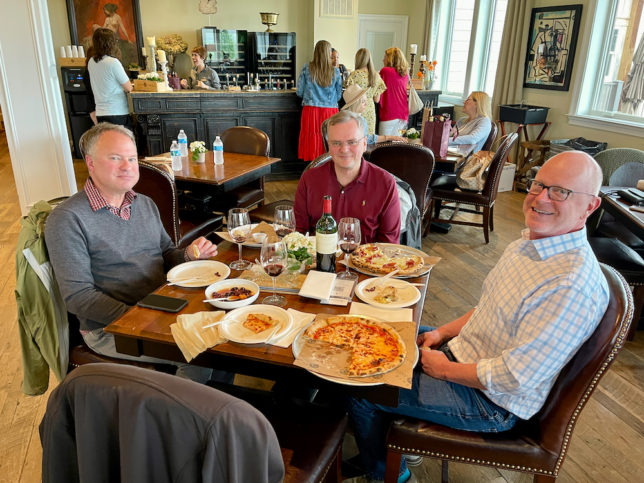
We lunched on handmade pizzas, olives and cheeses while sipping a bottle of the 2019 Hogback Mountain. The comfy members tasting room allowed us to enjoy our food and wine experience as the weather continued its tantrum!
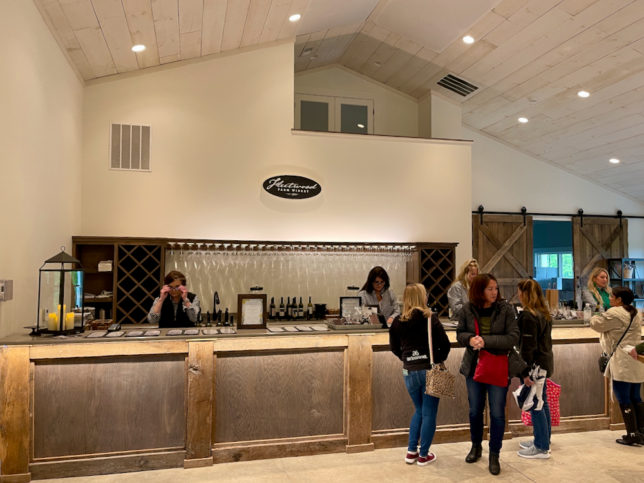
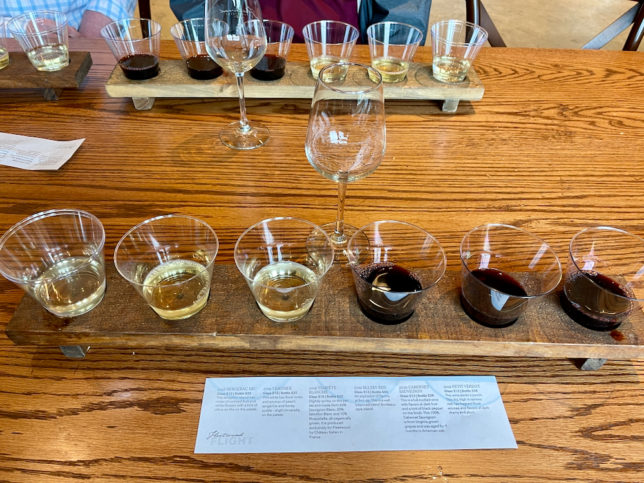
A subsequent tasting at Fleetwood Farm Winery signaled an upcoming milestone for Virginia Wine Time—-it was winery number 199 on our list of Virginia wineries visited. The 2019 Tempete Blanche, a blend of Sauvignon Blanc, Semillion, and Muscadelle grown by Chateau Kalian in France, should prove to be popular in the summer with its fresh floral aromas and refreshing palate. Tasters looking for an easy summer sipper to pair with grilled fare should be please with the fruity 2019 Ellzey Red, a juicy blend that fills the palate with fresh berry flavors. Virginia wine aficionados may recognize the mention of Chateau Kalian—-it is the home of co-winemaker at Fleetwood Farms, Katell Griaud. Katell is also the winemaker of Slater Run Vineyards. It is she, along with Ashton Lew, who craft the wines at Fleetwood Farm Winery.
We look forward to winery number 200, wherever it may be. Summer warmth seems to be upon us now, so we are certain that our goal will be met sooner rather than later. In the meantime, visit the Virginia wineries mentioned in this post; of course, please mention that Virginia Wine Time sent you!
Winter is slowly losing its seasonal grip as spring flowers begin to bloom in the area. We recently treated ourselves to a long weekend visiting Virginia wineries while taking in the beauty of spring flora!
Our scenic trek through Virginia landscapes allowed us to take in lovely cherry trees, blooming Bradford pears (not my favorite but they do herald spring in their own way), and dazzling bulbs that included daffodils. We brought along sliced deli meats and cheeses to enjoy a tasting and lunch at Gray Ghost Vineyards, a favorite winery of ours. The newly released 2021 Riesling announced spring in all its glory—aromas of white blossoms were followed by stone fruit flavors on the palate suggested a perfect pairing with ham or shellfish. We opted to enjoy lunch with my favorite 2018 Reserve Chardonnay with its pear notes and fuller mouth feel. A warm breeze and fluttering birds joined us for wine and snacks.
Quievremont Vineyard and Winery was next on our tasting agenda, and we were glad that we included this winery on our weekend trip. It had been quite a while since our last tasting at Quievremont Vineyard and Winery, and winemaker Karl Selzer treated us to a wonderful tasting experience. The 2019 Q Table Red reminded us that we needed a lighter-bodied red wine on the rack that can be enjoyed either on its own or with simple fare. This blend included Petit Verdot, Cabernet Sauvignon, Cabernet Franc and Merlot, but light aging in neutral oak barrels made for a fruity quaffer. The 2019 Vin de Maison was more complex, and this blend included Merlot, Petit Verdot, Cabernet Sauvignon and Malbec. Aged for a year in both American and French oak barrels, this one exhibited notes of dark cherry, blackberry, and plums. Oakier nuances suggested a pairing with a beef dish sided with roasted veggies. Watch out for a release of a 2021 Cabernet Sauvignon; although quite young, it presented blackberry and cherry notes along with a whiff of licorice. Aged in 100% French oak barrels, we look forward to tasting this one again once it is released. Our outdoor tasting allowed us to take in mountain views decorated with trees waiting to burst with a splash of fresh green leaves as temperatures warm.
We always look forward to dinner at Claires at the Depot whenever we stay in Warrenton, and we nursed a glass of the 2018 Reserve Chardonnay from Gray Ghost Vineyards while gazing upon a sunset layered with tones of pink, periwinkle and cobalt.
Our final winery tasting included a self-guided flight at Pearmund Cellars. My favorite is always the Old Vines Chardonnay, and the 2017 vintage did not disappoint me. I enjoyed the lush aromas of grilled pineapple and pear, and its rich palate finished with a generous kiss of oak. Our outdoor tasting proved to be a chillier experience since the sun decided to take a nap that day; however, a sturdier breeze toyed with wind chimes to provide music for our tasting experience.
We encourage readers to plan their own spring outing to these and other Virginia wineries. Of course, please mention that Virginia Wine Time sent you.
We continued to celebrate reunions and meetings with friends and family throughout the summer of 2021. As we look forward to the golden leaves of autumn, I thought it would be appropriate to recall our fun times with family and friends during this past summer. Of course, Virginia wineries were our gathering places!
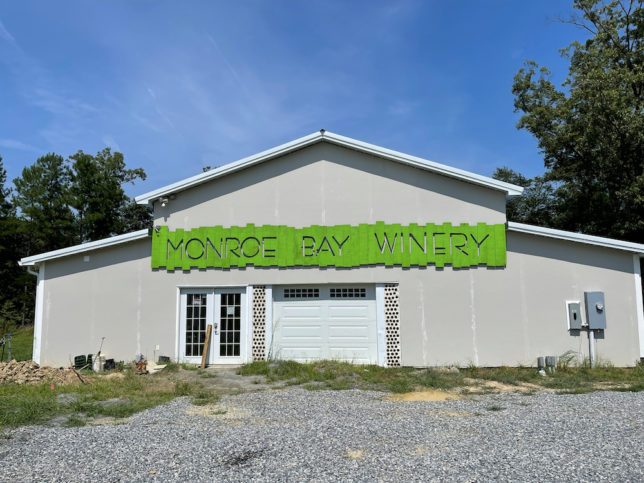
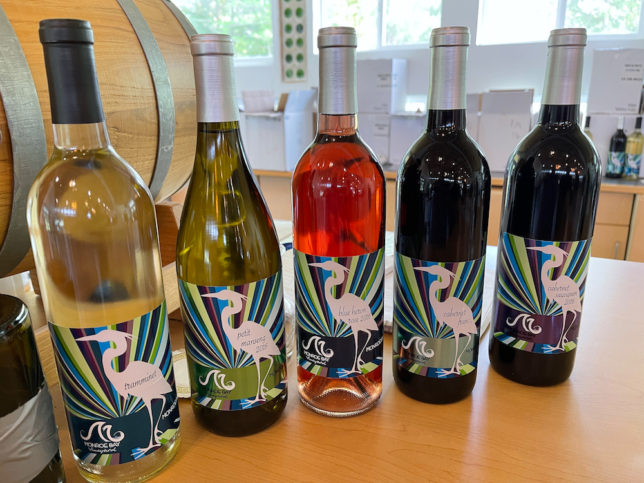
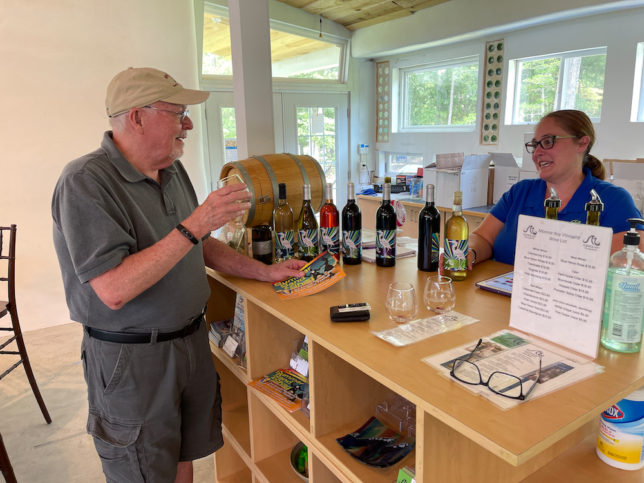
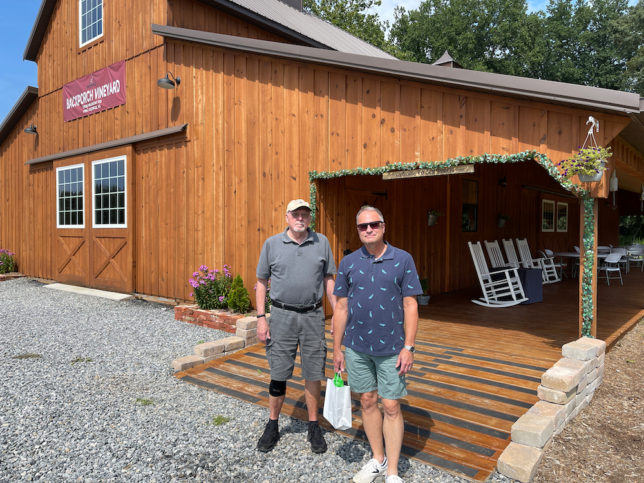
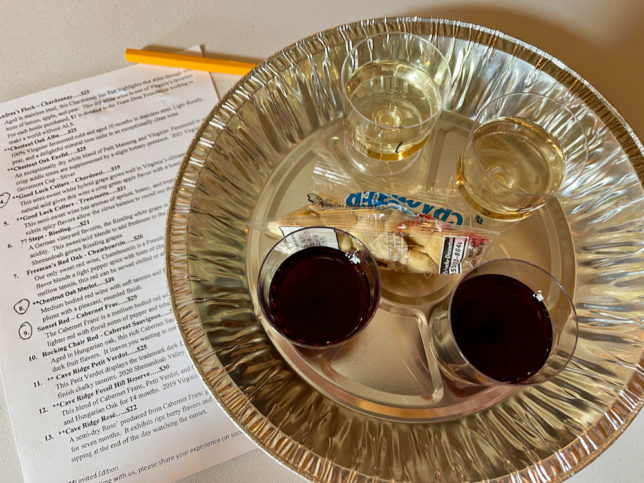
Paul and I were excited to catch up with our friend Bob who lives on the Northern Neck of Virginia. Bob introduced us to two new wineries in that area, and we were able to add two new wineries to our growing list of wineries that we visited. These included Monroe Bay Winery and Backporch Vineyard. In addition to tastings at those wineries, Paul and I were also able to sneak in a tasting at Ingleside Vineyards and The Hague Winery.
Monroe Bay Winery
Backporch Vineyard
Ingleside Vineyards
The Hague Winery
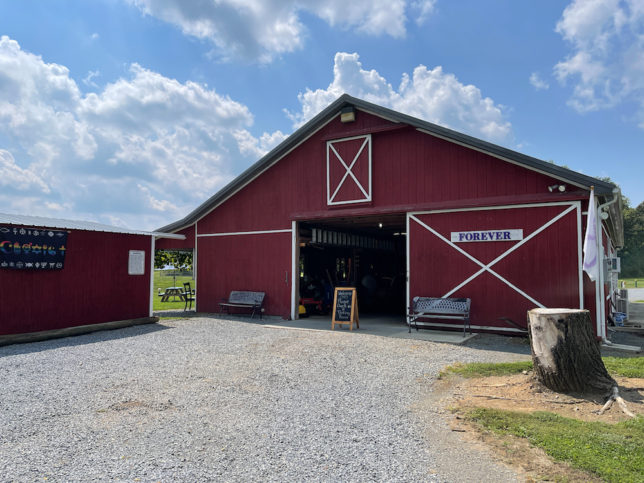
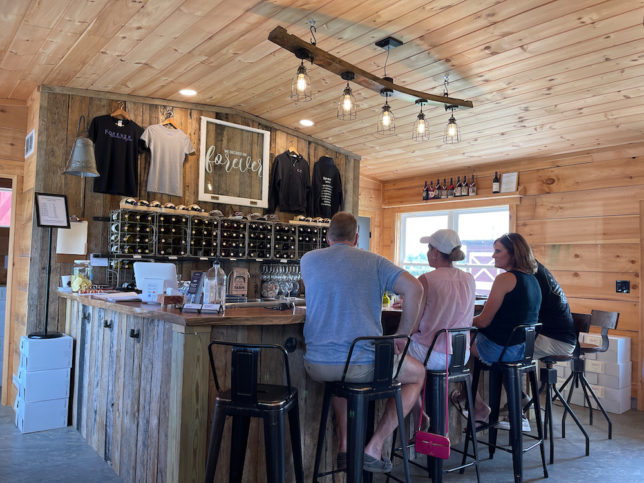
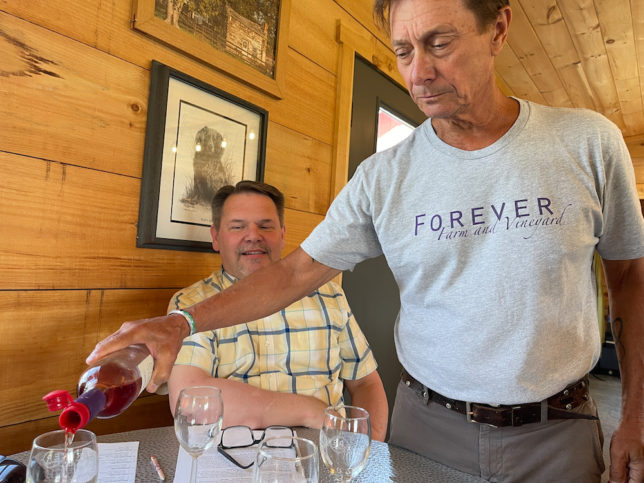
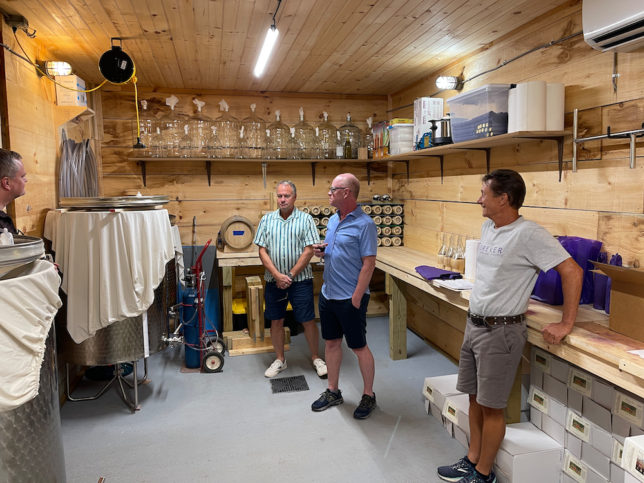
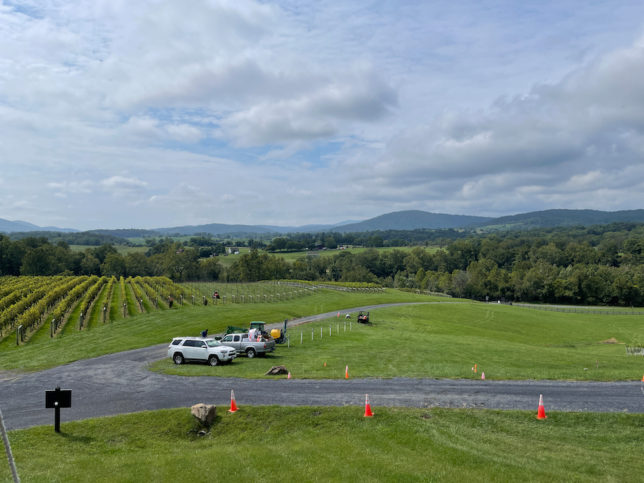
Williams Gap Vineyard has quickly become a favorite winery of ours, and we scheduled a tasting that introduced our friends Steve and Joe to their well crafted wines. Bridgette Smith skillfully guided us through our tasting as we nibbled on charcuterie and cheeses. In turn, Steve and Joe invited us to join them at a tasting of one of their recent favorite wineries, Forever Farm and Vineyard. This was also a new winery visit for us, and we enjoyed our tasting with live music!
Williams Gap
Forever Farm and Vineyard
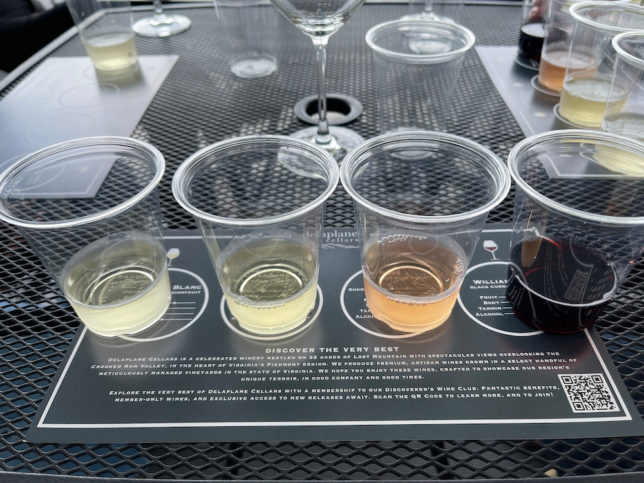
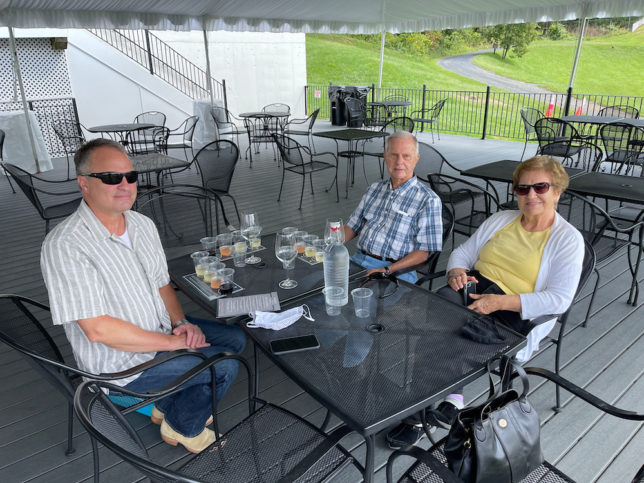
My parents were able to escape the chaos of Hurricane Ida after she blew through New Orleans, and a trip to Delaplane Cellars offered the perfect opportunity to view lovely mountain scenery as we tasted some excellent wines. We also used the occasion to toast their 61st wedding anniversary! We finished our afternoon of wine tasting with a visit to Barrel Oak where we were treated to a sample of their current lineup of wines and their excellent dessert wine.
Delaplane Cellars
Barrel Oak
Now we look forward to seeing the gold and crimson colors of fall leaves as they decorate the autumn skies. We know that we will include Virginia wineries in our afternoon excursions to appreciate the gorgeous season. Please decorate your fall wine collection with visits to the wineries mentioned in this post, after all October is Virginia Wine month! Be sure to mention that Virginia Wine Time sent you!
Wine enthusiasts may associate vertical tastings with red wines due to the perception that red wines are more age worthy. However, the Chardonnay is one white wine variety that can also lend itself to cellaring and then appreciating later on. Granite Heights Winery offered a master class on this subject recently, and we can report that Chardonnay can indeed reveal its wisdom over time.
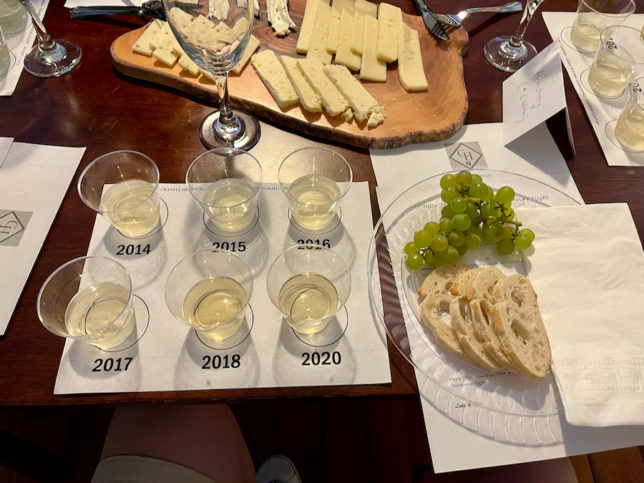
The vertical tasting of Chardonnays featured vintages from 2014 through 2020 with the exception of 2019. Winemaker Luke Kilyk kicked off the tasting with a brief history of his experience with the Chardonnay grape and admitted that 2014 was his year to learn; therefore, he opted to retain 2% residual sugar to produce a wine that was pleasing to all palates. However, experience taught him that Chardonnay can be elegant and expressive in regard to place and vintage. The 2014 vintage, therefore, offered a drier palate with a refreshing acidity and bright apple notes. The 2017 vintage can be described as Burgundian with more finesse than its older siblings while the 2018, a wetter growing season, was treated to more oak to present a rounder, fuller-bodied mouth feel. The profile with this one was dominated by pear and pineapple notes with a generous oak kiss at the finish. The 2020 offering, though young, promises to continue in the same vein as its more immediate predecessors with perhaps a greater similarity to the 2017 vintage.
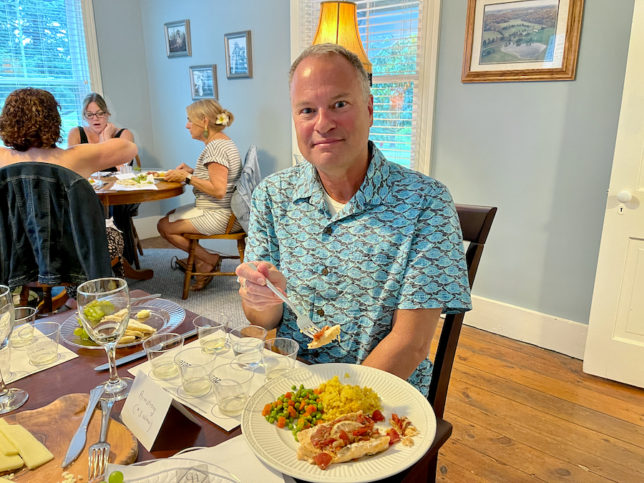
We attended this event with friends who are also Virginia wine lovers, and we paired our vertical flight with the salmon dinner. A vote among the gang of four left me in the minority on which vintage was the favorite—-three of us gave top honors to the lovely 2017 vintage while I, forever beholden to oak, favored 2018. Salmon is a fish that offers flavor and weight, and the 2018 paired most favorably for me. My second choice was—-2017. We all appreciated Luke’s journey as a winemaker; although 2014 was the sweetest of the vintages poured that evening, it did allow us to understand the process of a winemaker discovering his talent. We also enjoyed it with the salmon—-never knock sweeter wines with a fuller-bodied dish or something that is heavily spiced.
I’ve been screaming Yay for Chardonnay even when others were cheering Yay for Viognier. I’ll take the Chardonnay any day! Please visit Granite Heights Winery to taste their excellent wines, especially the Chardonnay. Of course, you must mention that Virginia Wine Time sent you!
Paul and I were honored to be included in the Media & Industry Experience, an event planned by Frank Morgan and Nancy Bauer, to showcase wines produced in the Monticello area. The event happened to coincide with a vacation that we had already planned to the area, so our next posts will also feature our own winery experiences.
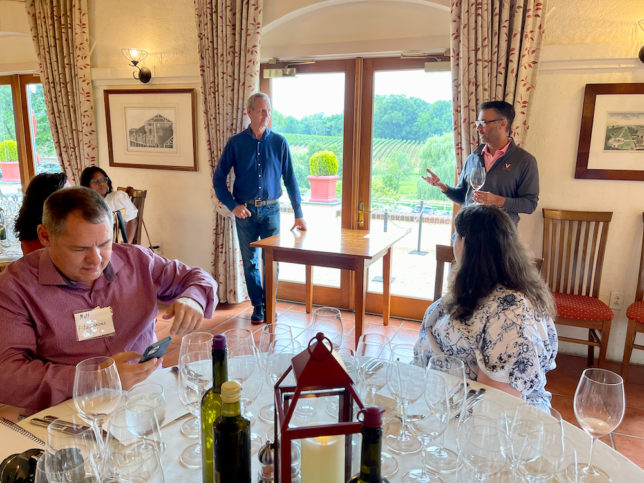
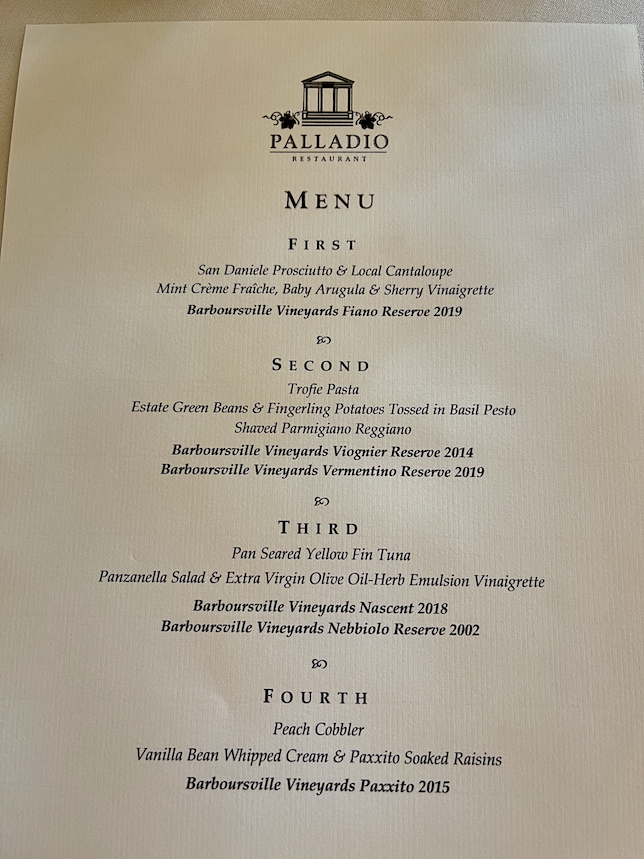
The event opened on August 1 with a lunch prepared by chef Michael Clough of Palladio restaurant located on the Barboursville estate. Attendees were treated to a an exquisite food and wine pairing that included:
Barboursville’s winemaker, Luca Paschina, provided a summary of his history in the Virginia winemaking industry with an emphasis on his own evolution as a winemaker in a state that can challenge even the most skilled winemaker. Readers may know that Paschina is from Italy and began his work with the Zonin family over 30 years ago. For Paschina, his task in the 1990s was to discover through trial and error what grape varieties grew best in Virginia and then how to craft the grapes to present wines that expressed a sense of place. In that time, Paschina has experimented successfully not only with grapes known to show well in Virginia such as Cabernet France but also Italian grapes such as Nebbiolo, Vermentino, Fiano, and Falanghina. One example of success was the 2018 Nascent, a blend of Viognier, Vermentino, and Falanghina that presented a fuller, expressive palate with elements of white flowers, tropical fruit and citrus to pair nicely with the main entree, a grilled tuna served atop panzanella salad.
We were then given a brief but informative vineyard tour after lunch by Luca. It was evident to us that the 2021 growing season has been excellent due to ideal summer weather conditions.
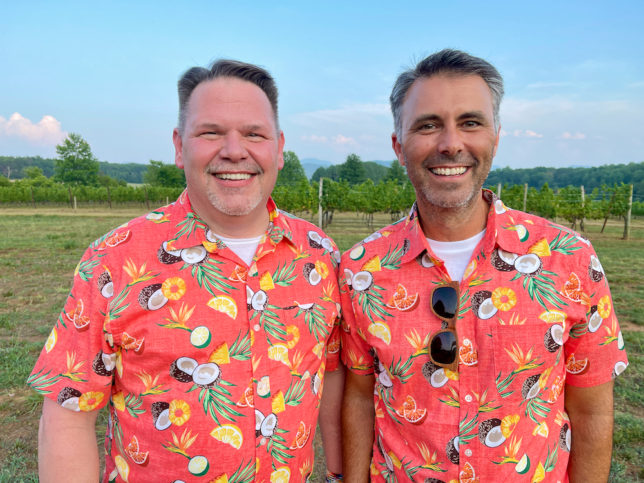
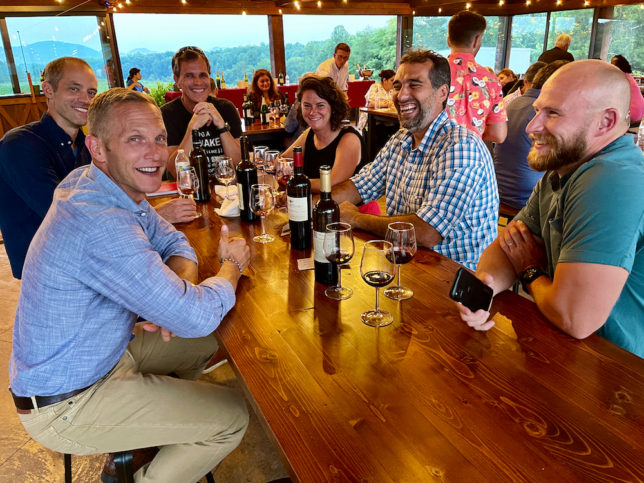
A wine tasting and barbecue dinner was the evening’s event and it was hosted by Afton Mountain Vineyards. How odd that both Paul and Frank Morgan wore the same Hawaiin shirts for the festive occasion. Was this a coincidence? As they marveled at the coordinated fashion statements made by these two, attendees were able to sample wines from:
Craig Hartman of The Barbecue Exchange provided pulled pork and chicken with an array of sauce options.
The Media & Industry Experience concluded on August 2 with a series of seminars on Virginia wines that included Petit Manseng, Cabernet France, and “others”. We were able to attend the session conducted by Frank Morgan that featured Cabernet Franc. Winemakers Kirsty Harmon, Tim Gorman, Luca Paschina, and Stephen Barnard were on hand to educate attendees and to answer their questions. They each also provided pours of their own Cabernet Francs, and these ranged from lighter-style productions more common from the Chinon region of France to fuller-bodied styles. The panel agreed that Cabernet Franc best expressed Virginia as a wine region. All agreed that vineyard management and making critical decisions regarding harvest time were key to making excellent Cabernet Franc. This seminar was followed by a lunch hosted by King Family Vineyards and prepared by chef Laura Fanner.
Nancy Bauer moderated the final seminar of the day and featured second labels and “side hustles” of Virginia winemakers who, in addition to crafting wines for established wineries also produce wines under their own personal labels. These winemakers included Jake Busching (Jake B Wines), Caitlin Horton (Gears & Lace), Matthieu Finot (Domaine Finot), and Tim Rausse (Vino Dal Bosco).
Paul and I learned so much from the Media & Industry Experience, and the key take away was that Virginia continues to evolve as a wine region of note because excellent winemakers understand what it takes to create Virginia wines that express a sense of place. Please visit the wineries on the Monticello Wine Trail, and mention that Virginia Wine Time sent you!
Paul and I attended the soft opening of Firefly Cellars this past weekend. Readers may know that Firefly Cellars was once Hunter’s Run Winery. However, ownership of the property now belongs to Pete and Patty Pierleonardi and their children, Zach and Andrea Zaidi. The family has considerable business experience as owners of Pest Management Service, Inc., and now bring their expertise to Firefly Cellars.
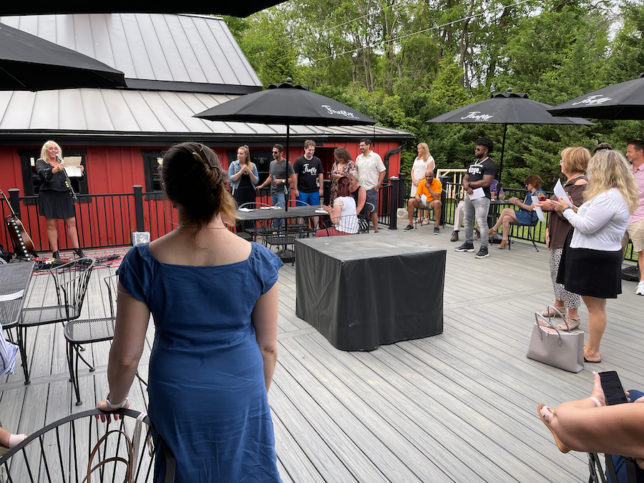
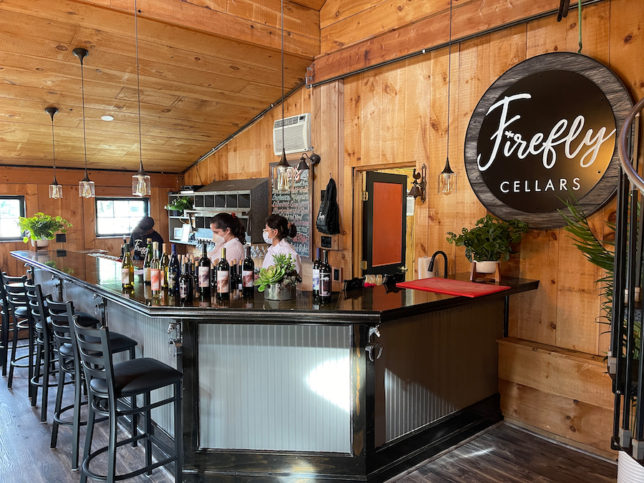
Guests of the event were greeted warmly by the Pierleonardi family in the tasting room, and glasses of the Blanc de Blanc made from white chambourcin grapes were on hand to toast the occasion. The tasting room itself has been completely renovated and captures a rural chic theme.
Live entertainment provided relief from the haunting shrieks from Brood X cicadas, and an impressive menu of food expertly paired with each of the Firefly Cellars’ eleven wines. My favorites included the white blend Illumination paired with spinach and fontina stuffed cremini mushrooms, the fruity 2020 Chardonnay paired with the Virginia scallops and pork belly, and the Petit Verdot paired with the prime beef skewers dipped in blue cheese fondue.
Firefly Cellars also offers airbnb accommodations; in fact, newly weds were the first guests of the airbnb and present at the pre opening event. A swimming pool sweetens the pot for those who are looking for a getaway complete with refreshing swim to finish the day. For those who either opt to stay at the airbnb or wish to stop by Firefly Cellars for a tasting, a private tasting experience can be enjoyed in The Cellar, a European-style wine cellar that is kept at 55 degrees.
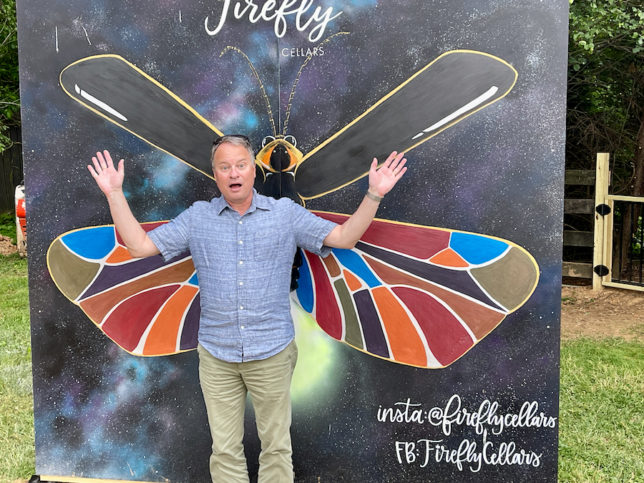
I admit to getting excited when I see fireflies light up the summer sky, and I could not help myself from posing in front of the Firefly Cellars’ sign.
We will be certain to return to Firefly Cellars to stay updated on new releases. However, readers may want to enjoy the current lineup of wines sooner rather than later so plan to visit once the winery opens this weekend. Remember to mention that Virginia Wine Time sent you!
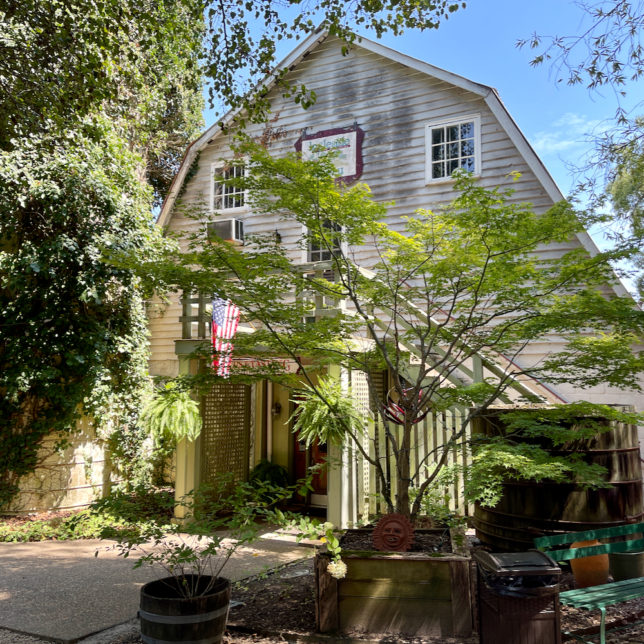
It does appear that there is a rainbow on the horizon after the Covid storm disrupted our lives. The resulting isolation and then socializing within bubbles may be bursting as vaccines make us all less wary of resuming our pre-Covid lives. Paul and I are now reconnecting with friends who have been seen either through computer screens or messaged via chats. It was therefore a welcome relief to meet up with our friend Erica Johansson, who is also a Virginia wine aficionado. This also gave us the opportunity to reconnect with the Virginia wine trails to discover new (to us in some cases) wineries, and this was the case with a visit to Williams Gap Vineyard.
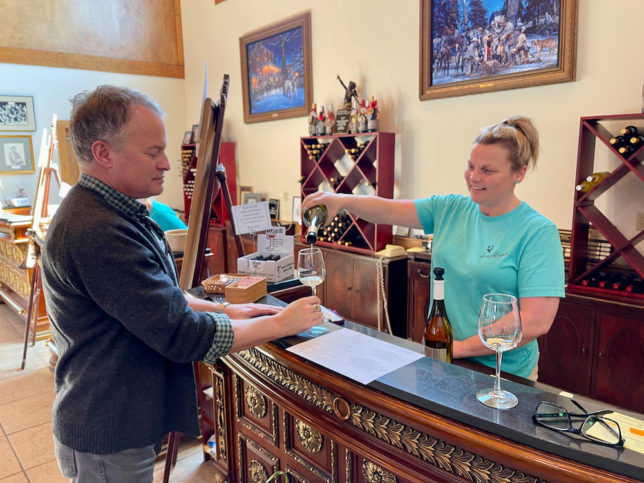
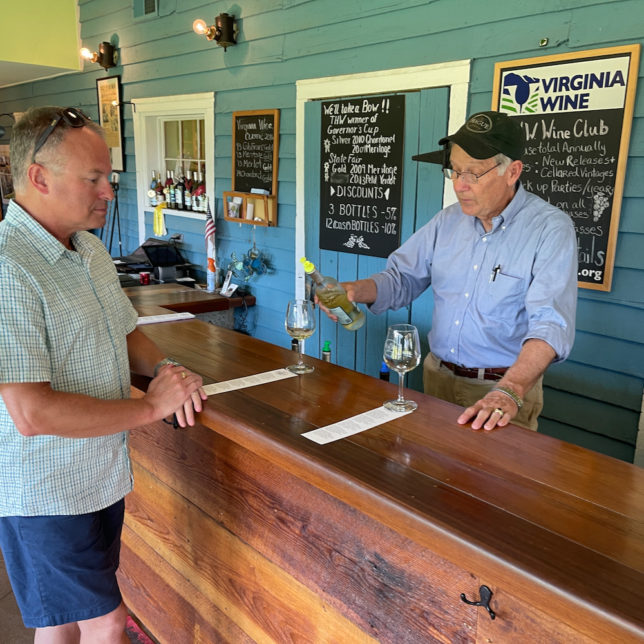
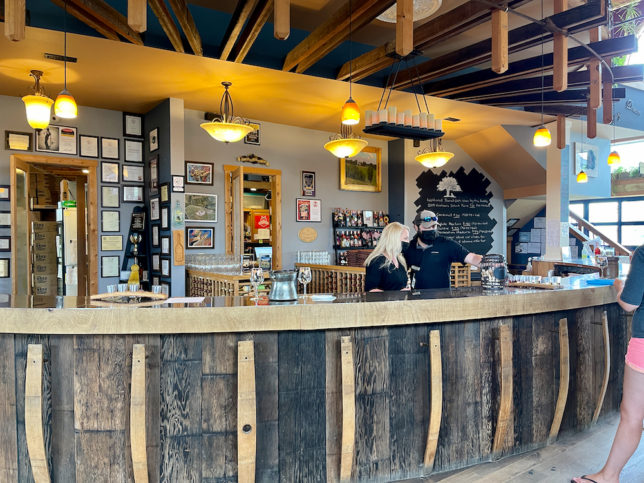
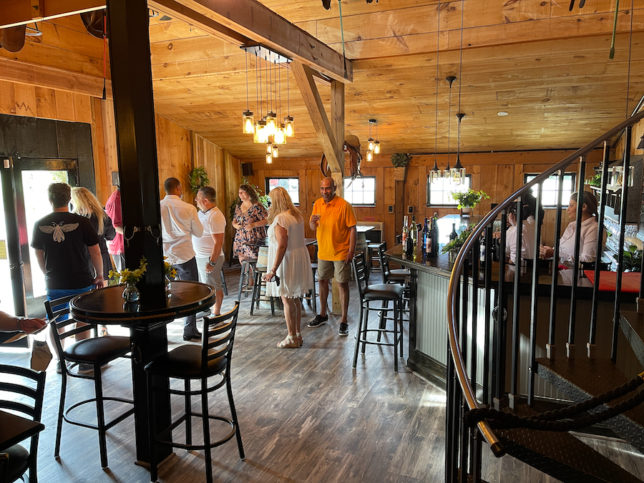
Readers may want to be aware that many wineries are still by reservations only; however, that was not the case with Williams Gap Vineyard. The two-story tasting room is rustic yet well-appointed, and tastings can be customized to include service from a tasting educator for $20 per person. We selected this option and was expertly guided by Ken, a familiar face in the wine tasting community. Ken has been a wine educator at other Virginia wineries, and he has an extensive knowledge of Virginia wines and the varieties that can thrive in the state. The three of us knew that we were in good hands.
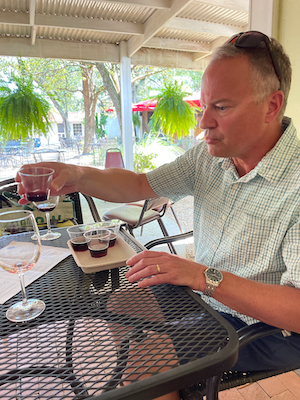
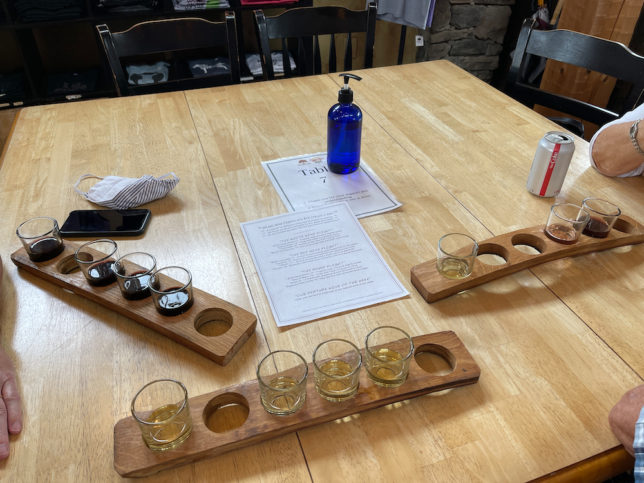
Six wines were available for tasting, and I will say that all were well-crafted. All wines were from the excellent 2019 vintage, and all grapes that produced the wine were estate grown. The Vidal Blanc may surprise some tasters who are more familiar with sweeter productions of this variety—-this one is bone dry and delightful. Lemon zest and a refreshing mineral note made for a refreshing yet elegant wine that will be perfect for summer salads and light cheeses. The White Blend, a mix of 75% Petit Manseng and 25% Vidal Blanc presented notes of chamomile and stone fruit with a rich, fruity palate. The weightier Petit Manseng was all tropical notes with an excellent balance between sugar and acidity.
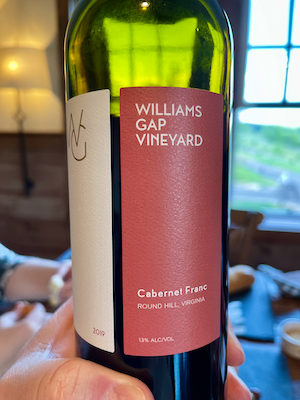
The tasting transitioned to the red wines, and Ken started us off with the accessible Cabernet Franc. Lovely notes of raspberry, strawberry and spice played well on the palate, and a hint of chocolate added a bit of complexity. If anyone wonders what red wines are appropriate for summer, this Cabernet Franc would be one excellent example. Grilled fare or picnics with charcuterie present menu options, but be prepared to enjoy this one on its own. The Merlot was a bit more jammy with dense cherry and raspberry flavors. Expect a fruity entry and a surprisingly tannic presence in the mouth. It’s never too early to look forward to autumn menus and heartier fare, and the most complex Red Blend should be on the wine rack for cooler seasons. The blend is dominated by Cabernet Sauvignon with Cabernet France and Merlot as sidekicks. Dense plum and currants prevailed on the nose and palate along with a whiff of dried herbs. Tannins are a bit young here so don’t be afraid to let this one age for a bit; however, decant and drink now if you prefer.
As we tasted through our flight of wines, Ken filled us in on Williams Gap story. Virginia wine lovers may recognize the Williams Gap designation from the red blends poured at Delaplane Cellars. Those grapes do indeed come from the Williams Gap Vineyard. Owner Jack Sexton planted the vineyard on the Williams Gap site in 2006 and sold the grapes to area wineries including Delaplane Cellars. Sexton decided that Williams Gap would pursue its own rather recently, and 36 of the 200 acres of Williams Gap property is currently planted with vines. Additional plantings of Chardonnay and Sauvignon Blanc will result in another 14 acres of vines planted. Current case production is 1300, and wine production takes place under the skilled direction of Rob Cox at Paradise Springs. Expect to see a Rosé to be released in June. The tasting room has been open since the end of April.
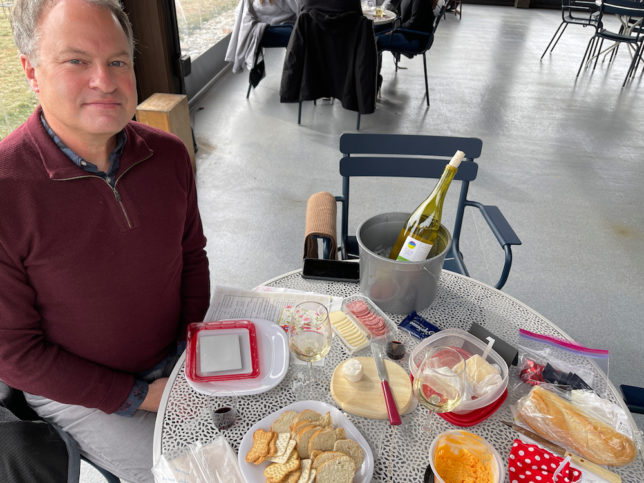
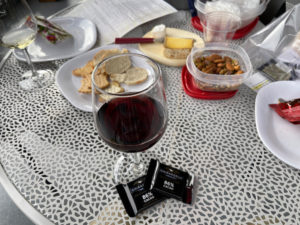
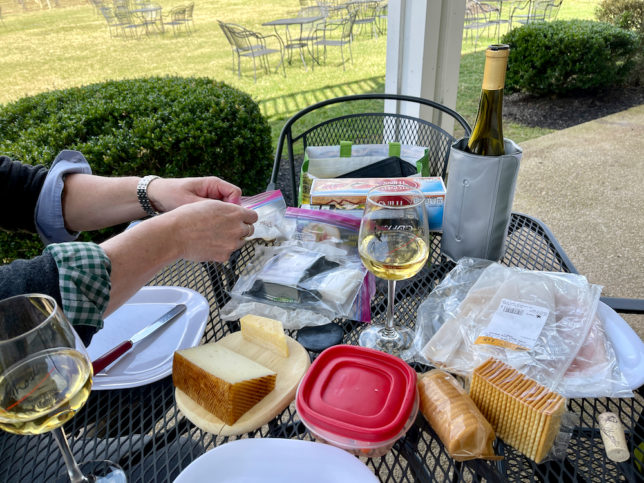
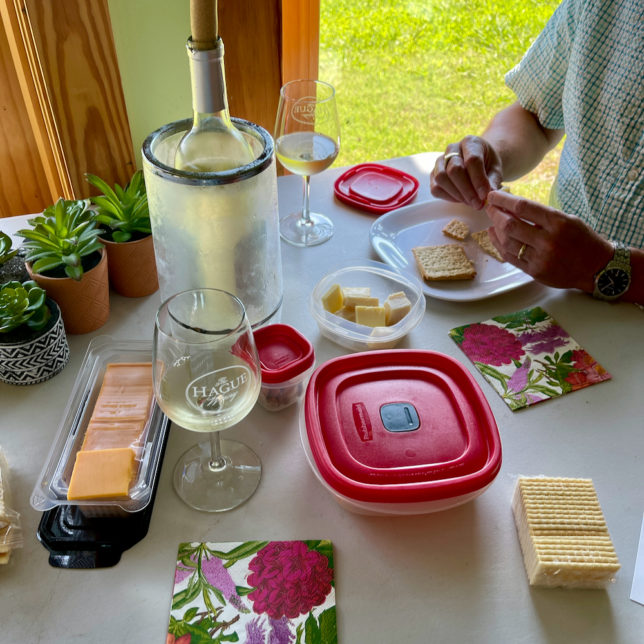
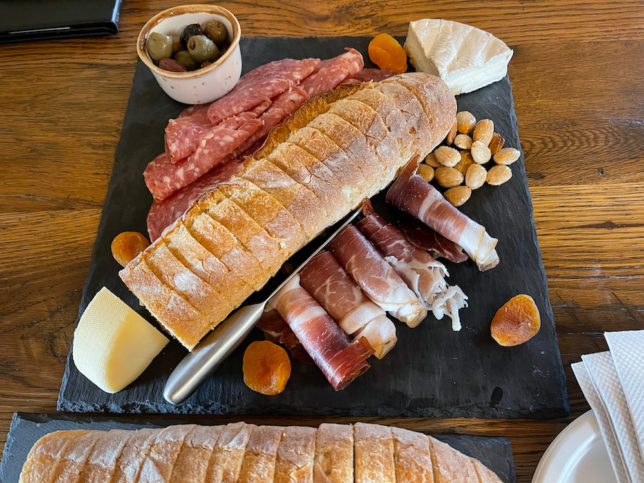
So with tastings done, we ordered a charcuterie board that included cheeses and baguettes. Our wine of choice was the Cabernet Franc, and the three of us enjoyed catching up and reconnecting. Are you also reconnecting with friends over Virginia wines? Consider meeting up at Williams Gap Vineyards. Please mention that Virginia Wine Time sent you!
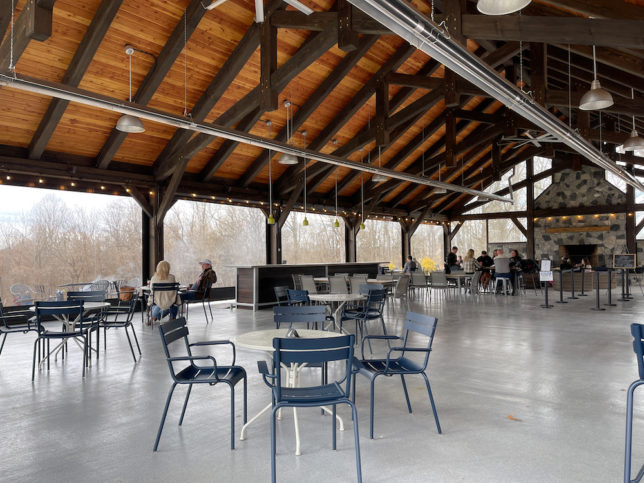
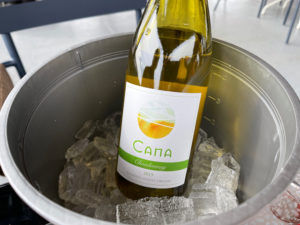
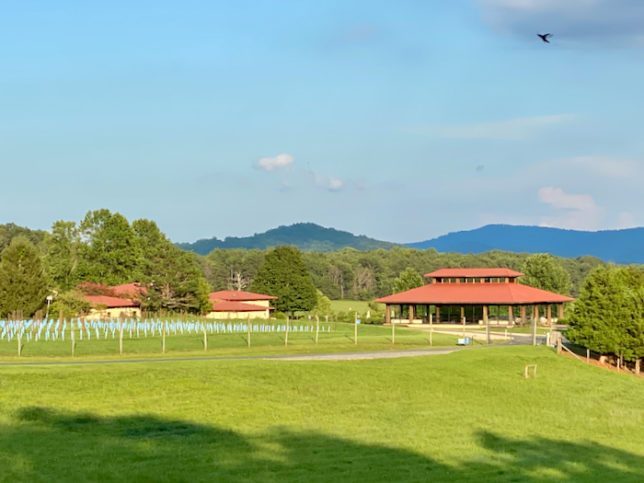
Paul and I continue to slowly travel the wine trails of Virginia, and our last trek took us to Cana Vineyards. We had not been to Cana in quite a few years, and we learned that the winery is now owned by Lisa and Bryce Petty. They purchased the vineyard and winery from the Bell family in 2018. Co-owners Michelle and Tom Grant are now also part of the Cana team. The Cana facility now includes the expansive Sunset Pavilion which provided for adequate spacing of customers on a very cold afternoon.
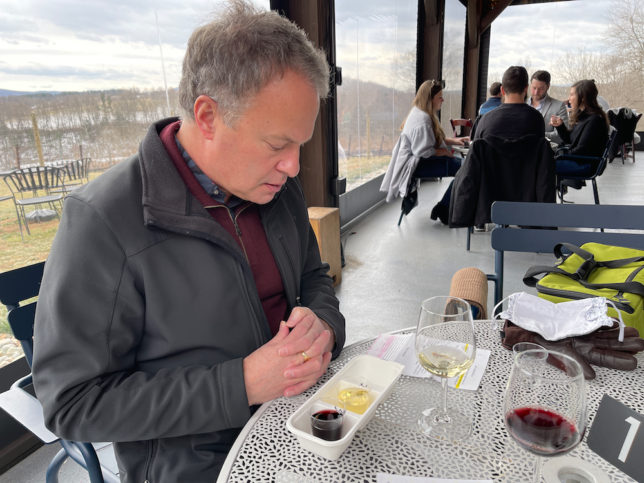
Another noted change from our last visit, though, was the improved quality of the wines. I am an unashamed Chardonnay lover, and Cana’s 2019 Chardonnay hit all the right notes for me. It was elegant and well balanced with lovely pear and apple aromas, while the palate was treated to pear and citrus flavors accented with fall spice and a touch of oak. The 2019 Petit Manseng was another success and an example of what this variety can do in Virginia when in the right hands. Fresh tropical notes with a nice, refreshing acidity ended with a dry finish and destined to pair well with any seafood dish. The 2018 Le Mariage, a blend of Bordeaux varieties with Merlot taking the lead, presented a juicy berry entry on the palate followed by a spicy edge on the finish. Remember, 2018 was a very tricky vintage due to lots of rain and not a lot of sunshine in most parts of Virginia; however, a newcomer to Virginia wine would not have been the wiser after sampling this well-crafted blend. Paul’s favorite was the Cabernet Franc produced from the stellar 2017 harvest. Raspberry and tobacco notes melded with cherry flavors to present a rich wine made more complex by barrel-aging for 15 months. If leg of lamb is on the menu, it might be a good idea to have a bottle of this one on the wine rack as a pairing option.
Our tasting experience was enhanced by the expert knowledge of Don, a familiar face to us from previous visits to Cana (and Chrysalis before that!). Don got us up to speed on the various changes at the winery since our last visit which prompted me to inquire about the winemaker responsible for the improvements noted in the wines. He informed us Melanie Natoli assumed the duties of winemaker and vineyard manager in 2015; we then recalled that Melanie studied winemaking at Fabbioli Cellars. We decided it was time to learn more about Melanie, and she agreed to participate in an interview. (Ordinarily, we would arrange to do this in person, but—-covid.) Continue reading to learn more about the very talented Melanie Natoli.
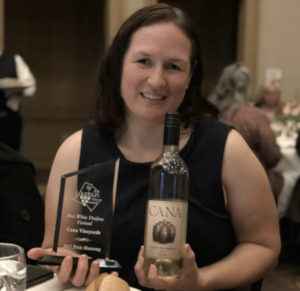
Photo borrowed from the Cana Vineyards website.
1. Why did you decide to switch careers from being in physical therapy to becoming a wine makers?
I followed my heart. When I make big decisions, I go with my gut. Growing up, no one in my family drank, so I found wine later. Hence, it wasn’t my first career choice, but when I found it, I knew it was my path.
2. Have you found any comparisons between being a physical therapist and a winemaker? Any similar challenges? Rewards?
Good question. They both come from the heart. I’ve always loved science and I chose physical therapy so I could be of service to others. Compassion is rooted in the heart, and so is creative passion for art, winemaking. As a winemaker I still get to connect with people, just in a different way.
3. Why did you decide to become a winemaker in Virginia with its various challenges? Why not someplace like California, for example?
Virginia is where life put me. Virginia is where my love and interest in wine grew. I was close to moving to California and going back to school for a degree in winemaking, but I found/made my own path here and I’m so glad I did. The challenges we face here may cause me to lose a lot of sleep at times, but they’re also what keeps it exciting. There’s always going to be more to learn and I love that.
4. You were awarded Woman Winemaker of the Year at the Women’s International Wine Competition in 2017. Winemaking is still dominated by men, though. Do you think it is still more difficult for women to break into the field and then earn recognition for their achievements?
Sometimes. Starting in this industry as a woman and someone coming in with no experience or connections, I do feel I had to work harder to prove myself, so I have. I’ve had a few interactions that weren’t fair, but I kept my head down, worked harder, and poured myself into my wine. Now I’m proud of what I put in the bottle and I have confidence in my abilities, so that kind of stuff can roll off my back. I’ve only made wine in Virginia, but I have a suspicion the challenge would be greater in other regions. Our industry is young enough that a long history of a good ol boys club wasn’t built. Although there may still be more men working in our industry, the women are here and making their mark. The supportive community of Virginia winemakers is one of the things that makes our region so amazing.
5. What grape varieties do you grow at Cana? Which do you consider to be the flagships at Cana? Do you have plans to expand your portfolio beyond what is currently planted?
Reds: Merlot, Cabernet Franc, Petit Verdot, Norton
Whites: Petit Maseng, Viognier
We have 2 wines that I produce from our estate fruit. The Unite’ Reserve is a blend of Merlot, Cabernet Franc, and Petit Verdot. The blend will vary depending on what shines in the vineyard each year. The other estate wine is our Petit Manseng which often has some of the estate Viognier blended in.
We only have 7 acres on the estate, so we also source from some fantastic partner growers. The 2 estate wines have a special place in my heart because I work the vineyard all season, so those wines I craft every step of the way from budbreak to bottle, but I have some other favorites. I’ve been working with Albarino since 2015, my first vintage at Cana, and I’ve had so much fun developing it. And did you think you’d talk to me without hearing about rose’? That is my number one love. If I’m going to be remembered as a winemaker for one thing, I want it to be dry rose’. Right now, we have 2 in our portfolio, Merlot and Cabernet Sauvignon.
As far as new wines for the portfolio. I have two new red varietals hitting the bottle in April, so keep an eye out for them at the end of this year. I’d like to bring back Rkatsiteli, and I always want to make more rose’.
6. You have won a trip to a tropical island for a much needed vacation. You can bring three of your favorite Cana wines along on the trip. Which wines and vintages would they be?
I love this one! I also love the idea of a trip to a tropical island, much needed indeed! Since I make 2 rose’s, that’s 2 of the bottles! Because rose’. The 3rd is a tough choice, because I really love my Albarino, but Petit Manseng would be the perfect pairing for somewhere tropical. That’d be a gametime decision, when do I leave? And for vintages, 2019 or 2020. Those are my favorite white vintages so far, because each year I get to dial it in a little better. Although I may go 2017 for the Petit Maseng, I really loved the acid sweetness balance on that bottle.
We know that we will return to Cana Vineyards sooner rather than later. However, if readers get there before we do, please be sure to mention that Virginia Wine Time sent you!
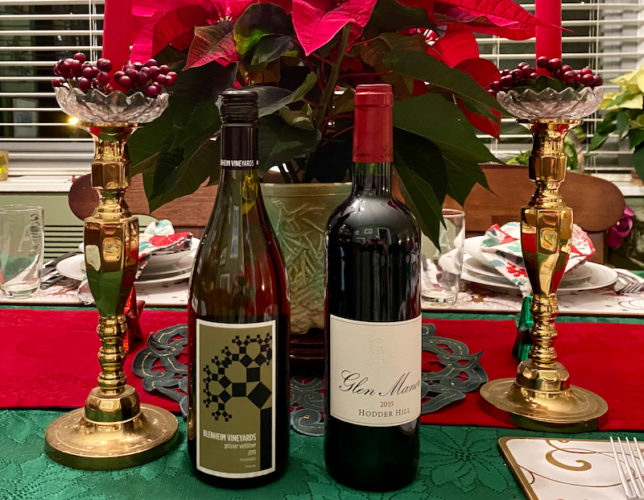
We have not posted in a while, but rest assured that while we have not really been on the Virginia wine trails, we have indeed been enjoying Virginia wines. We always host a NYE party for friends to ring in the new year with lots of food and wine; however, that was not the case this year for obvious reasons. Paul and I did, though, include Virginia wines in this year’s low key event. We paired Blenheim’s 2019 Gruner Veltliner with Asian slaw and mini crab cakes, and we partnered Beef Vidala (filet mignon topped with crab meat) with Glen Manor’s 2015 Hodder Hill. Our wine racks, though, lacked Virginia bubbles; however, Schramsberg bubbly helped to ring in 2021.
We are hopeful that Virginia Wine Time will be posting more often this year. In the meantime, let us know of new wineries to visit—-we are making a list and checking it twice! Do you plan to visit the wineries mentioned in this post? Please mention that Virginia Wine Time sent you!
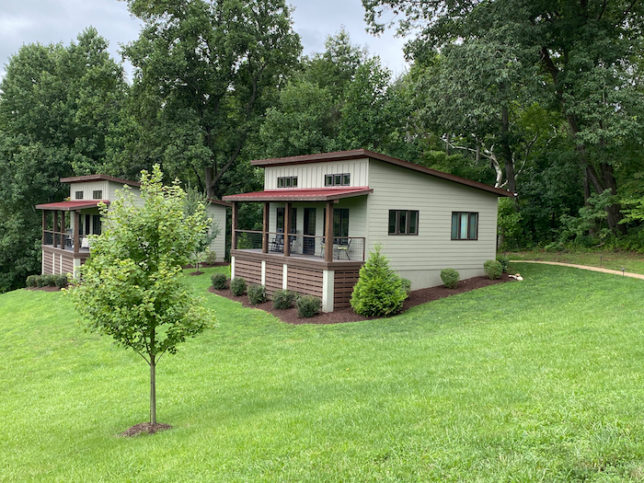
Fall is already upon us, and we look forward to cooler weather and changing colors. This usually means changing wine tasting habits to heavier pours and heartier meals. However, our trip to the Charlottesville area reminded me that some wines, even Virginia wines, are versatile and meant to be enjoyed throughout the year. Here I will present some examples based on our tasing experience in August.
White Wines:
Albarino and Sauvignon Blanc: These two varieties continue to show well in certain regions of Virginia. Micro-climate is key with these. I continue to be impressed with the Albarino produced by Afton Mountain Vineyards, and the 2019 vintage is very good. One bottle came back to our cottage for a crab cake dinner, and three other bottles came home for future enjoyment. Speaking of seafood, the local oyster season should continue through the fall and both the 2018 Sauvignon Blanc from Stinson Vineyards and 2019 vintage of the same grape from Veritas are option to consider when enjoying freshly shucked bivalves from local watersheds.
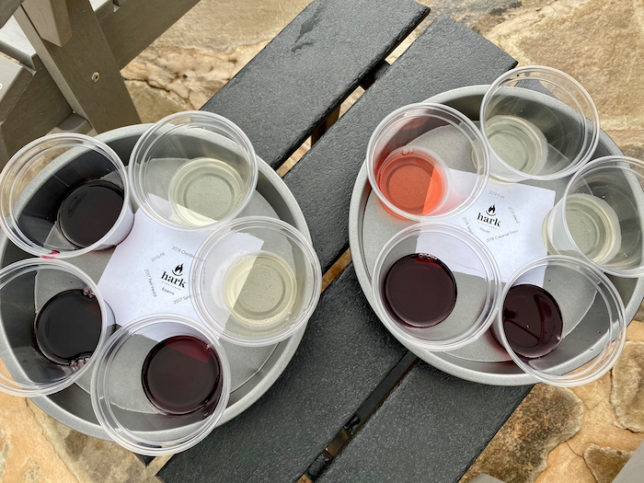
Chardonnay: I am a fan of Chardonnay, and I don’t care what ABCers think about it! Virginia Chardonnay often sits in the shadow of the more marketed Viognier; however, I think Chardonnay is the more consistent hitmaker. Styles range, of course, so taste and purchase your own favorites. Pollak Vineyards’ 2018 vintage presents a more fruit-forward, lighter-bodied style while the 2018 vintage from Hark Vineyards presents a fuller-bodied style complete with a toasty edge consistent with some barrel aging. The 2019 bottling from Keswick Vineyards was my favorite—-lots of apple and pear notes with enough body to enjoy on its own or with food. Shellfish, roasted poultry, creamy cheeses—-all should play well with this Burgundy-style Chardonnay.
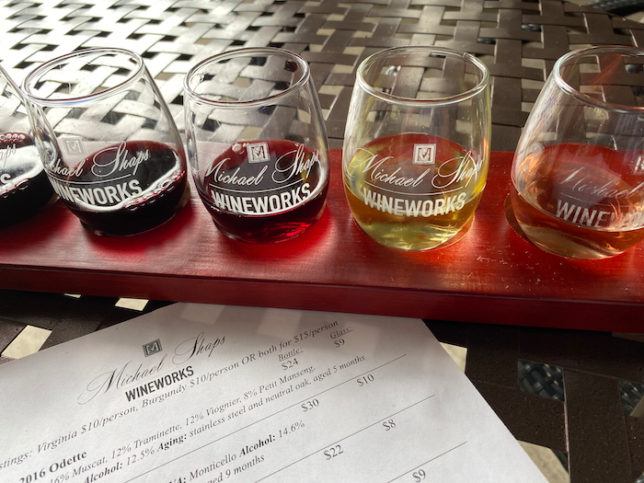
Petit Manseng: This grape continues to evolve as a contender for the Virginia All-Star variety. It is also one that we continue to grapple with—-do we prefer this as a dessert wine or something to serve with the main meal? Different wineries produce different styles and range from acidic to sweet and everything in between. To be honest, only a few have captured my attention enough to bring home; however, the Michael Shaps 2017 Petit Manseng did indeed capture my palate. Blended with 11% Rousanne and aged in 50% new French oak and 50% neutral French oak barrels for a total of nine months, this Petit Manseng captured the tropical fruit notes and full mouth feel of Rhone white wines. Poultry, including Thanksgiving turkey, herb-crusted pork loin and other roasted fare should partner nicely with this blend.
Rosé:
Never fall into the trap that Rose is a summer sipper. Rosés are the most versatile wines, and they are produced in both dry and off-dry styles. In Virginia, some Rosés feature Merlot or Cabernet Franc, and others capture the fruity essence of Chambourcin. One of our favorites was the Crose 2019 from King Family Vineyards. Dry and reminiscent of Provence-style Rosé, we always have bottles of this one on the wine rack throughout the year. Serve with Thanksgiving dinner, New Years’ Eve party, etc. The same could be said of the 2018 Rosé from Afton Mountain Vineyards—-dry, crisp and refreshing.
Red Wines:
Cabernet Franc: Always a consistent favorite of Virginia wine lovers. Most of the wineries that we visited were offering the lighter-bodied 2018 vintage. Any of these could be an option for Thanksgiving dinner when a lighter-bodied red might be in order. The 2018 vintage from Hark Vineyards, for example, exhibited soft red berry and subtle herbal notes that could partner with turkey stuffed with herbs. On the other hand, feel free to serve these with grilled chicken while the weather is warm.
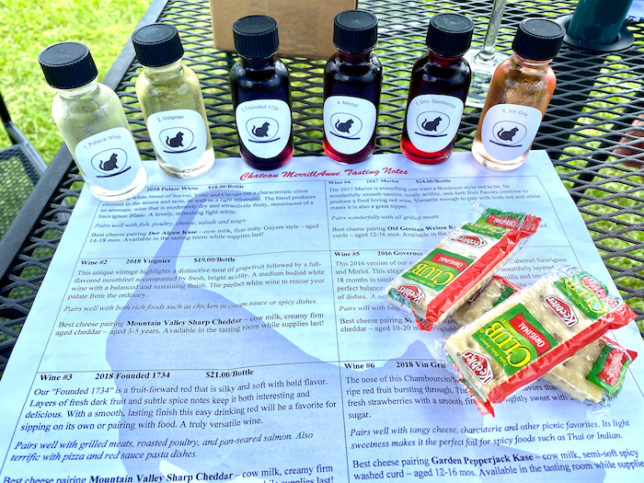
Merlot: This is another variety that can do well in Virginia. Paul is a fan of this grape, and he enjoyed the 2017 Merlot from Chateau MerrillAnne. A fruity palate and nice acidity makes it a favorite to pair with either grilled filet of beef or wait to pour with a roasted beef tenderloin when the leaves have fallen from the trees. The same is true of the 2017 vintage from Pollak Vineyards—-pour now with a final grilled beef dinner or allow to rest a bit longer on the wine rack.
Red Blends: I think Bordeaux-style blends always present the best from Virginia red wines. We currently have a 2017 Melange a Quatre, a gold medal winner from Revelation Vineyards, on our wine rack and is a blend of Merlot, Cabernet Franc, and Cabernet Sauvignon (+1% Tannat). We were also able to sample the blockbuster 2019 Trevillian from Keswick Vineyards, a blend of Cabernet Sauvignon and Petit Verdot. Of course, no comment on blends would be complete without mentioning the always delicious, always complex Octagon. We indulged in a library tasting of the reserve wines at Barboursville, and the Octagon XVIII Edition 2015 was stunning. Any of blends mentioned here would be a contender for either aging a bit longer or enjoying now (decant first) with heartier meats or braised fare on a chilly evening.
We continue to venture cautiously to Virginia wineries, and we were lucky to be able to visit the wineries mentioned in this post during the weekdays. Now that we are back in weekend mode, we will return to more selective visits. Please plan a tasting (but plan ahead) to the wineries mentioned in this post. Of course, do mention that Virginia Wine Time sent you!
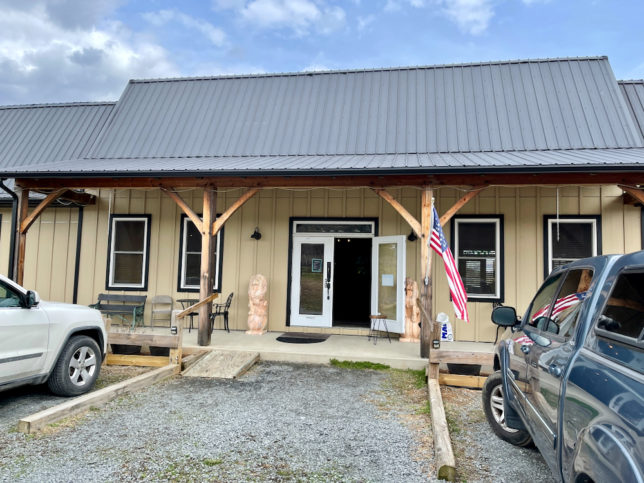
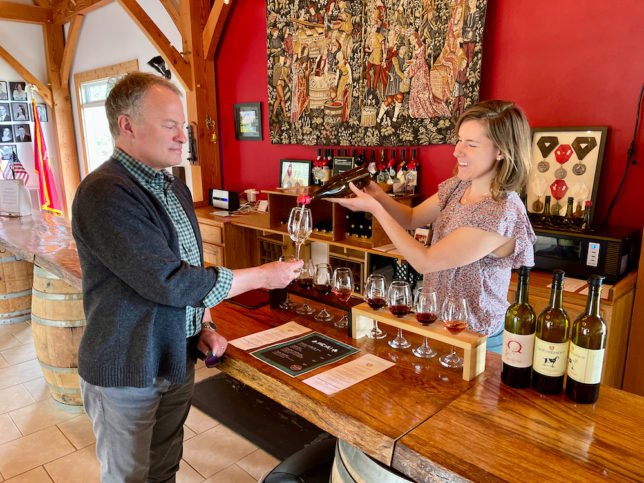
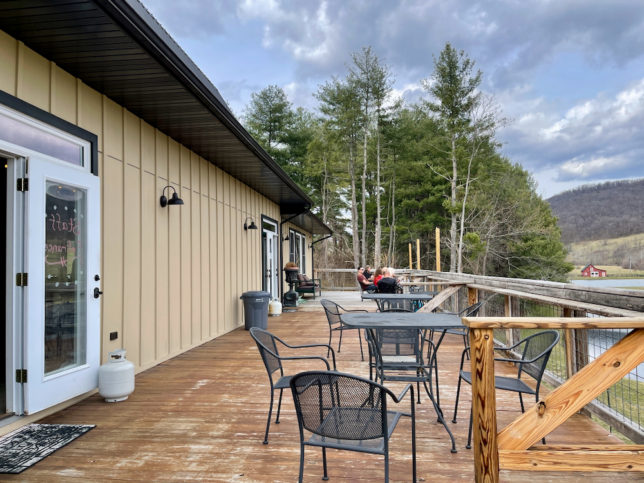
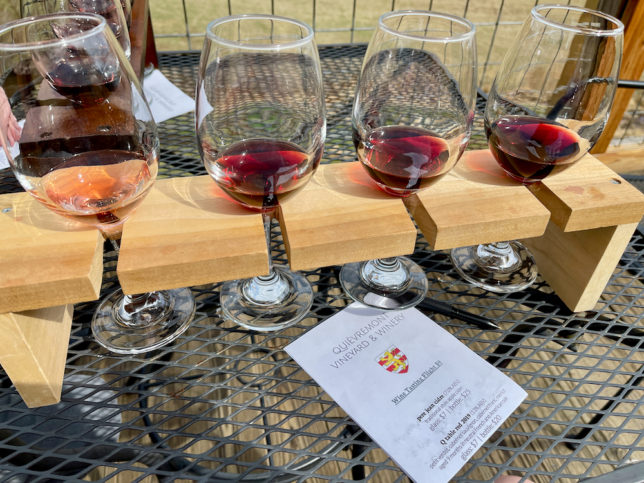
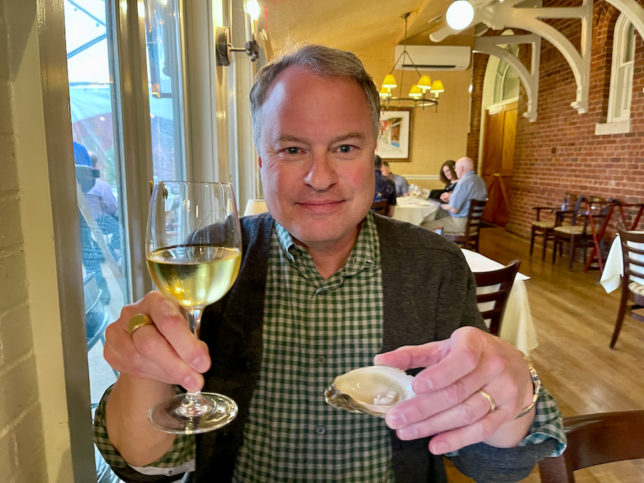
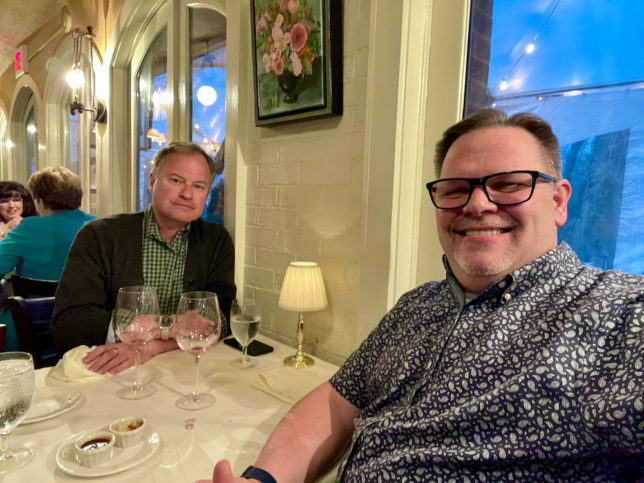
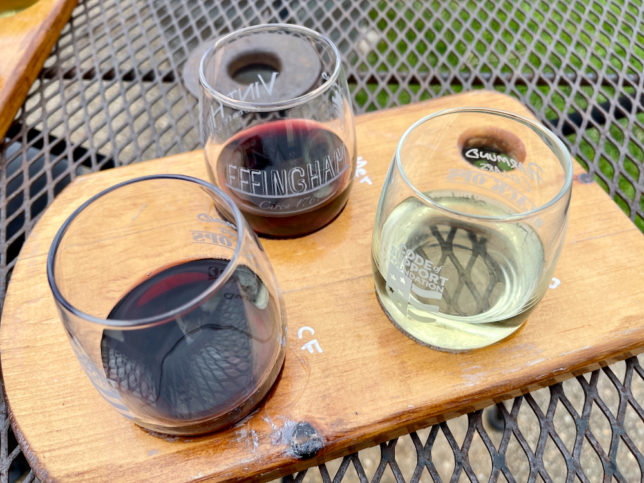
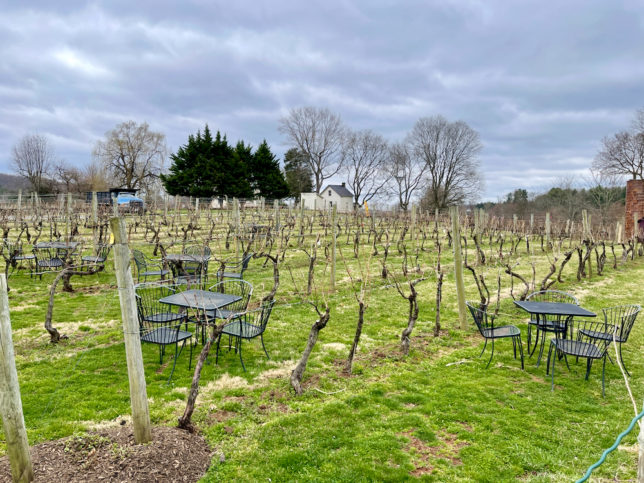
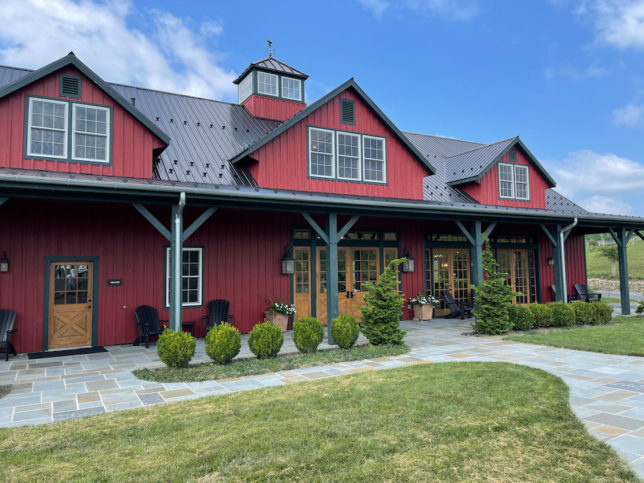
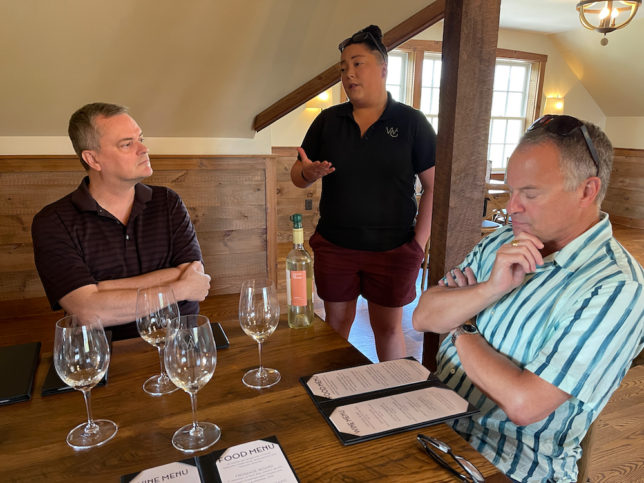
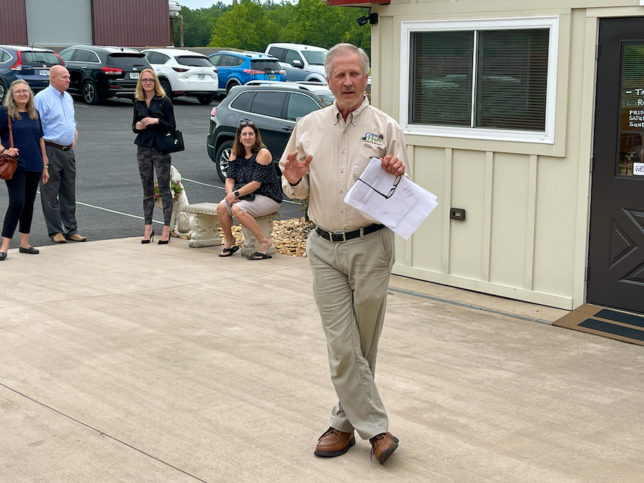
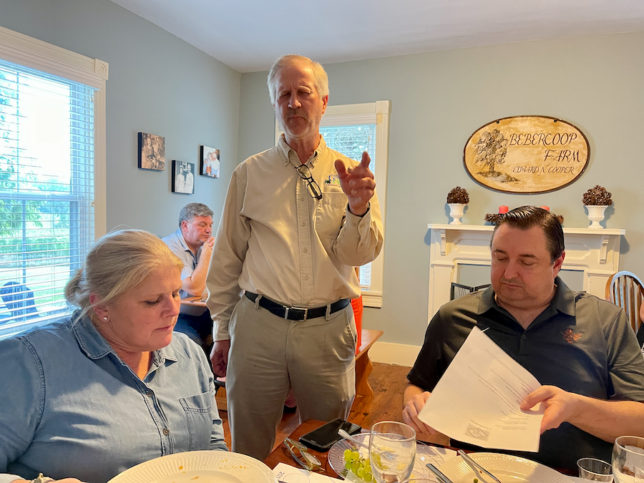
 It does appear that there is a rainbow on the horizon after the Covid storm disrupted our lives. The resulting isolation and then socializing within bubbles may be bursting as vaccines make us all less wary of resuming our pre-Covid lives. Paul and I are now reconnecting with friends who have been seen either through computer screens or messaged via chats. It was therefore a welcome relief to meet up with our friend Erica Johansson, who is also a Virginia wine aficionado. This also gave us the opportunity to reconnect with the Virginia wine trails to discover new (to us in some cases) wineries, and this was the case with a visit to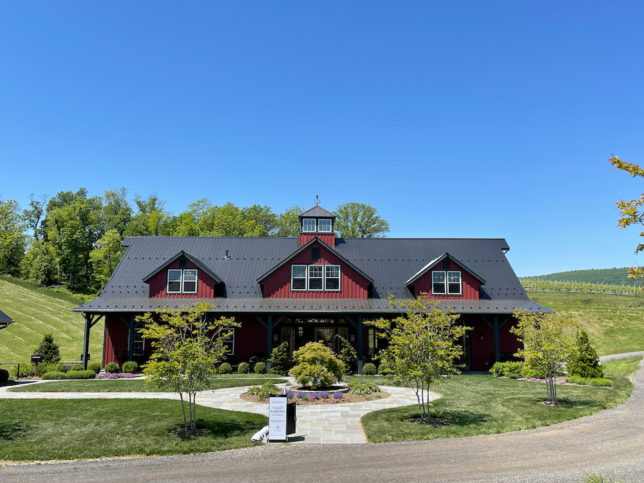
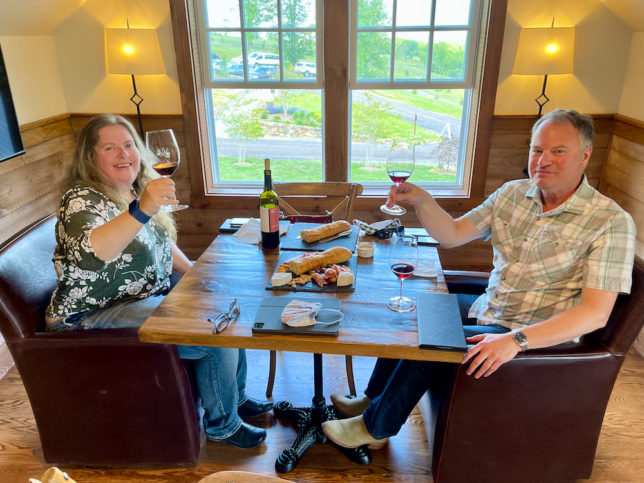
 As we tasted through our flight of wines, Ken filled us in on Williams Gap story. Virginia wine lovers may recognize the Williams Gap designation from the red blends poured at Delaplane Cellars. Those grapes do indeed come from the Williams Gap Vineyard. Owner Jack Sexton planted the vineyard on the Williams Gap site in 2006 and sold the grapes to area wineries including Delaplane Cellars. Sexton decided that Williams Gap would pursue its own rather recently, and 36 of the 200 acres of Williams Gap property is currently planted with vines. Additional plantings of Chardonnay and Sauvignon Blanc will result in another 14 acres of vines planted. Current case production is 1300, and wine production takes place under the skilled direction of Rob Cox at Paradise Springs. Expect to see a Rosé to be released in June. The tasting room has been open since the end of April.