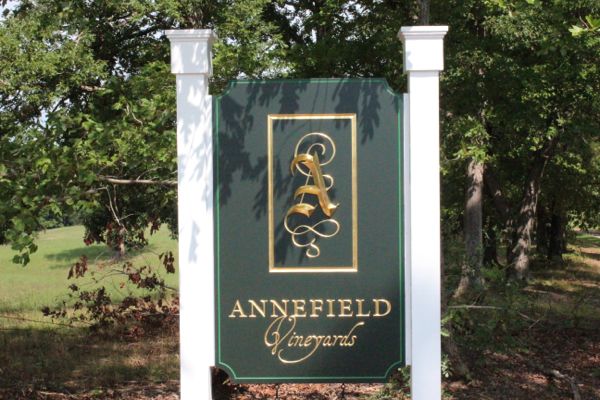
Our late summer swing through the distant wines regions of Virginia brought us to the Southern Virginia Region and a trip to Annefield Vineyards. We’ve sampled Annefield’s wines at wine festivals, but we have never been able to trek out to the tasting room for a full tasting of wines. Owners Stephen Ballard and Michael Leary graciously accommodated a Monday tasting for us, and at the end of our tasting, a case of Annefield Vineyards’ wine found its way into the car!
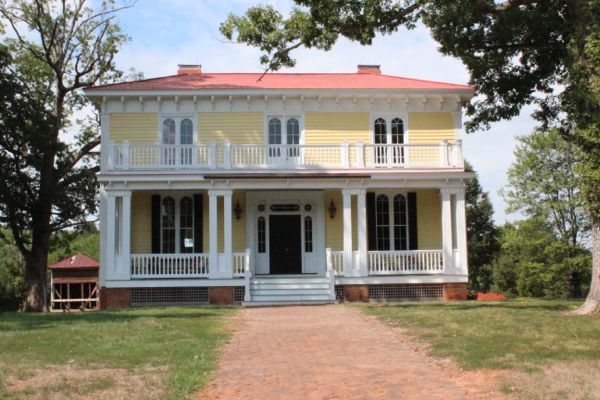
The vineyards and tasting room are located on historic countryside property south of the James River. The tasting room was renovated by Ballard and Leary to reflect its 19th century elegance and grace and in fact was once a plantation house built in 1858. Ballard and Leary purchased the house in 2005 after it had been neglected for many years, and they restored the house so that it could be used as both a weekend home and tasting room. It is worth the effort to visit the winery’s website to compare photographs of the house in its dilapidated state with those of the current house in its restored glory. The contrast is quite remarkable! And the interior is well appointed with antique pieces that could fit quite easily into a traditional-contemporary setting. All that we needed to feel at home was a glass of wine!
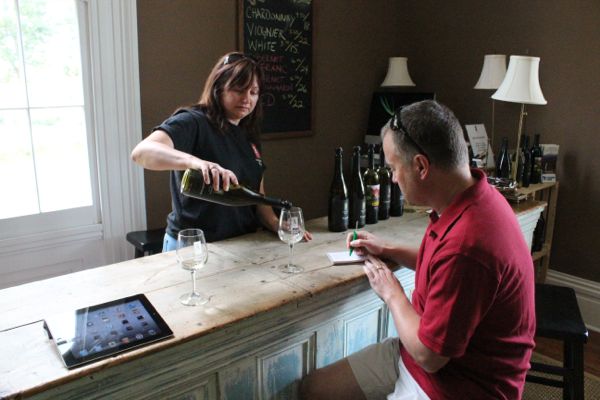
And wine we did receive! On tap for tasting were four white wines that included the 2009 Chardonnay, 2009 Viognier, 2010 Viognier, and the Annefield White. All were well crafted. The elegant 2009 Chardonnay was an immediate favorite with its tropical notes and vanilla finish. Nice on its own, I’d like a glass of this one with shellfish. Of the Viogniers, Paul liked the 2009 Viognier with its melon flavors and crisper finish; however, I preferred the 2010 Viognier with its bright honeysuckle nose, tropical fruit flavors and fuller mouth feel. Poultry or fish served with a cream sauce should partner well with this more complex Viognier. While we expect summer to fade into fall, the Annefield White, a blend of Chardonnay, Rkatziteli and Vidal Blanc is a fruity crowd pleaser and could be served on the patio after work or before dinner alongside appetizers.
The red wines were likewise well made, and these included the 2009 Cabernet Franc, 2009 Cabernet Sauvignon, and 2008 Annefield Red. We both agreed that the well-structured 2009 Cabernet Franc was the favorite; it presented classic raspberry and plum characteristics with nuances of dried herbs and black pepper. With fall around the corner, consider the 2009 Cabernet Franc as an option for Thanksgiving dinner! It’s still summer, though, and with steaks or chops still sizzling on the grill the 2008 Annefield Red should pair nicely. A blend of Cabernet Sauvignon, Cabernet Franc and Merlot, this Bordeaux-style blend with its dark berry elements and tobacco notes was fuller-bodied yet accessible.
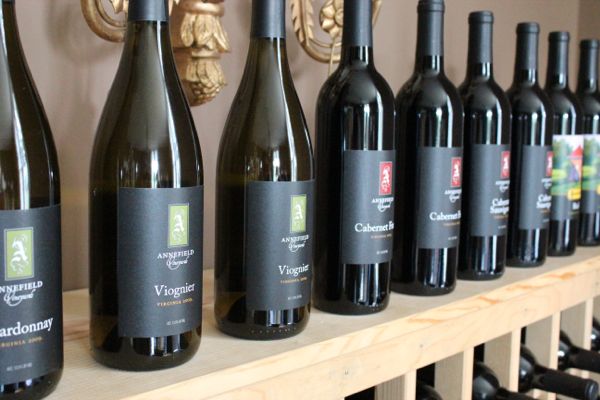
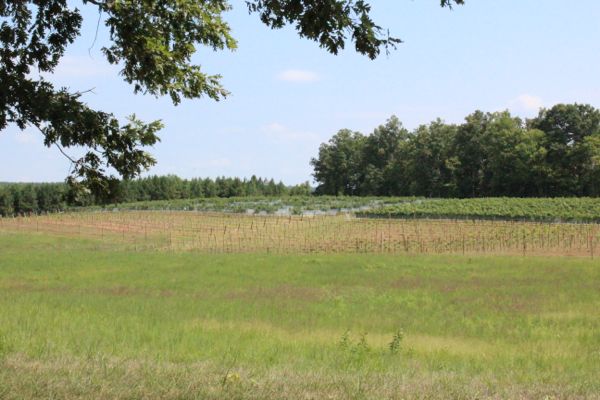
Owners Stephen Ballard and Michael Leary have assembled an outstanding team of experts who have created a solid line up of wines. Renowned winemaker Michael Shaps crafts the wines for Annefield Vineyards, and expert viticulturist Joyce Rigby serves as winery consultant. Of course, excellent wines are made in the vineyard, and the Annefield Vineyards benefit from excellent rocks and soils that date back to the Precambrian period. The soils profiles include descriptors as “strongly acid” and “low in natural fertility”, qualities that are much desired for wine-producing grapes. In addition, a 500-foot elevation provides for optimal air drainage., Ballard and Leary started the vineyards in April 2006 with plantings of Viognier, Cabernet Franc, Cabernet Sauvignon, and additional plantings were added in 2011 that include Vermentino, Pinot Grigio, and Vidal Blanc.
With our tasting done and case of wine procured, we bid adieu to Annefield Vineyards with a promise to return. Be certain to visit Annefield Vineyards and mention that Virginia Wine Time sent you.
Author: Warren
Wineries In The Blue Ridge Region
We continue to recount our winery experiences in the southwestern part of Virginia, and this post will feature three wineries in the scenic Blue Ridge Region: Abingdon Vineyard and Winery, Attimo Winery, and West Wind Farm Vineyard and Winery.
Abingdon Vineyard and Winery: This place gets an A+ for scenic beauty—a babbling stream, majestic trees, and a mountain view located in the quaint mountain town of Abingdon, the setting seemed like something out of the Waltons (that TV show in the 1970s about John Boy, Jim Bob, Mary Ellen, Bubba Joe, etc.) Lots of wines to taste here, and the winery offered six wines for a complimentary tasting; therefore, we each picked six different wines to taste and then compared notes. Of the dry white wines, Paul liked the crisp 2009 Viognier that was aged in stainless steel tanks and presented citrus notes and flavors. For those who like oakier white wines, the 2009 Chardonel was aged in oak barrels for 15 months, and it exhibited pear flavors and a toasty finish. Of the red wines, the 2009 Chambourcin with its smoky nose and dark fruit nuances might be one to serve with burgers or grilled beef. Abingdon Vineyard and Winery is located near the Virginia Creeper Trail enjoyed by hikers, bikers, and horseback riders, so readers who plan to take a hike in that area should take advantage of that trail’s proximity to Abingdon Vineyard and Winery for an after-hike wine tasting!
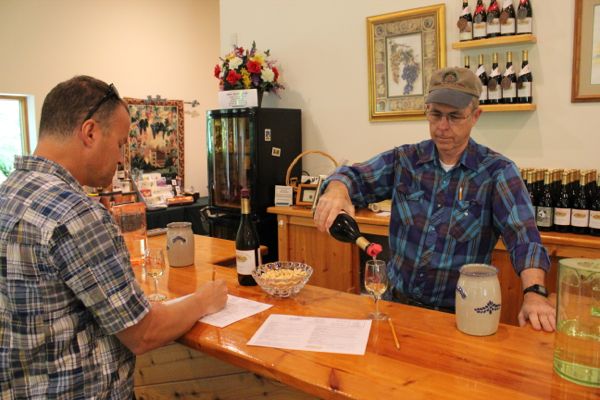
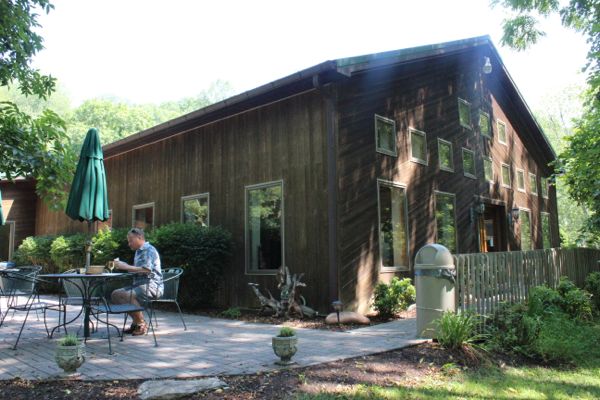
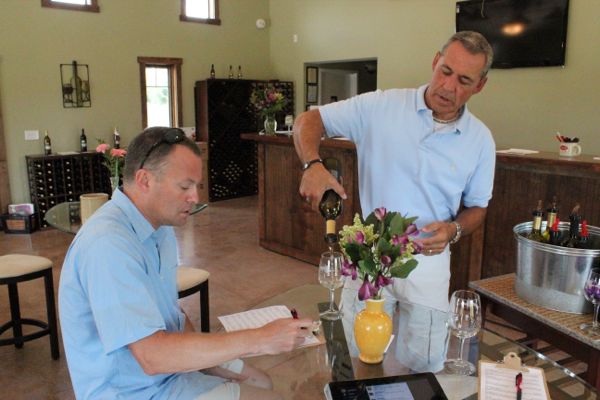
Attimo Winery: Owners Rik and Melissa Obiso opened Attimo Winery in July 2011. Before opening the winery, they spent years learning the winemaking business and made certain to select only the best property to grow vines. The term Attimo roughly means “live the moment” and the wines are named after special moments. Our tasting was conducted at a small dining table in the new tasting room, and John, our tasting associate, wheeled the cart of wines to our table to provide us with an expert tasting. Of the white wines, our most special experience was with the Sonnet 98, a crisp Vidal Blanc with floral notes and tropical fruit flavors. The label also bears Shakespeare’s Sonnet 98, so literature buffs may develop a personal connection to this one! Of the red wines, we preferred the 2010 Deep Silence made with Cabernet Franc. Aged for nine months in French oak barrels, we noted a smoky nose and raspberry flavors. It’s called Deep Silence because owner Rik Obiso was so impressed with the quality of the wine as it developed in the barrel that when he tasted it, the wine left him in a moment of reflective silence.
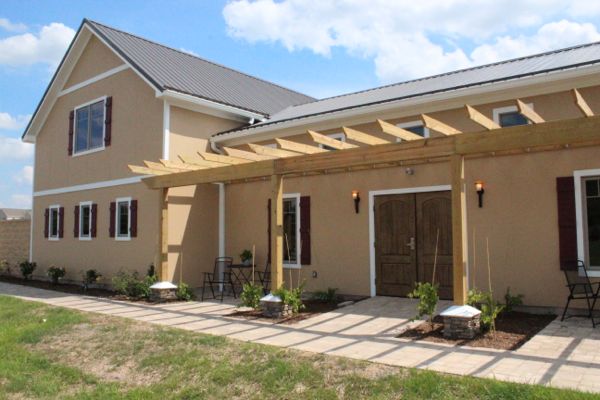
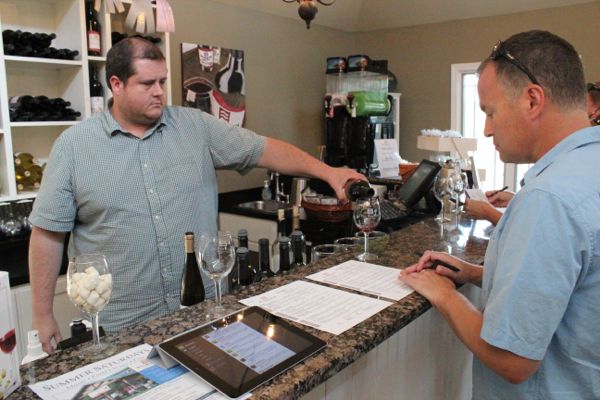
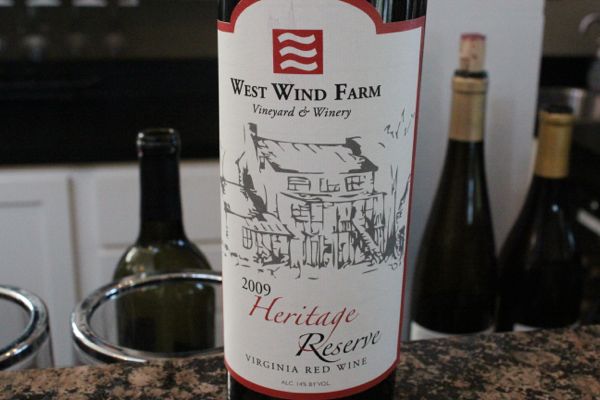
West Wind Farm Vineyard and Winery: We were the first wine bloggers to visit West Wind Farm Vineyard and Winery back in 2007, so we made certain to pay another visit this time around. David Manley was on hand to conduct our tasting, and this began with our favorite of the white wines, the 2010 Galena Creek White. This dry wine was made with Vidal Blanc with one-third of it fermented in Minnesota oak and the remainder fermented in stainless steel tanks. Nice melon aromas and flavors with a mineral finish made for a nice sipper especially on a hot day. Of the red wines, I found the 2008 Chambourcin to be quite nice. Its smoky/peppery nose and plum flavors was easy to sip but could be served with a barbeque dinner. Paul preferred the more complex 2009 Heritage Reserve made from selected lots of Cabernet Sauvignon, Merlot and Petit Verdot. It was certainly young, but swirling produced a whiff of violet along with notes of dark cherry, plum, and black pepper. Paul noticed a lengthy finish to boot.
We still have more to report from our swing through the southern-most portions of the state, so stay tuned for continued posts about the trip. In the meantime, be certain to visit these wineries and mention that Virginia Wine Time sent you.
Bulls-Eye on Ox-Eye Vineyards
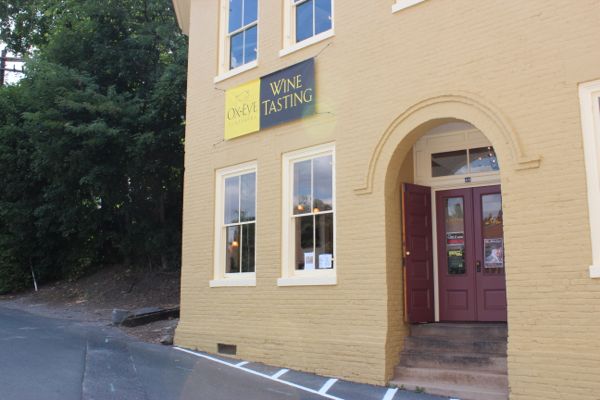
We always have our sights set for new wineries to visit when we travel throughout the state, and a recent trip to the historic town of Staunton allowed us to hone in on the newly opened tasting room for Ox-Eye Vineyards.
The experience was indeed a unique one as the tasting room is located in the town of Staunton instead of near the Ox-Eye vineyards. The vineyards are actually in Shenandoah farm country and several miles away from downtown Staunton. Visitors to Virginia wineries may find this unusual, but it is par for the course in Europe. We actually enjoyed this slice of Old World in a historic town like Staunton (historic because it is the birthplace of President Woodrow Wilson), and there is no doubt that the tasting room’s downtown location creates a greater potential to attract more customers. And the closing time on Friday and Saturday is 7 PM. End of work week/happy hour crowds in Staunton who seek an alternative to cheap beer and watered down liquor now have a place to unwind. The quaint tasting room itself as well as the out door café tables and chairs only enhance the Euro vibe.
So what about the wines? Overall, we found them to be well-crafted wines. Three white wines from the 2010 vintage and three reds from the 2009 vintages were offered for tasting. Of the white wines, we both enjoyed the crisp Chardonnay that was fermented in stainless steel tanks. It presented aromas and flavors of pear and citrus zest, and its refreshing finish was made for a hot summer’s day. Nice on its own, this Chardonnay should pair nicely with poultry or shellfish.
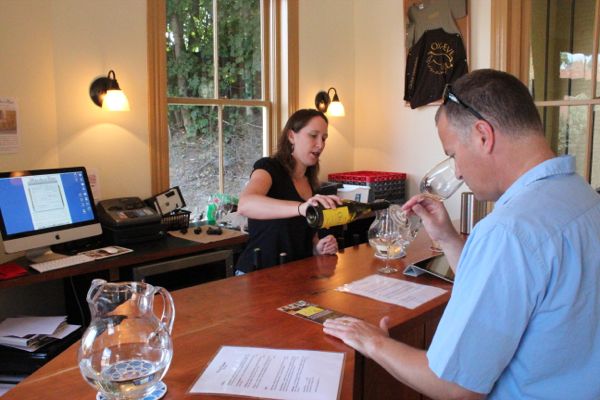
Of the red wines, I favored the 2009 Cabernet Franc with its notes of raspberry, tobacco, and black pepper. This was aged in French, American and Hungarian oak barrels. Grilled chops seasoned with fresh herbs might partner nicely with this one. We were both intrigued with the 2009 Lemberger, an Austrian grape that grows well in the cooler climate and higher elevations of Ox-Eye vineyards. With a smoky nose and flavors of dark cherry, blackberry and black pepper, this unique offering might be destined for a meal that features grilled steaks.
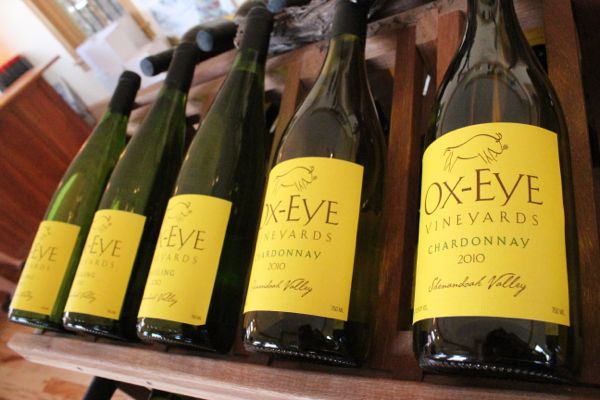
As we sipped away in the tasting room, we met Susan Kiers who owns Ox-Eye Vineyards along with her husband, John. They have managed the Ox-Eye Vineyards since 1999 and began selling grapes to other wineries after 2000. In 2010 a tasting room was built in downtown Staunton; March 2011 was the grand opening of this facility. The Ox-Eye Vineyards enjoys an elevation of 1830 feet and benefits from a limestone foundation. Continuous breezes create optimal airflow to combat frost and diseases. In fact, John and Susan compare their site to those of the Finger Lakes region rather than Virginia’s Piedmont! And where did they derive the name, Ox-Eye? From the ox-eye daisies that decorate the property and surrounding landscape.
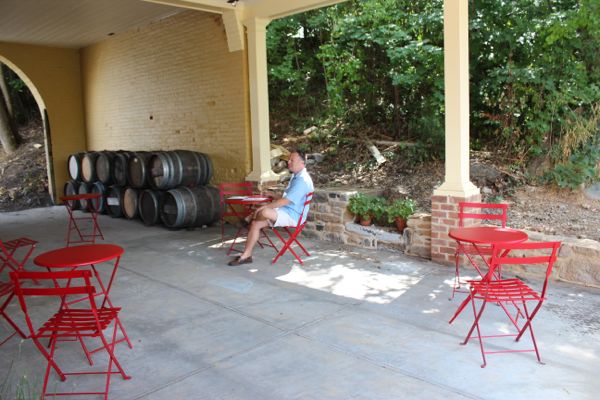
With our tasting done, we shared a glass of the 2010 Chardonnay and relaxed beneath the shade of the back patio. We envision a bright future for Ox-Eye Vineyards and hope to visit the tasting room to follow the progress. In the meantime, visit the birthplace of President Wilson and then enjoy a glass of wine at the Ox-Eye tasting room. Be sure to mention that Virginia Wine Time sent you.
Shenandoah Valley AVA Roundup
As our twitter followers may know, we made additional stops as we journeyed through the Shenandoah Valley AVA. Here is a summary of our tasting experiences:
Barren Ridge Vineyards: Owners John and Shelby Higgs converted this apple orchard into a vineyard, and it is located on a high ridge (1400 feet) between the Blue Ridge and Appalachian Mountains. A semi-arid environment brings lower rainfalls and persistent breezes to create an excellent climate for growing grapes. Our favorites here included the crisp 2009 Tinkling Spring that is a blend of Viognier and Vidal Blanc grapes. Clean and fruity, a perfect wine to sip on its own or with light fare. We also enjoyed the 2009 Rose, a perfect summer wine that presented strawberry and melon flavors. Paul placed an extra star next to the 2009 Traminette with its floral nose and tropical fruit characteristics. At the end of our tasting, we shared a glass of the 2009 Rose and took in the breathtaking mountain views from the patio.
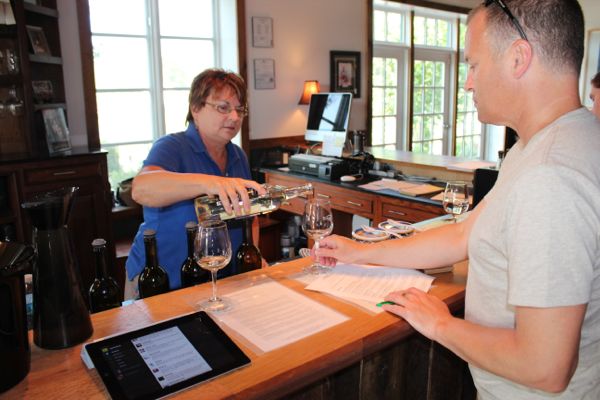
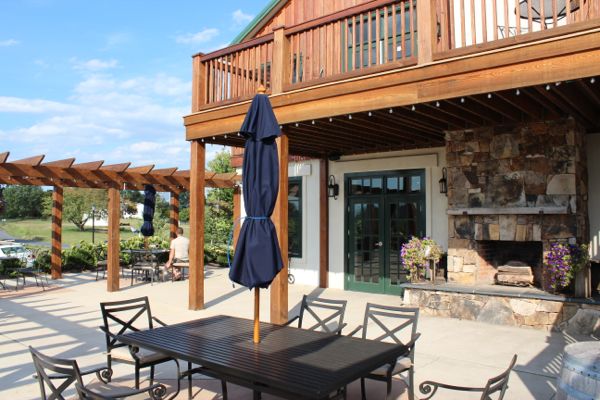
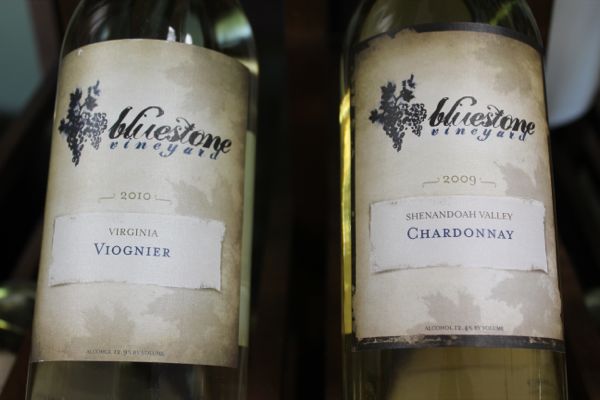
Bluestone Vineyard: This one is definitely a newbie. Owners Curt and Jackie Hartman planted grapes in 2003 and within five years the vineyard expanded to include thousands of grape vines. The winery was built in 2010, and the vineyard now produces 2000 cases of wine. Michael Shaps consults on the winemaking, and his expertise was evident in our favorite, the 2010 Viognier. Done in stainless steel, it presented white peach, apricot and citrus zest aromas and flavors. Sweet wine lovers should appreciate Beau, named after the winery’s golden retriever. The Vidal-Traminette blend has 3% residual sugar.
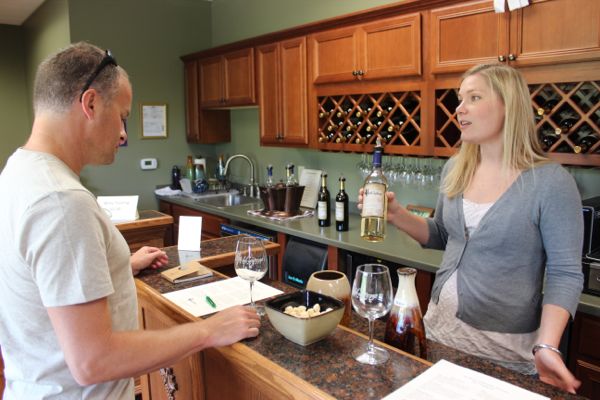
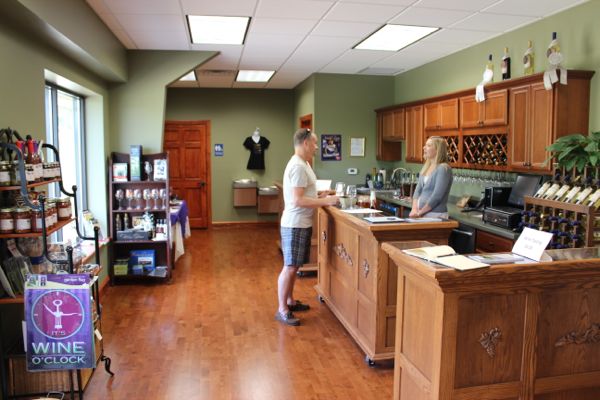
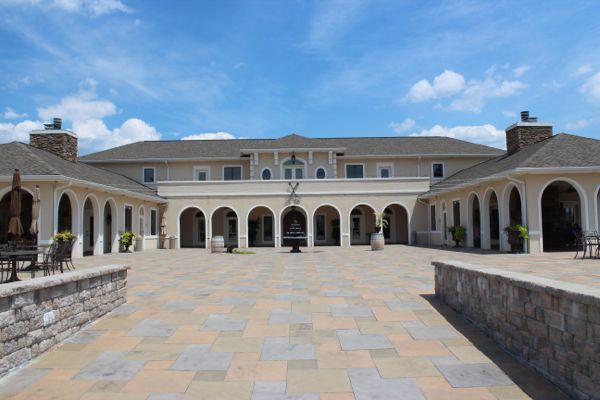
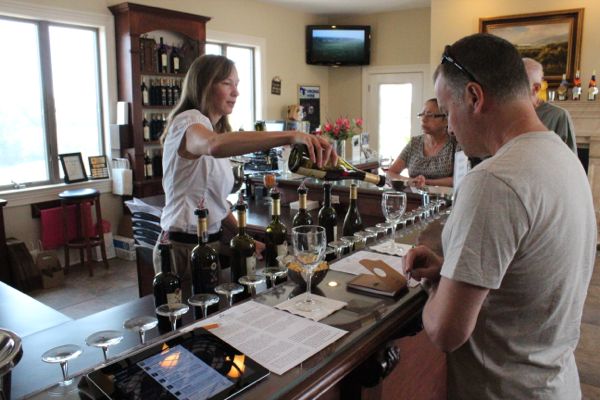
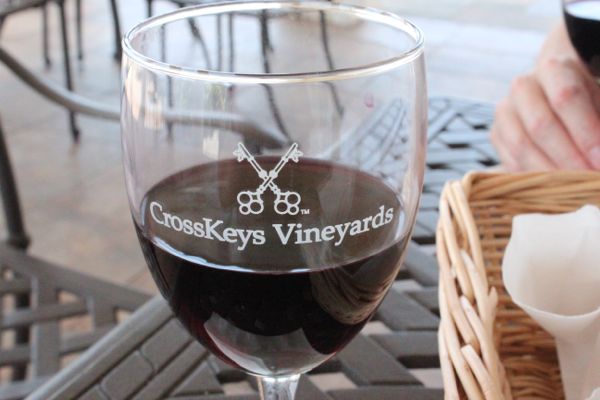
Cross Keys Vineyards: An expansive facility with a European feel to it, Cross Keys Vineyards opened its winery in 2008. Eleven wines were available for tasting, and a favorite white included the barrel fermented 2009 Chardonnay with its pear notes and soft, toasty finish. For those who yearn for sweeter rose wines, the 2010 Fiore may fit the bill. Made from juice pressed off of skins from Pinot Noir grapes, it includes 1.5% residual sugar along with bright red berry aromas. The focus at Cross Keys Vineyards seems to be red wines, and we preferred the 2009 Petit Verdot with its whiff of violet and notes of plum, dark cherry, and spice. Still young and tannic, so plan to age for a bit. We also liked the 2008 Meritage, a blend of Merlot (43%), Cabernet Franc (30%), and Petit Verdot (27%). Aged for 15 months in new and aged oak barrels, we noted cherry and raspberry elements with nuances of crushed herbs and spice. Tannins here were smoother, too. Dessert wine lovers should try the 2009 Ali d’Oro produced from late harvest Traminette. I referred to it as Bit-0-Honey in a glass and imagined it with a hunk of blue cheese!
We did make one other new discovery on the Shenandoah trail, but I’ll save that experience for the next post. In the meantime, be sure to experience these wineries in the Shenandoah Valley AVA, but be certain to mention that Virginia Wine Time sent you.
Notes from the Shenandoah Region
This past week, Paul and I ventured west to the Shenandoah Valley AVA to visit wineries. Cave Ridge Vineyard was first on our list of wineries to visit; we sampled the wines at Cave Ridge Vineyard when owner and winemaker Randy Phillips first opened the winery in 2007. At that time, we were very impressed with the lineup of wines, and we were eager to see how things had progressed since that initial visit.
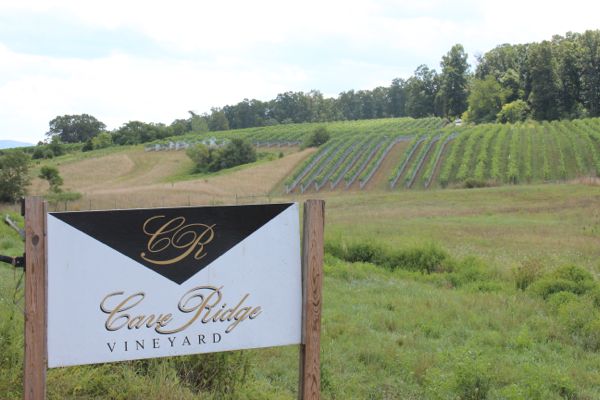
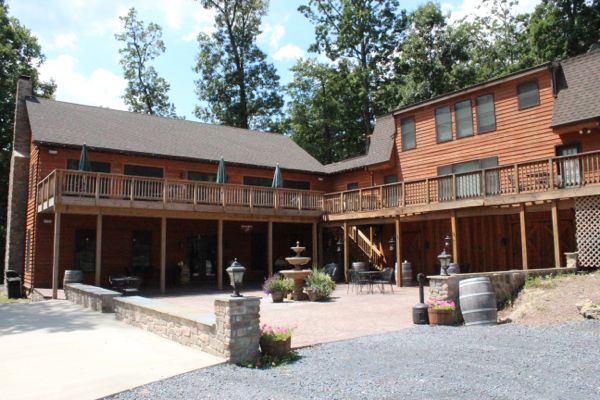
Since our 2007 trip to Cave Ridge Vineyard, a tasting room with a patio has been added. The shaded front patio includes a lovely fountain, and tasters can enjoy a glass of wine while admiring the mountain landscape. A walk through the patio brought us into the tasting room where we availed ourselves to a tasting of current releases. We were pleased with the Viogniers during our 2007 visits, and the current 2009 vintages are likewise quite solid. The crisp Viognier 2009 was done in stainless steel and presented melon and pear flavors; food friendly, it could also be enjoyed on its own. We both preferred the Viognier Barrel Aged 2009. Aged for eight months in French oak barrels, this one offered more floral aromas with tropical fruit characteristics, and a fuller mouth feel. I also detected a bit of vanilla at the end. Any creamy dish like risotto should pair nicely, but I’d also enjoy a glass with a nice brie and fresh fruit.
The red wines were also well crafted. With grilling season still in high gear, burgers and other grilled fare should match up well with the lighter-bodied 2008 Chambourcin and its berry and tobacco aromas. Our ultimate favorite, though, was the Fossil Hill Reserve 2008. Fossil Hill is not only the home to the vines that produced this more complex pour, but it is also the gravesite for ammonite fossils that are millions of years old. (How is that for some history!) Anyway, the more complex Fossil Hill Reserve 2008 blends Cabernet Franc, Petit Verdot, Syrah, and Chambourcin to present elements of dark cherry, plum, spice and mocha. Paul described the tannins as smooth, and I concurred. This one could age on the rack for a bit, but it is certainly ready for immediate enjoyment with a nice steak dinner. Randy Phillips offered us a sneak peak of the upcoming Fossil Hill 2009, and earthy aromas prevailed with this one complemented by brambleberry flavors in the mouth. It will be released in October 2011 and in time to celebrate Virginia Wine Month.
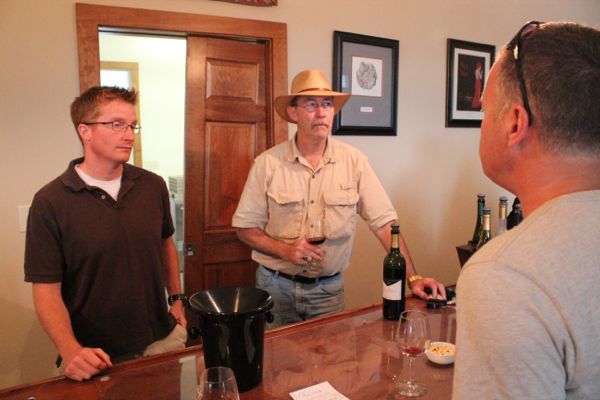
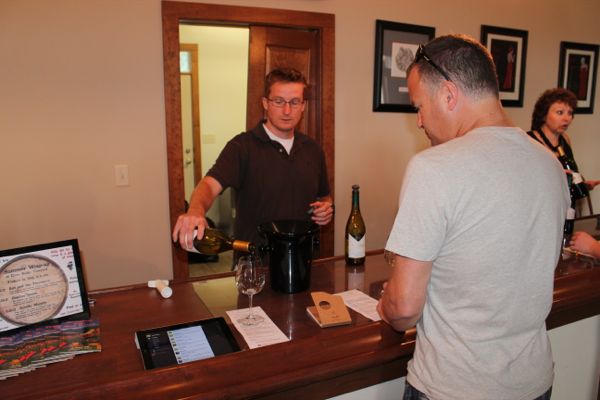
We chatted with Randy for a bit as we sipped at the tasting counter. His case production is currently at 2600 cases, and he will soon add a Cabernet Sauvignon to the tasting menu. Also, Cave Ridge wines can be tasted and enjoyed at Wine on the Water, a wine bar in Harrisonburg, Virginia. When I asked Randy about the 2011 growing season, his assessment was similar to other winemakers in the state—early! In fact, the Chambourcin was already in veraison. This then led to my next question—did the Shenandoah region have any particular challenges in regard to growing grapes? Randy Phillips replied, “Shenandoah is the future of the Virginia wine industry. Our limestone soils and elevations are most similar to Bordeaux and we have low rainfalls.” It seems to us that Randy Phillips has exploited these advantages to produce some solid wines.
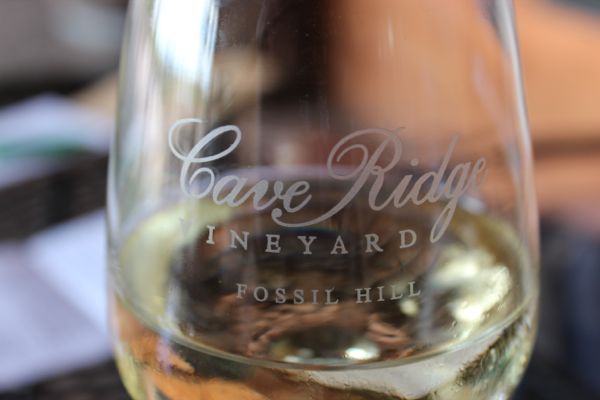
With our tastings done, we shared a glass of the Viognier Barrel Aged 2009 while relaxing on the patio. With the splashing sounds of the fountain and butterflies aflutter, it was hard for us to imagine a better way to spend the afternoon. However, all good things must end, and we made sure to purchase our favorites before we left the winery. Plan to visit Cave Ridge Vineyard, and be certain to mention that Virginia Wine Time sent you.
Wine and Photography at Catoctin Creek
We continue to gradually add more wineries to our “visits” list, and Catoctin Creek Winery brings our total to 128. As readers may know, we attended the WBC 11 conference that was recently held in Charlottesville, and we met Jim Hanna, owner and winemaker at Catoctin Creek Winery, at the conference. To be more exact, we met Jim at the Monticello tasting event that was held at the historic Monticello residence. Jim was one of the winemakers who participated in the tasting, and we determined to pay Jim a visit at his tasting room to find out more about both the owner/winemaker and the wines.
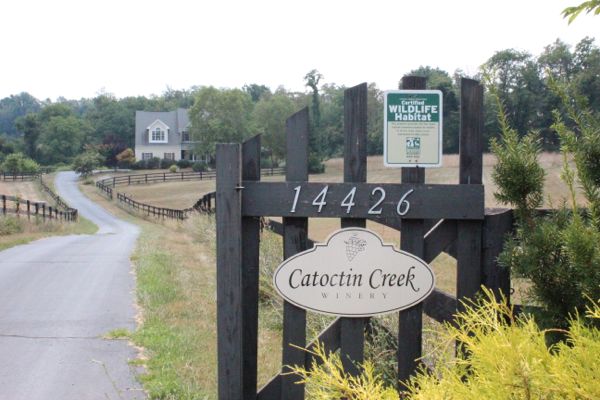
On a scorching hot day, we met Jim Hanna at his home in Loudoun County to chat with him and to sample his wines. His vineyard and tasting room are all located on his personal property, and the tasting room is located in the basement of his home. Jim started a vineyard four years ago with a small planting of Viognier. However, Jim quickly realized that just managing a vineyard was itself a full-time, challenging job. Having just retired from a career with the World Bank, Hanna wanted to pursue other passions that included winemaking and photography. With these goals in mind, he opted to buy fruit from established vineyards so that he could pay full attention to the skill of winemaking. Therefore, all grapes that are used by Catoctin Creek Winery are grown at either Breaux Vineyards or Fabbioli Cellars, and Jim Hanna plays an active role to monitor the progress of grapes as they evolve in the vineyards. And who are Hanna’s teachers in the school of winemaking? Professors Dave Collins, former winemaker at Breaux Vineyards and now at Big Cork Vineyards, and Doug Fabbioli of Fabbioli Cellars consult with Jim Hanna to produce quality wines that bear the label, Catoctin Creek Winery.
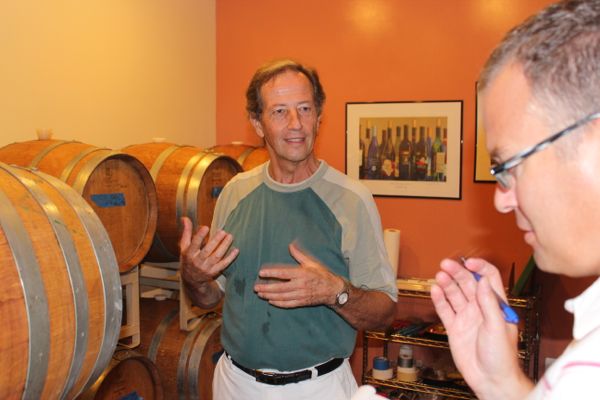
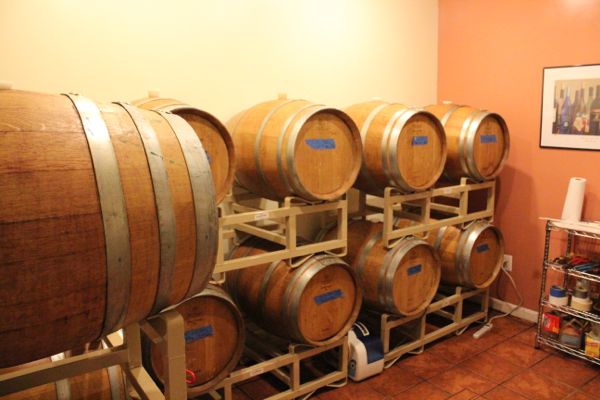
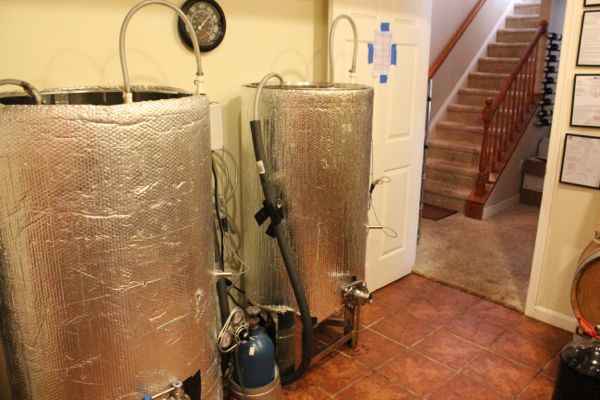
Jim Hanna began marketing his own wines in the spring of this year, and they are tasted in the basement of his home. A basement, you might ask? Words like moldy, dank, and dark might come to mind; however, Jim converted this space into an environmentally controlled facility that is actually quite comfortable. Given his small production level, now at 200 cases, it actually serves his needs quite well. A small room to the right of the tasting bar serves as a barrel room, and the twelve French oak barrels house wines from the 2008 through the 2010 vintages. Converting this space into a small tasting/barrel storage facility allows Hanna to keep overhead costs at a minimum; therefore, he can devote time and resources to his main focus—the production of quality wines.
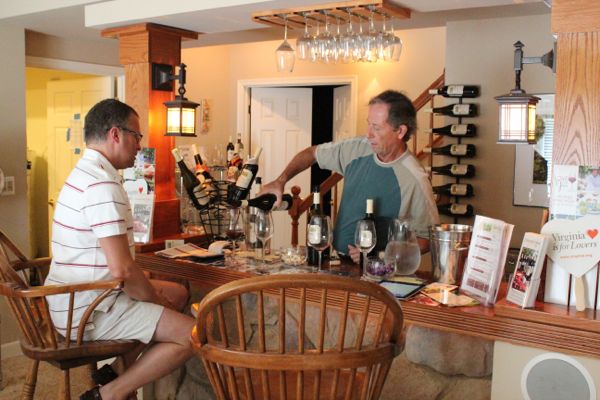
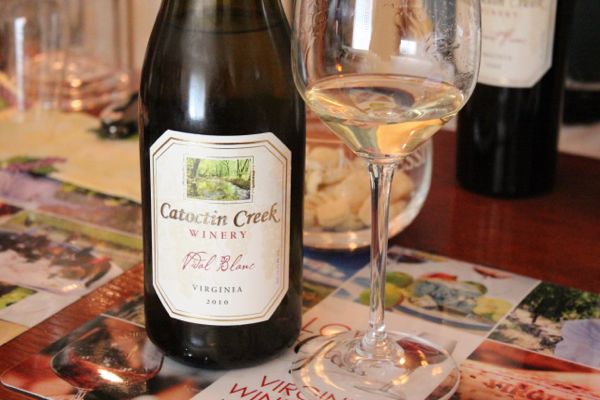
So what about the wines? Four wines were available for tasting, and these included a 2010 Vidal Blanc, 2009 Cabernet Franc, 2009 Syrah and 2009 Cabernet Sauvignon. The 2010 Vidal Blanc was our immediate favorite, and it presented tropical fruit characteristics with a refreshing minerality. Done in stainless steel, it is also bone dry and therefore quite versatile; serve on its own or with foods that might pair with a dry Riesling. We also enjoyed this one at the Monticello tasting event as did a blogger from California who ordered a case to be shipped out to his home! Of the red wines, we both preferred the 2009 Cabernet Franc with its notes of plum, dark cherry, and black pepper. Soft tannins made for an accessible, elegant pour.
Future changes at Catoctin Creek involve the other two red wines—the very peppery 2009 Syrah and the 2009 Cabernet Sauvignon. True to his commitment to crafting quality wines, Hanna will change the future lineup of wines and phase out the Syrah with a Malbec. The 2009 Cabernet Sauvignon, which earned a medal for Hanna, will give way to a Bordeaux (or Meritage) blend.
As we swirled, sniffed and sipped, Jim continued to present his philosophy on winemaking. Among his many skills, Jim is also an expert photographer who sees winemaking as an artistic craft that is constantly being perfected; as the photographer captures a perspective in the camera, so too does the winemaker with grapes. The winemaker’s point of view is captured in the bottle much like the photographer’s is preserved in digital format. Therefore, Jim will continue to produce small quantities of wine that reflect his own winemaking philosophy in much the same way that pictures present his artistic philosophy. Sounds too serious? Actually, for Jim Hanna, this is all about “keeping it fun”. After we sampled his wines and viewed his photographs, we can conclude that Jim Hanna is having a blast. Light-hearted and with a sense of purpose Jim Hanna and Catoctin Creek Winery are well positioned to experience further success.
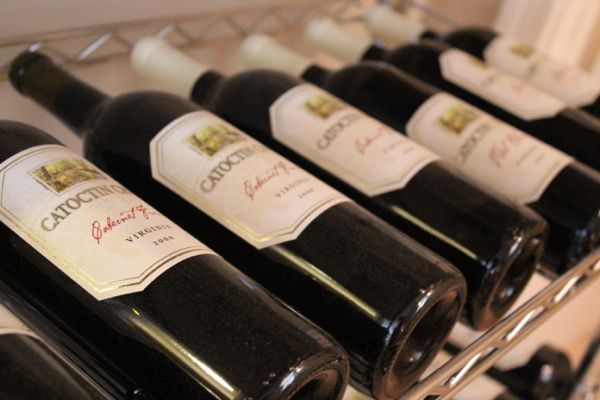
While Paul and Jim continued to chat about photography, I enjoyed another sample of the Cabernet Franc (and wondered what I did with that Kodak Insta-matic from 1975 as I was certain that it needed more flash cubes!) We will continue to follow the developments at Catoctin Creek Winery, but readers should be certain to sample Jim Hanna’s current releases. Just remember to mention that Virginia Wine Time sent you.
Wine Blogger Conference Impressions Part II
So I’ll conclude my wrap up of the WBD 11 conference here with this shorter post that will focus on break-out sessions, presentations and the awards dinner.
Break Out Sessions:
A number of break out sessions were available for bloggers to attend. We attended the sessions on millenials and wine, drinking local, and the future of blogging. Of these, I found the drinking local conference most interesting and useful for our purposes. The session was moderated by Frank Morgan of Drink What You Like, and panelists included Lenn Thompson of New York Cork Report, Remy Charest, blogger at The Wine Case in Canada, and Washington Post critic Dave McIntyre. McIntyre defined drink local as “a story that is just beginning.” If this is the case, then bloggers do play a critical role in the whole drink local movement. When we began our own blog six years ago, we were one of a handful of blogs writing about Virginia wine. We opted for a drink local focus because, although we both enjoyed wines from around the world, Virginia wines seemed less likely to be featured in the wine media, traditional or online. As the other 46 states continue to develop their own wine industries, bloggers will continue to play a key role in the process. After all, there is little to indicate that the established industry resources will regularly feature non-traditional wine regions. Other topics included the issue of price and local wines with McIntyre noting that if a local wine earns the same accolades as a wine from France or California, then the matter of price should be a non-issue.
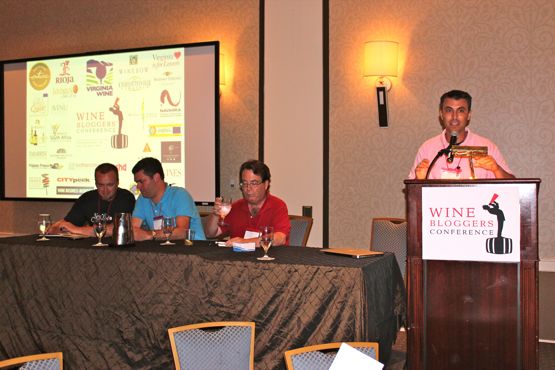
The session on millennials and wine was probably the session that least held my attention. A basic summary of this session seemed to be that millennials like to be engaged and entertained and are more likely tune out information they deem to be boring or useless. No tasting notes or references to terroir for them. And f-bombs are okay with them. I’m not so sure that I bought any of this, but then again I’m closer to 50 years of age than 25. I was once 20-something with a short attention span, so I understood the gist of what I heard. However, I did come away with a conclusion that the millennials are unencumbered by elitist attitudes toward wine and thus more likely that boomers to try wines from other regions. I do think that it is a more open-minded generation. And I don’t think dropping f-bombs is necessary to grab their attention.
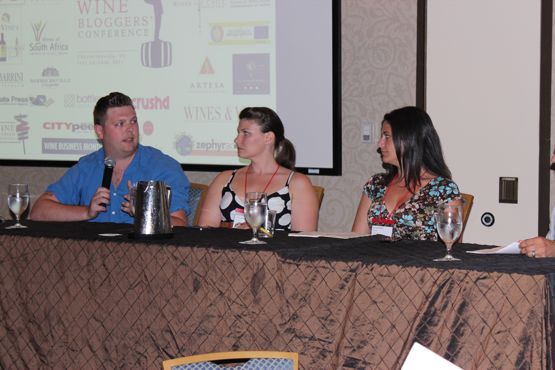
Paul attended the future of blogging session on Sunday morning. I was able to sneak in a bit later after grabbing some breakfast. This session was blogger led and supposed to be about the Present and Future of wine blogging. The first part was a discussion about how Twitter is used and the roll of Facebook in wine blogging. There was technical talk but the discussion really revolved around basically three bloggers discussing how the wine blogging community could come together and help change things in the wine world..like the use of certain enclosures. Before we knew it, the session was over. If it had continued, I’m sure we would have gotten to some more substantive topics. I actually think the conference should have more sessions like this one…more time for bloggers to talk about what is relevant to us. Either way, it was a good time to hear other bloggers talking about what they are so passionate about.
Presentations:
The Ignite presentations were given by bloggers, and these ranged from infomercial to entertaining to controversial. My favorite was given by ECoastWines.com who gave an excellent comparison of east coast wine regions to those on the American west coast and Bordeaux. The most controversial presentation was one that attempted to debunk the cork shortage issue and asserted that plastic or screw cap enclosures are actually rather harmful to both wine and drinker. From our own experiences with enclosures, we still prefer cork but do not mind the screw caps. The plastic enclosure? Not so much. If we have to dump a bad bottle of wine, it is usually one that had been sealed with a plastic cork.
Awards Dinner:
This event accomplished two things: 1) it showcased Virginia and its history as a wine producing region, and 2) it recognized bloggers for jobs well-done. Part of the showcasing included featuring locally grown food with locally produced wines, and I do have to admit that a couple of the food and wine pairings were a bit curious. For example, the corn chowder with Virginia rieslings were not as successful as the duck pate paired with the Horton Sparkling Viognier. I’m not sure how Virginia rieslings even made the menu, but I will acknowledge that the Lovingston Petit Manseng was the bright star in the lineup. The dessert pairings which featured local cheeses partnered with the Gray Ghost Adieu and the Rockbridge V d’or were quite solid.
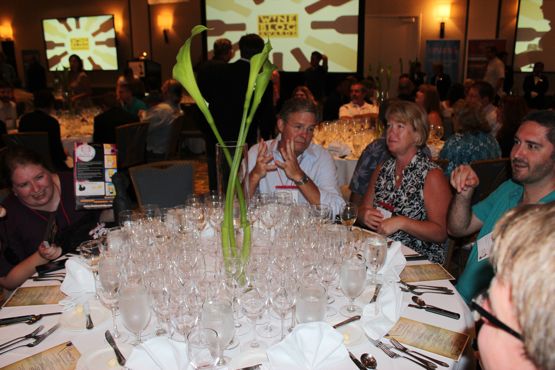
Before the dinner, bloggers were awarded for excellent work. Nominees included Virginia’s own Swirl Sip Snark! Winners included the New York Cork Report, Fermentation, Enobytes, and Vinography. Congratulations to these outstanding writers.
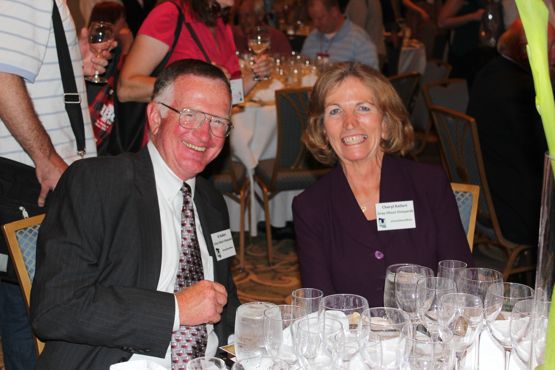
Al and Cheryl Kellert from Gray Ghost Vineyards
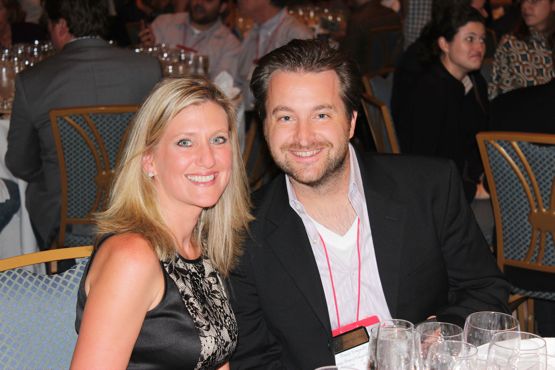
Jen Breaux Blosser and Chris Blosser from Breaux Vineyards
Conclusion:
All in all, this was a positive experience for us. This was our first blogger’s conference, and we came away with renewed energy to continue to support local wine. We met lots of bloggers from all over, and we learned that their experiences were likewise quite positive. The heat? Not much to do about it except deal with it. Conferences? We heard some complaints about lack of content at this event, and that might be worth revisiting for next year’s organizers. For example, with this year’s advice given by keynoters Jancis Robinson and Eric Asimov still fresh in our minds, a writers’ workshop might be useful. Wines? Overall, the feedback by those who actually tasted lots of Virginia wine was positive; this has been acknowledged by Virginia winemakers with whom we chatted during and after the conference. Were all of the wines excellent? No, but that has to be expected regardless of wherever the conferences are held. We concur with Frank Morgan at Drink What You Like who commented on one blog’s rather negative post—for those who left their hotel rooms and actually participated in the events with an open mind, there was much to learn and experience. Would we consider attending another blogger’s conference? Absolutely! And to close, another thank you to Annette, Amy and Mary Catherine of the Virginia Wine Board for a job well done!
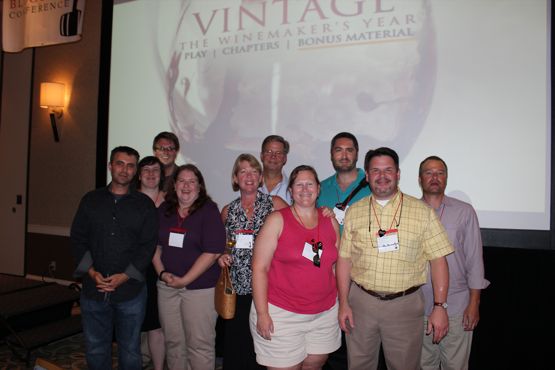
The Virginia Wine Blogger Clique
Impressions On the Wine Bloggers Conference 2011
Paul and I attended the 2011 Wine Bloggers Conference held in Charlottesville. Wine bloggers, winemakers, and other industry people from around the world came to the conference to talk wine, pour wine, and appreciate wine. Along the way, bloggers got the opportunity to hear words of advice from industry experts as well as from each other. I will post a summary of the conference and my impressions of it in a two part post. Today’s post will feature keynote addresses and important events that allowed bloggers to interact with each other, with winemakers, and of course, wine
Keynotes
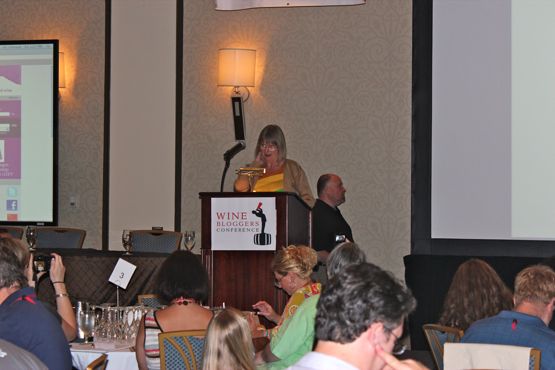
If there was an official start of the 2011 Wine Bloggers Conference, it was delivered on Friday by keynote speaker and wine industry legend, Jancis Robinson. After an amusing recap of her storied three-decades long career in the wine writing business, Robinson offered advice to bloggers: 1) be more investigative; 2) be more creative; 3) fine tune the writing and use the Economist magazine as a stylistic model; 4) date what you write; 5) be accurate; 6) be authentic, and 7) try to write for a more international community. Some of these tips seemed to concur with Saturday’s keynote address given by New York Times wine critic Eric Asimov who likewise encouraged bloggers to be more investigative and creative. In fact, Asimov advised bloggers to eschew posts that present tasting notes other than to describe wines as either sweet or savory. Like Robinson, Asimov offered accuracy and authenticity as critical assets to quality blogging.
We certainly internalized and reflected upon these critical pieces of advise from these renowned voices in the wine writing field. It certainly is very easy to become too comfortable with a known formula for topics and blog posts especially with the hectic realities of day to day living (like jobs, for example)! However, Paul and I used the days after the conference to brainstorm a list of topics that are outside of our usual focus on winery visits. We may even plan to revive our Extra Pour feature that presented lengthier articles and required more investigation and research. However, I’m not sure about abandoning tasting notes in our posts. For us these notes present our sensory experience with wines and how they matched with food. Why? When I read reviews of wines, either on blogs or traditional media, I like to read the tasting notes. How do these palates compare to mine? If the review features a wine that I’ve already tasted, did I get similar characteristics? Were my own taste buds off? What are other nuances that I should be able to detect? In other words, I consider the tasting notes part of the educational experience both for my readers and myself.
Interactions
Wine Tastings: In my opinion, these offered the best opportunities for bloggers to interact with each other, wine makers and other industry people about the one subject we all enjoy—wine.
1) Speed Tastings: Two of these were conducted, and the first one was held on Friday evening before we all went out to Monticello for a tasting of Virginia wines. The Friday session featured white wines from around the world including Virginia, and the second session was held on Saturday before the awards dinner. The second session presented red wines. The pace of these was certainly rapid with five minutes given for each winery to present its wine to tasters who than frantically tweeted their impressions. Despite the pace, we were able to compare notes with other bloggers. I don’t remember how many wines were tasted, but the whole thing lasted for almost an hour. Needless to say, I did lots of spitting. I do recall enjoying a bubbly from Gloria Ferrer and a Pinot Noir from King Estate in Oregon. I allowed myself to swallow a sip of those before reluctantly hitting the dump bucket.
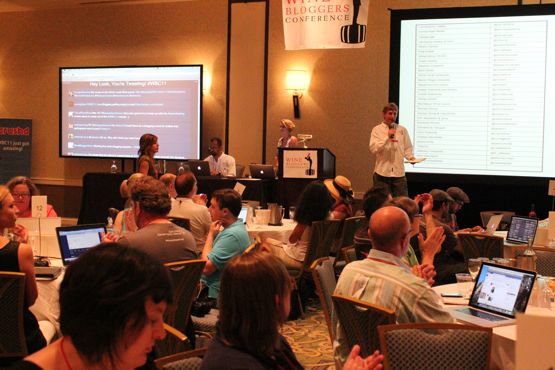
2) Monticello Dinner and Tasting: Mother Nature intruded on this Friday evening event and delivered a 100+ degree scorcher. Heat and humidity was definitely an issue both for tasters and winemakers who had to present their wines in less than optimal conditions. At least 30 Virginia winemakers were on hand to pour one white wine and one red wine for guests. Tasters seemed to be in the mood to try white wines, and in conversations with other bloggers who had never tried Virginia wines, Virginia Viogniers seemed to excel. One blogger noted the aromatic nature of Virginia white wines; another applauded the array of Viognier styles with each seeming to be well-crafted. We made the round of white wines first then enjoyed small portions of food that included cheese grits with shrimp, fried green tomatoes, and crab cakes. The heat did make some sippers leery of trying red wines, but those who did commented on the solid Bordeaux-style wines; however, the most buzz was generated around the Pinot Noir from Ankida Ridge. In fact, wine experts Richard Leahy and Dave McIntyre both gave me a thumbs up when I asked their opinions about it. One blogger from Oregon did also mention this one as a favorite of the Virginia reds. How did they all respond to the heat? I’m from New Orleans, so I felt like a fish in water (literally), and I’m able to roll with this kind of weather. I did ask one blogger from British Columbia how she fared in weather that had to be foreign to her, and she replied, “I just dealt with it. I’m here to experience local wines and talk to other wine bloggers about wine. I’m not sitting in the hotel room because it’s hot.”
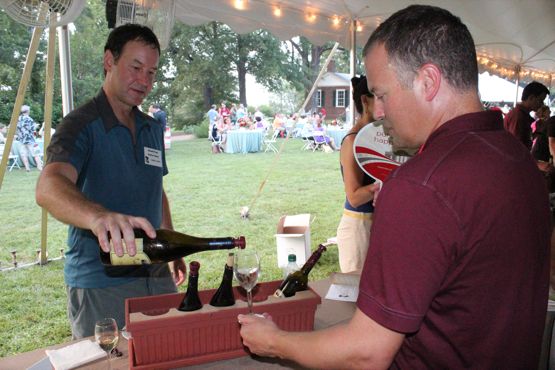
3) The Other 46 tasting: I was surprised that more wineries from other states did not participate in this, and I was even more surprised that most bloggers did not attend. With an increasing focus on drinking beyond West Coast and Western Europe, I expected this session to be heavily attended. To be honest, this was conducted after the Monticello event, so some bloggers may have been heat fatigued. However, the heat did not seem to dampen the enthusiasm for private parties that occurred at the same time. For me, this was a chance to try wines from Indiana, Missouri, Ohio, Texas, and Maryland. Several of us left with bottles of Missouri bubbly, Missouri Norton, and a very nice Missouri Vignole. I was also surprised by a Texas Tempranillo and a dry Riesling from Ohio. At the end of the session, a table of us Virginia bloggers were joined by a winemaker from Canada, a blogger from Vermont, a representative of Boordy Winery in Maryland, and Jen Breaux Blosser from Breaux Vineyards to chat about wine and the different varieties and styles offered by the various states.
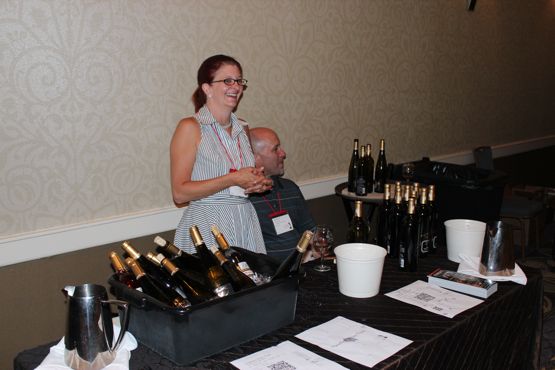
4) Winery Visits: This was held on Saturday afternoon, and bloggers boarded different busses each destined for at least two Virginia wineries in the Charlottesville area. Our particular bus (bus 4 rocked with DrinkWhatYouLike, Swirl Sip Snark, Cellar Blog, and Breaux Vineyards) headed for newly opened Pippin Hill Farm and Veritas Vineyard and Winery. We were particularly impressed with Pippin Hill, and its gorgeous setting prompted more than one blogger to snap as many pictures as possible. Wines included a Chardonnay, a Viognier, a Rose and a Blended Red. I’ll spare the details about the wines for a future post, but I will say that the wines were all well received as I spotted bloggers leaving with bottles. What may have helped to sell the wines were food pairings offered with each wine sample. Winery chef Amalia Scattena prepared a plate of seared scallops, chicken salad wrapped in grape leaves, and a muffin topped with frosting and a drizzle of chambourcin. I would have stayed longer just for more of the scallops and Chardonnay! From Pippin Hill we then boarded the bus and headed to Veritas Vineyard and Winery where we were directed to the tank room. It was deliciously cold down there too! Here winemaker Emily Pelton and her father, Stephen, gave us a vertical of Veritas Cabernet Franc starting back to the 2002 vintage and Petit Verdot. This session ended with a sneak sample of the upcoming Petit Manseng. We were then offered lunch in the upstairs dining room with a complete tasting of current releases provided in a private tasting room. Comments from the group? The white wines seemed to earn the most accolades with one blogger from New York suggesting that Virginia had given her a new appreciation for Chardonnay (lest we all think that Virginia only makes Viognier, of course). Petit Verdot seemed to trump Cabernet Franc, too.
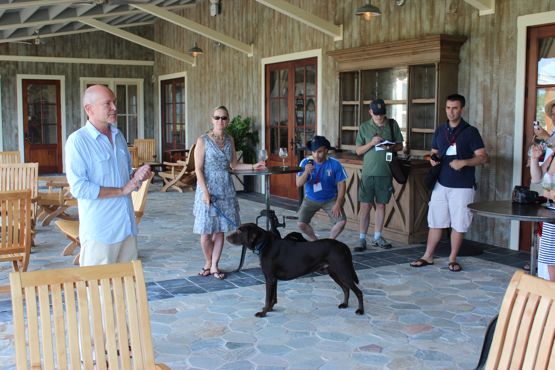
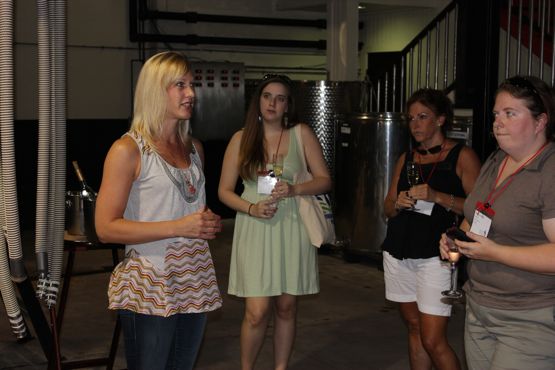
So what to conclude from these interactions? In regard to Virginia wine, the feedback that we received was largely favorable. Another blogger from Ohio summed up her perceptions in this way,”Virginia wines are clean and well made. I didn’t like everything that I tasted, but I liked a lot of what I tasted.” Fair enough. We also heard admiring comments about the extensive support offered by the state government and the well-organized efforts to promote Virginia wines. Dedication of winemakers was also noted; if anything, the weekend’s hot weather gave many bloggers an appreciation for the area’s challenges in making quality wines.
In regard to other bloggers, I was impressed with the number of folks who made an effort to participate in every program offered at the event. They were not daunted by the heat or the sometimes hectic pacing. I was also impressed with their open-mindedness toward Virginia wines; I must admit that I was a bit nervous as to how west coast palates would receive Virginia wines. However, a San Diego blogger extolled the virtues of Virginia reds, especially the 2007 Cabernet Sauvignon from Keswick Vineyards. It was unfortunate, then, that a handful of bloggers who opted not to participate in these events complained about the lack of interaction between bloggers and winemakers, squawked about the heat as though anyone could do anything about it, and snubbed Virginia wines. These complaints were usually tweeted from the comforts of their hotel room or the hotel lobby.
For brevity’s sake, I will end this post here but conclude my impressions in another post. Before I sign off, though, Paul and I cannot thank the Virginia Wine Board, headed by Annette Boyd, enough for planning this conference. They did an amazing job pulling all of this together. Until next time, happy sipping from Virginia Wine Time.
Hot Days and Cool Wines at Willowcroft
Our post about Big Cork Vineyard mentioned that winemaker Dave Collins began his career at Willowcroft Farm Vineyards, and we thought it would appropriate to visit the site where Collins perfected his winemaking talents. On a hot and humid day, we visited Loudoun County’s oldest winery, Willowcroft Farm Vineyards.
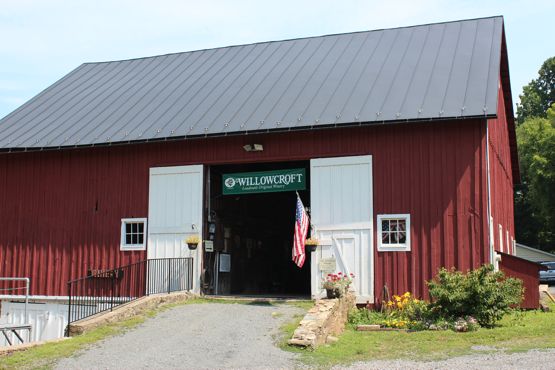
Winemaker Lew Parker opened Willowcroft Farm Vineyards to the public in 1984. At the time, it was the only winery in operation in Loudoun County; today, there are over 30 wineries in the region with more to scheduled to open. Today’s newer wineries feature state of the art facilities and tasting rooms; however, Willowcroft has maintained its rustic appeal and continues to taste in its renovated barn which pre-dates the Civil War. Once in the air-conditioned tasting room, we were ready to sample with a continued focus on summer wines. On a hot, muggy day, who can blame us?
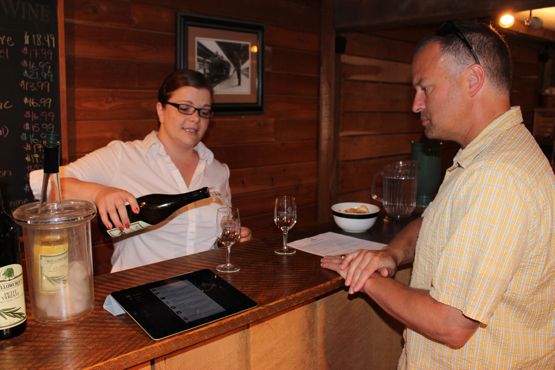
The white wines that we sampled ranged from very dry and crisp to sweet; all were appropriate for picnics and fireworks. The 2009 Chardonnay Cold Steel was crisp and clean with apple and pear notes. Refreshing too! Nice on its own but should pair well with shellfish and other seafood. The 2010 Albarino was similarly dry with a noted crispness thanks to stainless steel aging. Fruity Peach notes and flavors with a cooling minerality were noted. Again, not only nice on its own but also food friendly. Sweeter offerings included the floral 2010 Riesling Vidal Blanc; its 1.6% residual sugar elevated its apple and pear flavors to present a fruity wine. Even sweeter was the 2010 Traminette which boasts a 3.7% residual sugar level. Floral notes with pineapple and spice flavors should please those who prefer sweeter wines; in fact, our friend Michael Tyler came to mind when we sampled this one. Dessert wines should not be overlooked especially with fruit tarts or cheesecakes on the menu, and the 2009 Claire with its honeysuckle and apricot notes should provide a perfect way to end a summer dinner party. The Claire is made from late harvest Petit Manseng and blended with Riesling and Muscat Ottonel.
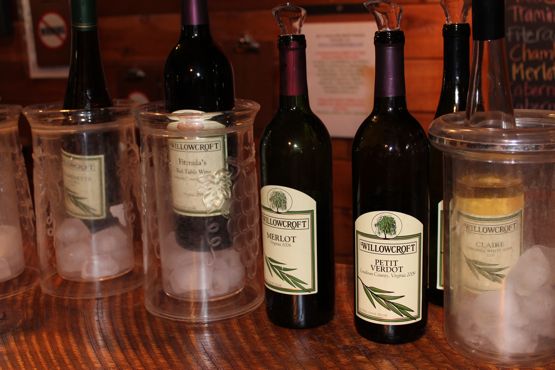
Grilled burgers on the grill? The lighter-bodied 2009 Fitzrada’s Red might be an option. A blend of Merlot, Chambourcin and Cabernet Sauvignon, we found it to be a fruity pour full of bright berry flavors. White wine lovers might enjoy a glass of this one as an alternative, especially with burgers or other grilled fare on the dinner table.
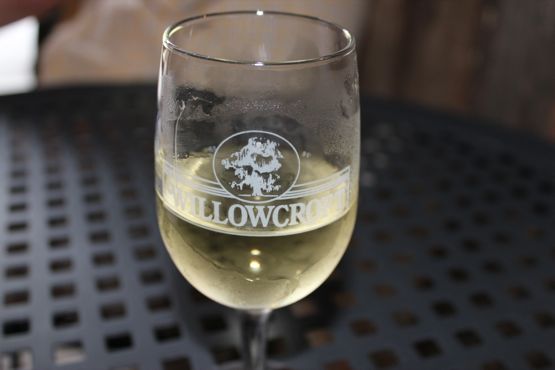
We ended our tasting at Willowcroft Farm Winery and opted to share a glass of the 2009 Chardonnay Cold Steel. It proved to be the right choice as relaxed at a shaded table in the old barn. Plan to celebrate summer with a visit to Willowcroft Farm Vineyards, and be sure to mention that Virginia Wine Time sent you.
Big Plans at Big Cork
On Tuesday, June 28, Virginia Wine Time attended an event that welcomed heralded winemaker Dave Collins, formerly at Breaux Vineyards, to upstart winery Big Cork Vineyards in Maryland. Others in attendance include Kevin Atticks and Regina McCarthy of the Maryland Wineries Association, Dave McIntyre, wine critic for the Washington Post, and Erika and Kirsten, bloggers for Cellar Blog. Owners Randy and Jennifer Thompson hosted the event at the Big Cork Vineyard.
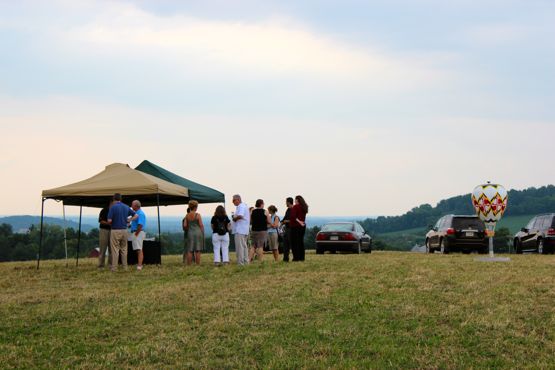
Fans of Breaux Vineyards were surprised to learn this past spring that Dave Collins would be leaving the winery after 14 years of winemaking at Breaux Vineyards. In fact, since Breaux Vineyards began operations, Collins was its only winemaker. However, the opportunities and challenges associated with a new vineyard and winery beckoned Collins to join the Big Cork effort. The implications of the move will go beyond Big Cork; the Maryland wine industry, like Virginia, has grown dramatically in the past several years. With growth comes the increased expectation that quality will also increase, and adding Collins to the Big Cork team will certainly raise the bar in that regard.
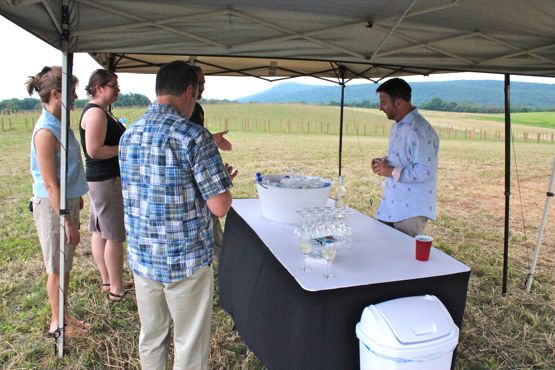
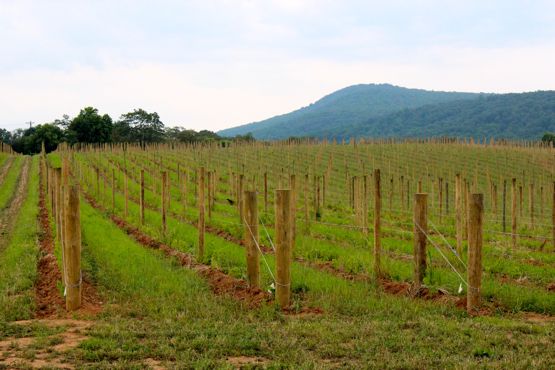
The event to introduce Collins as winemaker at Big Cork began in the newly planted vineyard. Randy Thompson welcomed guests as they arrived to the vineyard and greeted them with a glass of wine (of course). I chatted with Thompson for quite a while, and I can attest to his enthusiasm for this endeavor. The vineyard itself is actually part of 100 acres of property owned by Thompson and his family. He now has 22 of those acres planted in vines, and varieties include all of the Bordeaux red grapes, syrah, barbera, nebbiolo, sauvignon blanc, chardonnay, viognier, and albarino will be planted next year. Plans to expand plantings are also underway to reach a goal of 30 acres planted in vines. Randy also intends to go as “green” as possible in the vineyard and has already planted kestrel stations so that the flying predators can control vermin in the vineyard, and propane herbicides will be used to maintain weed control. Why propane? Thompson’s business expertise is in the propane industry, and apparently heated propane can be safely used in the garden (or vineyard) to rid it of unwanted weeds. Of course, the question that I asked next was, “Why did you want to get into the tricky and difficult business of winemaking?” Thompson loves wine; in particular, local wine. Like many local wine lovers, Randy excitedly sees a craft that is only getting better over time, and he wants to contribute to that industry. While surveying his own family-held property, Randy noted that farming was always part of the land’s tradition, and he believed that planting a vineyard should be part of the process.
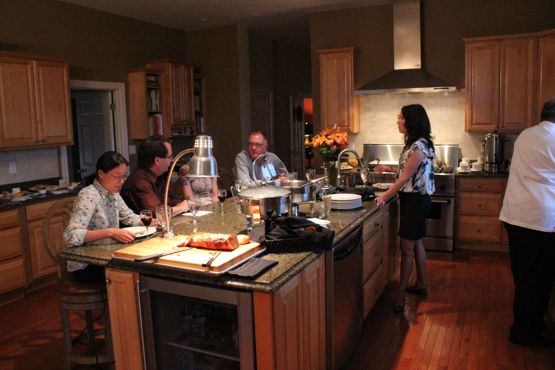
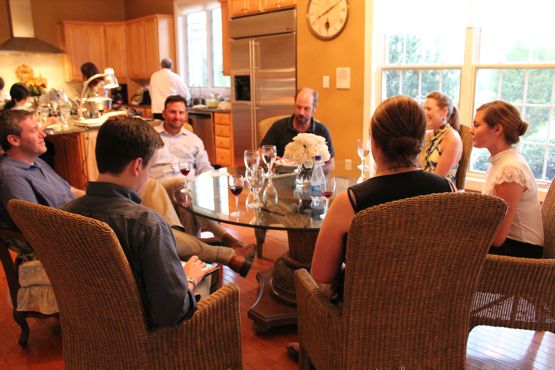
Thompson turned his attention to the guest of honor, Dave Collins, once all invited attendees had arrived. A toast to honor Collins and Big Cork was offered, and we were all invited to the Thompson home for heavy hors d’oeuvres and wine. Jennifer Thompson greeted us and led us to the kitchen where a buffet was arranged. Windows in the home allowed guests to gaze upon the mountainside landscape with the budding vineyard in clear view. The Thompson plan to eventually rent the home as a guest facility, and the breathtaking views (and wines) would certainly be an attraction. As we sipped and dined, we were able to chat with Dave Collins about operating a new vineyard and winery in an industry that is still fairly young. Collins reminded us that he got his start in the wine business when the Virginia industry was still in its infancy; in fact, he apprenticed under Lew Parker at Willowcroft Vineyards in the 1980s. From there he took the helm as winemaker at Breaux Vineyards when it began its operation in the 1990s. Big Cork Vineyards is not that far from Breaux Vineyards, so as far as Collins is concerned the micro-climates are fairly similar, and helping to start a new venture is within his realm of experience.
Speaking of wine, when will Big Cork open to the general public? The plan is to have wine in the bottle by summer or fall of 2012. Wines will be produced from grapes purchased from a local vineyard in Washington County, Maryland. From the estate vineyard, the goal is to produce 1000 cases from the 2012 vintage. Releases will include merlot, cabernet sauvignon, and viognier. Does Collins have any predictions about the first vintage? “You can’t tell your child in the womb that it is going to be an architect,” replied Collins.
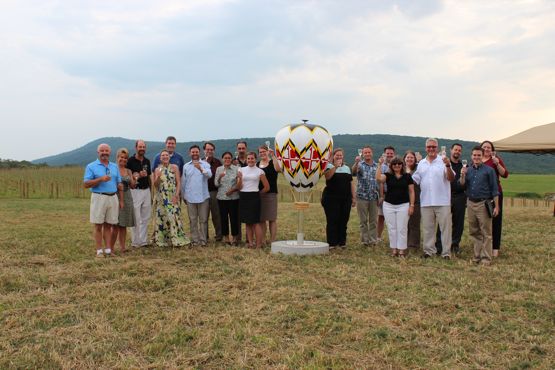
We are certain that Dave Collins will bring his excellent architectural skills to the winemaking at Big Cork Vineyards. Industry insiders Kevin Atticks and Regina were likewise enthused about the potential for Big Cork Vineyards with Collins at the helm. We will return to monitor the progress as it unfolds, and we eagerly await the first pours from Big Cork Vineyards. As the delightful evening came to a close we bid our farewells to Dave Collins as well as to Randy and Jennifer Thompson. We left feeling confident that this team has the energy, enthusiasm and experience necessary to continue the drive toward excellence that is the ultimate goal of the Maryland wine industry.