Thanksgiving approaches earlier this year, and it is time to think about food and wine pairings for Turkey Day. Of course, Virginia Wine Time always recommends Virginia wines. Here are some of our recommendations based on what we found on the wine rack at home:
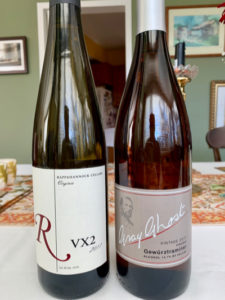 Floral and Versatile White Wines:
VX2 2017 from Rappahannock Cellars (a blend of Vidal Blanc and Viognier)
Gewurzatraminer 2017 from Gray Ghost Vineyards
These wines present lovely floral aromas and offer the kind of flavor profile to pair with turkey and a variety of the trimmings. We always suggest selecting Thanksgiving wines based on side dishes as those will indicate whether a lighter bodied wine or a fuller-bodied wine is more appropriate. These Virginia gems pair perfectly with herbed dishes, cranberry sauce, cornbread dressing, yams flavored with fall spices——endless possibilities here.
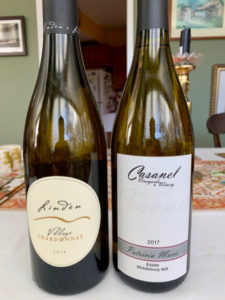 Fuller Bodied White Wines:
Village Chardonnay 2016 from Linden
Patricia Marie 2017 from Casanel Vineyards and Winery (oaked Pinot Gris)
Poultry partnered with creamy sauces, mashed potatoes and gravy, or rich vegetable casseroles may require a wine with more body and a fuller mouth feel. These suggested wines should fit the bill.
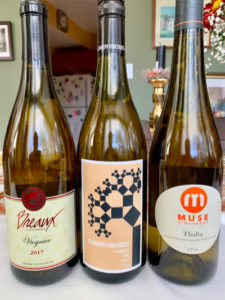 Rhone to the Rescue:
Viognier 2017 from Breaux Vineyards
Roussanne 2017 from Blenheim Vineyards
Thalia 2016 from Muse Vineyards (blend of white Rhone varietals)
Viognier is a Rhone varietal that has helped to put Virginia’s white wines on the map. It is therefore the state grape. It should also shine very brightly on the Thanksgiving table. Poultry and any number of side dishes such as those recommended above will prove Viognier’s versatility. However, Rousanne is a Rhone sister to consider; for the full Rhone effect, pour the complex Thalia 2016 from Muse Vineyards.
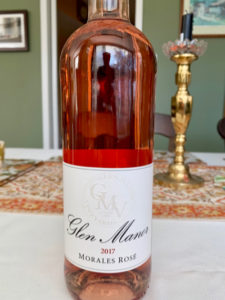 White Wine or Red Wine? Can’t Decide? Go with Rose
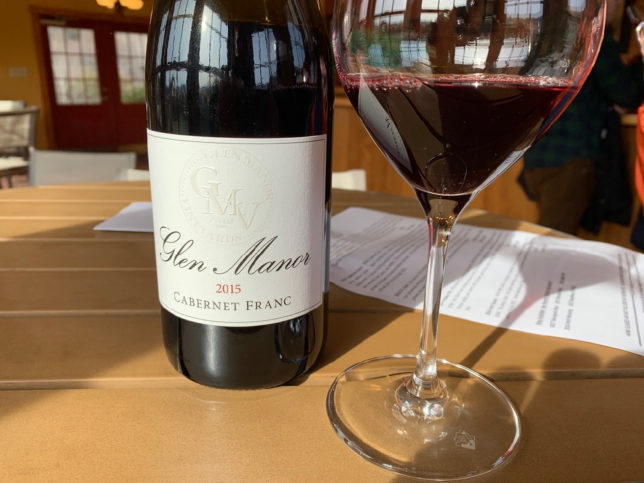
Morales Rose 2017 from Glen Manor (Cabernet Franc, Merlot, Cabernet Sauvignon)
Rose is the most versatile wine option to consider. It goes with pretty much anything, and that includes traditional Thanksgiving fare.
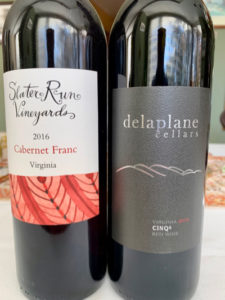 Lighter-Bodied Red Wines:
Cabernet Franc 2016 from Slater Run Vineyards
Cinq6 from Delaplane Cellars (blend of Cabernet Franc, Cabernet Sauvignon, Merlot, Syrah and Petit Verdot)
I am still a fan of Virginia Cabernet Franc, and I seem to trend toward lighter-bodied styles for Thanksgiving dinner. These are not heavily oaked and have proven to be versatile with turkey and traditional trimmings.
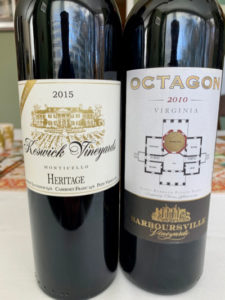 Fuller-bodied Red Wines:
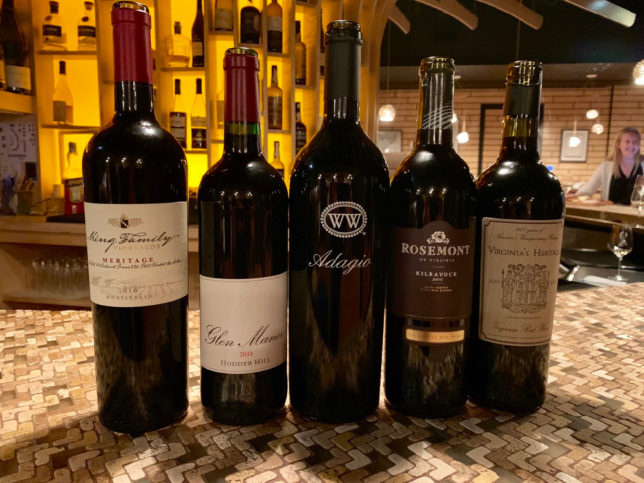
Heritage 2015 from Keswick Vineyards (blend of Cabernet Sauvignon, Cabernet Franc, and Petit Verdot)
Octagon 2010 from Barboursville Vineyards (blend of Merlot, Cabernet Sauvignon, Cabernet Franc and Petit Verdot)
So what if your Thanksgiving menu will serve beef instead of turkey? Consider these pairing options. Consider decanting first, even the Octagon 2010 if you happen to have a bottle on the wine rack. The 2010 vintage is highly regarded—-the growing season resembled Napa rather than Virginia. Therefore, I would advise letting it breathe for a while before serving.
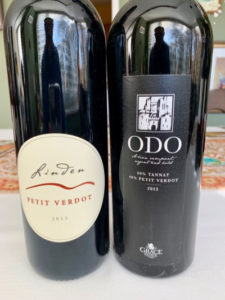 Bold!
Bold!
Petit Verdot 2015 from Linden
Odo 2013 from Grace Estate (blend of Tannat and Petit Verdot)
These suggestions are for the mavericks who opt for gamier meats rather than turkey. Duck confit, leg of lamb, venison, etc. should all respond nicely to these wine options.
Ciders, Meads, Etc.
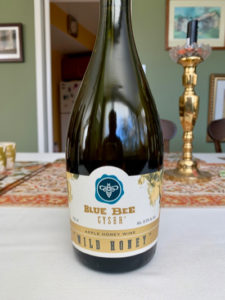
Blue Bee Cyser Apple Honey Wine
Another versatile option to serve with traditional Thanksgiving dinner. Offering baked ham instead of turkey? Give this suggestion a try.
Be sure to visit Virginia wineries soon to stock up on your Thanksgiving favorites. Check your local wine shop too as Virginia wines are may be sold there. If not, ask that they do! Wherever you go to purchase your Virginia wines, be sure to mention that Virginia Wine Time sent you!