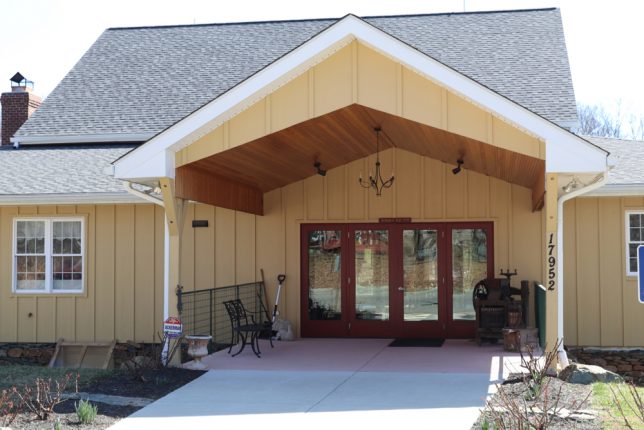
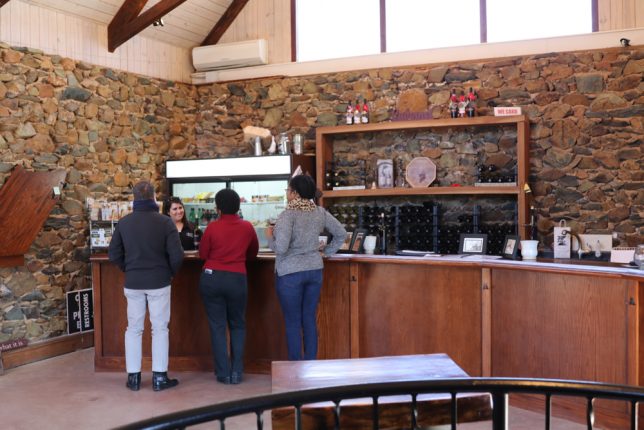
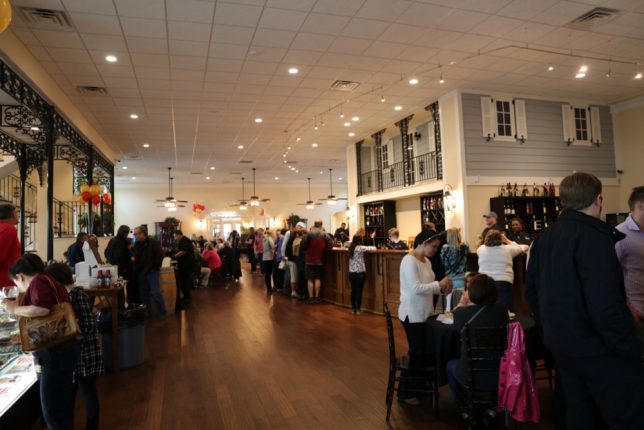
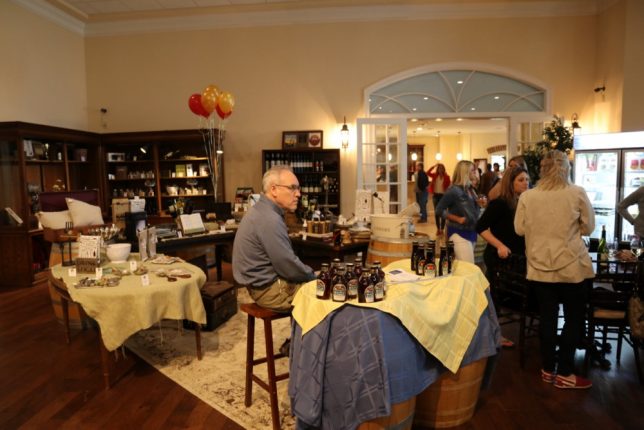
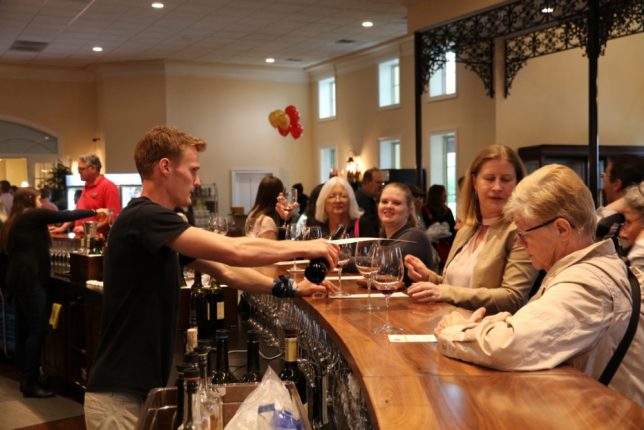
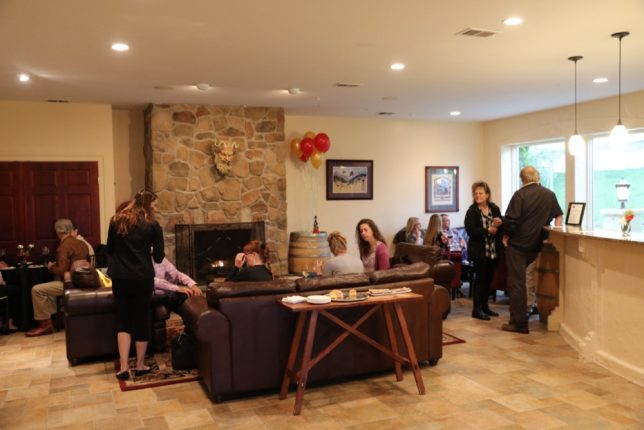
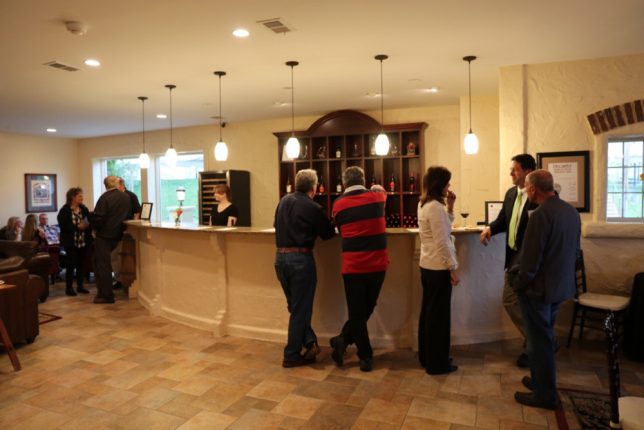
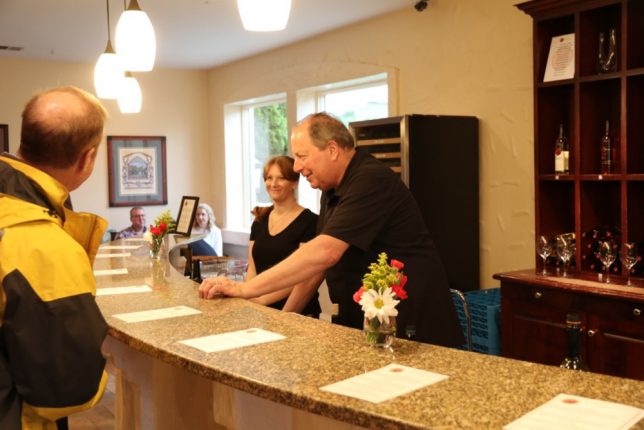
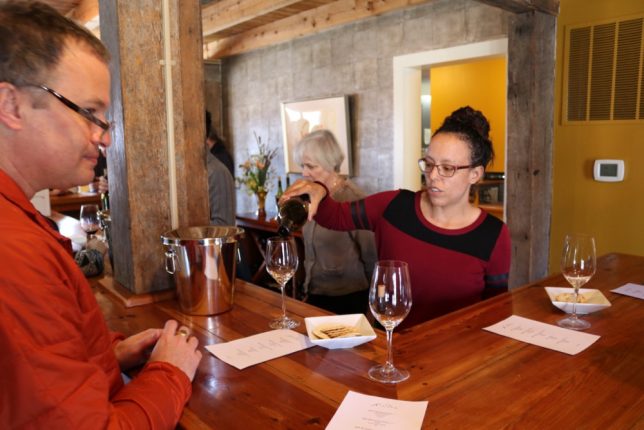
A few weeks ago we visited Rappahannock Cellars. We don’t visit too often but we always enjoy our time at Rappahannock when we do visit.
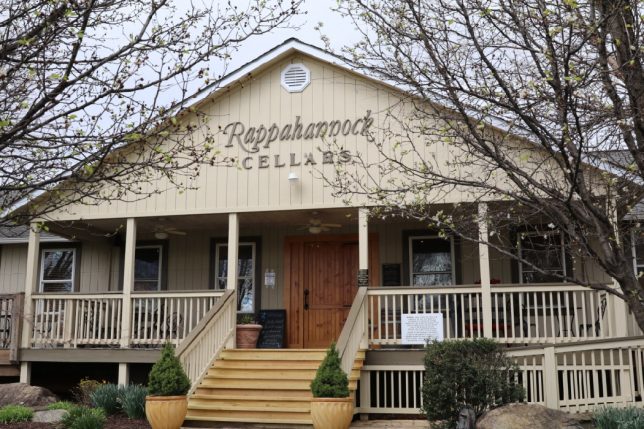
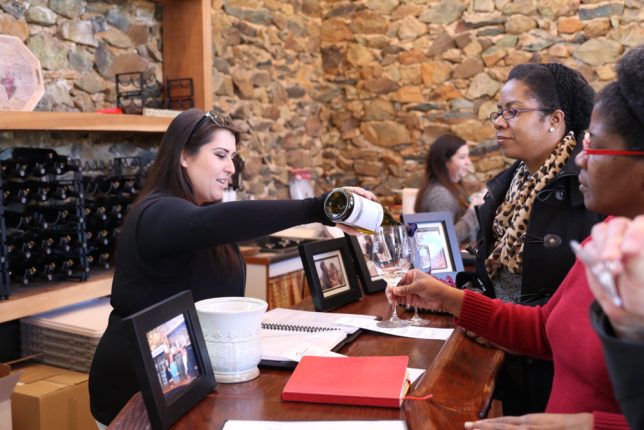
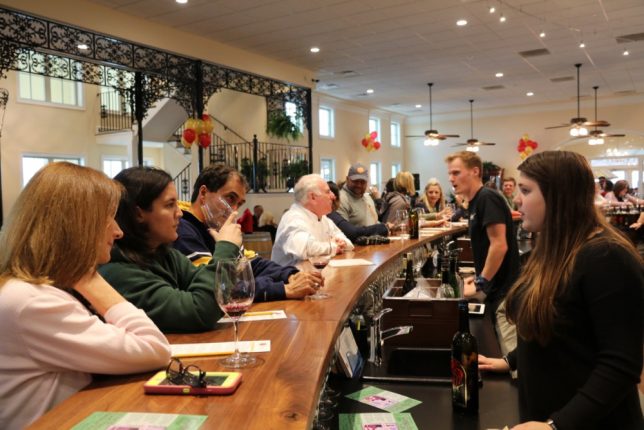
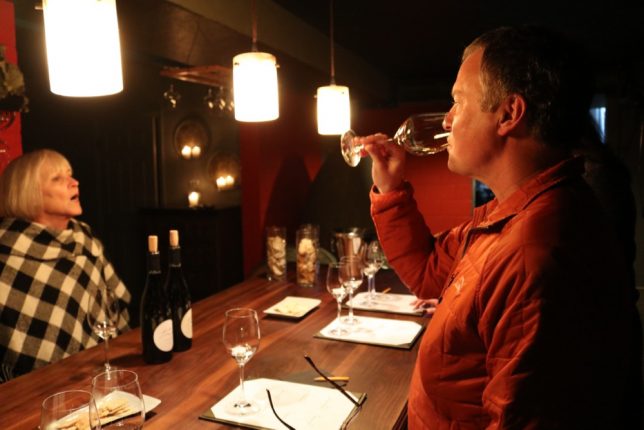
Of course we were there to taste the current line up of wines. From the few white wines that were on the tasting menu we both enjoyed the 2015 Viognier. We noted peach, tropical notes, and a full mouth feel. Warren also really enjoyed the 2014 Chardonnay. He noted pear, pineapple, and a honey feel.
There were more reds to taste than whites. From the reds we tasted we both enjoyed the 2012 Meritage. We noted pencil shavings on the nose and plum, currents, berry notes on the palate and tight tannins and leather notes. This one made us think of a thick filet mignon.
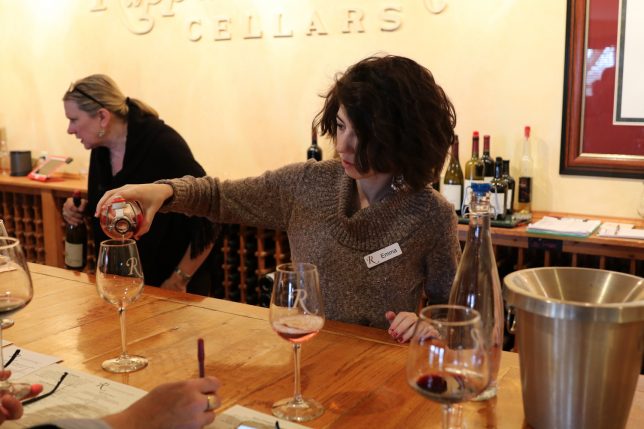
After our tasting we spoke with our tasting associate about the wine club. Of course I’m thinking I don’t need to join another wine club. But what hooked me was that most wine club shipments are wines not available to the general public. I belong to a handful of wine clubs and I enjoy wines that exclusive to the club. I decided to join the club.
We then entered the club room and did a little comparison of the club chardonnay vs. the regular chardonnay. We both enjoyed the club chardonnay. This little comparison was evidence enough for us to know we made the right decision to join the club. This is not to say the regular chardonnay isn’t good, we enjoyed it, but the club chardonnay was a step above.
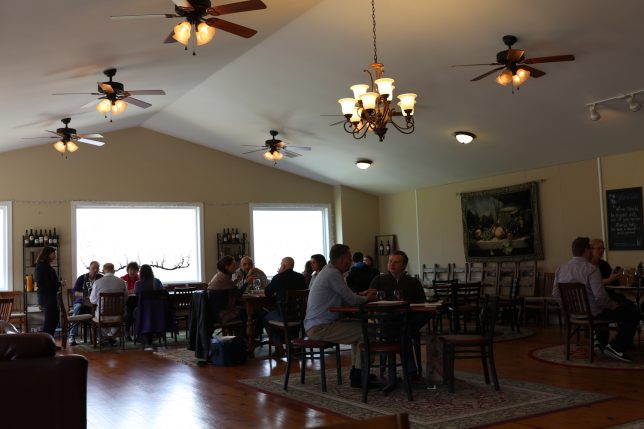
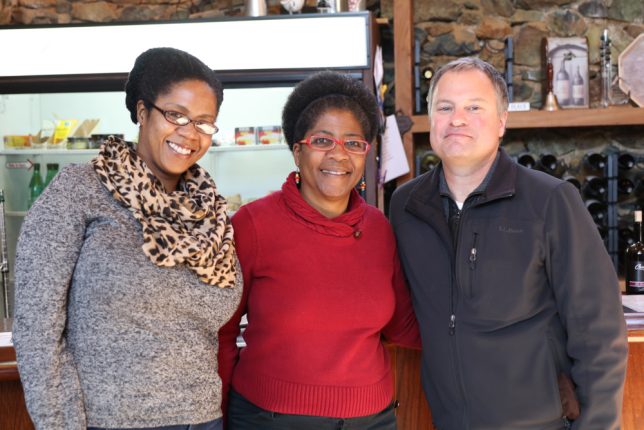
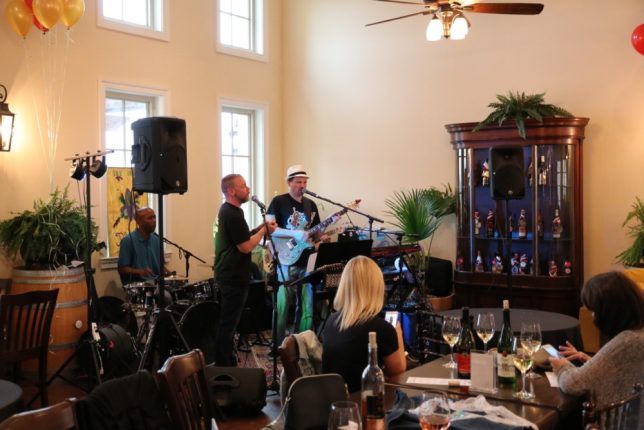
We have many wine friends who are already club members at Rappahannock and now we are club members too! We enjoy joining them for events and tastings in the club room at Rappahannock. If you haven’t been to Rappahannock Cellars recently, return to see what’s new. And who knows, you might join the club! When you do return, tell them Virginia Wine Time sent you!




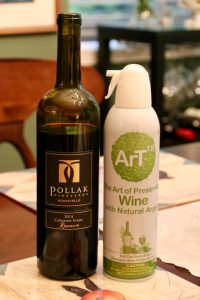 However, we decided to accept the challenge and see exactly how this system works. We decided to open a bottle of the 2014 Cabernet Franc Reserve from Pollak vineyards. We love this wine already and would hate to see it go to waste. We each had a glass from the bottle. We then followed the directions on the can. We put the nozzle in the bottle and held the handle for two seconds. The argon gas displaced the oxygen and covered the wine surface with a layer of natural argon gas. This kept the wine from oxidizing and ruining the wonderful flavors of the wine. We quickly re-corked the bottle and stored it standing up in a cool, dark closet. We enjoyed our glass and took notes on the characteristics of the wine. While we wanted to have another glass, we decided we should keep it corked for the experiment.




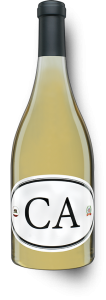 CA manages to meld both Old and New World styles. On both the nose and palate, it suggests the weight of a Napa inspired white wine; indeed, it is barrel aged in 30% new French oak in addition to fermentation in stainless steel tanks. Therefore, it presents a crisp entry with fruity flavors of pear, stone fruit and citrus. It finishes with a nutty element as well as a fuller mouth feel. Take time to note its lovely aromas of butterscotch, pear and lemon peel. In a way, it seemsto merge California and the Rhone region of France into a wine bottle. Who says white wines can’t be complex? CA is a blend of Chardonnay, Sauvignon Blanc, Viognier and Roussane; growers hale from Napa, Sonoma, and Mendocino. Food pairings? I enjoyed this one with roasted chicken with mashed potatoes. Herbed pork roast, dishes topped with cream sauce, goat cheeses on a toasted baguette—-you get the picture (or the menu ideas.)
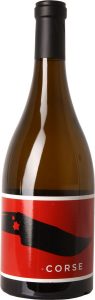 Quite simply, we both adored this wine. On the nose, I noted aromas of spring blossoms, lime, orange zest, and shale; flavors of pear, lime and citrus zest led to a full and fruity palate followed by a crisp finish. Corse fully expresses a Mediterranean climate with its cool, breezy nights and warm, dry days. Did Napoleon Bonaparte, Corsica’s most famous native, enjoy this Vermentino with his favorite meal—-chicken and pasta with parmesan cheese? We hope so, and I thought of Napoleon when I prepared dinner. Crab cakes were on the menu, but I did toss some bowtie pasta with butter and parmesan cheese to serve as a side dish It proved to be a lovely pairing!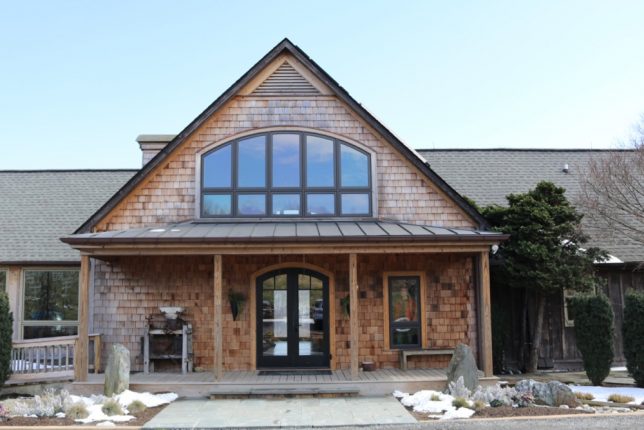

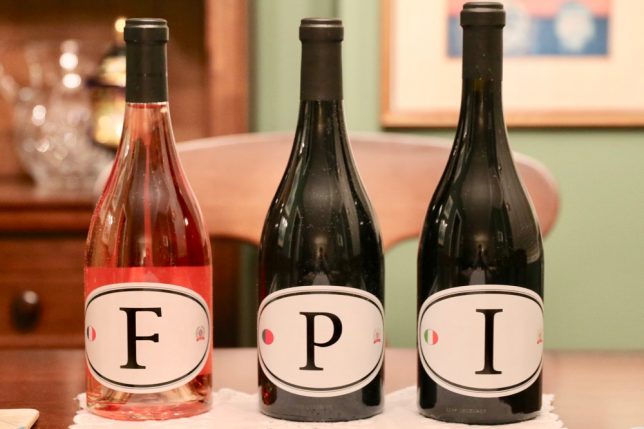
 I is a blend of Negroamaro, Nero d’Avola, and Barbera, and these varietals represent fruit from Puglia located Southern region of Italy as well as Barbera located in the Piedmont region of Northern Italy. The result is a rich, complex wine with aromas of blackberry, charcuterie, fall spices and cedar. A fruity palate of dark berries gives way to spice and oak nuances. Enjoy with Italian fare or with beef dishes, a platter of sliced dried meats, and hard cheeses.
 If roasted chops are on the menu, consider P, a blend of Portuguese grapes that includes Touriga Nacional, Trincadeira, and Touriga Franca. P also presents a fruity nose and palate with notes of plum, cherry and blackberry; hints of anise and black pepper also come out to play. We enjoyed P with roasted pork chops and roasted potatoes sprinkled with basil, thyme, and rosemary.