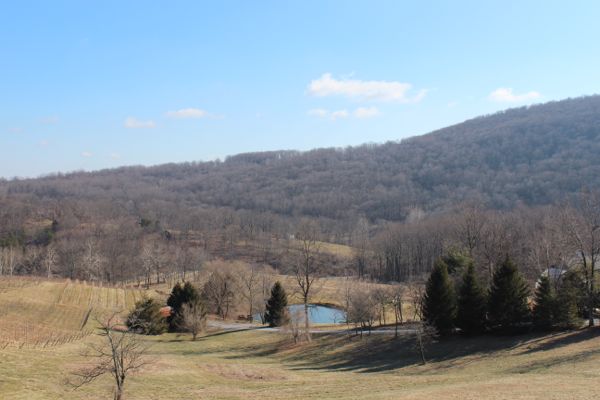
We haven’t been on the wine trail since Columbus Day weekend! Yesterday we decided to go to Linden Vineyards. We’ve had a busy couple of weeks and we wanted to relax and enjoy some wonderful wines. As usual, Linden didn’t disappoint.
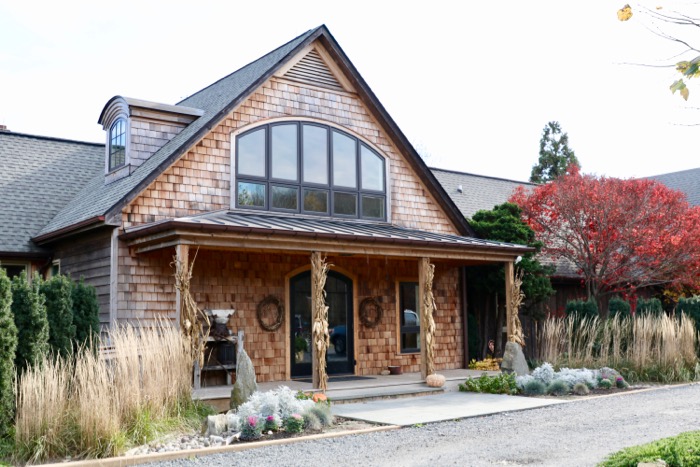
As we drove up the driveway we saw Jim Law out in the vineyard he had just ripped up. He pulled out 20 to 30 year old Cabernet vines and plans to replace them in 2018 with new Cabernet vines. The vines that were ripped up and been grafted from Chardonnay vines. Some took, some didn’t. Over the years they had vines ripening before others in the same field. Jim made the decision to start over. This time he’ll plant them in a north/south orientation to take advantage of the sun. According to his newsletter and Jim himself, look for this vineyard to be in the bottle by 2022 or 2023.
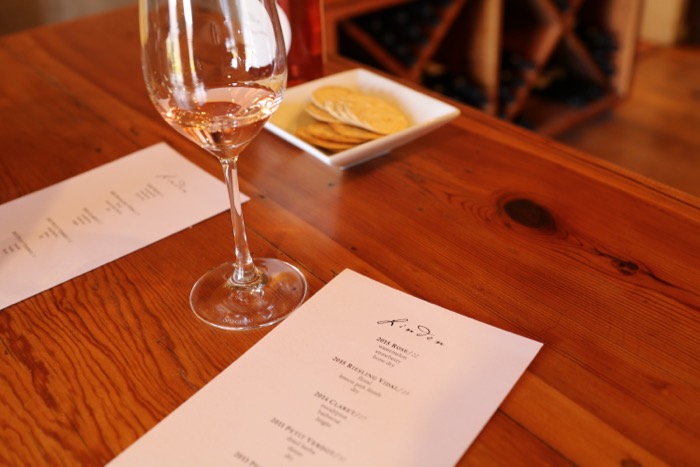
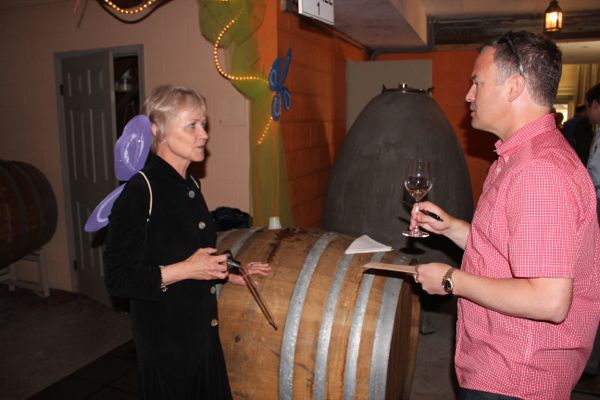
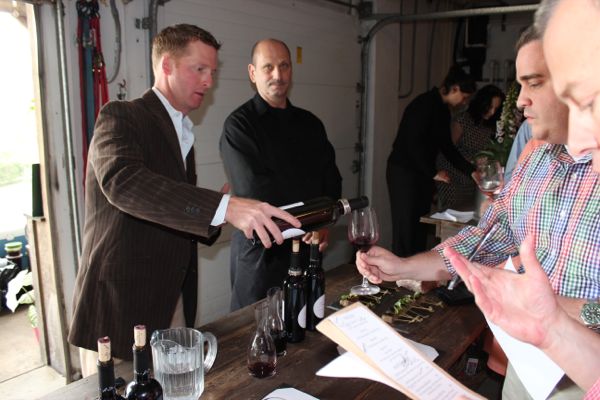
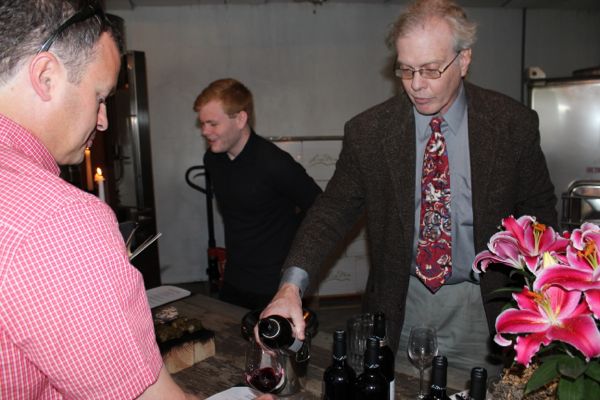
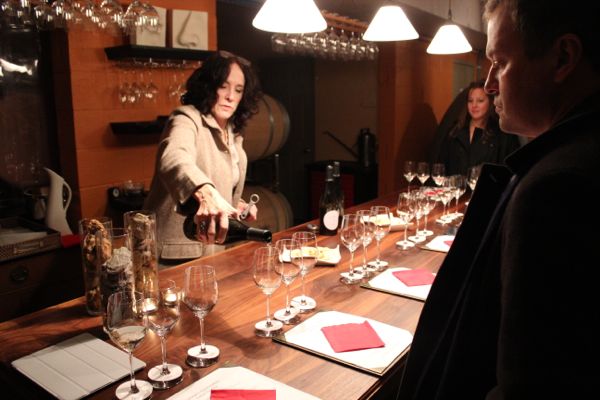
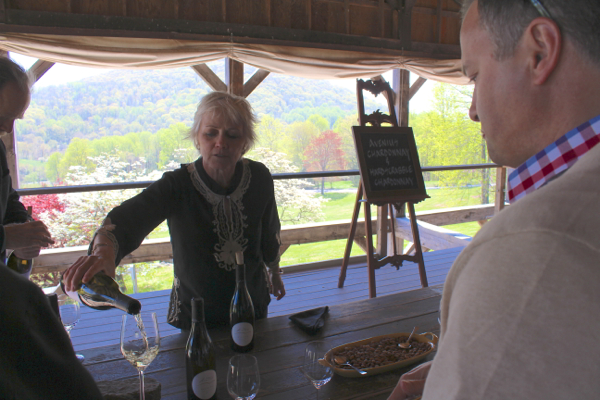
Upon entering the tasting room we saw Shari Avenius, always smiling and ready to talk wine. We were lucky enough to have her begin our tasting. But before the tasting began we signed up for the cellar tasting. This time it would be with Jim Law himself. On the tasting menu we tasted the 2015 Rose, 2015 Riesling Vidal, 2014 Claret, 2011 and 2013 Petit Verdots. Of course all the wines were wonderful but the 2014 Claret stood out to me. It was smooth and fruity and definitely a food friendly wine. It was my kind of red. Not too heavy and not too light. It was just right.
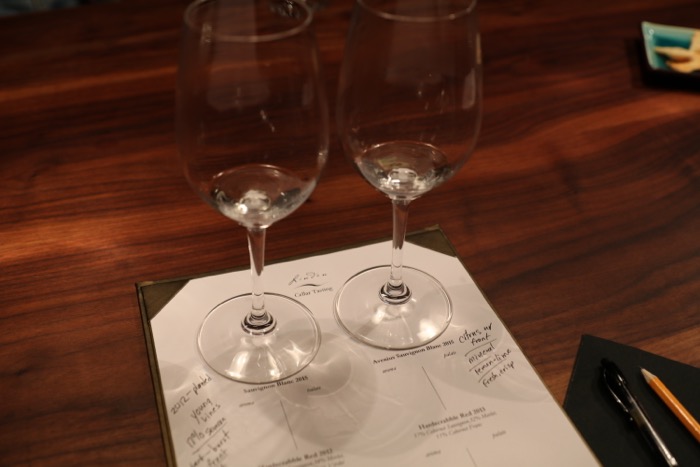
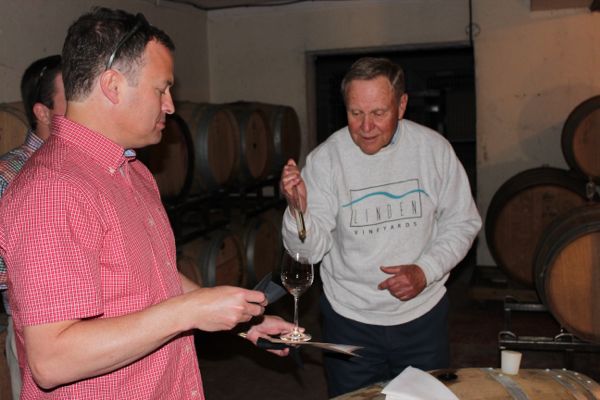
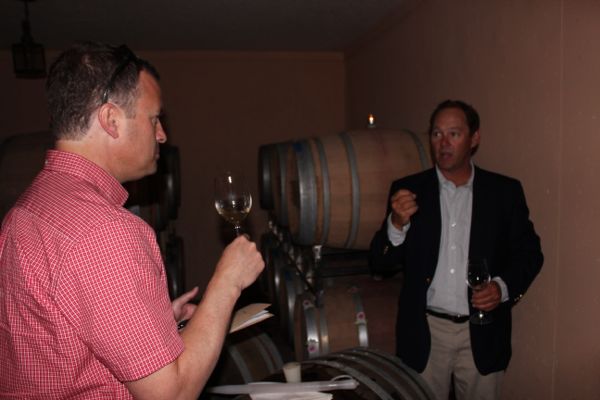
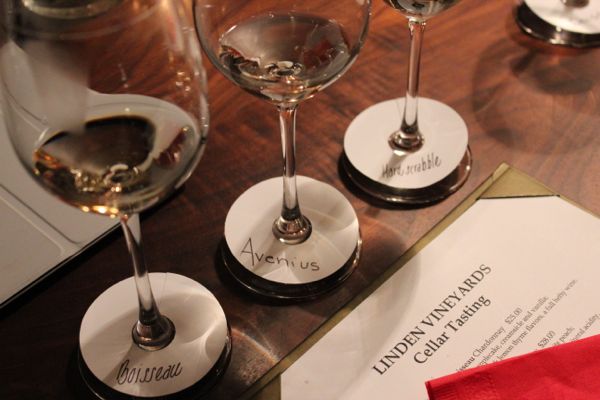
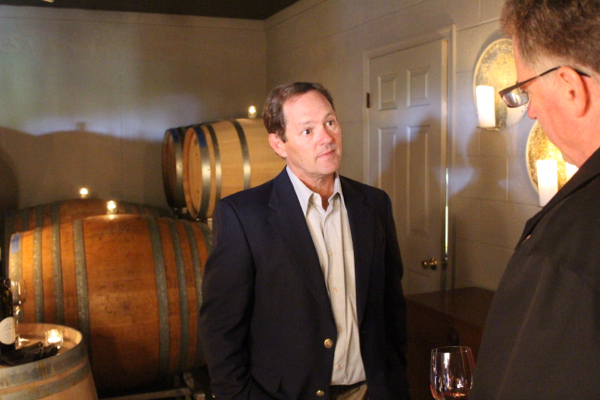
After our tasting we joined Jim Law in the cellar. Here we tasted the 2015 Sauvignon Blanc compared to the 2015 Avenius Sauvignon Blanc, then the 2012 Hardscrabble Red compared to the 2013 Hardscrabble Red and finally the 2009 Late Harvest Vidal with the 2012 Late Harvest Petit Manseng. Warren and I actually came to the same conclusion on these. We both enjoyed the 2015 Avenues Sauvignon Blanc. We enjoyed the citrus (lemon-lime) and mineral notes. It was fresh and crisp! We both also enjoyed the 2012 Hardscrabble Red. We found it to be soft and fruity with bright berry notes. Jim described it as feminine and we agreed. We thought the 2013 needed a bit more time to enjoy. We finished the cellar tasting by agreeing the 2009 Late Harvest Vidal was the winner of the dessert wines.
We were so lucky to have Jim do our cellar tasting. We were the only ones at that tasting time so we had the opportunity to chat with him about all sorts of things. We always enjoy spending time with Jim. We suggested he come to DC and we’d take him out to dinner!
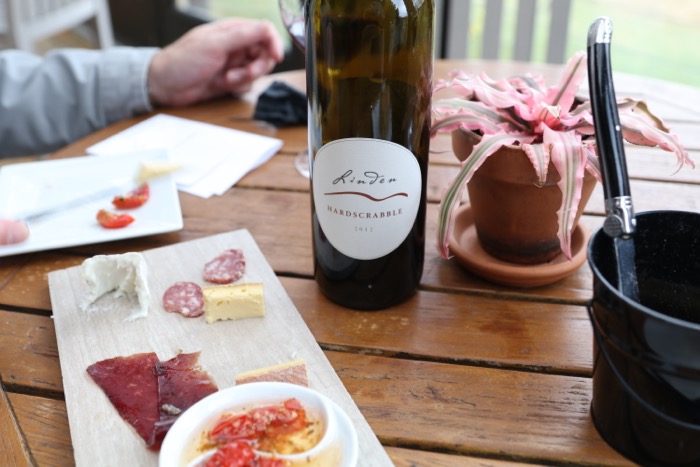
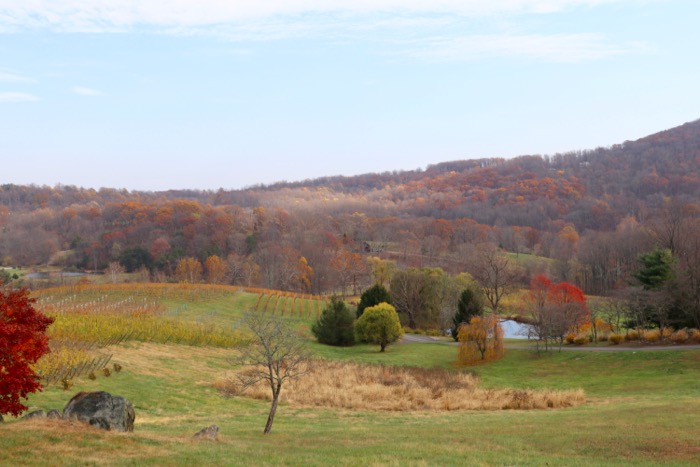
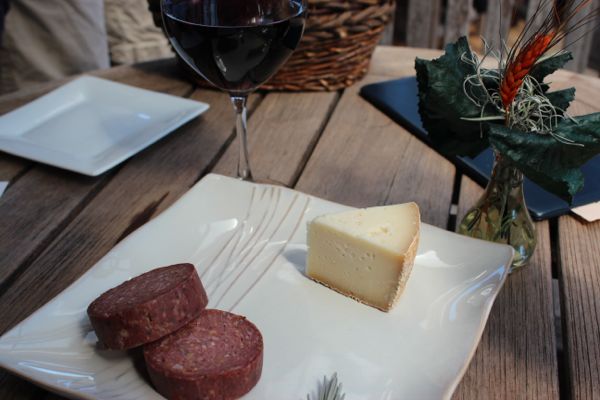
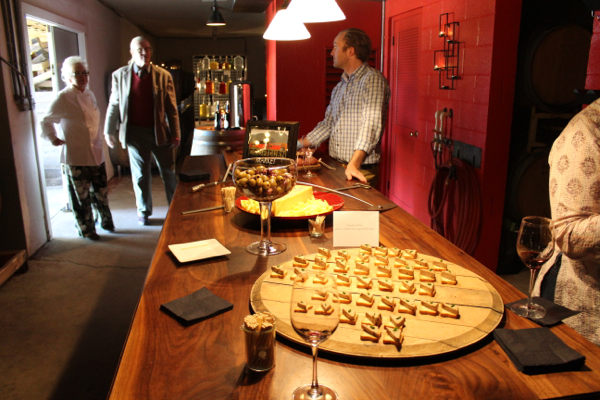
After our cellar tasting we enjoyed a nibbles tray with a bottle of the 2012 Hardscrabble Red. Perfect pairing with the cheeses and meats on the tray. Of course we enjoyed the view as well! Linden Vineyards is definitely very high on our favorites list. We always have a great time and always enjoy the wonderful wines. If you haven’t been Linden Vineyards lately, it’s time to return. And when you do, tell them Virginia Wine Time sent you!
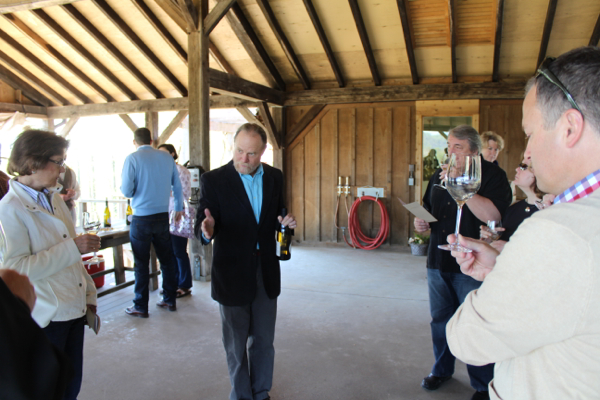
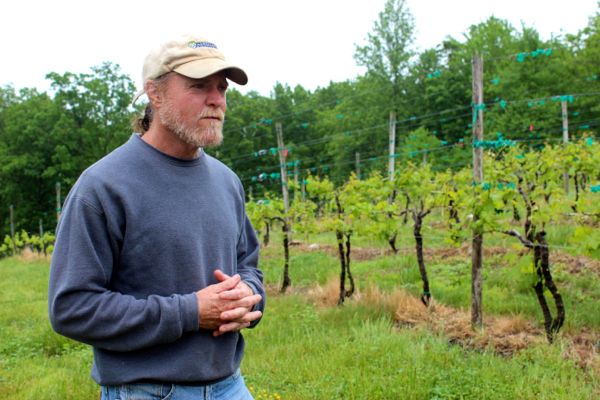 Jim Law of Linden headlined the TasteCamp finale, and he conducted a personal tour of his Hardscrabble site for campers. Jim is something of a god here in Virginia, so this opportunity for campers to meet the man who inspired the sea change in Virginia’s winemaking was truly an incredible experience. Jim’s tour ended with a tasting of his wines, and taste camp ended on the highest note possible.
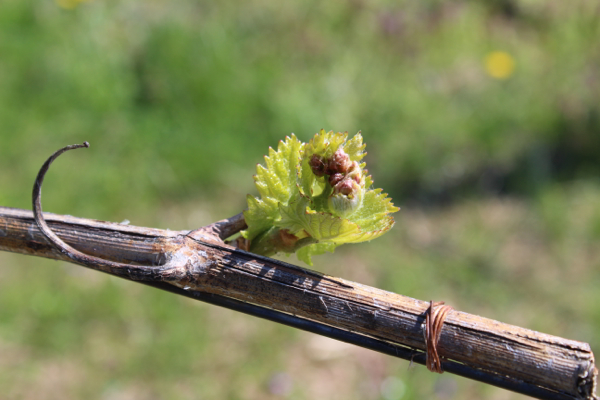
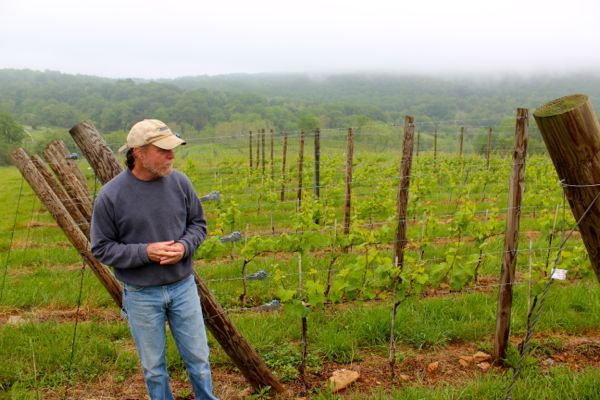 Taste campers met Jim on a very foggy and chilly morning to tour his Hardscrabble site. Jim has been making wine at the Hardscrabble vineyard since at least 1987, and he began the tour at his block of oldest chardonnay vines; however, lest we think that Jim contently sits on his laurels and lets 25 year- old vines do their thing, campers were informed otherwise. Jim is in the process of renovating and replanting his vineyard so that particular varietals are planted in the most appropriate soils and microclimates. Blocks of merlot are being uprooted and then replanted with chardonnay. Carmenere is being grafted onto merlot to produce more merlot. Poorly performing carmenere will be phased out. New vines will be spaced closer together. Canopy management will change too. A recent trip to Bordeaux vineyards revealed to Jim that merlot grapes actually do not like plentiful sunshine, and overly ripened merlot produces jammy, uninteresting wines associated with the mediocre stuff associated with California. Therefore, Jim will make the necessary adjustments with his merlot vines. What does all of this say about Jim Law? I concluded that Jim stays at the top of his game because he always seeks to improve. Jim constantly referenced his desire to “get better” or “make better wine”; although other area winemakers often acknowledge Jim as their teacher, mentor, or hero, it was obvious to me that Jim still considers himself to be a student. Perhaps it is for this reason that his wines consistently set the bar for quality in Virginia.
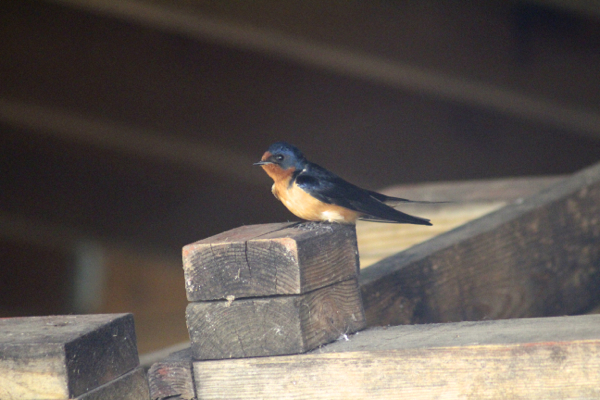
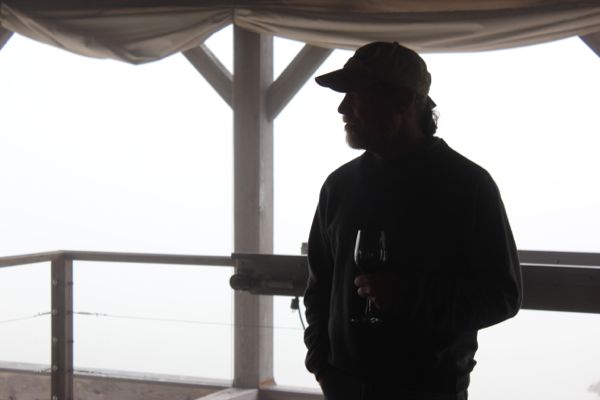
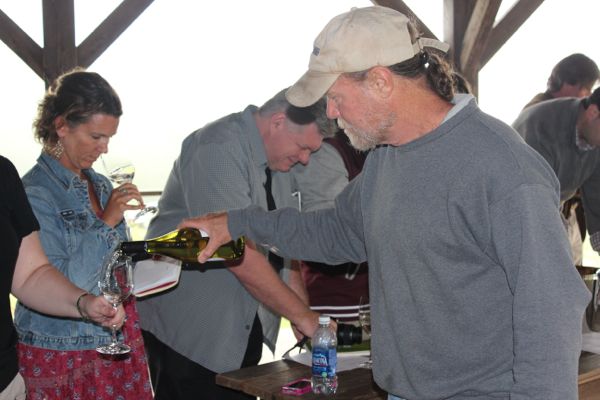 Jim then led us to the crush pad for a tasting of his wines. The fog intensified as barn swallows frantically fluttered around, and a Gothic feel permeated the atmosphere as Jim presented his wines. These included the 2011 Avenius Sauvignon Blanc, 2009 Harscrabble Chardonnay, 2008 Hardscrabble Red, and 2009 Avenius Red. As the fog encircled us, it was hard to miss Jim’s Old World style of winemaking. Elegant and focused, integrated and balanced—these wines were indeed at the top of the class. It was here that I heard the highest praises of the weekend with one New York camper commenting that Jim’s wines were “world class.”
 Reflections: So what did I learn from taste camp? Winemaking is a tough business, and the phrase, “winemaking starts in the vineyard”, may seem cliché, but indeed it is true. The vineyard management alone should frighten off all but the most dedicated and passionate. There are many decisions and tasks involved just with the vineyard management. Which site to select? Which varieties to plant, and then which clones? What about trellising—smart dyson to maximize production? Mow the lawn or let the weeds grow to soak up some unwanted moisture? Pick now or gamble on the weather? Needless to say, there are many more decisions to be made once grapes are harvested and then fermented and aged. Serious winemaking is not for the hobbyist, and even most seasoned veterans must be opened to changes if they wish to constantly raise the quality of their wines.