More On California

So with so many wineries to visit in Napa and Sonoma, how does one decide where to visit (and where not to visit.) We sought advice from friends and industry people and made our plans according to their recommendations. We also wanted a balance of wineries with equal treatment of Napa and Sonoma regions, and we were indeed able to achieve this goal. Before I reveal our favorites, though, a few thoughts on our overall experiences and how they compare to those in Virginia.

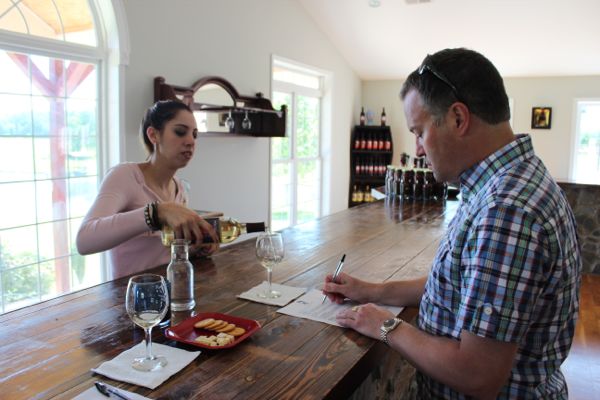
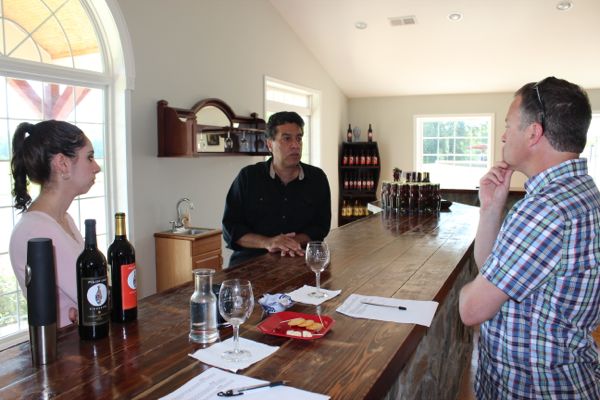
Order Tramadol Overnight Our favorite wineries were those that focused on smaller quantities and fewer varieties. (Mind you, a 10,000 case production is considered small in California.) Hanzell Vineyards, for example, is almost laser-like in its focus on limited productions of high-quality Chardonnay and Pinot Noir. While we adhered to our list of recommended wineries, we also mixed in a couple of spontaneous visits to larger, more commercially driven producers. How did they compare? As you can imagine, the comparison was not very favorable toward the volume producers. There was one advantage to these tastings, though, and that was the price. On the whole, visiting a Gallo-type of winery was cheap with tasting fees usually no higher than $10 and wine prices at grocery store levels. The tasting menus were also more extensive. However, quality was our pursuit, and readers who share a similar agenda should be prepared to pay higher tasting fees that may range from $20 to $45. Needless to say they should also be prepared to pay higher prices for favorite wines. The investment, though, is worth it. We tasted amazing wines that cannot be found at local wine shops, and we found tasting room associates to be very knowledgeable and eager to answer our questions. We also encountered an interest in east coast wines, particularly from Virginia!

Order Xanax No Prescription What does this have to do with Virginia wine experiences? Virginia wineries, especially the best ones, produce even smaller quantities of wines. Our best winemakers are likewise passionate about making terroir-driven wines that require diligence in the vineyards. As in Napa Valley or Sonoma, Virginia’s best vineyard managers and winemakers know what to grow and not grow in their particular micro-region, and this means a limited focus on growing only a few suitable varieties. The result? Higher fees to enjoy quality wines. Napa Valley and Sonoma wineries do hold one decisive edge, though, and that is consistent quality. Even the “meh” wines produced from the more commercial labels were void of obvious flaws such as volatile acids and full-blown brett. However, Ben Sessions at Hanzell Vineyards recalled that the California wine industry’s transition to world-class quality was preceded by a time in the 1950s and 1960s when wines were flawed and of inconsistent quality. More knowledgeable winemaking and vineyard practices gave way to more consistent quality, and this occurred over time. I believe that we are in a similar state of transition in Virginia as the quality of Virginia wines continues to improve.

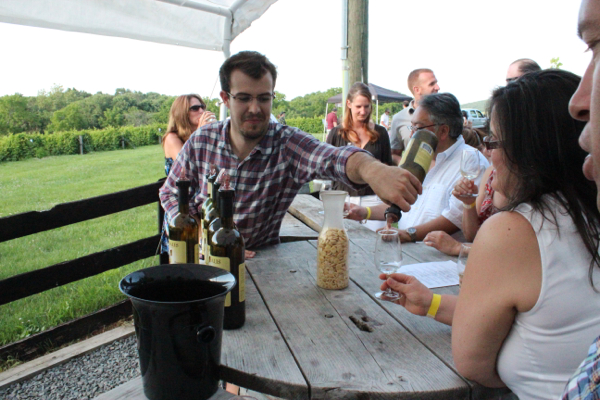
Do Virginia wineries have an edge in other areas? Yes. For those who like the full winery experience with food, friends and entertainment, Virginia wineries by and large deliver. Not many of the wineries that we visited in California encouraged a stay beyond the tasting—friendly gatherings with a favorite bottle of wine and a picnic basket were not usually encouraged. Dog bowls for Fido? Kiddie Korners for the twins? Not in sight.

Order Tramadol Online So without further ado, here is a list of our favorite wineries:

Napa Valley
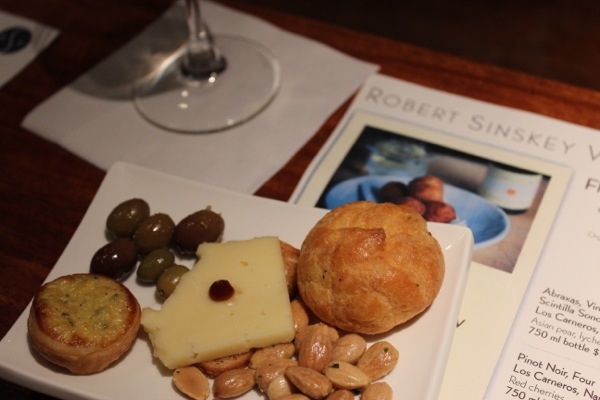
Robert Sinskey: Old World winemaking here with lovely Pinot Noirs that reminded me of Burgundy. I also enjoyed the 2011 Abraxas, a crisp white blend that did not include Chardonnay!
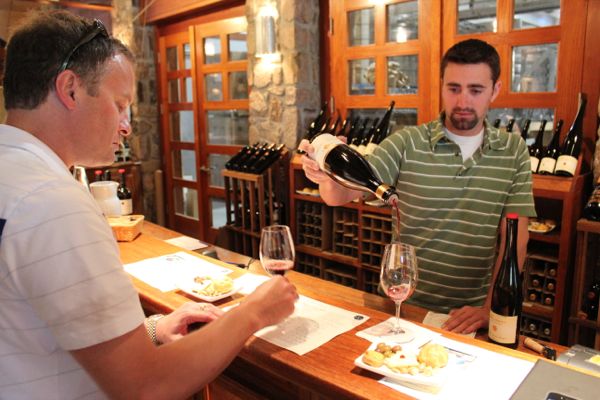
Sawyer Cellars: Our first winery stop as we drove from the airport. (This may become a tradition—this was also our first stop during our last trip to Napa.) Expert wine tasting conducted by Candace, and these were well-balanced wines with red wines aged in French oak barrels. Paul favored the 2005 Merlot; I enjoyed the more complex 2008 Estate Bradford Meritage.
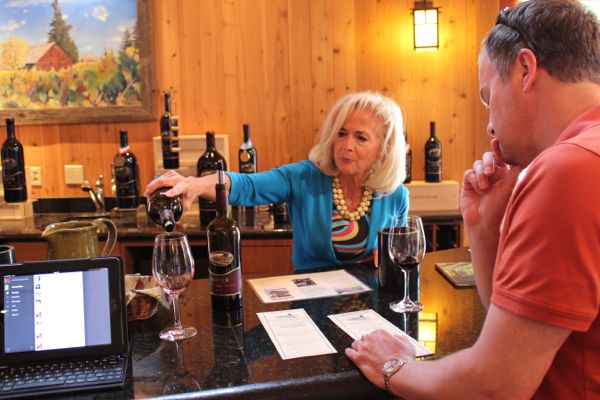
Silver Oak: Cabernet Sauvignon is the focus here. Chuck conducted our tasting, and he was very curious about Virginia wines since he lived in the area years ago. We made sure to update him on the exciting developments! My favorite was the 2007 Cabernet Sauvignon with its powerful dark fruit flavors, spicy elements and lengthy finish.
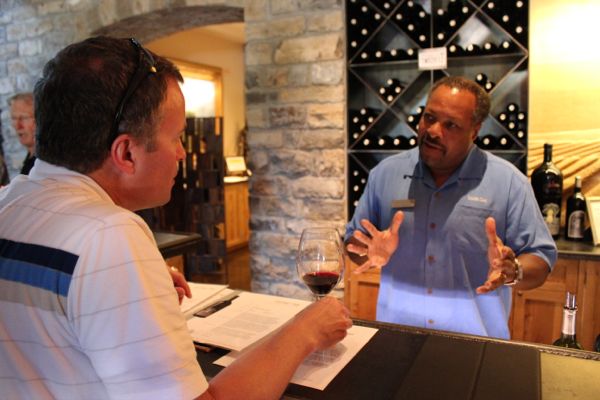
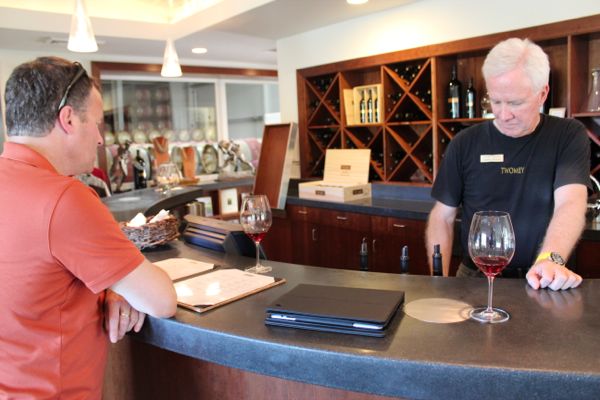
Twomey: I just had to sample the 2002 Merlot one more time since it was a favorite from our last trip. Guess what I did? I bought another bottle of it!
Sonoma
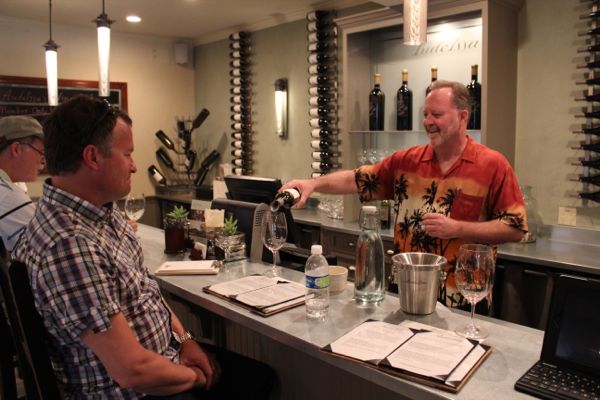
Audelssa: Nice tasting room with comfy sitting areas for those who do want to purchase a bottle to enjoy with friends. We both enjoyed the 2008 Tephra, a red blend. (I forgot to note what was in the blend—oops.) Tephra is a Greek word that means ash and reflects the volcanic soils at the vineyard. Fruity and medium bodied, it can be an easy sipper or something to enjoy with simple fare.
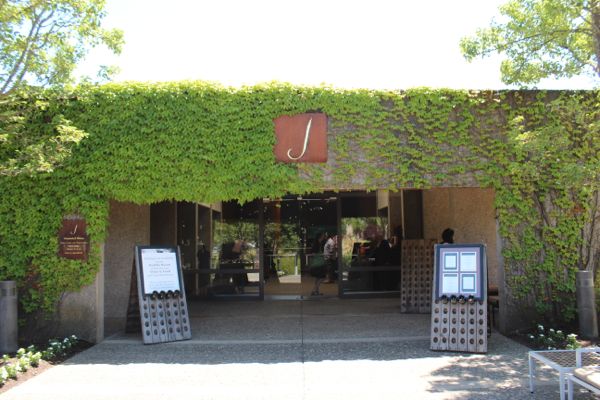
J Vineyards: Lots of favorites here. J is known for their Bruts; however, they also produce Chardonnay, Rose and Pinot Noir. I enjoyed the Old World style of the 2010 J Vineyards Chardonnay, and we both bubbled over the J Brut Rose made from Pinot Noir. Guess what I will be pouring for New Year’s Eve?
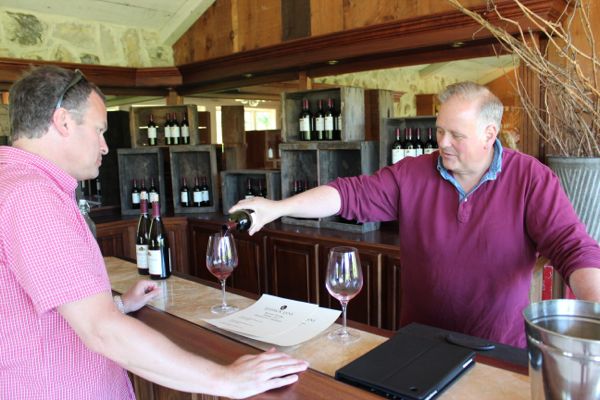
Limerick Lane: Another favorite from our last trip and a favorite this time around too. Limerick Lane focuses on Zinfandel and Pinot Noir with some vines dating back to 1910. The old vines still produce grapes! I preferred the expressive Pinot Noir 1934 made from vines planted in that year.
Least Favorite?
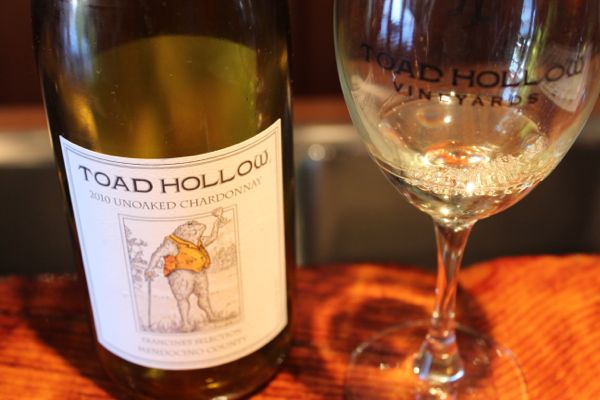
Yes, we’ll go there. Toad Hollow Vineyards was our least favorite. Mass producer of wine and apparently owned by comedian Robin Williams’ brother. The tasting room is located in Healdsburg, and the tastings are free. The term “fire water” best describes most of what we sampled.
Planning a trip to Napa Valley and Sonoma? Try some of the wineries listed here. Please mention to your tasting associate that Virginia Wine Time made the recommendation.
WOW!

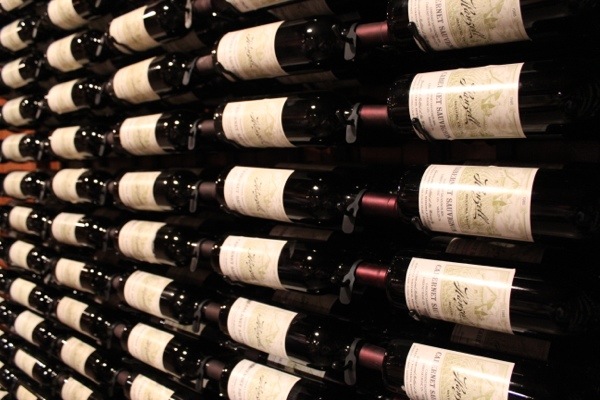
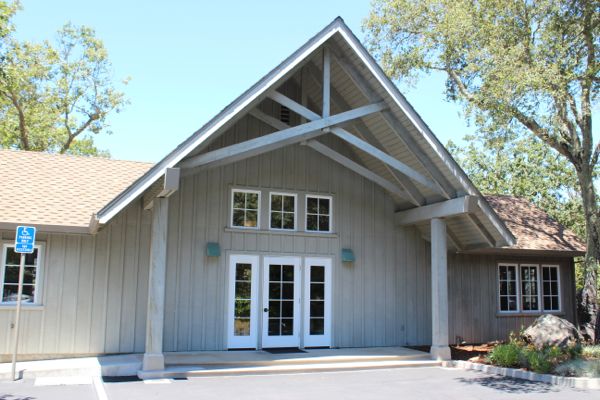
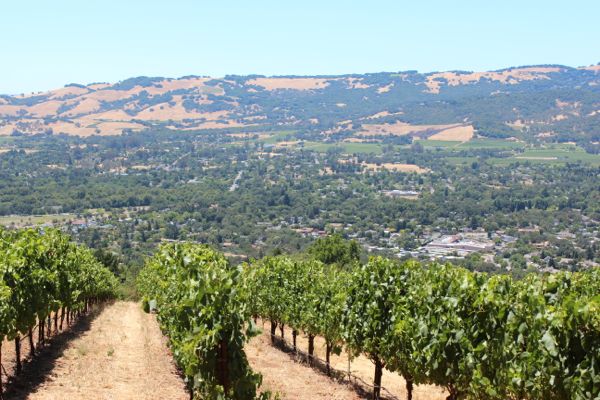
We are back from our trip to California wine country specifically Napa and Sonoma. This time around we focused our tasting experiences on smaller-production wineries that were recommended to us by others. Our friend Susan McHenry suggested an appointment to Hanzell Vineyards. Readers may recall that we featured Susan’s impressive wine cellar in a video piece, and the mural in her cellar depicts the breathtaking view of Hanzell Vineyards. Susan is also a member of Hanzell’s Ambassador’s Club, and she is an avid collector of Hanzell wines. We trusted her expertise and made an appointment at Hanzell Vineyards; it was hands-down the “Wow” experience of our trip.

Hanzell Vineyards is located in Sonoma, and James Zellerbach planted the first vineyard on what is now called the Ambassador’s Vineyard in 1953. Zellerbach served as the ambassador to Italy under President Eisenhower; hence, the name of the vineyard. In fact, Zellerbach’s interest in wine was piqued during visits to European wine destinations particularly Burgundy. He returned to his Sonoma property determined to make quality wines with a focus on Chardonnay and Pinot Noir and named his vineyards Hanzell, a combination of his wife’s first name, Hana, and Zellerbach.

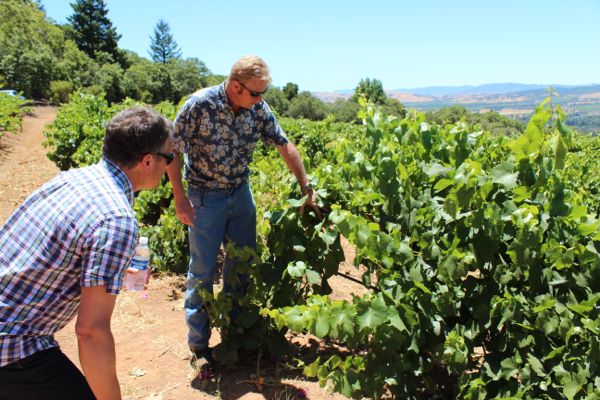
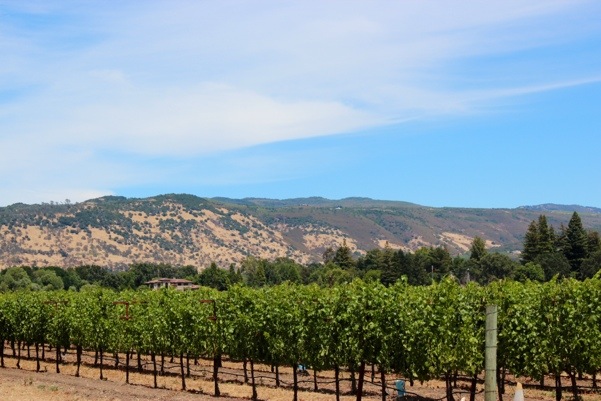
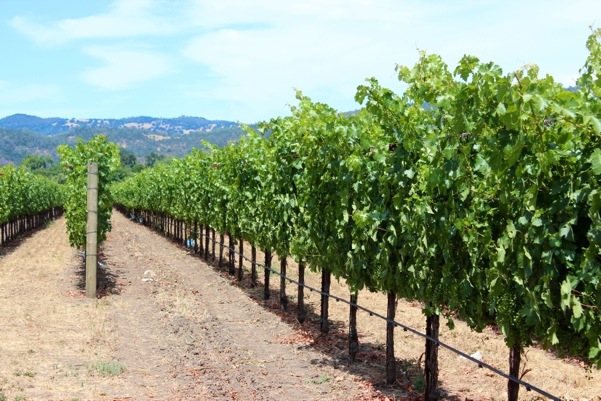
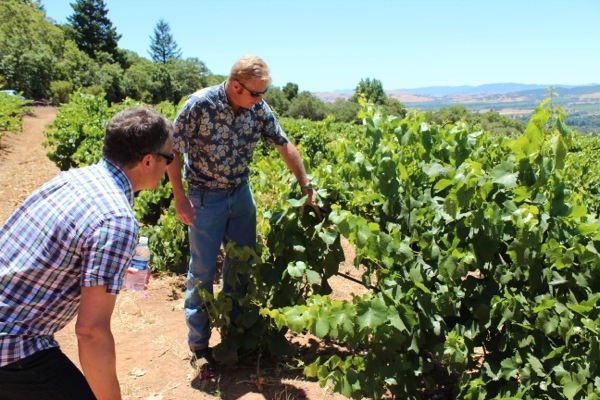
Our tasting included a tour of the grounds and facility, and this was conducted by Ben Sessions, son of former winemaker Bob Sessions. Ben gave us a driving tour of the vineyards including the oldest Ambassador’s 1953 Vineyards, and in the process filled us in on particular features that allowed Hanzell to produce focused, terroir-driven wines. Higher elevations allow for perfect aeration and drainage while volcanic soils provide a minerality that is a hallmark of Hanzell wines. Vines are planted in either west-facing or east-facing slopes so that they benefit from optimal amounts of sun, air flow, and morning moisture; in particular, the Ramos Vineyard is exposed to morning fog that rolls in from San Francisco Bay. In all, Hanzell Vineyards includes 44 acres of planted vines with a maximum production of 6000 cases per year.

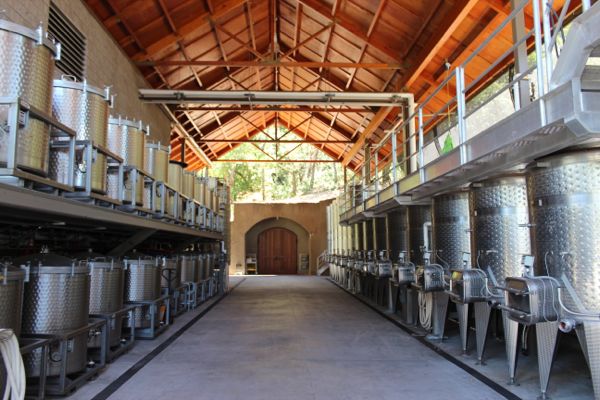
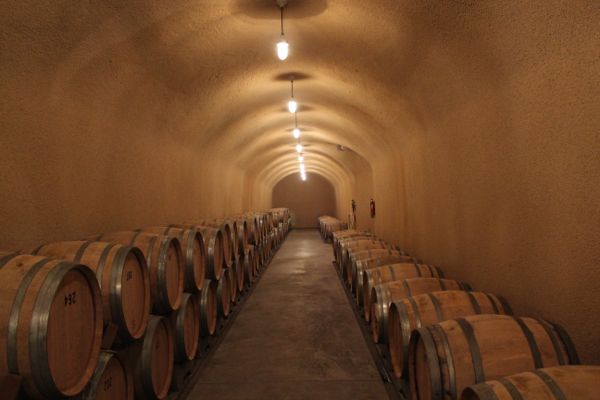
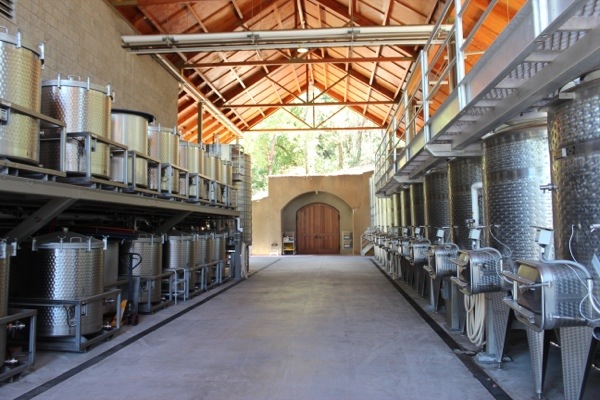
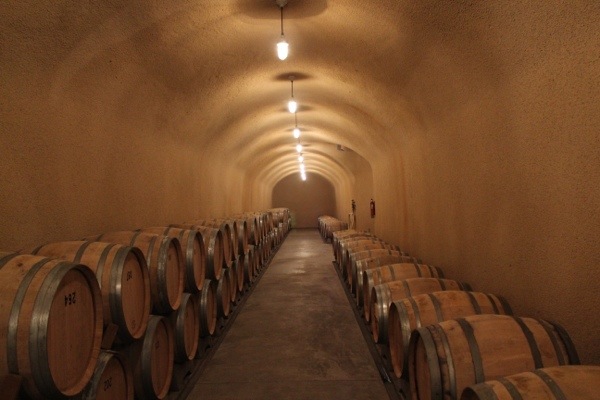
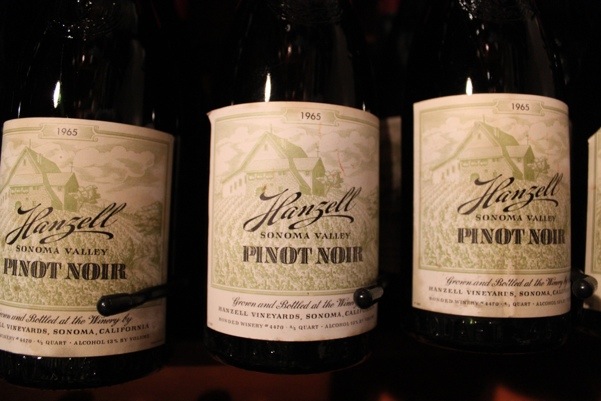
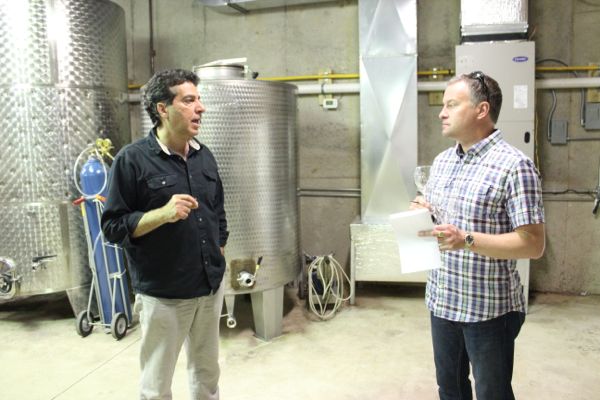
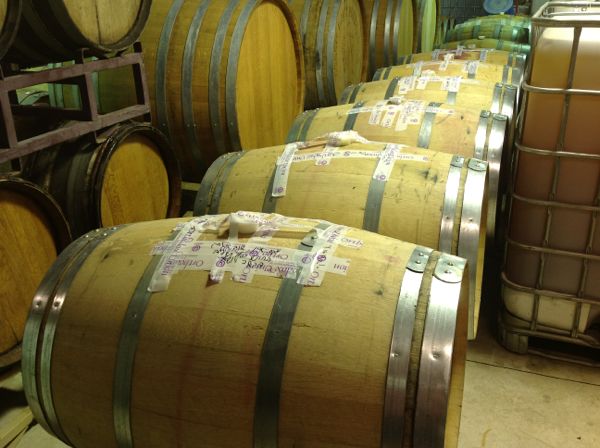
A tour of the facility followed our vineyard tour. Talk about rooms with views! Hanzell Vineyards is located on the mountain slopes of the Mayacamas Range, so most opened windows and double doors offer gorgeous views of mountain landscapes. Wine barrels, though, are stored in a cave. A wine library warehouses vintages that date at least as old as 1965, and a sort of museum exhibits the winemaking equipment, including the tanks, from the 1950s.


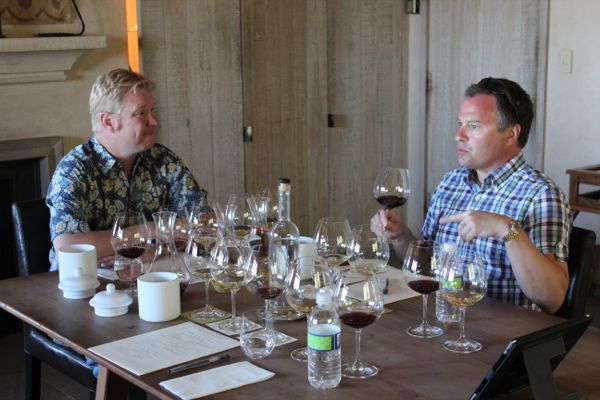
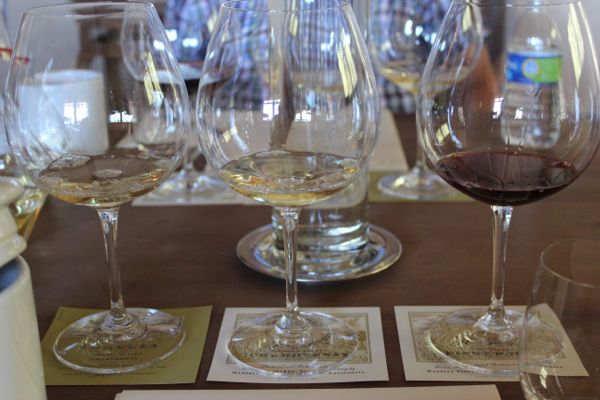
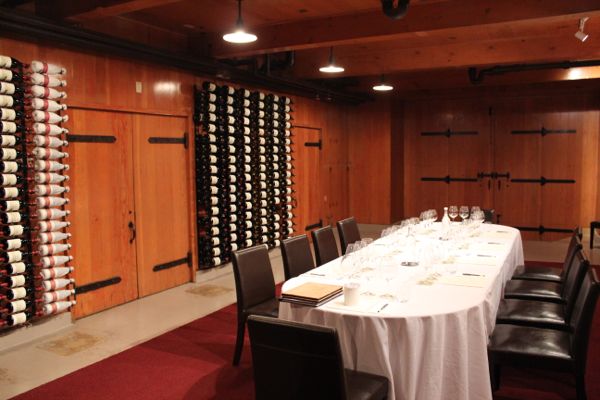
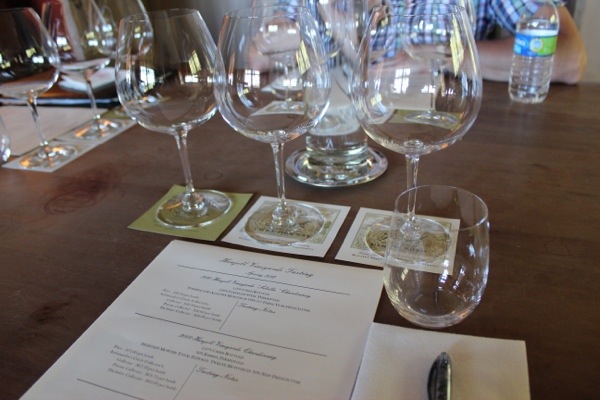
However, the ultimate part of the tour concluded in the tasting room with its lofty wood-beamed ceiling. We were given a seated tasting at a dining table, and the three currently released wines were offered for sampling. These included 2010 Sebella Chardonnay, the 2009 Hanzell Vineyards Chardonnay, and the 2009 Hanzell Vineyards Pinot Noir. In addition, two older vintages were included in the tasting: a 2004 Hanzell Vineyards Chardonnay, and a 2001 Hanzell Vineyards Pinot Noir. All were excellent. The 2010 Sebella Chardonnay was fresh and almost playful with elements of pear, citrus and mineral; aged for six months in French oak barrels, it presented a refreshing mouth feel. It’s older sibling, the 2009 Hanzell Vineyards Chardonnay was produced from 34 year-old vines and offered more complexity. We noted aromas of pear and lemon zest with similar flavors in the mouth. 30% barrel fermentation and then twelve months aging in 30% new French oak barrels provided a fuller mouth feel. (An interesting side note—Ben suggested decanting the older Hanzell Chardonnays at least two hours prior to serving.) The 2009 Hanzell Vineyards Pinot Noir was likewise complex with full-on aromatic experience—strawberry and cherry notes were complemented by earthy/spicy aromas of sweet tobacco, anise, cloves and bay leaf. Similar fruit and spicy flavors were observed along with the minerality that characterized the other Hanzell wines. This Pinot Noir spends time in 50% new and 50% one year French oak barrels.

Not to be outdone were the older vintages, and these were indeed quite special. The 2004 Hanzell Vineyards Chardonnay was probably my favorite with its whiff of honeysuckle and elements of pineapple and butterscotch. The 2001 Hanzell Vineyards Pinot Noir possessed a faint floral aroma with notes of tobacco and spice; plum and blackberry flavors were savored.

The seated tasting allowed us to proceed at a more leisurely pace, and Ben was more than patient in answering our questions (you know how pesky those bloggers can be.) Ben’s father, Bob, retired from winemaking at Hanzell Vineyards in 2002 and is now the Winemaker Emeritus. Michael Terrien is the current winemaker, and future plans include the production of Cabernet Sauvignon. Hanzell Vineyards did at one point make Cabernet Sauvignon; in fact, I spied a bottle from the early 1990s in the wine library. We also learned that Hanzell Vineyards was the earliest winery in California to use only French oak barrels, and this practice continues today.

Focused vineyard practices along with judicious use of oak barrels resulted in the balanced, exquisite wines that we tasted at Hanzell Vineyards. With our tour and tastings done, we made certain to purchase our favorites Hanzell wines. Ben Sessions was a very gracious host, and thank him for time and attention. Planning a trip to Sonoma? Reserve a tasting at Hanzell Vineyards, and mention that Virginia Wine Time sent you.

California

As most of you know, we have been in California this week visiting wineries. We will be returning next week. At that time we’ll be posting about our trip but until then, enjoy some photographs taken so far on our trip.
20120629-073147.jpg
20120629-073213.jpg
20120629-073232.jpg
20120629-073252.jpg
20120629-073313.jpg
20120629-073334.jpg
20120629-073359.jpg
20120629-073417.jpg
20120629-073436.jpg

Summertime Fun at Virginia Wineries

https://maderasgamez.com/seleccion-de-puertas/ Summertime presents opportunities for wine lovers to spend vacation time at local wineries. In recent weeks, we’ve taken advantage of free time and longer daylight to do just that!

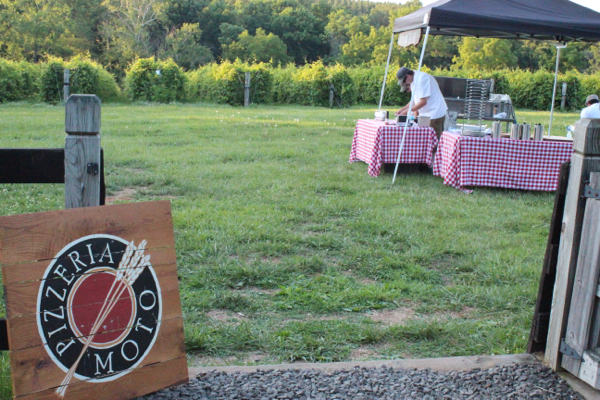
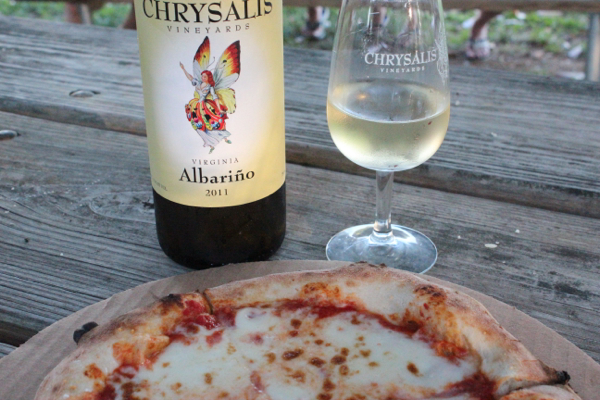
Chrysalis Vineyards: The VIP pickup party was held this past Saturday evening, and the event showcased new releases: the 2011 Chardonnay and the 2008 Red Reserve. However, club members were also able to enjoy a complete wine tasting of current releases. Pizzeria Moto provided the evening’s food to pair with a favorite Chrysalis wine. (These guys make great pizza!) Our wine partner for the evening was the crisp 2011 Albarino, and it proved to be the perfect match with my pizza topped with pancetta and goat cheese. Fans of Kluge Estate wines will be pleased to know former tasting room manager Tammy Cavanaugh is now tasting room and sales manager at Chrysalis Vineyards. (We had a wonderful time catching up with Tammy!)


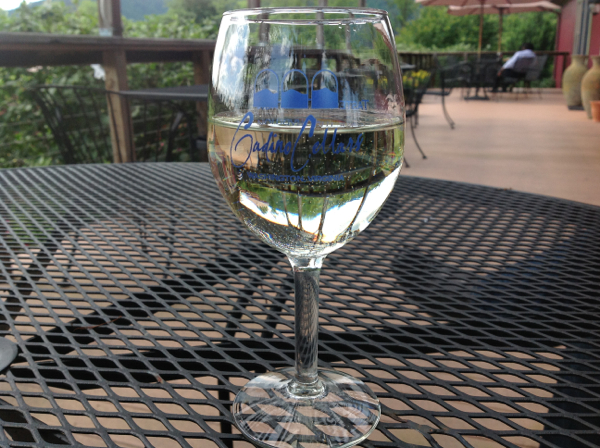
Gadino Cellars: We’re big Wolftrap fans and attend many summer concerts there; of course, we sit on the lawn so that we can bring our own picnic foods and wine. Of course, that means stocking up on favorite summer wines from Virginia wineries, and that quest found us at Gadino Cellars. We enjoyed the 2011 Pinot Grigio that is blended with a small amount of Petit Manseng. Pineapple and citrus notes with a refreshing crispness suggest a perfect wine for summer. A sweeter option is the 2010 Sunset, a blend of Traminette and Chardonnay with 3% residual sugar; however, our favorite was the 2011 Moonrise, a blend of Nebbiolo, Cabernet Franc and Petit Manseng. Bright berry flavors and spicy finish make for a versatile wine that would be at ease with a host of picnic foods; a semi-dry finish makes for a refreshing pour on warm evenings. We ended up purchasing each of the above to bring along to our Wolftrap concerts!


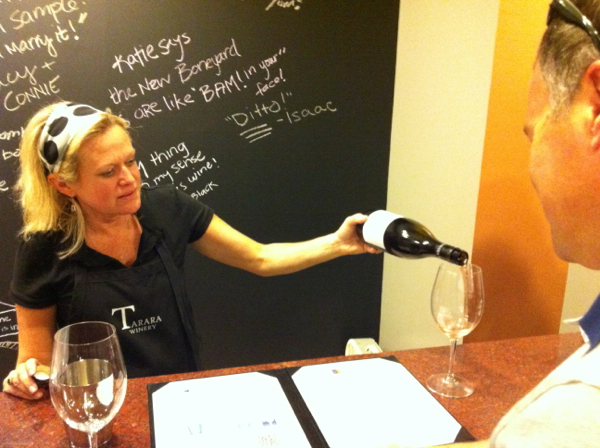
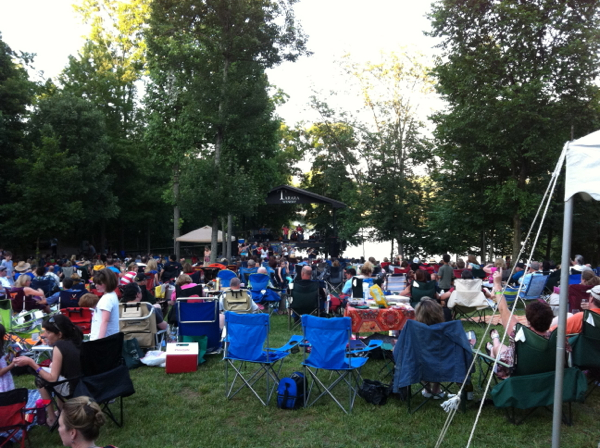
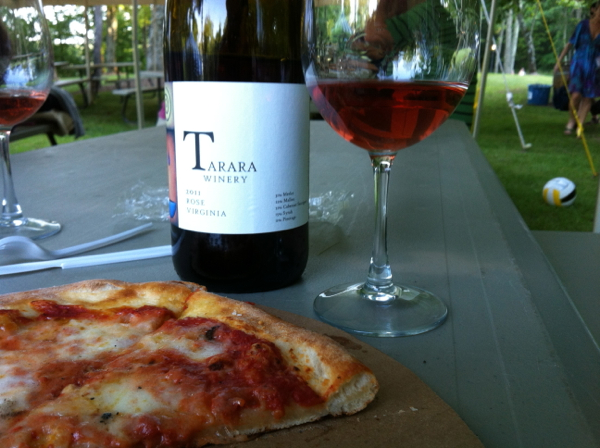
Tarara Winery: Tarara Winery continues its summer concert series, and we’ve already attended one show that featured a Journey tribute band. (We were Journey fans in the 1980s.) Before the concert though, we were able to sneak in a tasting thanks to wine educator Kerry Ann. The 2011 white wines were all bright and fruity with an acidity that most 2010 Virginia white wines seemed to lack. Particular favorites were the 2011 Barnyard White, 2011 Petit Manseng (my favorite), and the 2011 Viognier (Paul’s favorite). We were also treated to a sneak sample of the 2011 Rose, a Provence-style rose with strawberry and faint herbal elements. In fact this one ended up being our wine to enjoy at the concert. And what foods partnered with the rose? Pizza from Pizzeria Moto! Did I mention that these guys make great pizza? They will be at many local winery events this year, so it’s worth checking out any event where Pizzeria Moto will be serving the food. Great wine, great pizza, and a trip down memory lane with songs we knew from high school made for a memorable evening.


Be sure your summer plans include visits to Virginia wineries; check out the events to see if you can plan a day of wine, food and music. At the very least, visit the wineries mentioned in this post to stock up on summer wines. Please mention that Virginia Wine Time sent you.

Friday Wines

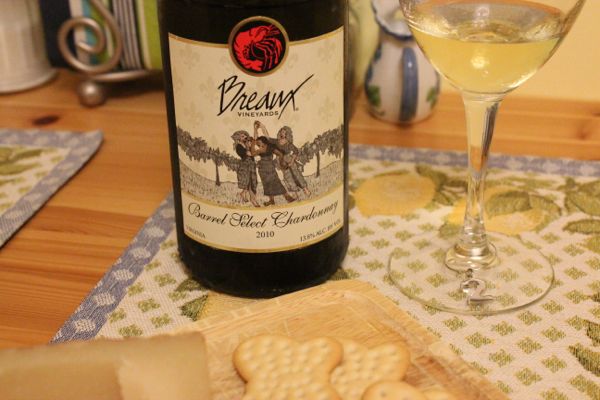
Our evening sipper was the 2010 Barrel Select Chardonnay from Breaux Vineyards. It had a golden color reminiscent of a straw broom. On the nose we detected lots of pear and a passing minerality at the end as we took the glass from our nose. On the tongue we noticed it tasted like it smelled…lots of rich pear and a characteristic bold mouth feel, butter, and a lingering finish. It paired nicely with the manchego cheese and crackers.

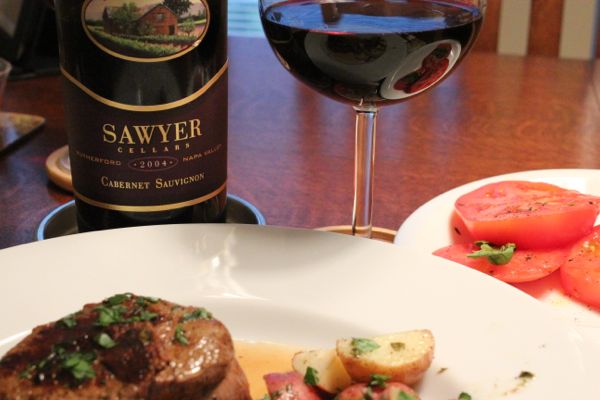
For our dinner wine we departed from Virginia and went to California. We did this because next week we are heading to California for a week of wine tasting. We selected the 2004 Sawyer Cellars Cabernet Sauvignon. We bought this during our last trip in 2008. We paired this wine with thick filet mignon, roasted potatoes, and tomato and basil salad. It had a beautiful garnet color which surprised us for an eight year old wine. On the nose we noticed raisiny fruit with some cedar and licorice nuances. In the mouth we picked up dried dark fruit, sandalwood and spice. Of course it went well with our filet mignon and roasted potatoes. We look forward to visiting Sawyer Cellars during our upcoming trip.

Viggy Wednesday

We haven’t been able to participate in Wine Blogging Wednesday yet but since we both are finished with our work obligations for the summer, we decided to participate. Frank Morgan from Drink What You Like is hosting this month’s Wine Blogging Wednesday. It’s all about viggy.
20120620-205452.jpg
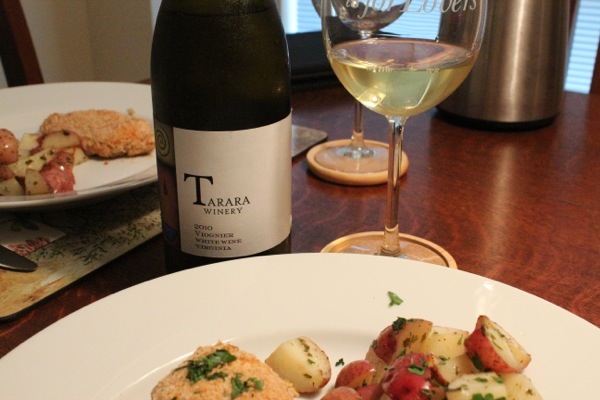
Viognier was on tap for Wine Blogging Wednesday, and we enjoyed the 2010 Viognier from Tarara Winery. This Viognier presented a more golden hue; however, we noted that the nose needed a bit of coaxing to reveal itself. Swirling (and warming) ultimately produced tropical fruit aromas with a flinty edge. Similar flavors were observed in the mouth with a nice acidity and fuller feel. We appreciated this Viognier with herb and parmesan-crusted baked chicken breasts and roasted potatoes topped with fresh parsley. I would have added a creamy sauce of some sort to complete the partnership with the 2010 Viognier from Tarara Winery; however, we had quite a feast anyway. If you haven’t had the 2010 Viognier from Tarara Winery, give it a try. And if you visit the winery, tell them Virginia Wine Time sent you!

A Mix of Wine and History at Bull Run

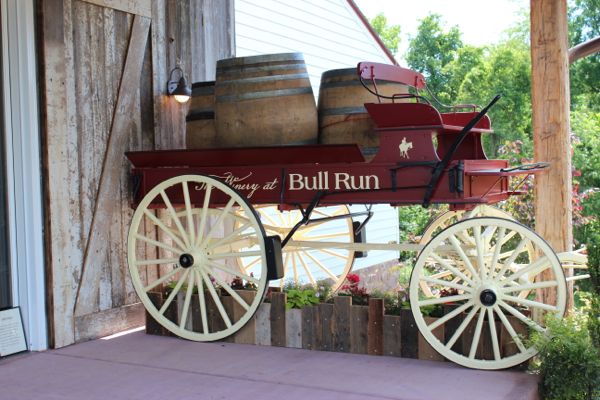
We were able to add another new winery to our list with a recent visit to The Winery at Bull Run. We met fellow bloggers Kurt and Carol of Wine About Virginia at the winery and enjoyed an afternoon of wine (and history).

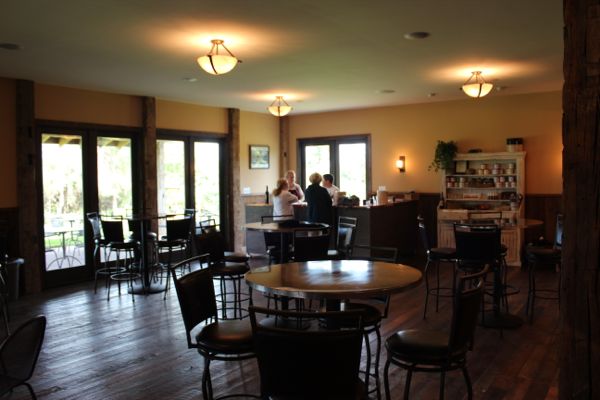
The Winery at Bull Run is located right next to the Bull Run historic park in Centreville. Kim and John Hickox own the winery, and Chris Pearmund serves as the winemaker. The winery itself is a refurbished historic home, and a display case in the center of the tasting room displays Civil War artifacts found on the property.


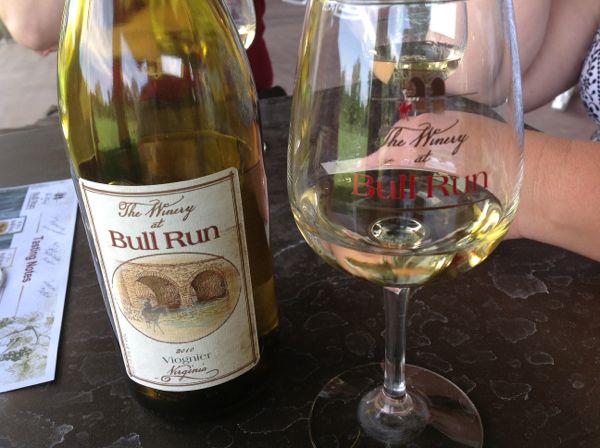
Of course, bloggers focus on the wines, and Bull Run offered nine wines for tasting. Three wines were poured and included a 2010 Chardonnay, a 2010 blend called Delaney, and a 2010 Viognier. The Delaney was described as a “quaffer” on the menu, and that was certainly an apt descriptor. A blend of Traminette, Vidal Blanc, Viognier and Reisling, the Delaney presented a floral nose and tropical fruit flavors. We tended to prefer the Viognier that was blended with Chardonnay (15%) and Gewurztraminer. It was fermented in stainless steel yet gave a heavier mouth feel with abundant peace and apricot flavors. A 2010 Rose provided a transition to the red wines; made mostly from Merlot (90%) with a splash of Chambourcin, it offered strawberry flavors and a crisp finish.


Four red wines followed and included a 2009 Cabernet Franc, 2009 Merlot, 2010 Norton, and a 2010 Meritage. The Cabernet Franc can be described as classic Virginia Cabernet Franc with its raspberry and pepper characteristics. Norton lovers should be pleased with this 2010 offering from Bull Run; a blend of 23% Cabernet Sauvignon delivers a roundness that is often lacking with Norton. In fact, The Winery at Bull Run will be planting two acres of Norton, so look for more Norton from this winery. Paul enjoyed the smoky Merlot; however, the complex 2010 Meritage should prove to be the most age worthy of the reds here. It is a blend of all Bordeaux red grapes and still evolving. The 2010 Fort is a port-style wine made from Chambourcin; smoky with cherry and cocoa nuances, this should pair well with dark chocolate or strong cheeses.

After our tasting, we all opted to share a bottle of the 2010 Viognier out on the veranda that overlooked the historic park next door. Of course, we chatted about wine but made note of our historical surroundings. We will be certain to visit The Winery at Bull Run soon; however, readers on the historical trails may want to plan for a tasting after a trip to the battle site. Be sure to mention, though, that Virginia Wine Time sent you.

Women and Wine: Annette Boyd

The Virginia wine industry has taken off in leaps and bounds due to better winemaking—no one disputes this claim. However, another reason why Virginia wines are finally on the international radar has to do with effective marketing. In the past several years, the Virginia Wine Board Marketing Office has taken on the challenges of presenting Virginia wines to international markets including the royals of England; more recently, it planned the successful 2011 Wine Bloggers Conference held in Charlottesville. The mastermind behind these operations is Annette Boyd, director of the Virginia Wine Board Marketing Office. Annette deserves as much notice as any winemaker in Virginia for catapulting the industry to the heights that it enjoys today. Without further fanfare, meet this month’s Women and Wine feature, Annette Boyd. Click on the Women and Wine tab to read her answers.
It’s Kosher at Molon Lave

Our quest for summer pours brought us to Molon Lave. We first visited the winery when it first opened about two years ago, so we knew that we were due for a re-visit. Since that time, the tasting menu has expanded to include kosher wines!

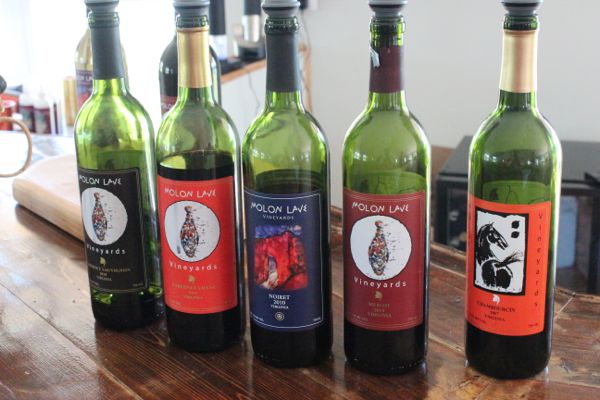
Molon Lave is Greek and roughly translate to, “Come and Get Them”, and that is what we planned to do—get the wines that is. Katherine, daughter of owner Louizos Papadopoulos, warmly greeted us and recalled our first visit to Molon Lave. She updated us on the developments at Molon Lave that include an expansion of the wine menu to include ten wines. Riesling, Vidal Blanc, Chambourcin, Merlot, Noiret, Cabernet Franc, and Cabernet Sauvignon are some of the estate-grown varieties that are now for sale at the winery. Our goal was to identify wines appropriate for the hot and humid days of Virginia summertime, and Paul’s favored the fruity 2010 Vidal Blanc with its peachy flavors. Aged in stainless steel, it should be enjoyed on its own or with a light picnic lunch, fresh fruit, and light cheeses. Katie’s Charm should delight rose lovers who appreciate the Chambourcin grape. Bright strawberry notes and a characteristic tart finish make for the perfect wine to bring to a Wolftrap concert. Outdoor grilling might call for a red wine, and the 2010 Cabernet Franc was my own personal favorite. This spicy red wine was aged for 12 months in American oak barrels and presented flavors of blackberry and raspberry. Sweet wine lovers might enjoy the Autumn Nectar, a blend of late harvest Rielsing, Pinot Gris and Viognier. At 2.5 residual sugar, it should be fine with dessert; however, our friend Michael Tyler would probably sip this one on its own.

We were very intrigued with the kosher wines, and winemaker and owner Louizos Papdopoulos was on hand to answer our questions about this process. Louizos became interested in producing kosher wines due to his business dealings both here and in New York City; he discovered that Jewish communities were interested in local wines, but they had no local options for kosher wines. Louizos decided to fill this void and pursued the process of making kosher wines. Kosher wines are made according to strict Jewish dietary laws, and only a rabbi can make the wines. These laws and practices go back to ancient bibilical times. At Molon Lave, a rabbi now makes three kosher wines, and these include the 2010 Riesling, the upcoming 2010 Chardonnay, and the smoky 2010 Noiret, a hybrid red grape. The wines have become popular sellers, and Molon Lave was the first Virginia winery and among very few east coast wineries to produce kosher wines.


Louizos filled us in on future goals for Molon Lave, and these include a continuation of the kosher wines. He also intends to plant an additional 20 acres of vines to include more of the varietals now grown on the estate with Traminette being added to the mix. The overall winemaking philosophy will remain the same, though, and that is to produce fruit-forward, drinkable wines.

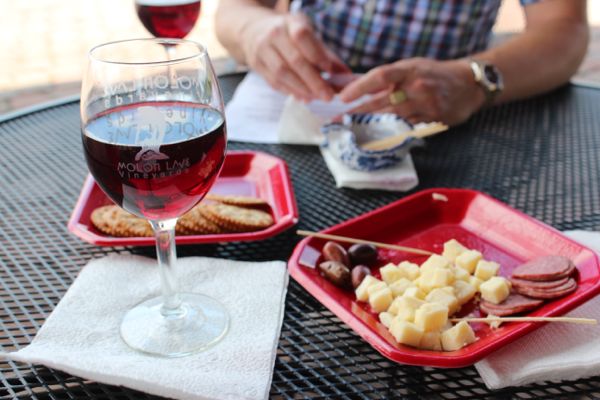
With our tasting done, we decided to enjoy a glass of Katie’s Charm with a plate of salami, cheeses, and Greek olives. We walked up to the pavilion and enjoyed a panoramic view of the lovely grounds at Molon Lave. We made certain to leave with bottles of summer favorites, and we plan to visit sooner to keep abreast of developments at Molon Lave. Be sure to visit Molon Lave for a tasting, but be sure to mention that Virginia Wine Time sent you.