After the special release tasting we attended at Linden Vineyards recently, we decided to visit a few other wineries in the area. Our first stop was Delaplane Cellars. Being a club member and electing to pick up the shipments instead of having them shipped makes it possible to visit Delaplane often to see what’s new and taste the most current wines. Warren had a shipment to pick up so we decided to visit Delaplane.
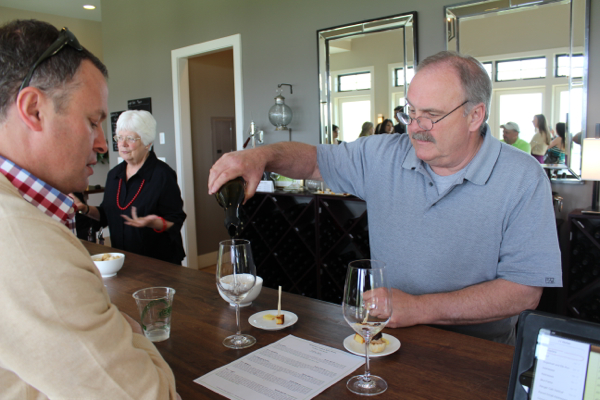
Jim Dolphin was there that day and conducted our tasting. The day we attended they were having a special pairing with some of the wines on the tasting menu. Our first wine was the 2012 Rose paired with a pork roulette with strawberry preserves. We noted strawberry, melon, and spice. This would make a nice sipping wine for a concert at Wolf Trap. The second wine/food pairing was the 2012 Viognier paired with toasted cornbread and local honey. Warren and I both thought this was a classic viognier with a floral nose, and honeysuckle and apricot in the mouth. The cornbread was a nice touch with the viognier. We really enjoyed this viognier. The final wine/food pairing was the 2011 Cinq3 paired with Caromont Red Rowe cheese. This one presented some bright fruit flavors with notes of smoke, coffee, and menthol. While I enjoyed the wine, I didn’t care for the cheese so I let Warren finish my piece with his wine. While not paired with foods, we also tasted the 2012 Melange Blanc and the 2011 Merlot.
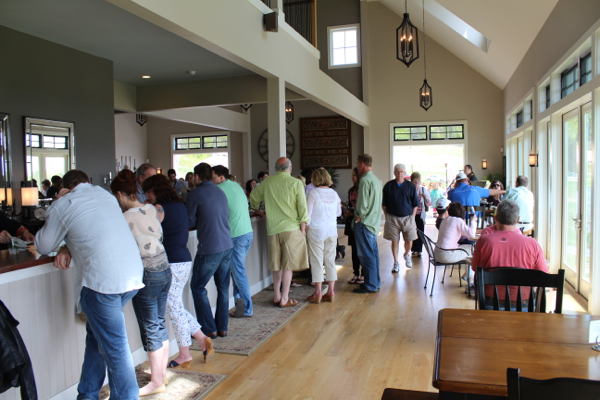
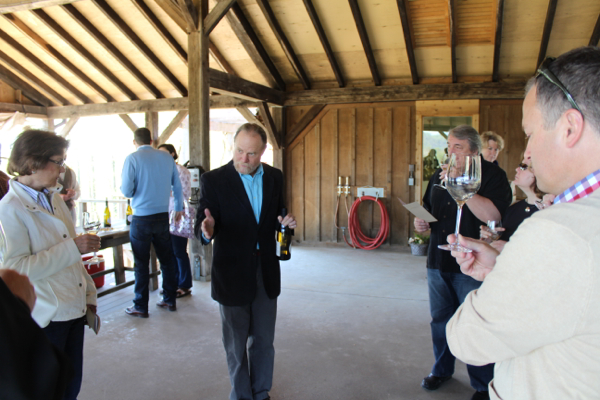
During our tasting we chatted with Jim about wine of course and he said of the 2010 and 2011 vintages, “It was the best of times and the worst of times.” That pretty much sums up the differences between the two seasons. Some of the 2010s still aren’t quite ready while the 2011s are wines to enjoy right now. During our conversation with Jim, he let us taste the 2012 Petit Manseng. The petit manseng has 5% RS but is integrated so well you are barely aware of the sweetness. We noted tropical fruit and a nice mouth weight. Jim also let us taste the 2010 Williams Gap. I remember loving this one at the barrel tasting a few years ago so I was curious to see how it was developing in the bottle. The first sip informed me it was coming along nicely. I enjoyed it now as much as I did then. We noted some nice fruit, anise, tobacco, and developing smooth ending. We’ll need to try to get a bottle of this for the wine rack sometime.
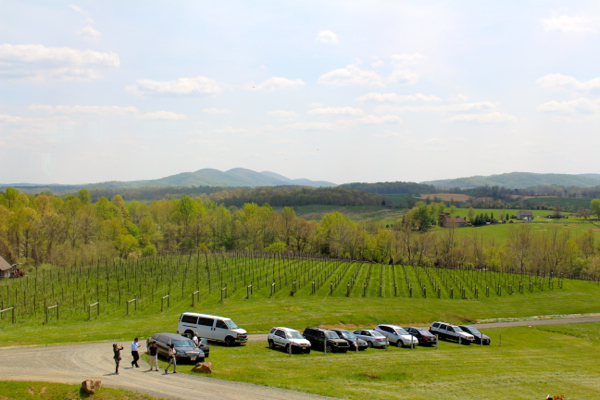
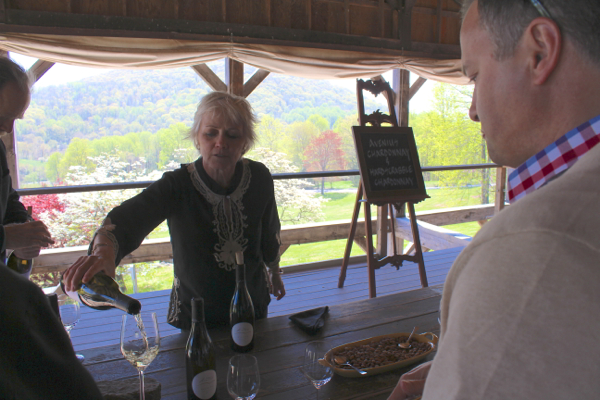
With our tasting and conversation complete, we decided to enjoy a glass of the 2012 Viognier with the wonderful views. We enjoyed the viognier so much that we included it as part of the #vawinechat Twitter tasting on May 2nd. Lots of Virginia wine bloggers and winemakers joined in for a Twitter tasting of Virginia viogniers. We enjoyed the 2012 Viognier as part of the tasting. We shared our impressions of the wine on Twitter for others to enjoy. Join us on Twitter sometime and participate in the #vawinechat events. The next one is on May 16th. We’ll be tasting and Twitting about Virginia red blends. And the next time you visit Delaplane Cellars be sure to tell them Virginia Wine Time sent you!
Category: Wines
Special Tasting at Linden
Winemaker Jim Law held a special release tasting of upcoming wines at Linden. We look forward to attending this annual event, and this year was no exception. Gorgeous spring weather, bursting blossoms, and fluttering birds provided an idyllic setting to boot.
The event featured five tasting stations, and the first station was located on the outdoor crush pad and appropriately named First Sip. Chardonnay was the star attraction here, and there were four of them to sip. These included the 2011 and 2010 Avenius Chardonnay followed by the 2011 and 2010 Hardscrabble Chardonnay. The Avenius site is known for its rocky soils and thus produces leaner wines with mineral characteristics; we both agreed that the 2011 better presented these unique qualities of the Avenius vineyard. Shellfish will be perfect with one! The Hardscrabble site with its clay soils produce fuller-bodied wines; of the two, I preferred the 2010 Hardscrabble Chardonnay with its richer mouth feel.
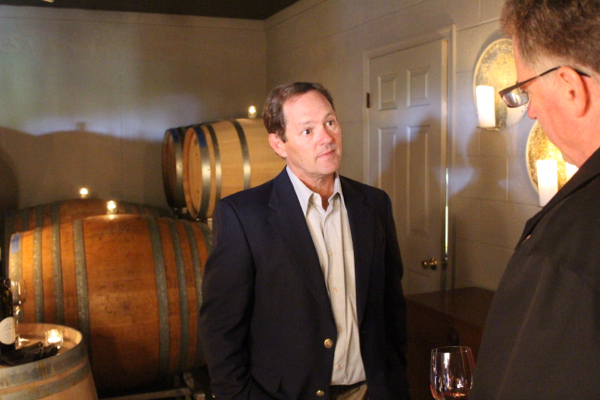
From the white wine station, we moved on to the red wines held in the barrel room. We moved through four tables that presented a total of seven red wines. The first table featured a 2010 Cabernet Franc, and this will be the first time that Law has released a single-varietal bottling of Cabernet Franc in quite some time; however, the 2010 Cabernet Franc proved to be jammier and more muscular than in previous years. Law therefore opted to bottle it on its own. We approved of the decision and enjoyed our sample with a spicy lamb meatball.
The other tables provided more opportunities to sample wines from the 2009 and the 2010 vintages. In all cases, we tended to prefer the 2009 pours. The most accessible was the 2009 Boisseau Red, a blend of 43% Merlot, 31% Cabernet Franc, and 26% Petit Verdot. The 2009 Hardscrabble Red proved to be the most complex and was dominated by Cabernet Sauvignon (64%) then Merlot (14%) and Petit Verdot (3%). Paul was a big fan of the 2009 Avenius Red with its plum notes and earthy elements.
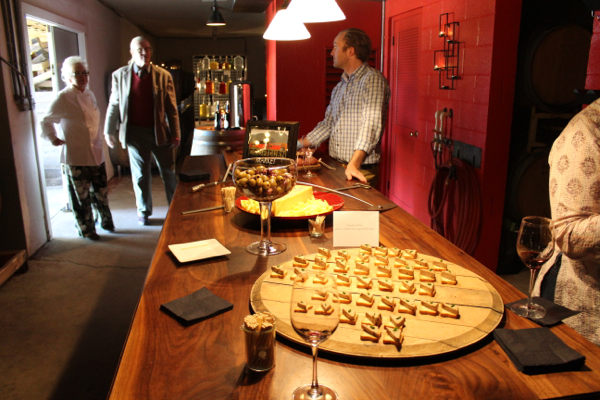
Though we did enjoy the 2009 vintages, it was hard to ignore the potential for the 2010 red wines. The 2010 harvest was best since the heralded 2007 season, and it was telling that Cabernet Sauvignon heavily dominated all of the 2010 blends. I am always a fan of the Hardscrabble reds, and once again the 2010 Hardscrabble Red was my favorite of the still evolving 2010 blends. Remember, though, that the 2009 blend contained 64% Cabernet Sauvignon. The 2010 version? 83% I have no doubt that the 2010 Hardscrabble Red will have great cellaring potential once it is released.
We completed our release tasting and then opted to try the current releases in the tasting room. Here again we were able to taste a contrast of seasons. Law has released a 2011 Red, a bright and light bodied red blend that would be suitable with a pizza, burger, or spicy fare. (I called this one a Beaujolais-style wine due to its soft, fruity nature, but I’m not sure if Jim would consider it a complement.) Anyway, it was the product of a very rainy and difficult year yet it was very quaffable. Be sure to enjoy soon, though. It might be an option for Thanksgiving dinner, too. (Paul ended up buying two bottles!). On the other hand, the 2010 Claret was more complex with smoky notes and ripe dark fruit flavors. Steak on the grill? This would pair nicely. Unlike its younger sibling, this one will be able to hang out on the wine rack for a while.
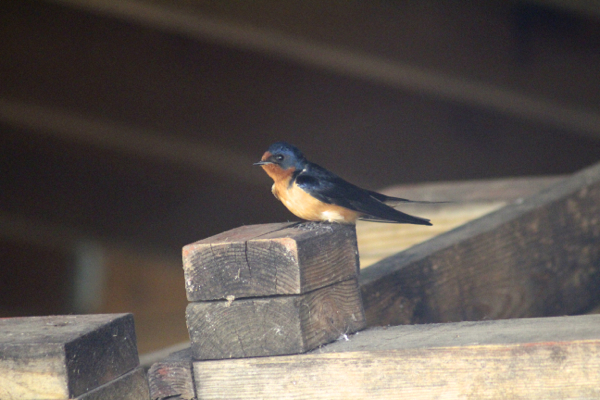
Our tastings were done, and we decided to linger for a while with a glass of our favorites. I savored a glass of the 2009 Hardscrabble Red, and Paul enjoyed a glass of the 2009 Avenius Red. We munched on a smoky gouda cheese, summer sausage, and a baguette, and Paul snapped pictures of barn swallows as they flew back and forth between a dark space beneath the deck and nearby trees.
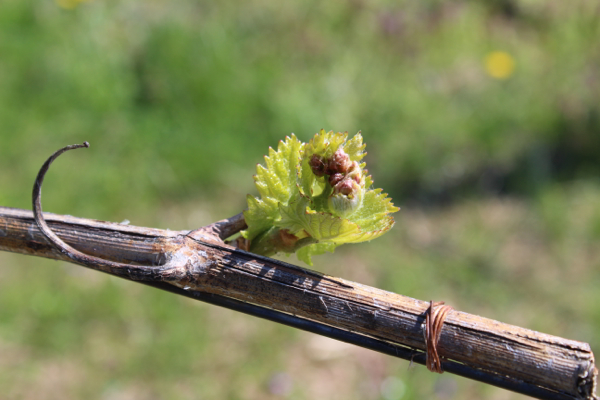
We enjoyed our special release tasting and made sure to purchase some very special wines. Plan a trip to Linden, and mention that Virginia Wine time sent you.
Bloggers Judge Sparkling Wines
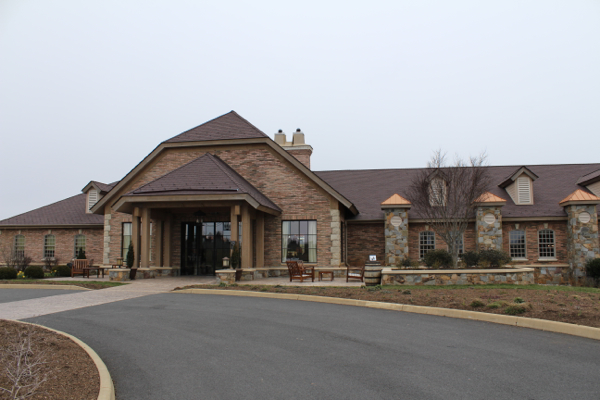
Yes, we are back on track with our regular posts about Virginia wine, and this entry will present the results of a tasting that featured sparkling wines. This has become something of a tradition for Virginia bloggers, and we thank Frank Morgan of Drink What You Like for his continued efforts in putting this contest together. Other Virginia wine bloggers in attendance were VWD and GEG from Swirl Sip Snark, Anthony and Jaymie from Virginia Pour House blog, Megan Headley who writes for CVille Weekly, Allan and Kris from Cellar Blog, and Pia Mara Finkell from The BuzzBin. This year’s tasting was held at Early Mountain Vineyards, and thirteen bubblies were tossed into the ring.
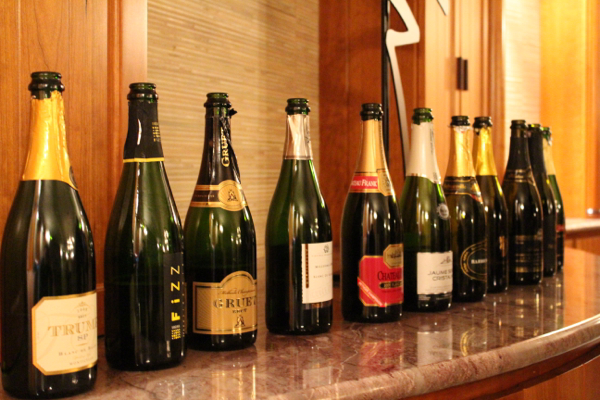
Of the thirteen, ten were from Virginia, one was from the Finger Lakes, another was from New Mexico, and a final outside entry hailed from Spain.
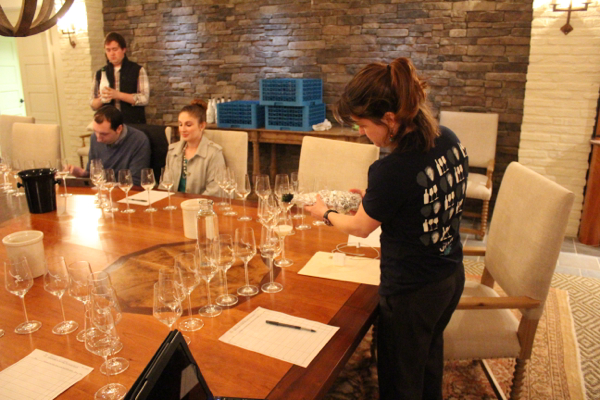
The judging was done blind. What were the results? How did Virginia’s sparkling fare? When all was tasted, here is how they ranked:
1. Thibaut-Janisson 2008 Cuvee D’etat: This was also my own personal favorite with nice yeasty notes and elements of apple and pear.
2. Thibaut-Janisson NV Blanc de Chardonnay: This also earned the second spot on my own list.
3. Trump 2008 Blanc de Blanc
4. Thibaut-Janisson NV Fizz: This one earned my third place finish.
5. Veritas NV Scintilla
6. Dr. Frank Winery 2006 Chateau Frank (from the Finger Lakes region)
7. Barboursville NV Brut
8. Prince Michel Winery NV Sparkling Wine
9. Gruet Winery NV: Last year it earned the top spot; I placed this one at #11 on my own scorecard. Off aromas and a flatter palate led to a dramatic fall in the ratings this year.
10. Paradise Springs Winery NV Apres
11. Afton Mountain 2010 Bollicine
12. Horton NV Sparkling Viognier: This one earned my #13 rating. It had no characteristics of a sparkling wine. Not one bubble, and I searched in vain for at least one to dance its way to the top of the glass. It tasted like a flat Viognier, and I do mean flat.
13. Jaume Serra Christalino NV Brut Cava: Off aromas and an odd finish sent this one to the bottom of the rankings. It did bubble, though, and for that reason I gave it an edge over the Horton Sparkling.
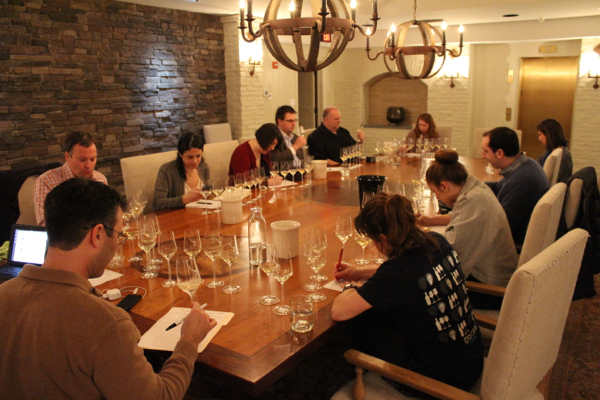
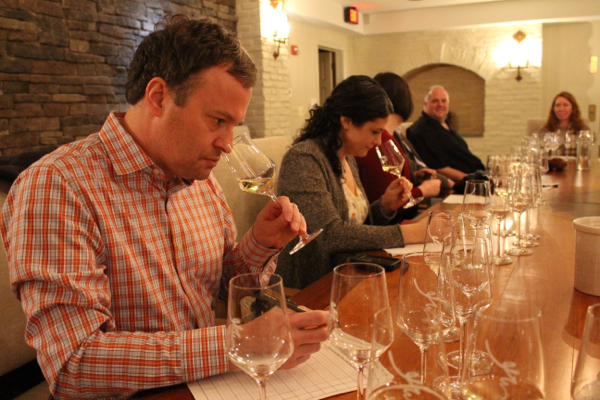
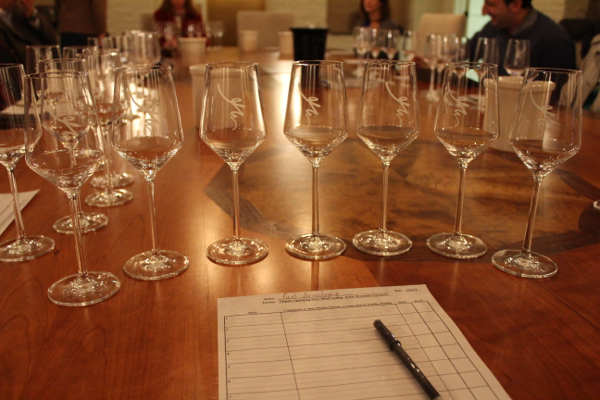
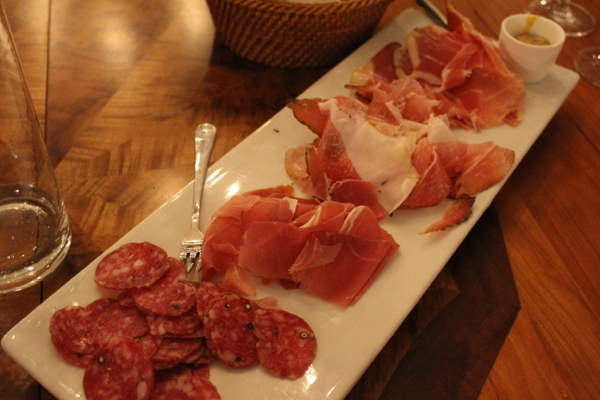
So cheers to Virginia: in particular, kudos to Claude Thibaut-Janisson for his continued excellence in producing premier sparkling wines. Special thanks must be extended to Michelle, Jacob, and the entire Early Mountain team for not only hosting the event at their wonderful facility but also for providing us with the stemware, cheeses, breads and deli meats to nibble as we sipped.
This is the time of year for graduations, weddings, engagements, and other special events. Celebrate a special occasion with a bottle of sparkling wine from Virginia. The local wine shop may sell the Thibaut-Janisson selections; if not, ask that they do. Mention that Virginia Wine Time recommends them!
Hidden Gem
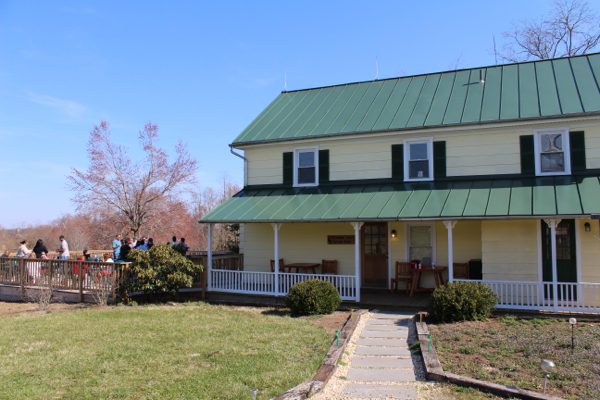
A few weeks ago, before the Drink Local Wine conference in Baltimore, we were cruising around Loudoun County visiting wineries when we decided to stop at Hiddencroft Vineyards. We hadn’t visited Hiddencroft for quite awhile and things had changed. First of all we noticed they are no longer conducting tastings in winery. They now conduct the tastings in the Dutchman’s Creek tasting house. The tasting house is a 1830s farm house that sits on the property that used to be adjacent to their original property. They acquired the property in 2011 and by Labor Day that year began conducting the tastings there. There are two tasting counters and with rooms on the second floor for larger groups. There is also a deck attached to the house where you can enjoy your wine and nibbles with beautiful views of the vineyard and surrounding property. The day we visited was sunny and warm and the views were wonderful. The deck was hopping with music and lots of visitors enjoying Hiddencroft wine.
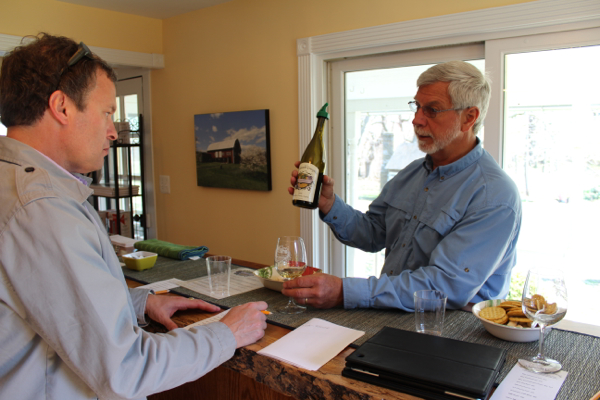
Owner and winemaker Clyde Housel conducted our tasting. We always enjoy tasting with Clyde. He doesn’t mind our numerous questions about the wines, the vineyard, and what’s new. We were able to taste the full lineup of wines and of course a few stood out as our favorites. We began the tasting with the 2011 Chambourcin Rose. We noticed the pretty pink color and notes of melon and spice. This would be a nice summer sipper for picnics and concerts on the lawn at Wolf Trap. Of the white wines our favorite was the 2011 Traminette Dry. It has a floral nose with hints of apple and tropical notes. We enjoyed the apple and white pepper notes on the tongue. There is also a semi-sweet version that would pair well with spicy dishes.
After the whites, we moved on to the lineup of red wines. While we thoroughly enjoyed the non-vintage Cabernet Franc and the Dutchman’s Creek Blend, the standout red was the 2008 Tannat. This red was aged for 42 months on oak. We noted tobacco on the nose with smoke, berries, and a smooth long finish in the mouth. This maybe the best Tannat we’ve tried in the whole state of Virginia. This wine is usually only available to purchase by the bottle but Clyde let us enjoy a glass. We enjoyed the glass on the deck with the other Hiddencroft visitors enjoying the beautiful day. We enjoyed the glass so much, we decided to bring a bottle home with us.
We simply can’t let so much time pass before our next trip to Hiddencroft Vineyards. It’s a little gem of a winery tucked away in northern Loudoun County that shouldn’t be missed. If you haven’t been to Hiddencroft Vineyards in a while, you need to plan to return. And when you do, tell them Virginia Wine Time sent you!
Drink Local Wine (Continued)
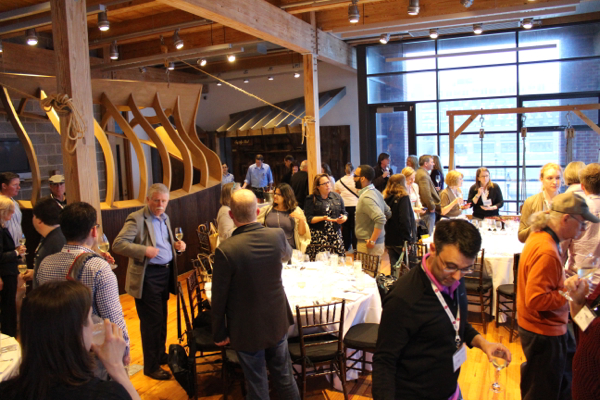
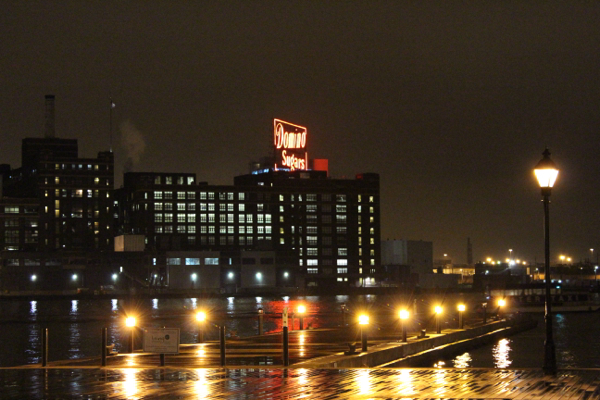
So I left off with the wine media junket arriving at the Waterfront Kitchen in Baltimore for a food and wine dinner. The menu continued with the locavore and locapour theme, and it featured locally grown food and locally produced wines.
The menu included:
Reception: Bordeleau Vineyards and Winery Blanc de Blancs NV
First Course: Black bass, spring pea risotto, and beurre rose
Paired with Knob Hall Winery Rose 2011
Second Course: Gallentine of Chicken, pork sausage, swiss chard and mushroom jus
Paired with Port of Leonardtown Chambourcin 2010 (my fave on the menu)
Third Course: Roasted lamb rack, black truffle risotto, rosemary essence
Paired with: Basignani Winery Lorenzino Reserve 2005
Dessert: Picholine olive oil cake, vanilla ice cream, crème anglaise
Paired with: Serpent Ridge Vineyard Slither NV
Friday was certainly filled with food and wine. Saturday, though, was the day with panel discussions on the past, present and future of Maryland wine. Four sessions were held on these topics, and session moderators included wine blogger and publisher Carlo di Vito, wine columnist Dave McIntyre, Kevin Atticks, executive director of the Maryland Wineries Association, and viticulturist Dr. Joseph Fiola. Panelists included author Maguerite Thomas, chef Jerry Pellegrino of Waterfront Kitchen, Jade Ostner, director of event for the Maryland Wineries Association, radio host Al Spoler, winemakers Ed Boyce of Black Ankle, Dave Collins of Big Cork, Robert Deford of Boordy, and Tom Shelton of Bordeleau.

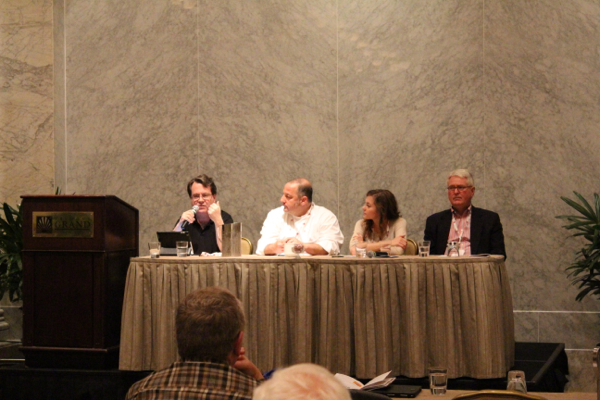
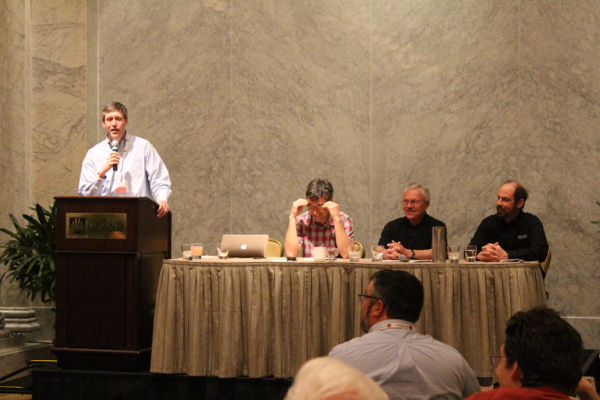
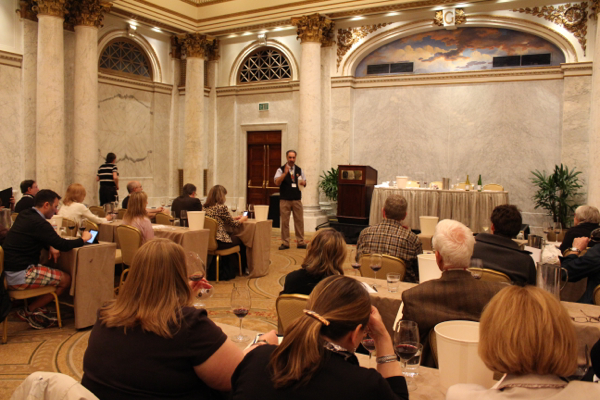
I will not get into the nitty gritty details of each session; however, I will summarize the ten conclusions that I drew from them:
1. Maryland wines were not very good in the 1980s and 1990s; however, they have improved in the past decade. Skilled winemakers and viticulturists such as Lucie Morton have contributed to this.
2. Maryland’s climate shares some characteristics with Virginia and Pennsylvania; the best grape growing regions in the state are those that have higher elevations and rocky, less fertile soils.
3. Warm days and cool nights are ideal during growing season.
4. Best grapes for the state seem to be cabernet franc, chambourcin, petit verdot, sauvignon blanc and albarino with potential for quality chardonnay.
5. The focus especially for red wines should be blends rather than bottling single varietals. This is critical for troublesome years such as 2011.
6. Chambourcin has the potential to be the Norton of Maryland.
7. Maryland’s challenge is not quality but constituency, and winemakers should look to Europe for inspiration since they face similar year-to-year challenges.
8. Tight spacing of vines may be a best practice; this absorbs rain water.
9. Maryland wineries continue to open; 62 are now open for business
10. Consumers must enjoy the wine tasting experience and made aware of improved quality. Maryland Wineries Association will continue awareness programs such as Eat Drink Go Local.
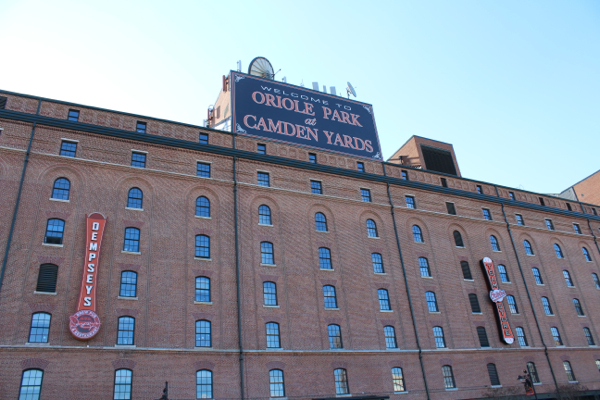
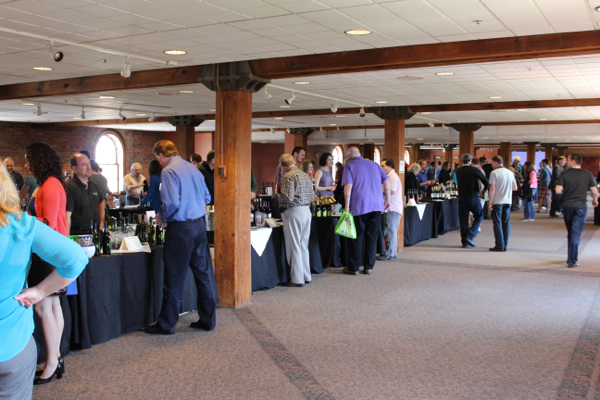
The conference concluded with a twitter taste off that was held at Camden Yards. At least 20 Maryland wineries were on hand to pour their finest wines, and tasters were encouraged to tweet their impressions. The taste off was opened to the public after 4 PM. What were our favorites?
White Wines:
Black Ankle 2011 Albarino
Old Westminster 2011 Chardonnay
Sugarloaf 2011 Pinot Grigio
Red Wines:
Big Cork 2012 Meritage
Boordy 2008 Cabernet Franc Reserve
Black Ankle 2010 Crumbling Rock
Sugarloaf 2010 EVOE!
The ultimate champions of the twitter taste-off were the 2011 Albarino from Black Ankle and the Sugarloaf 2010 EVOE!
Drink Local Wine provided a perfect opportunity for Maryland winemakers to present the best wines, and there was no doubt that Maryland can produce quality wines. Most of our fellow bloggers had never tasted Maryland wines, and I must confess that we have visited only a couple of Maryland wineries. However, that will be changing. We plan to frequent Maryland wineries more often, and we encourage readers to do the same. Mention that Virginia Wine Time sent you.
Drink Local Wine Comes to Maryland
 Drink Local Wine, established in 2008 by Jeff Siegel of The Wine Curmudgeon and Washington Post wine columnist Dave McIntyre, held its fifth annual drink local conference in Maryland on April 13. In previous years the conference was held in Texas, Virginia, Missouri and Colorado. We attended the event and concluded that it was a wonderful way to showcase the great strides made by Maryland’s winemakers. The next two posts will capture the highlights of the conference that culminated in a twitter tasting held at Camden Yards.
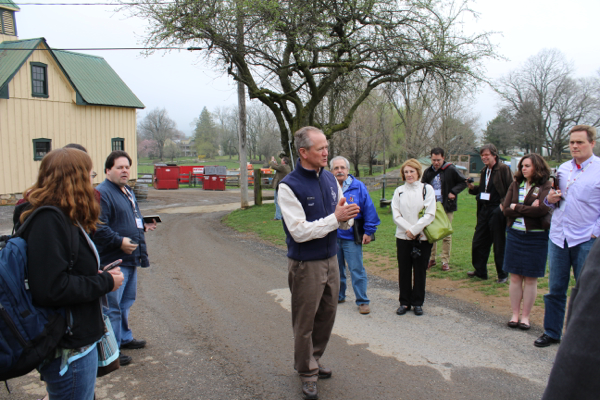
Our participation in the conference actually began with a media tour of Maryland wineries on Friday, April 12. We boarded a bus with other bloggers, columnists, and writers from the Tremont Suites Hotel in Baltimore. Our first destination was Sugarloaf Mountain Vineyard located in Dickerson, Maryland. Winemaker Benoit Pineau was on hand to conduct a tasting of Sugarloaf’s wines; however, Elk Run Vineyards’ representatives were also on hand to likewise showcase their best wines. A buffet of cheeses, olives, breads and deli meats were offered for enjoyment. Favorites included the 2011 Comus, a lush Bordeaux blend created in a difficult year. Yes, Maryland got the same copious amounts of rain in 2011 that plagued Virginia that summer. My ultimate favorite, though, was the 2010 EVOE!, so named after the excited cries of ancient Bacchanalians to honor the god, Bacchus. In a contrast of seasons, the 2010 EVOE! was more dark-hued and complex. Like Comus, it is a Bordeaux-style blend. From Elk Run, I enjoyed the Alsatian-styled 2011 Gewurztraminer. Tours were offered, and an added treat was the ability to vote for an upcoming release. Benoit Pineau asked us all to sample four red wine samples and then to vote on a favorite, and these included a Cabernet Franc, a Merlot, a Cabernet Franc (75%) and Merlot (25%) blend and then a Merlot (75%) and Cabernet Franc (25%) blend. These were all from the 2012 vintage. My vote? The Cabernet Franc/Merlot blend. Benoit will be the ultimate judge on which will be finally bottled, but I will definitely follow up to see if I picked the winner!
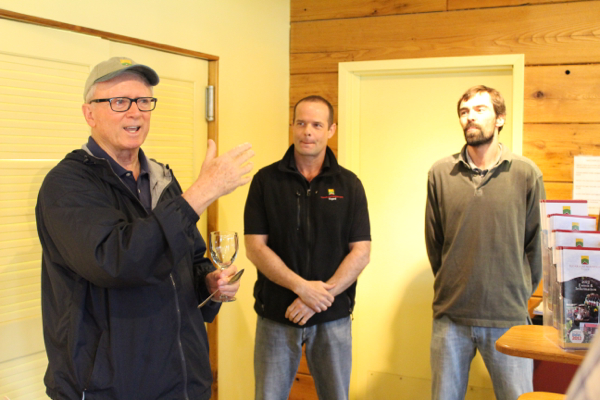
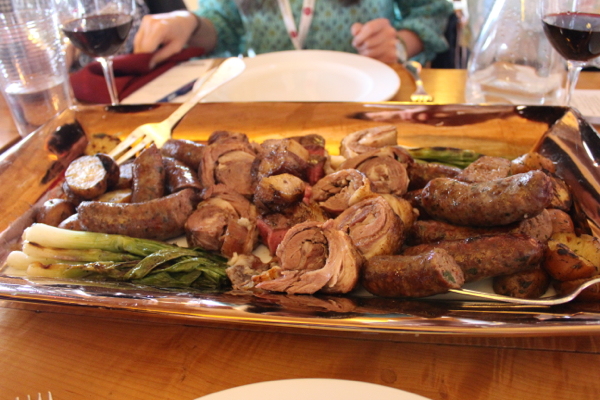
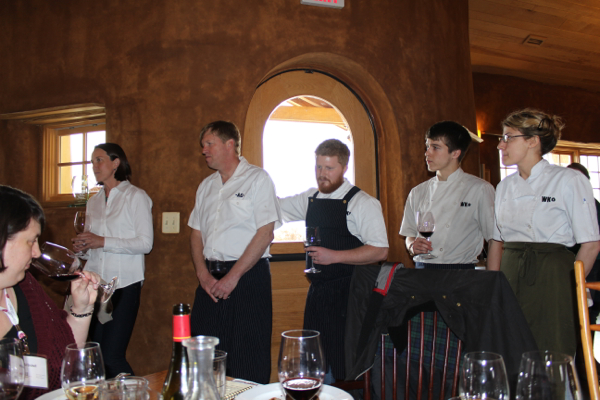
By lunchtime, it was time for the press junket to leave Sugarloaf Mountain Vineyards; our next destination was Black Ankle Vineyards in Mt. Airy. Did I mention lunch? It was here that we were treated to a lunch prepared by Woodberry Kitchen of Baltimore, a restaurant devoted to eating and drinking local. We were greeted by a glass of an outstanding 2012 Gruner Veltliner (yes, Gruner in Maryland) that complemented seasonal tartines. Lunch began with a warm greeting from owners Ed Boyce and Sarah O’Herron. They gave a brief synopsis of their story and the decision to make wine in Maryland. The couple opted to purchase farm property with the rockiest, least fertile soil possible; not good for corn or tomatoes, but great for a vineyard. Anyway, we tasted the excellent results of their decision. With grilled Chesapeake oysters we sipped the floral 2011 Bedlam, a blend of Chardonnay, Albarino, Muscat, Viognier and Gruner Veltliner. Wheat berry salad with radishes, pea shoots and pecans was paired with a berry-driven 2010 Rolling Hills, a red blend that included all of the Bordeaux grapes. The main event, though, was a platter of whole Maryland Suffolk grilled lamb, lamb sausage, scallions, and potatoes. The lamb was indeed fresh and local; Woodberry Kitchen’s George the Butcher butchered the lamb, and it was absolutely divine. Equally divine was the 2010 Leaf Stone Syrah with its elements of tobacco, dark plum, and blackberries. (This was my favorite pour of the day.) A dessert course rounded out our dining experience, and we were served Beiler’s Heritage Acres cornflour cake made from locally produced flour. This was partnered with a port-style Terra Dulce II.
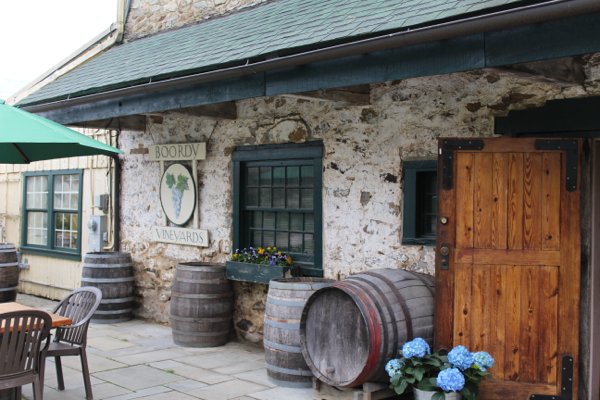
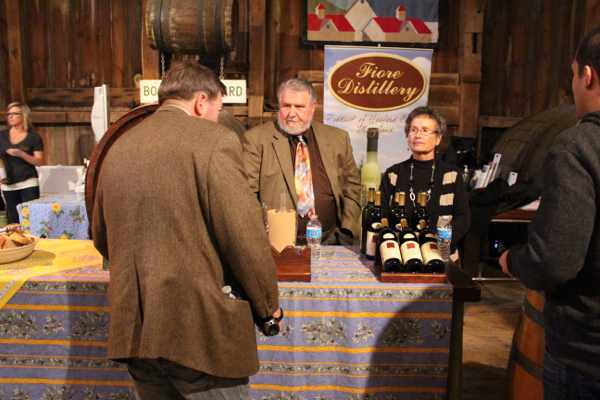
With our appetites satisfied, we departed for the last leg of our tour that concluded with a visit and tasting to Boordy Vineyards located in Hydes, Maryland. Vineyards here are nestled in the Piedmont Plateau and the Blue Ridge Province. Robert Deford greeted us and provided a brief history of the winery. Boordy Vineyards is the oldest commercial winery in Maryland, and Philip and Jocelyn Wagner established the winery in 1930 to protest Prohibition. Deford bought the property in 1980; however, he replanted the vineyard in 2005 to maximize its potential to produce world-class wines. We tasted the results in the tasting room. The buzz-worthy wines were the rich 2010 Cabernet Franc Reserve and the 2010 Landmark Reserve, an award winning blended red wine. Also on hand to pour their wines was Cygnus Wine Cellars and Fiore Winery. Fiore Winery offered two grappas, and these were an interesting twist to the traditional line up of white, red and dessert wines.
The day ended with a dinner at the Waterfront Kitchen in Fells Point, an event hosted by the Maryland Department of Agriculture and the Maryland Wineries Association. Yes, more food and wine. However, I will provide details about this experience in the next post. Before I sign out, though, I must thank Nomacorc for sponsoring the very comfy bus that took us hither and yon. I’ll write more about Nomacorc in a future post.
Start your own tours of Maryland wineries soon. The wineries mentioned in this post are great places to begin. Just mention that Virginia Wine Time sent you!
Cleve, Barrel Tasting, and More at Philip Carter
The last weekend of March was very chilly, but that did not deter us from partaking in a barrel tasting at Philip Carter Winery. We also got to sample the very special 2010 Cleve and the newly released 2012 Rose called Rosewell. An extra highlight of our visit, though, had to be the personal barrel tasting conducted by winemaker and native Virginian Jeremy Ligon.
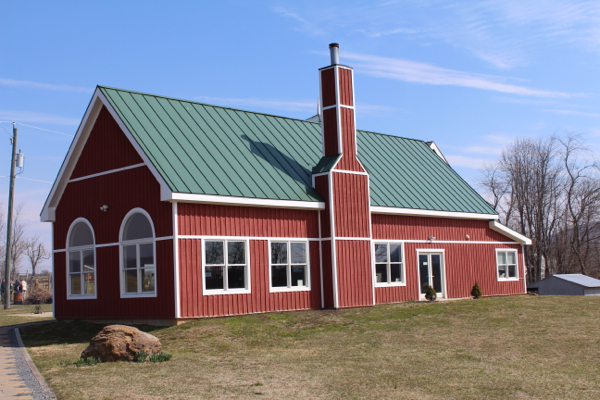
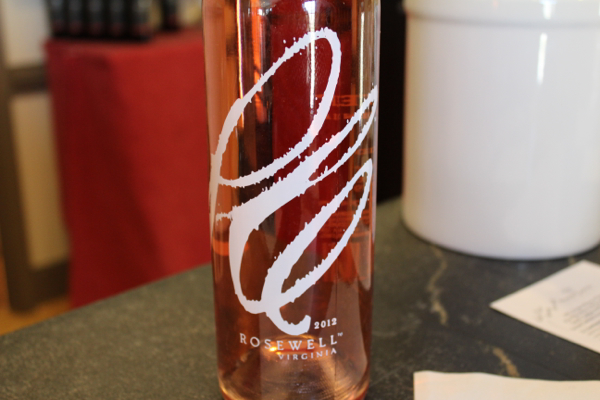
Our purpose for visiting Philip Carter Winery was indeed to sample the 2010 Cleve. Why? It just won a gold medal at the Virginia Governor’s Cup, and we are determined to try each gold medal winner as they are released to the public. The Cleve line is usually a blend, and this award-winner was a 50-50 mix of Tannat and Petit Verdot. The 2010 harvest in Virginia was one for the record books, and we expect this particular wine to age quite nicely. It possessed a smoky nose with dark fruit elements and a bit of caramel to finish; we noted firm tannins too. I purchased a bottle to rest on the wine rack and will serve with roasted meat. However, for more immediate consumption, we enjoyed the 2012 Rosewell, a dry rose wine made from Tinta Cao grapes and named after the Rosewell mansion that became home to one of Robert Carter’s daughter’s, Judith Carter. Floral notes and strawberry flavors along with a crisp acidity make for a wine that is both refreshing and versatile. Stock up on the Rosewell and enjoy during the warmer months!
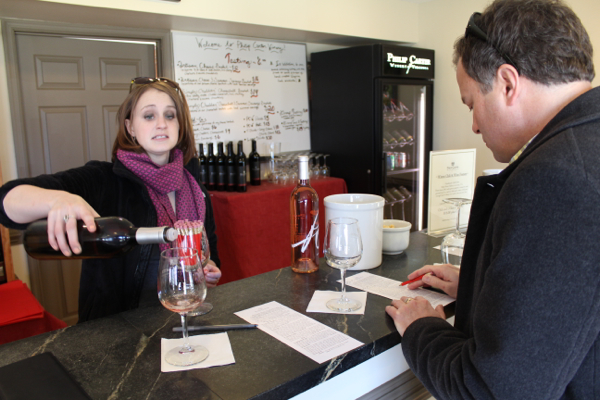
Our visit to Philip Carter coincided with a weekly program during March that featured barrel tastings each Saturday. We just happened to be there on the last Saturday of the program; of course, we just had to participate. Lucky for us, winemaker Jeremy Ligon was on hand to conduct our tasting. Jeremy has been at the winemaking helm at Philip Carter for a year, and he certainly has a vision for Philip Carter wines. We sampled 2012 Chardonnays in both neutral and newer French oak barrels, 2011Bordeaux-style blends, four 2012 Cabernet Francs pulled from both neutral and new oak barrels, and a Cabernet Sauvignon. Jeremy’s goal is to blend the unblended wines to produce more nuanced and complex wines. The Cabernet Franc samples, for example, ranged from soft and fruity to smoky and earthy depending on whether they were aging in neutral or newer oak barrels. Jeremy anticipates blending these to produce more balanced yet complex wines that beg for another sip.
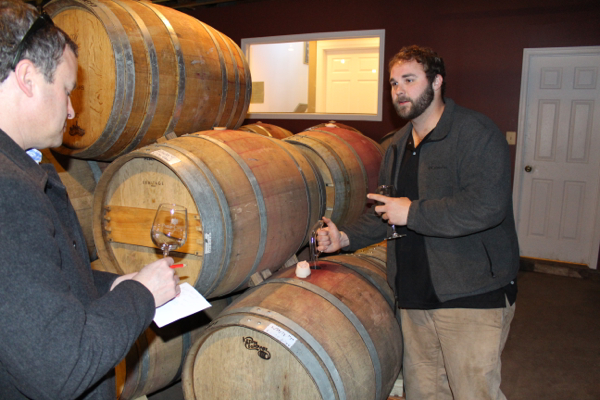
We also learned from Jeremy that a Viognier will be released this month, and future plantings in the vineyard will include Tannat and Petit Verdot. A follow up to the 2010 Cleve will be a tough order; however, we have no doubt that Jeremy Ligon is up to the task.
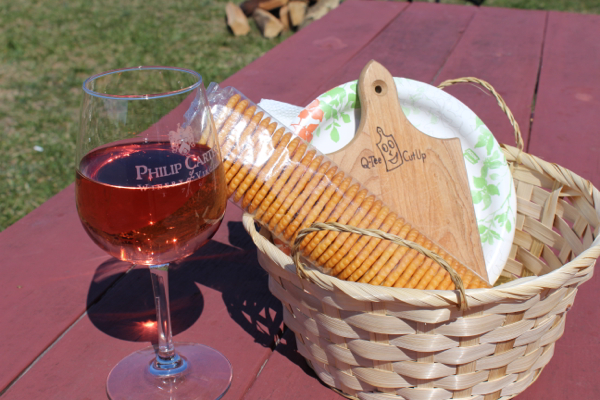
We did linger for a bit at Philip Carter Winery and shared a glass of the 2012 Rosewell. Fire pits warmed the air, so it felt just fine sitting outside and nibbling on cheese as we sipped away. Now that spring is in the air, why not plan a visit to Philip Carter Winery? And when you do, mention that Virginia Wine Time sent you!
Revisiting Cobbler Mountain
We first visited Cobbler Mountain in January of 2012. Since that time Cobbler Mountain has grown and is producing more wines and enjoying the growth. Jeff and Laura McCarthy Louden have been working hard over the last year. We decided to revisit Cobbler Mountain and see what was new. On the day we visited they were doing a jelly bean pairing with their wines. This was definitely a unique tasting experience. It was fun pairing the jelly beans with the wines.
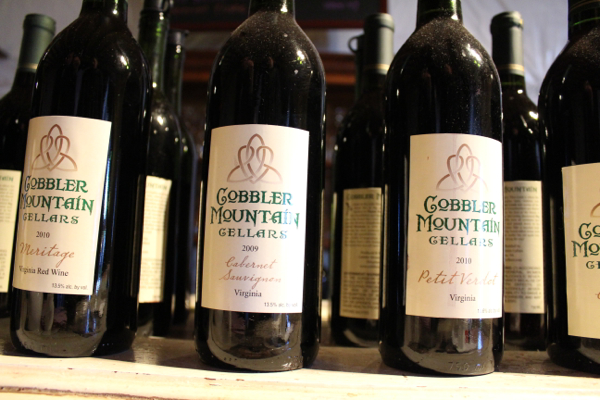
One of the wines we tasted that we enjoyed was the Sparkling Hard Apple Cider. It was tart and bubbly and made us think of pork. Another one of our favorites was the 2010 Cabernet Franc. We noted cherry, raspberry, cranberry, and spice. I liked it so much I brought a bottle home with me.
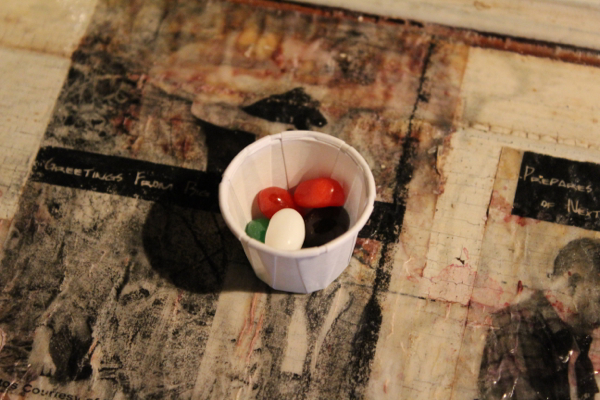
Cobbler Mountain is now making two maple drinks. One is the Maple Reserve Amber which is a port style dessert wine that would go well with cheesecake. Warren enjoyed this one and thought it would go well with pumpkin pie. The second is the Maple Reserve Special Dark which is suggested to be used as finishing glaze meats. Both are made from maple syrup from their family’s Vermont Farm.
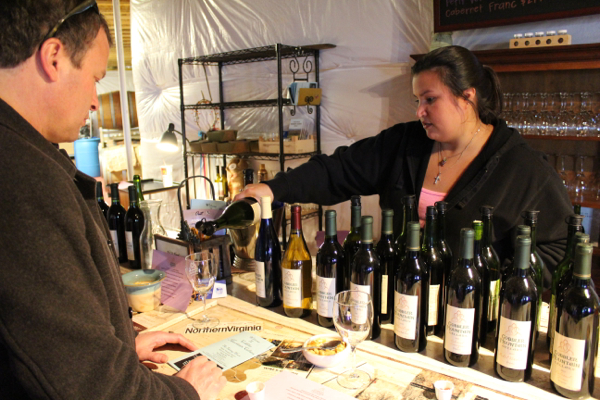
If you haven’t been to Cobbler Mountain recently its time to revisit them. They have a very welcoming staff, and array of wines to taste, and friendly and knowledgable tasting associates to help with the tasting. And when you do visit, tell them Virginia Wine Time sent you!
Dinner at Iron Bridge Wine Company
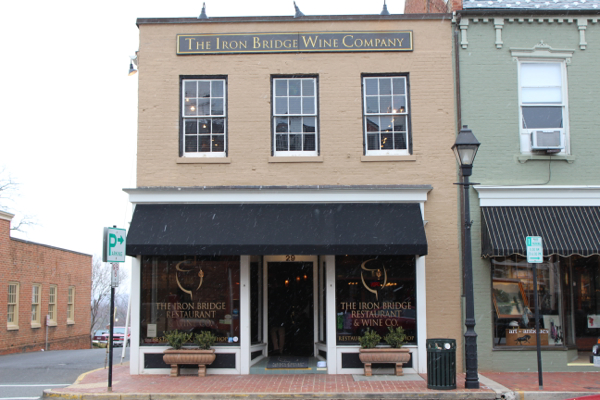
On Sunday evening we attended the winemaker’s dinner at The Iron Bridge Restaurant and Wine Company in Warrenton. We were guests of Ben Segal, the assistant manager. We met Ben a while ago when were all attending another wine tasting experience. We graciously accepted his invitation to attend the winemaker’s dinner at Iron Bridge. The dinner was paired with wines from Hume Vineyards. Winemaker Stephane Baldi was on hand to talk about each of the wines and answer questions during the dinner.
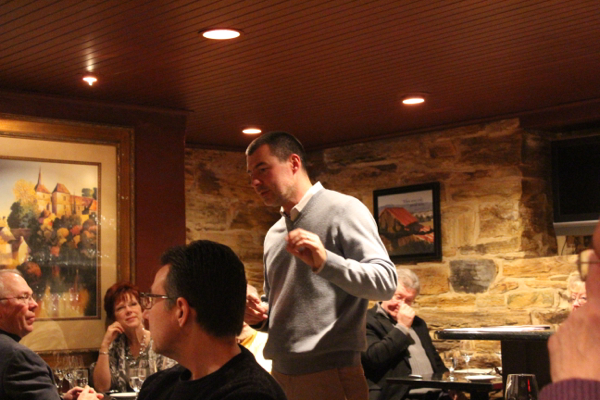
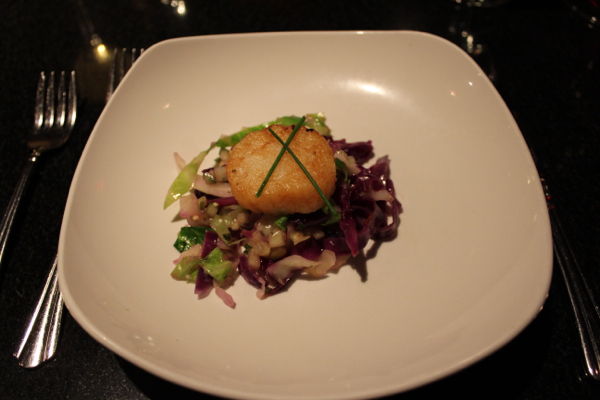
After an introduction from Ben and Stephane the first course was served. The first course was seared sea scallops with Thai spiced cucumber and cabbage salad. It was paired with the 2011 Viognier. Stephane informed us this wine was of 25% of one year aged in French oak and 75% from stainless steel aging. We noted apricot, honey and pear and a nice crisp mouth feel.
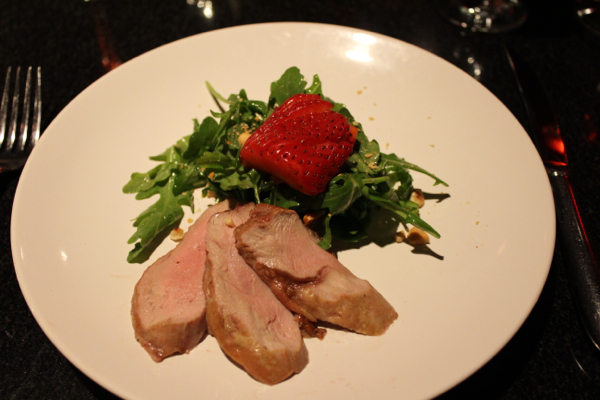
The second course was smoked duck breast with arugula salad and strawberry, hazelnut, and rose vinaigrette. It was paired with the 2011 Rose. This rose is dry and created with 100% merlot grapes that spent 48 hours on the skins. We noted strawberry and melon. This paired beautifully with the duck breast and arugula salad, especially with the rose vinaigrette.
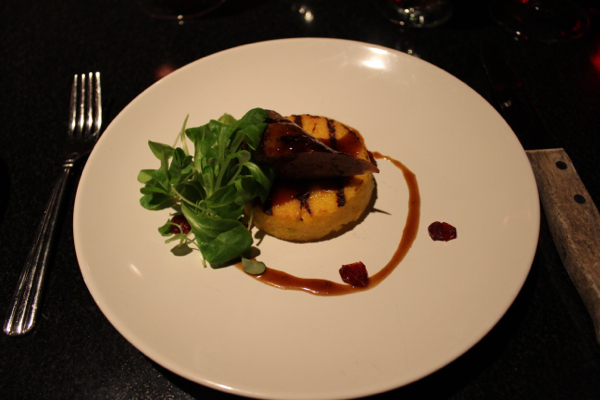
The third course was grilled local cranberry sage buffalo and pork sausage with grilled polenta and a cranberry demi. It was paired with the 2011 Cabernet Franc, which will be featured in the May issue of Wine Enthusiast magazine. This is a lighter style cabernet franc that would go very well with red sauce, burgers, or pizza. We noted a dark cherry, bramble berry, pepper, mint, and a spicy finish.
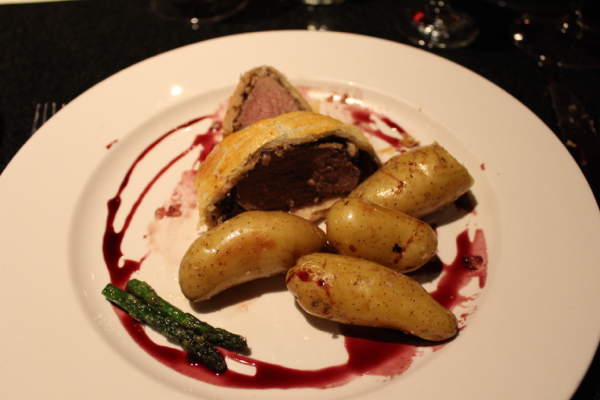
The fourth course was beef wellington with fingerling potatoes, asparagus tips, and a petit verdot reduction sauce. It was paired with the 2011 Petit Verdot. This wine quickly became our favorite. It’s a great example of what a winemaker can do in a wet year. This petit verdot also won a silver in the Governor’s Cup. We noted the dark, inky color before the jammy dark fruit flavors of blackberry and plum. We noted licorice and a chewy ending. The beef wellington was my favorite course but with the petit verdot, it was even better. The petit verdot got our gold star for the evening.
The final course was a wine poached pear with oatmeal cookie and blue cheese sauce. It was peered with the 2011 Late Harvest Vidal. I’m not a big pear eater so Warren enjoyed the pear with the Late Harvest Vidal. He noted pear and an almond nutty ending.
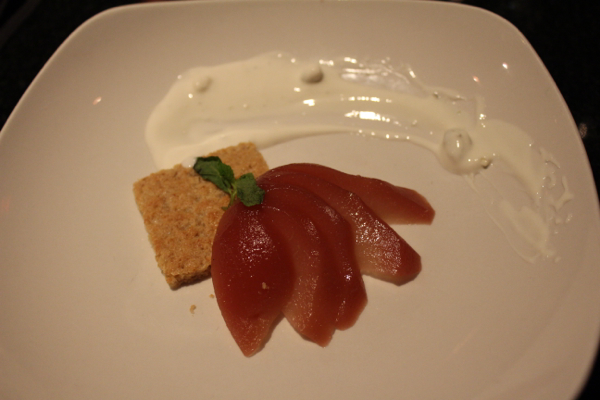
Everything was delicious and the wine pairings were perfect. During the meal we heard from Stephane at each course about the wines and what was happening at Hume Vineyards. We found out the 2012 vintage will be the first produced form completely estate grown grapes. We also chatted with our table neighbors during the whole dinner. We had a great time getting to know them and chatting about wine. They attend dinners at Iron Bridge quite frequently. We hope we run into them again soon at Iron Bridge. If you haven’t attended one of the winemaker dinners held at Iron Bridge, you really need to plan to in the future. They select some of the best Virginia wineries to pair with meals created by the amazing chefs. Check out their website or on Facebook to find out when they’ll be having the next winemaker dinner. And if you haven’t been to Hume Vineyards recently, plan a trip there too. You need to taste these new wines, especially the Petit Verdot and tell them Virginia Wine Time sent you!
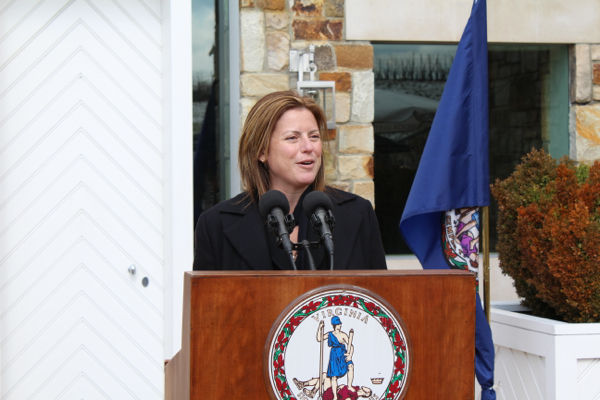
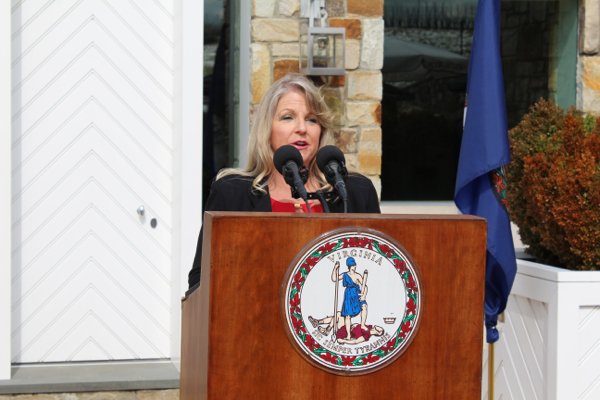
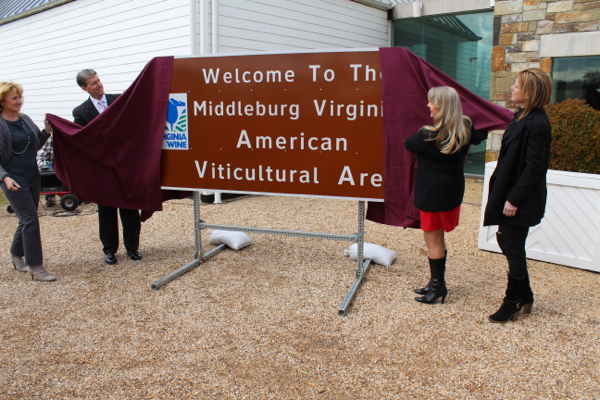
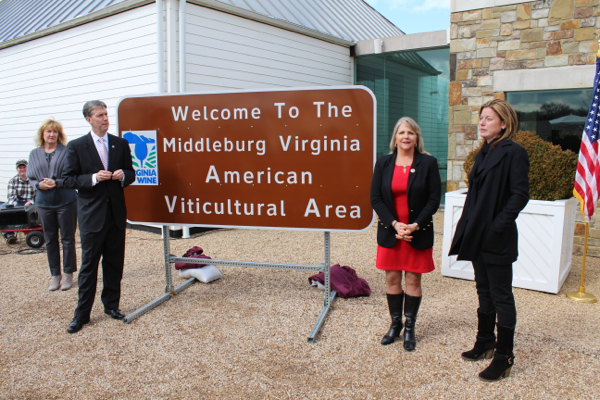
Middleburg AVA Sign Unveiling
Today we attended the sign unveiling for the Middleburg Virginia American Viticultural Area (AVA) at Boxwood Winery. In 2006 Rachel Martin, executive vice president of Boxwood Estate Winery, wanted to put “estate grown” on the bottles of wine produced at Boxwood. She soon found out the only way that could be added to the wine bottle labels was to be part of an AVA. She then began the long process of getting the AVA designation. In September 2012 the Alcohol and Tobacco Tax and Trade Bureau (TTB) established the Middleburg Virginia AVA.
After months of working on the signs and where they would be displayed, today the First Lady of Virginia Maureen McDonnell, the Secretary of Agriculture and Forestry, unveiled the sign that would appear at different points on major and secondary roads around the Middleburg AVA.
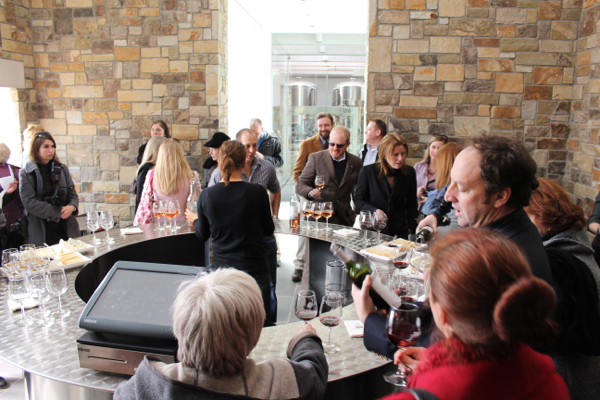
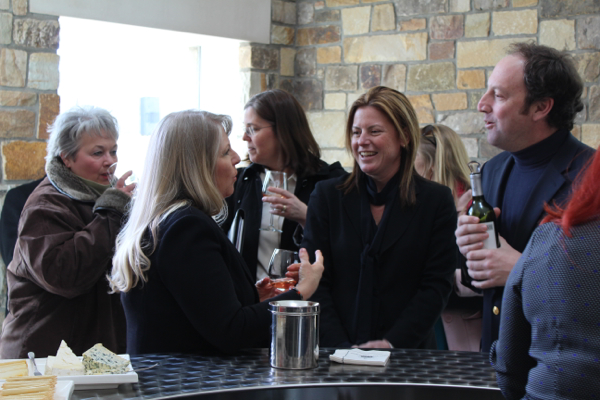
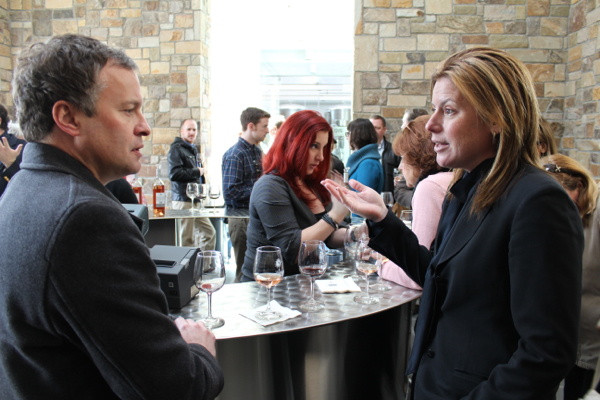
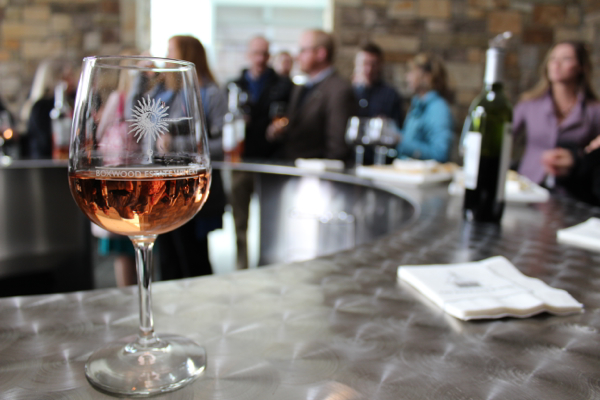
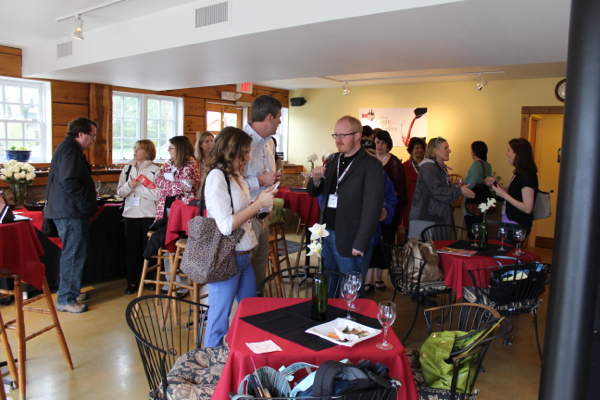
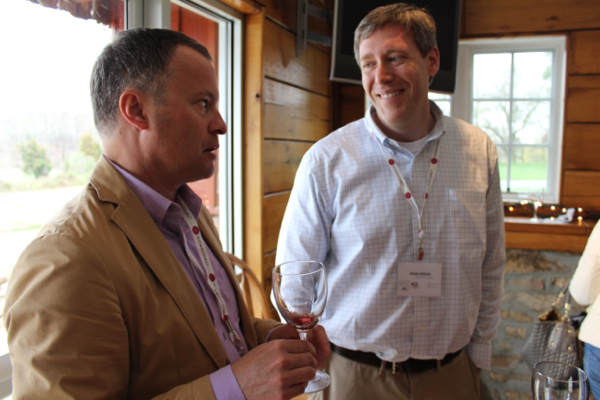
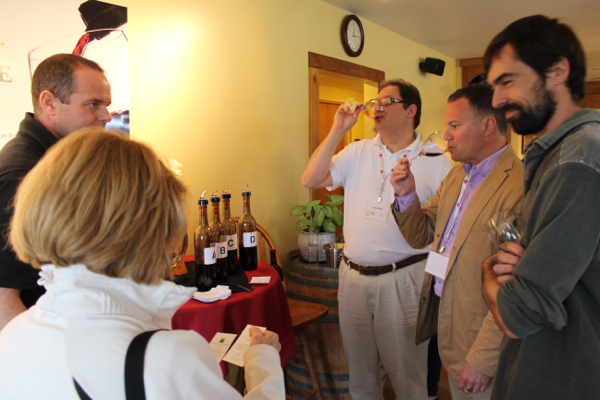
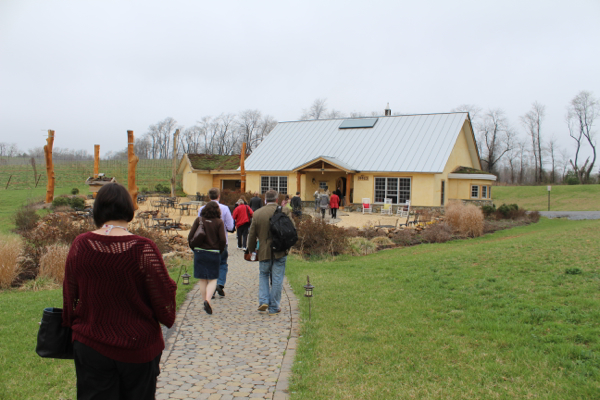
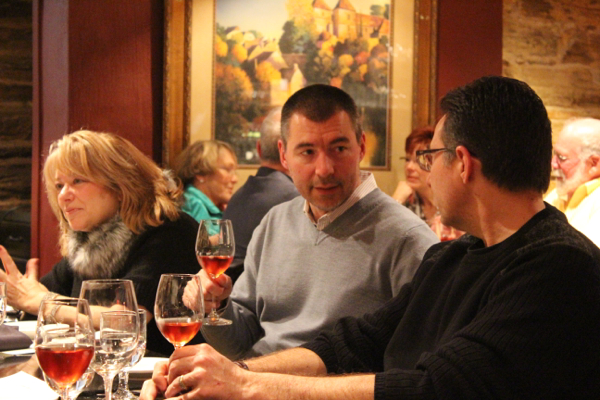
After the event we gathered in the tasting room to enjoy some Boxwood wine and nibbles. We particularly enjoyed the 2012 Rose. Here are some pictures from the event: