It’s Kosher at Molon Lave

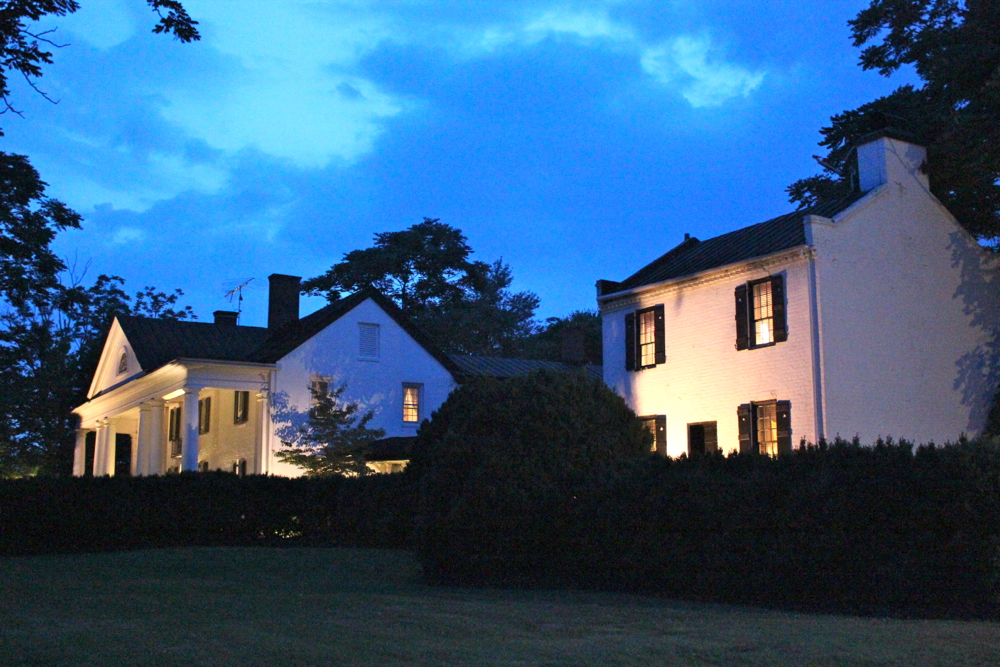
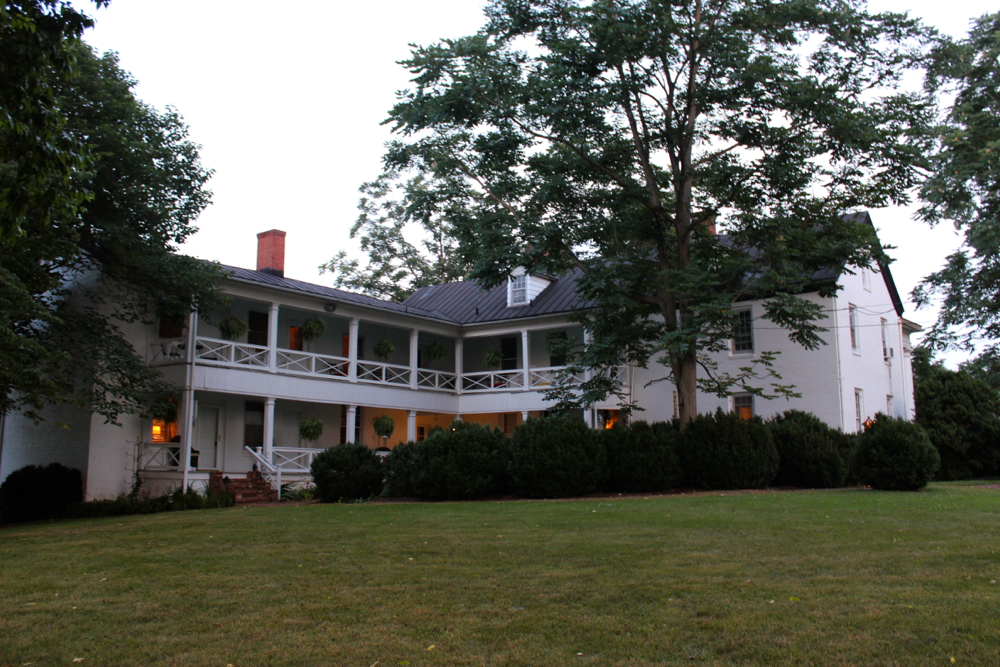
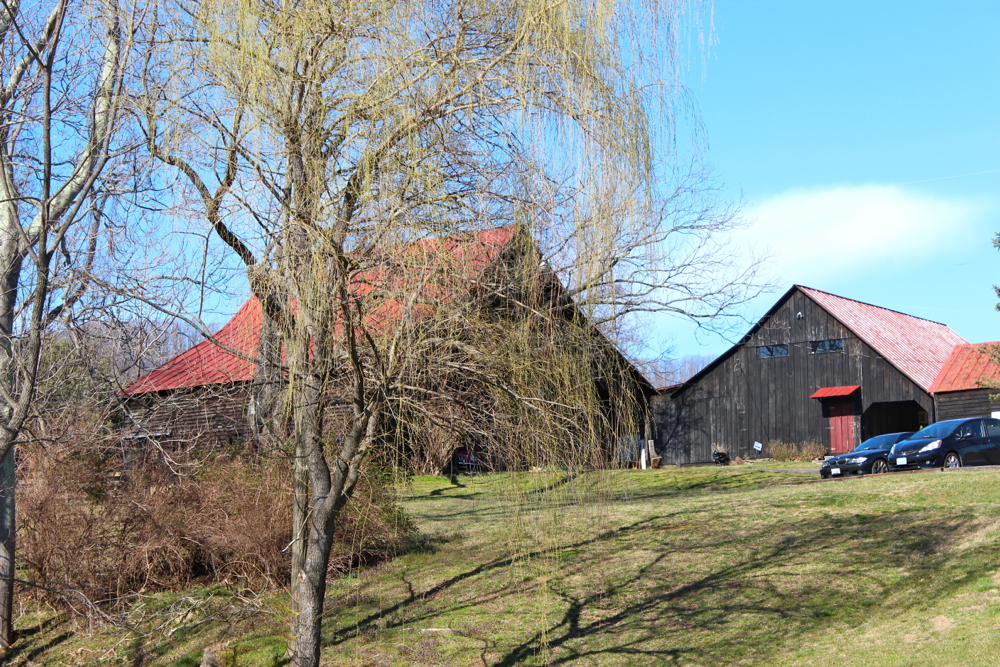
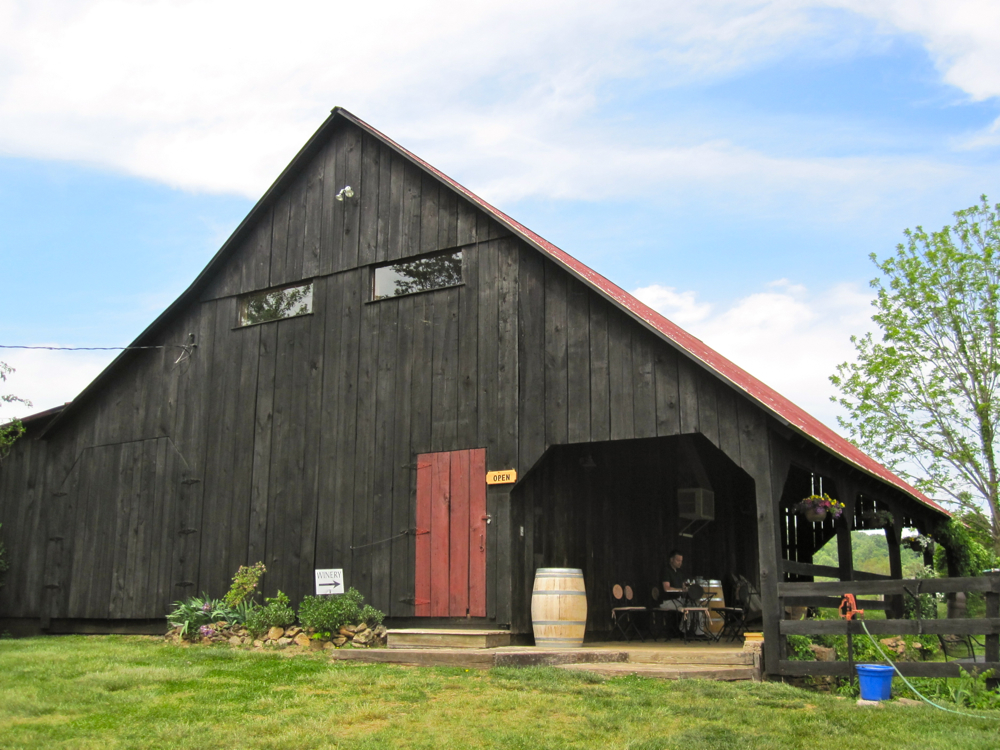
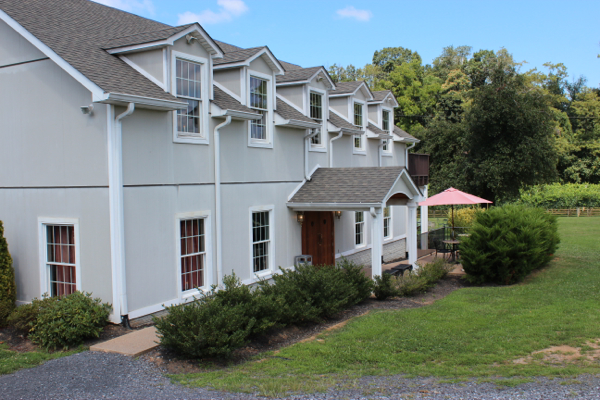
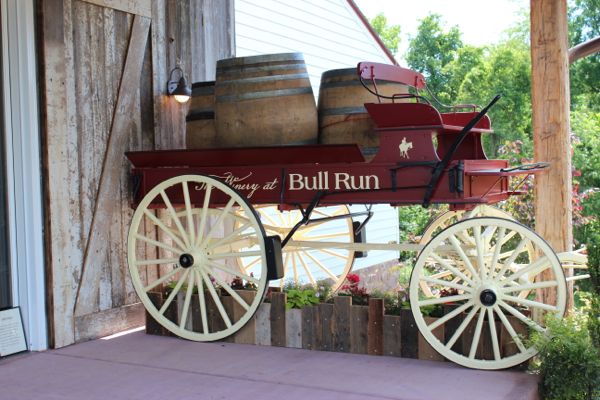
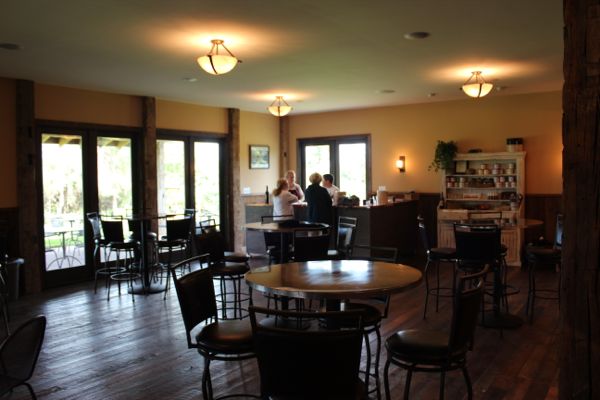
Our quest for summer pours brought us to Molon Lave. We first visited the winery when it first opened about two years ago, so we knew that we were due for a re-visit. Since that time, the tasting menu has expanded to include kosher wines!

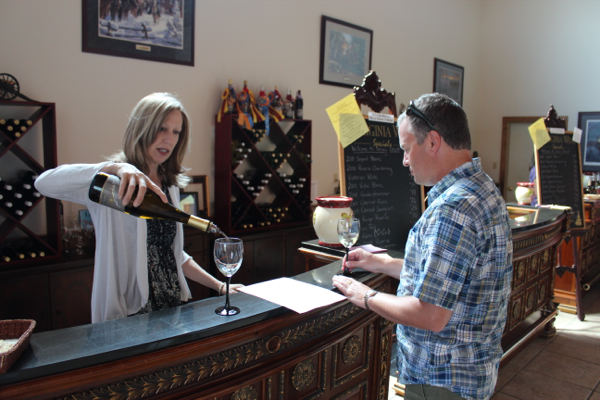
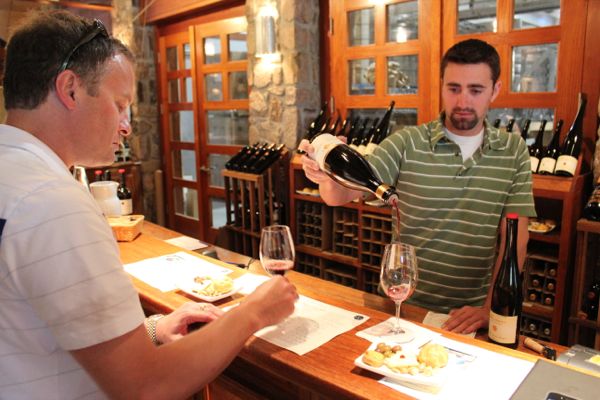
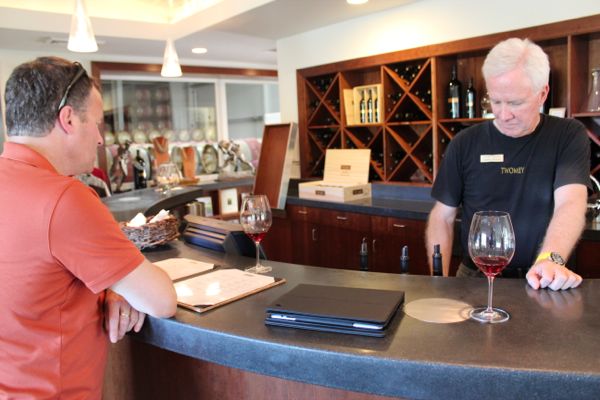
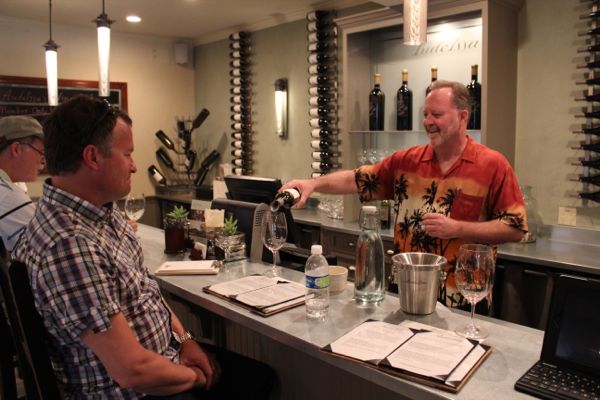
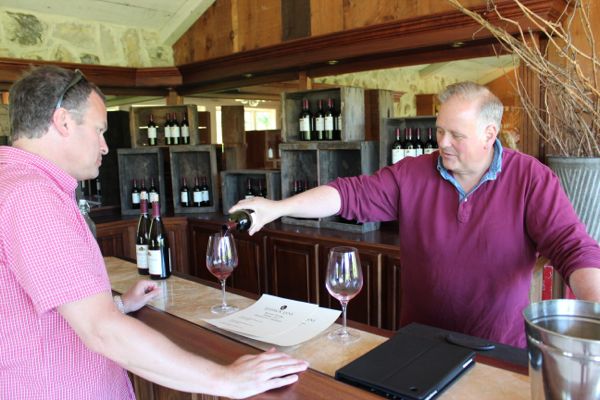
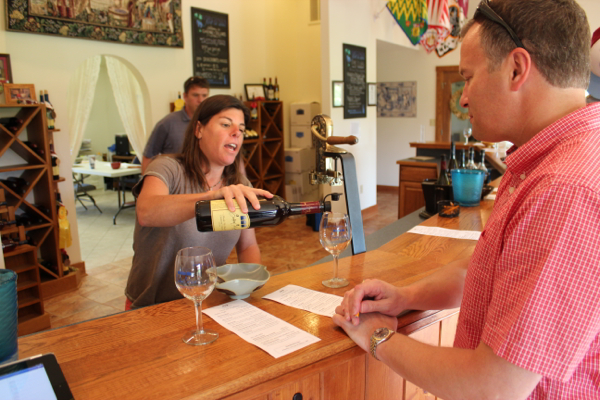
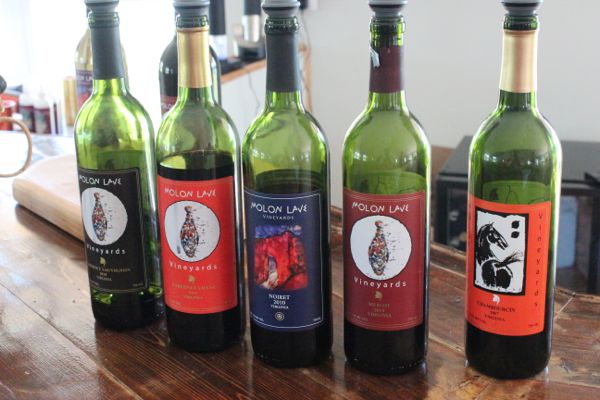
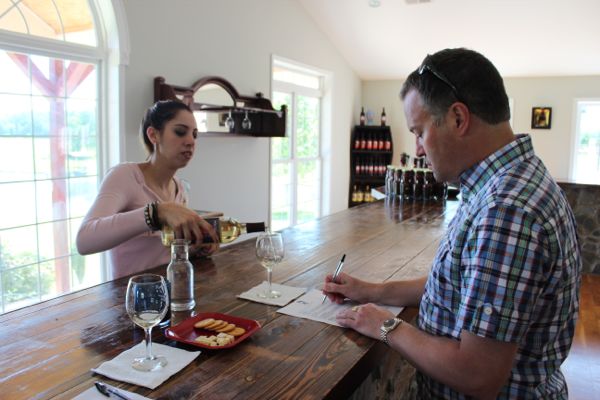
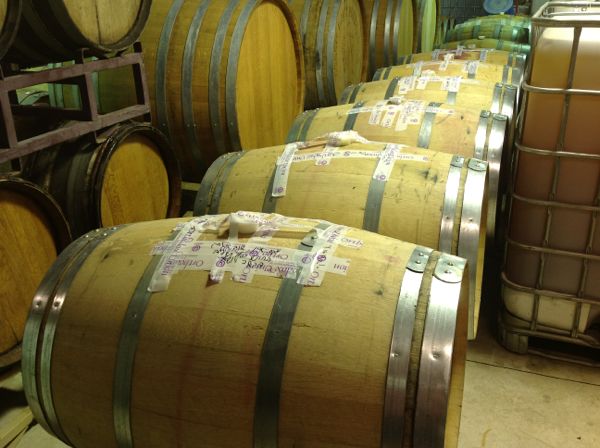
Molon Lave is Greek and roughly translate to, “Come and Get Them”, and that is what we planned to do—get the wines that is. Katherine, daughter of owner Louizos Papadopoulos, warmly greeted us and recalled our first visit to Molon Lave. She updated us on the developments at Molon Lave that include an expansion of the wine menu to include ten wines. Riesling, Vidal Blanc, Chambourcin, Merlot, Noiret, Cabernet Franc, and Cabernet Sauvignon are some of the estate-grown varieties that are now for sale at the winery. Our goal was to identify wines appropriate for the hot and humid days of Virginia summertime, and Paul’s favored the fruity 2010 Vidal Blanc with its peachy flavors. Aged in stainless steel, it should be enjoyed on its own or with a light picnic lunch, fresh fruit, and light cheeses. Katie’s Charm should delight rose lovers who appreciate the Chambourcin grape. Bright strawberry notes and a characteristic tart finish make for the perfect wine to bring to a Wolftrap concert. Outdoor grilling might call for a red wine, and the 2010 Cabernet Franc was my own personal favorite. This spicy red wine was aged for 12 months in American oak barrels and presented flavors of blackberry and raspberry. Sweet wine lovers might enjoy the Autumn Nectar, a blend of late harvest Rielsing, Pinot Gris and Viognier. At 2.5 residual sugar, it should be fine with dessert; however, our friend Michael Tyler would probably sip this one on its own.

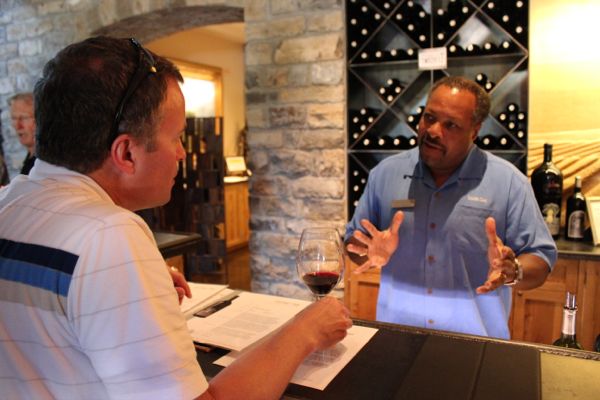
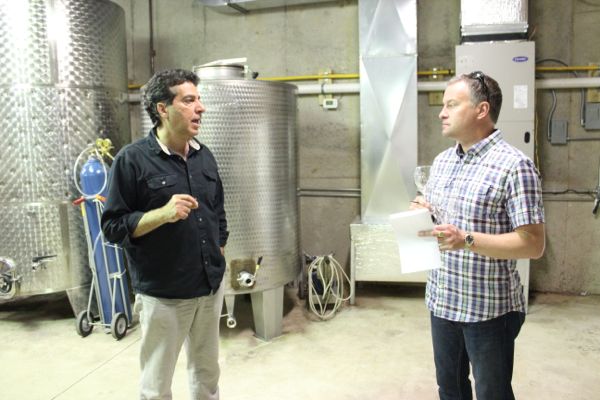
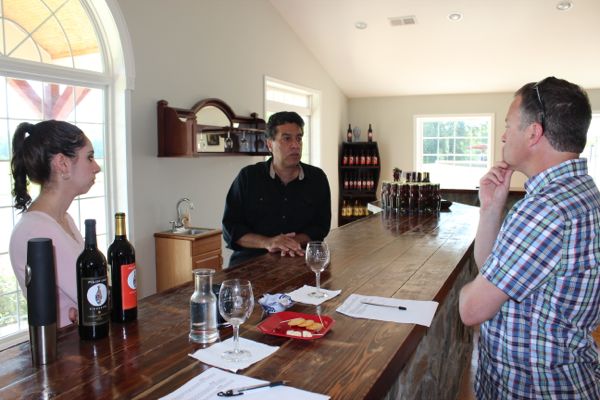
We were very intrigued with the kosher wines, and winemaker and owner Louizos Papdopoulos was on hand to answer our questions about this process. Louizos became interested in producing kosher wines due to his business dealings both here and in New York City; he discovered that Jewish communities were interested in local wines, but they had no local options for kosher wines. Louizos decided to fill this void and pursued the process of making kosher wines. Kosher wines are made according to strict Jewish dietary laws, and only a rabbi can make the wines. These laws and practices go back to ancient bibilical times. At Molon Lave, a rabbi now makes three kosher wines, and these include the 2010 Riesling, the upcoming 2010 Chardonnay, and the smoky 2010 Noiret, a hybrid red grape. The wines have become popular sellers, and Molon Lave was the first Virginia winery and among very few east coast wineries to produce kosher wines.


Louizos filled us in on future goals for Molon Lave, and these include a continuation of the kosher wines. He also intends to plant an additional 20 acres of vines to include more of the varietals now grown on the estate with Traminette being added to the mix. The overall winemaking philosophy will remain the same, though, and that is to produce fruit-forward, drinkable wines.

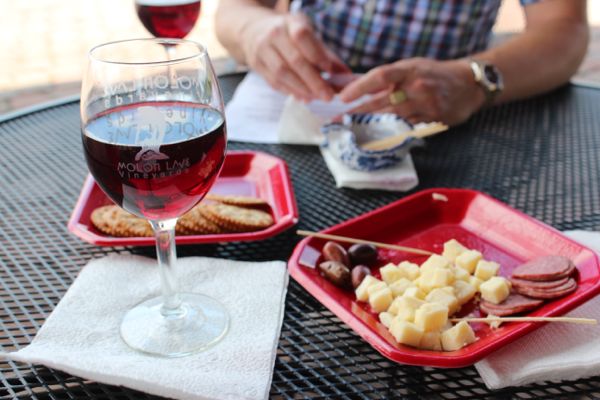
With our tasting done, we decided to enjoy a glass of Katie’s Charm with a plate of salami, cheeses, and Greek olives. We walked up to the pavilion and enjoyed a panoramic view of the lovely grounds at Molon Lave. We made certain to leave with bottles of summer favorites, and we plan to visit sooner to keep abreast of developments at Molon Lave. Be sure to visit Molon Lave for a tasting, but be sure to mention that Virginia Wine Time sent you.

Time For Summer Sippers

Yes, it’s that time of the year to put away the bolder wines until the fall and to crack open the crisper, lighter-bodied white wines and fruitier red wines. Our mission to stock up on warm-weather wines brought us to Naked Mountain Winery.

The 2011 offerings at Naked Mountain seemed to meet our expectations for white wines from the 2011 vintage—fruity and refreshingly acidic. The 2011 Viognier presented one such example. Nice melon citrus aromas were matched with flavors of pear and melon. A higher acidity level led to a crisp finish. Perfect on its own or serve well chilled with light cheeses or shellfish. For sweeter wine lovers, the 2011 Chardonnay Riesling should fit the bill. A residual sugar level of 2.5% made for a fruity wine with peach and apple flavors. Our friend and guest blogger Michael Tyler, a fan of fruity white wines, would really love this one while grilling on the deck on a hot afternoon! He might even save a glass for me!

White wine lovers who find themselves in a dither at barbeques might appreciate the 2010 Catamount Run Red. Spicy barbeque sauces and char-grilled fare that once mooed may not seem like a match with sweet white wines; however, this fruity red wine should woo white wine drinkers. Slightly sweet with a bright, fruit forward presence should partner quite nicely with burgers, ribs, and sausages. If heavier meats are on the grill, Paul’s favorite, the Raptor Red, might be a better match. This non-vintage pour is a blend of wines from the 2007 and 2008 vintages. Its smoky nose gave way to aromas of dark seed berries and tobacco.

If a cheese course or cheesecake is on the dessert menu, opt for the 2011 Old Vine Riesling. At 6% residual sugar, it is certainly a dessert wine and presented floral aromas with apricot notes and hints of green apple.

It was indeed a hot day, and we refreshed ourselves with a glass of the 2011 Viognier. It proved to be the perfect pour to complement a warm, muggy afternoon. Be sure to consider Naked Mountain Winery when shopping for your own summer sippers, and please mention that Virginia Wine Time sent you.

Celebrating 250 Years!

Philip Carter Winery celebrated the 250th anniversary of winemaking in Virginia. A black tie event kicked off the celebration on Friday, May 25 and then continued into Saturday with more casual events that included carriage rides, barbeque, fencing, and live music.

The black tie event featured a “history through tasting” that showcased wines from some of the state’s oldest wineries. These included Barboursville Vineyards, Horton Vineyards, Jefferon Vineyards, Philip Carter Winery, and Williamsburg Winery. However, we attended the Saturday event, and while Paul was anxious to wear his period clothing (powdered wig included), we enjoyed a very warm afternoon in our summer attire. In addition to celebrating an important milestone, we also took advantage of an opportunity to sample the latest releases from Philip Carter Winery.

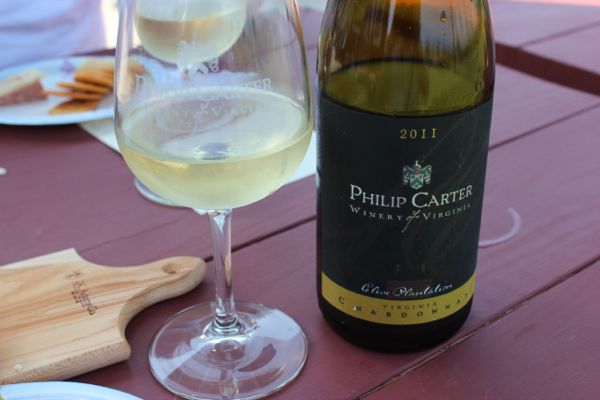
I’ll get into the wines first. I’ve always been a fan of Philip Carter’s Chardonnay, and I really enjoyed the 2011 Chardonnay that was released on the anniversary weekend. Like its 2010 sibling, the 2011 vintage exhibited a creamy texture on the mid-palate due to malo-lactic fermentation; however, a partial blending with Chardonnay from stainless steel tanks also provided a degree of crispness. It presented ripe pear and citrus characteristics with a nice acidity that we increasingly associate with the more positive elements of the 2011 vintage. Just in time for summer, the 2011 Governor Fauquier is a blend of Vidal Blanc and Chardonnay; done in stainless steel, it is full of bright apple flavors.

Of the red wines, I enjoyed the 2011 Cabernet Franc. This is the first bottled red wine that I’ve experienced, and it met my expectations for the 2011 reds. Fruity and lighter bodied, this Cabernet Franc is blended with Petit Verdot (10%) and Tannat (9%) and then aged for nine months in both French and American oak barrels. I noted lots of cherry aromas and flavors with a peppery finish. The smoky 2010 Meritage, though, presented a more complex pour. This blend of Cabernet Franc (42%), Petit Verdot (32%), Cabernet Sauvignon (21%) and Merlot (5%) exhibited elements of dark fruit, sweet tobacco, and black pepper with a notable tannic presence to suggest that an age-worthy wine. Serve now but decant; better yet, buy now and wait to enjoy at its peak.
Other new releases included the full-bodied 2011 Sabine Viognier, a first-ever release of a Viognier from Philip Carter Winery and the fruity 2011 Late Harvest made from Vidal Blanc. The 2011 Rose was also poured, and we’ve written about it in an earlier post; I do think it is a very good Rose and made sure to purchase a bottle for the summer.

In the midst of our tasting, we met up with Philip Carter Strother, owner of the winery. It was certainly a proud day for Philip Strother, whose ancestor, Philip Carter, acquired the original deed to the property on which the first vineyards in Virginia were planted. In fact, Strother can now exhibit both the originial charter and a recent legislative proclamation that recognizes the Carter wine legacy. Strother also shared with us the bottle for the soon to be released port called 1762. Wine expert Richard Leahy was also on hand to help with the celebration, and Richard was available to chat about Virginia wine and to sign copies of his newly released book, Beyond Jefferson’s Vines.

We completed the anniversary celebration with a glass of the 2011 Chardonnay, and an outdoor seat beneath a shady umbrella allowed us to watch antique-style carriages drawn by horses and ponies taxi riders about the vineyards. Fencers in full attire made lunges toward each other, and Paul bemoaned a missed opportunity to wear his velvet knee-britches, buckled shoes, and powdered wig. I assured him that there is always Halloween! We made certain to purchase our favorite Philip Carter wines. Be certain to celebrate the 250th anniversary of wine making in Virginia with a visit to Philip Carter Winery, but be sure to mention that Virginia Wine Time sent you.

TasteCamp Day Three

Jim Law of Linden headlined the TasteCamp finale, and he conducted a personal tour of his Hardscrabble site for campers. Jim is something of a god here in Virginia, so this opportunity for campers to meet the man who inspired the sea change in Virginia’s winemaking was truly an incredible experience. Jim’s tour ended with a tasting of his wines, and taste camp ended on the highest note possible.
Taste campers met Jim on a very foggy and chilly morning to tour his Hardscrabble site. Jim has been making wine at the Hardscrabble vineyard since at least 1987, and he began the tour at his block of oldest chardonnay vines; however, lest we think that Jim contently sits on his laurels and lets 25 year- old vines do their thing, campers were informed otherwise. Jim is in the process of renovating and replanting his vineyard so that particular varietals are planted in the most appropriate soils and microclimates. Blocks of merlot are being uprooted and then replanted with chardonnay. Carmenere is being grafted onto merlot to produce more merlot. Poorly performing carmenere will be phased out. New vines will be spaced closer together. Canopy management will change too. A recent trip to Bordeaux vineyards revealed to Jim that merlot grapes actually do not like plentiful sunshine, and overly ripened merlot produces jammy, uninteresting wines associated with the mediocre stuff associated with California. Therefore, Jim will make the necessary adjustments with his merlot vines. What does all of this say about Jim Law? I concluded that Jim stays at the top of his game because he always seeks to improve. Jim constantly referenced his desire to “get better” or “make better wine”; although other area winemakers often acknowledge Jim as their teacher, mentor, or hero, it was obvious to me that Jim still considers himself to be a student. Perhaps it is for this reason that his wines consistently set the bar for quality in Virginia.
Jim then led us to the crush pad for a tasting of his wines. The fog intensified as barn swallows frantically fluttered around, and a Gothic feel permeated the atmosphere as Jim presented his wines. These included the 2011 Avenius Sauvignon Blanc, 2009 Harscrabble Chardonnay, 2008 Hardscrabble Red, and 2009 Avenius Red. As the fog encircled us, it was hard to miss Jim’s Old World style of winemaking. Elegant and focused, integrated and balanced—these wines were indeed at the top of the class. It was here that I heard the highest praises of the weekend with one New York camper commenting that Jim’s wines were “world class.”
Reflections: So what did I learn from taste camp? Winemaking is a tough business, and the phrase, “winemaking starts in the vineyard”, may seem cliché, but indeed it is true. The vineyard management alone should frighten off all but the most dedicated and passionate. There are many decisions and tasks involved just with the vineyard management. Which site to select? Which varieties to plant, and then which clones? What about trellising—smart dyson to maximize production? Mow the lawn or let the weeds grow to soak up some unwanted moisture? Pick now or gamble on the weather? Needless to say, there are many more decisions to be made once grapes are harvested and then fermented and aged. Serious winemaking is not for the hobbyist, and even most seasoned veterans must be opened to changes if they wish to constantly raise the quality of their wines.

I also learned that Virginia winemakers are still sorting out what varieties work for Virginia, and this seems to be a site-by-site decision. Jordan Harris will be focusing more on Rhone varieties while Law will intensify his focus on merlot and chardonnay. Doug Fabbioli, the Bootstrapper, will continue to innovate not only with traditional viniferous grapes but also with hybrids (like chambourcin) as well as fruit wines. Ben Renshaw enjoys the challenge of vineyard management and seems to revel in working with a more diverse crop—his favored Tranquility site grows traditional grapes such as cabernet sauvignon while the Goose Creek vineyard located across the road produce German varieties such as lemberger and dornfelder. What was a common thread between all of these winemakers? The sense of passion that even the most oblivious would have noticed.

Buzz: So which wines generated the most buzz? I tried to document as many comments as possible, so it is likely that I missed a few of the hitmakers from the weekend. With that in mind, here is my list of all-stars that generated the most buzz:

2010 Ankida Ridge Pinot Noir
2011 Boxwood Rose
2007 Boxwood Red (actually a split between this and the 2007 Topiary)
2011 Blenheim Rose
2002 Breaux Reserve Merlot
2001/2005 Breaux Nebbiolo
2008 Linden Hardscrabble Red
2009 Linden Hardscrabble Chardonnay
2010 North Gate Rousanne
2011 Stinson Sauvignon Blanc
2007 Tarara Syrah
2011 Tarara Petit Manseng
2011 White Hall Viognier
2010 Zepahiah Farms Chambourcin Reserve

TasteCamp offered an opportunity for campers to learn (and taste) more about winemaking in Virginia. We thank the TasteCamp organizers for planning this event, and we encourage readers to visit Virginia wineries to sample the latest releases. Create your own buzz (uh-a list of favorite Virginia wines, course). Remember to mention to the winemakers that Virginia Wine Time sent you.

TasteCamp 2012

TasteCamp was held this past weekend in Loudoun County. TasteCamp founder Lenn Thompson of the New York Cork Report and Frank Morgan of Drink What You Like organized the event, and it was attended by bloggers and industry representatives from as far away as Canada and Georgia. In fact, several participants also attended the bloggers conference held in Charlottesville last August. TasteCamp offered an opportunity for enthusiasts and experts to sample an array of wines from around the state; however, participants were also given vineyard tours to get a glimpse of how vineyards are managed by some of Virginia’s most highly regarded winemakers. This was a three-day event, and I will present a day-by-day summary of our experiences.

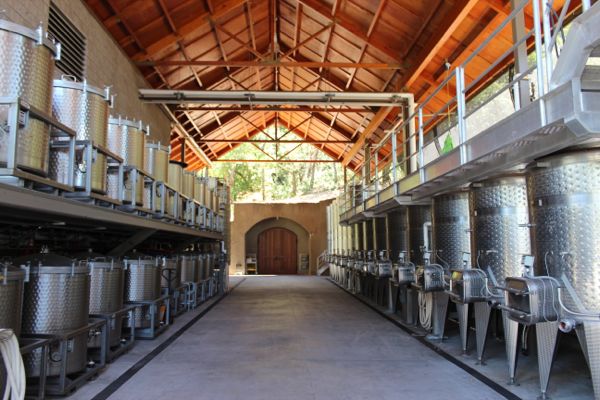
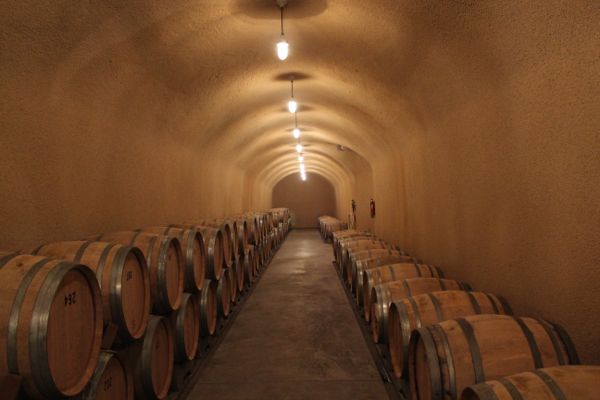
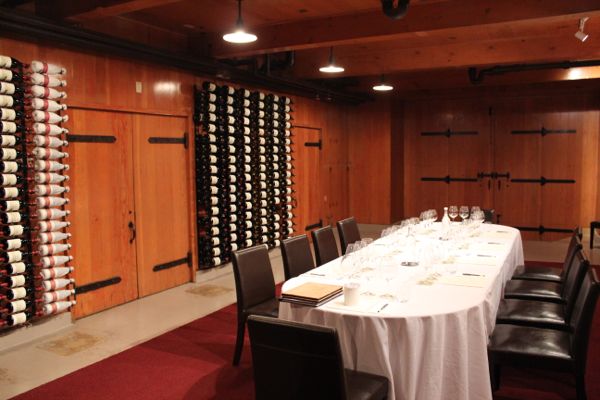
Friday, May 4 (Day 1): TasteCamp was officially launched at the Boxwood Winery in Middleburg, Virginia. Rachel Martin hosted a spectacular lunch and wine tasting in the facility’s tank room, and wines poured included the 2011 Rose, 2007 Topiary, and the 2007 Boxwood. Rachel Martin also revealed at the luncheon that the Boxwood Winery will serve as the official public tasting room and will replace the current Middleburg site. This change will begin on June 8, 2012. After lunch, we were given a tour of the wine cave.


The ultimate event of the afternoon, though, was a wine tasting conducted on Boxwood Winery’s crush pad. Monticello wineries were represented by Ankida Ridge, Blenheim, White Hall, Barboursville, ; however, wineries outside of that region such as Annefield, Gadino, Hume, Rappahannock, Veritas, and Pearmund were also on hand.


The day ended with an elegant food and wine dinner hosted by Breaux Vineyards. Jen Breaux Blosser greeted guests as they arrived, and it was Jen who had prepared vibrant sunflower and daisy bouquets to decorate the tables. Before entering the tank room for dinner, guests were allowed to mingle outdoors beneath a tent while sampling Breaux wines that included the 2010 Viognier and the legendary 2002 Reserve Merlot.


The four-course dinner was prepared by Tuscarora Mill Restaurant, and each course was paired with Breaux wines. The ultimate pairing was risotto with beef tenderloin served with the 2007 Cabernet Franc Reserve; however, the cheese course partnered with a vertical tasting of Breaux Nebbiolo from the 2001, 2001, 2005 and 2007 vintages was equally decadent.


Saturday, May 5 (Day 2): Vineyard tours offered an educational experience for all of us at TasteCamp. Doug Fabbioli of Fabbioli Cellars held forth on the vineyard practices at his site and presented a hands-on demonstration of how vines are pruned and then thinned at this time of the season. Fabbiolo frequently described himself as a “bootstrapper”, and it was not wonder that he given an innovator award by Loudoun County. Pears being produced for pear wine are literally growing in ship-shaped bottles on pear trees. An new-fangled machine stands guard in the vineyard to ward away late-spring frosts, and industrial curtains line the vineyard and can be drawn at to cut down on freezing winds. Doug likes to teach and seemed in his element while instructing eager students in his outdoor classroom. I also learned that Doug has opened the Piedmont Epicurean Arts Center as part of a “farm to table” educational initiative. The Center is located in Leesburg and includes sessions on raising cattle, growing fruit, making cheese, and (of course) managing vineyards.

After our vineyard tour, we were given a tasting of Fabbioli’s wines that included Something White (a traminette and vidal blanc blend), the 2010 Chambourcin, the 2009 Cabernet Franc Reserve, and the Raspberry Merlot. A bonus pour of the 2009 Tannat was also offered.

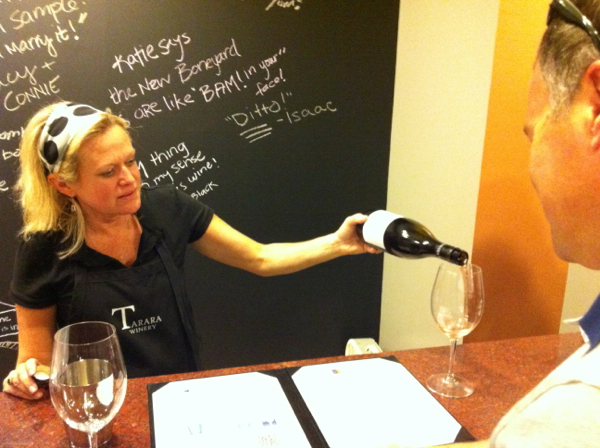
Next stop: Tarara Winery. Winemaker Jordan Harris transported us hayride-style (without the hay) to the Tarara vineyard sites. While in route, Jordan provided samples of his 2011 Petit Manseng, 2007 Viognier, and 2007 Syrah. We also got a history of the winery and vineyard along the way, and this culminated with a tour of the vineyard itself. Jordan has certainly made changes in the vineyard since his tenure at Tarara began in 2007. He made a decision to be terrior focused; as a result, some popular (but not so good) wines at Tarara were discontinued in favor of varieties that best suited the elevated terrain rockier soils, and location-specific microclimate. These include Petit Manseng, Viognier, Chardonnay, Syrah, and Cabernet Franc. Not included? Pinot Grigio, Seyval Blanc, and Pinot Noir.


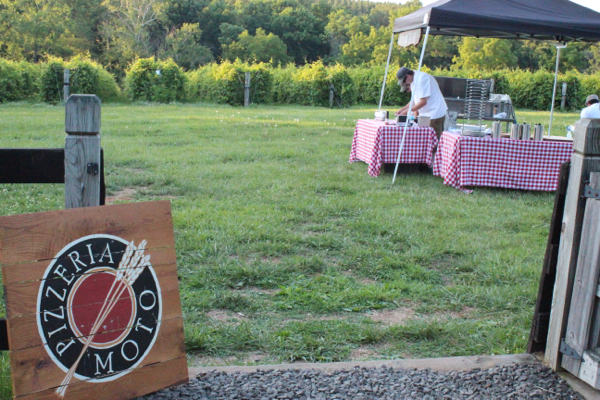
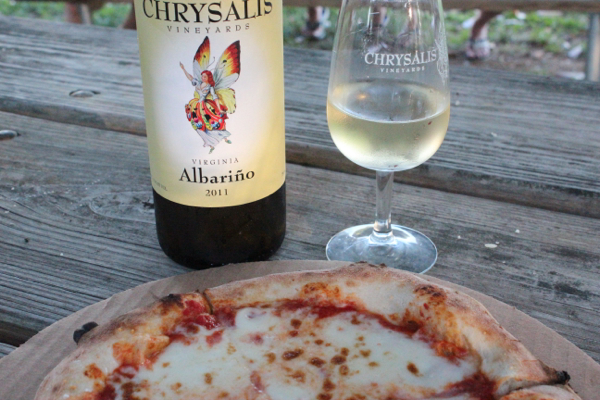
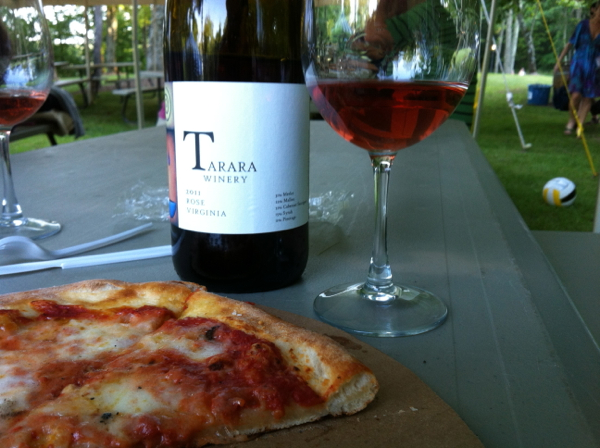
The vineyard tour was followed by a pizza lunch provided by Pizzeria Moto, a private catering business that uses a mobile wood-fired oven to prepare excellent pizza. Prior to lunch, though, another wine tasting was held in the Tarara wine cave, and participating wineries included Corcoran Winery, Delaplane Cellars, Loudoun Valley, Philip Carter, General’s Ridge, Horton, Narmada, Stinson, and Zephaniah. Of course, Tarara wines were available for tasting and were also served with lunch. Tarara’s 1992 Cabernet Sauvignon was poured for the occasion as well as the 2008 Nevaeh Red, 2009 Tranquility, and a sample of the upcoming 2010 Tranquility.


Final vineyard tour: Tranquility Vineyard. Ben Renshaw, winemaker at 8 Chains North and manager at the Tranquility site hosted this tour. Here again the word “terrior” was used to describe the focus for varietal selection at the site as well as vineyard practices that include diligent canopy management. This particular site is known for its favorable ripening of tough-to-ripen grapes such as Cabernet Sauvignon, a vital component of the Tranquility blend that was sampled at Tarara Winery. As a testimony to his diligence in the vineyards, Ben was just recently married but opted to postpone the honeymoon until after harvest!

The day’s final tasting was held at newly opened Otium Cellars. It was here that Renshaw poured his 8 Chains North wines as well as the wines that he makes for Otium Cellars. 8 Chains Wines included the 2008 and 2009 Furnace Reds; Otium Cellars wines, however, offered a German twist and included a 2010 Pinot Gris made from a German clone, a 2010 Blaufraenkisch, 2009 Dornfelder, and a 2010 Dornfelder.


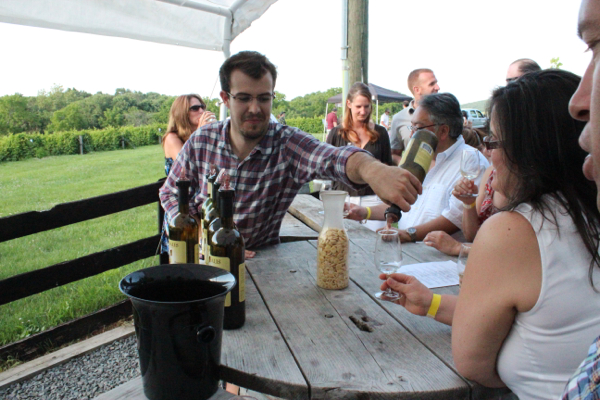
Yes, it was quite a day of vineyard tours and wine tasting. And yet the day was not done. TasteCamp participants were given a brief respite at their lodgings at the Loudoun Convention Center and then treated to a barbeque dinner hosted by Mark and Vicki Fedor of North Gate Vineyards. The Fedors offered a tasting of North Gate wines, but campers were also allowed to bring their own wines to share at the event. How to manage so much wine? Spit cups were provided throughout the day, and no one was offended with liberal usage of the dump buckets. Yes, wine can be tasted without actually swallowing it! And no, you do not need to drink every drop that is poured into your glass. In fact, much can be known about a wine by simply sniffing it from the glass. (Remember that, readers, when you are on the wine trails.)

Reunion of some of the Wine Mafia Members: Lenn Thompson, John Witherspoon, Frank Morgan, Swirl Sip Snark, and Warren and Paul.

So what happened on Day 3? Any reflections on what I learned from the event? Wines that generated the most buzz? Stay tuned for the next installment; I’m sure the suspense will be nerve wracking!

In the meantime, visit the wineries mentioned in this post. Mention that Virginia Wine Time sent you.

Linden Barrel Tasting

The Linden Barrel Tasting is an event that we always mark on our calendars. This year’s tasting featured some white wines from the 2011 vintage, a 2011 Claret, and special releases from the 2008 and 2009 vintages. Paired with the wines were delicious treats from the Ashby Inn and Restaurant.

Our tasting started on the right note with a sample of the 2011 Avenius Sauvignon Blanc paired with mussels. We’re big fans of the Avenius Sauvignon Blanc, and we were huge fans of this 2011 vintage. Lots of citrus and soft melon notes with a nice acidity made for a refreshing wine that is destined to please summer palates. From there we proceeded to the barrel room where we tasted samples from the 2011 Avenius Chardonnay, the 2011 Hardscrabble Chardonnay, and the 2011 Boisseau Chardonnay. Each offered a unique style—the Avenius presented a Chablis-style wine while the Hardscrabble seemed reminiscent of an Old-World, Burgundian white wine. The Boisseau offering most resembled a New World Chardonnay with a heavier mouth feel and pineapple flavors. All were lovely. Favorites? That might depend on what’s for dinner. Oysters? Avenius. White fish or chicken? Hardscrabble. Anything with a cream sauce? Boisseau.

The 2011 Claret was enjoyed with a sample of specialty sausages from Croftburn Market in Culpeper. Was 2011 the year of dismay for Virginia red wines? This Claret would answer, “No.” Fruity and light bodied, its mix included Merlot (44%), Cabernet Sauvignon (36%), and Cabernet Franc (20%). I thought that it paired best with the spiciest meat sample, the pepperoni. Like other 2011 red wine samples that we have tasted, I suspect that this 2011 Claret will be enjoyed upon release rather than later.

We moved on to the special release room where we were able to compare and contrast the 2008 and 2009 red blends from the Boisseau, Hardscrabble, and Avenius vineyards. I noted a distinct difference between the vintages that suggested something other than different years or blend composites, and it was in this room that I recorded the quote of the day from Jim Law. When asked about the more fruit-forward style of the 2009 vintages by another taster in the room, Law responded, “I lost the fear of my grapes.” Law explained that he learned from winemakers in Bordeaux that extraction is the ultimate key to crafting good red wine rather than intense ripening in the vineyard. With this lesson learned, Law described the 2009 season as a shift in his own winemaking style. The difference was most evident in the 2009 Hardscrabble Red. The 2008 vintage represented a style that was characteristic of the Hardscrabble wines— very structured with earthier nuances and berry flavors. The 2009 vintage, though, presented layers of fruit at the start with deep plum and dark cherry characteristics. A similar style was evident in the rounder 2009 Boisseau Red in which Merlot dominated (44%), and the Petit Verdot-led 2009 Avenius Red.

The tasting seemed to end too early; however, we took advantage of a nice spring afternoon to sit on the deck with a glass of a favorite Linden wine. Barn swallows fluttered about, and the scent of wisteria wafted from below. It could not have been a more perfect afternoon. Be sure to visit Linden for a tasting of Jim Law’s exquisite wines, and mention that Virginia Wine Time sent you.

Jefferson Vineyards Celebrates Jefferson’s B’day

And what better way to celebrate the Founding Father of Virginia wine’s birthday than tasting the exquisite Meritage blends at Jefferson Vineyards. Winemaker Andy Reagan hosted this event; of course, we had a great time.

The oldest wine poured at this event was the 2002 Meritage; the youngest, the still evolving 2010 Meritage. We attended last year’s Meritage tasting, and as I recall my favorite was the 2007 Meritage that was a blend of Cabernet Franc (39%), Merlot (26%), Cabernet Sauvignon (18%) and Petit Verdot (17%). This year’s favorite? The complex 2007 Meritage! Brambleberry characteristics with earthy nuances and a smooth finish made for a wine that can still get better with age. Paul’s own fave was the 2004 Meritage. No surprise here—Merlot comprises 70% of the blend, and Paul is a Merlot addict. Cabernet Franc (20%), Cabernet Sauvignon (7%) and Malbec (3%) completed the mix. Paul noted cherry flavors and a whiff of dried herbs.

Andy also offered samples of his Meritage Reserve wines. These are his special blends. One reserve was a blend of the 07, 08, 09 vintages; the other, a mix of the 08, 09 and 10 vintages. Each vintage was aged separately in new French oak puncheons for 48 months, 36 months and 24 months respectively. Of these, my preference was the first blend—dark fruit elements with aromas of sweet tobacco suggested a complex, heavy pour. Meat and cigars are mandatory partners with this one!

The tasting stations offered foods to pair with each Meritage. Grilled beef, duck, and an assortment of cheeses added to the tasting experience. Of course, Paul gravitated to the sliced duck breast, but he does enjoy duck with complex wines. Now if only he would eat asparagus!

Other distinguished guests included the dynamic duo who write Swirl, Sip, Snark. We enjoyed comparing notes and chatting about wine. Andy was a generous host who answered all of our questions and engaged us in all sorts of banter. Of course, we wondered when Paul would stop eating all of the duck!

Be sure to pay Andy Reagan a visit at Jefferson Vineyards, and mention that Virginia Wine Time sent you.

Wine and Conversation with Stephen Barnard

A weekend trip to the Charlottesville area also coincided with the birthday of Thomas Jefferson. Of course, we had to celebrate the occasion by visiting Virginia wineries located near Jefferson’s home, Monticello. On our list of places to go was Keswick Vineyards, and fortunate for us we met up with award-winning winemaker, Stephen Barnard. Stephen treated us to a tasting of current releases, samples of upcoming releases and in the process gave us his impressions of the tricky 2011 harvest.

Of the current offerings, my favorites was the 2010 Viognier with its honeysuckle and coconut aromas and flavor of apricot; it also offered a heavier mouth-feel thanks to barrel fermentation and aging in neutral French oak barrels for ten months. The 2010 Cabernet Franc was my favorite red with its aromas of violet and mixed red berries; it presented a spicy edge to boot! However, the 2009 Les Vent d’Anges Rives Red should not be ignored. Made from the Syrah grape, its smoky nose and dark fruit flavors should partner well with any thing that moos.

We were interested in 2011 wines, though, and Stephen was more than willing to oblige us with samples of current and upcoming releases from the vintage. Some are already in bottles. One version of a 2011 Rose was made from Cabernet Sauvignon and recalled fruity Spanish-style Roses with abundant red berry flavors. Another version that is now being poured in the tasting room is likewise dry but lighter with bright strawberry and melon flavors. Both presented a refreshing acidity. The 2011 Viognier Signature (which bears the signature of owner Al Schonberg) was similar to the 2010 Reserve; a well-balanced wine, tasters may think that it resembles Viognier produced from France. Rich yet fruity with some coconut aromas, I thought that it was delightful.

Stephen then treated us to several barrel samples. A couple of standouts here would include a big barrel of the 2011 Chardonnay. This was my favorite of the barrel samples. It was creamy, well rounded, and presented a nutty finish. Paul really enjoyed the sample from the 2010 Cabernet Sauvignon in American oak. It was fruit forward, with notes of sweet tobacco, cherry and raspberry. This will probably be blended with a barrel of 2010 Cabernet Sauvignon in a French oak barrel. Another interesting barrel sample came from the 2011 Norton in new American oak. Paul is not a big fan of Norton but enjoyed the fruity nature of this wine. Blueberry really came through. With the chance to try these barrel samples, we can see there are some great wines to come from Keswick.

So what was Barnard’s take on the 2011 growing season? “I think it was a good thing for winemaking in Virginia. The 2011 wines will present more acidity and more finesse than what is evident in the 2010 wines.” Stephen’s comments seem to represent a trend in opinions from winemakers across the state. Was it a troublesome season? Yes. Will it be impossible to make quality wines? No. Much of this will have to do with vineyard location, of course. However, the winemaker’s diligence and skill will also play a role. We were very pleased with the 2011 samples that we tasted at Keswick Vineyards.

As we left Keswick Vineyards, we spied a Thomas Jefferson impersonator in period clothing and telltale red ponytail. We are sure that the original Mr. Jefferson would approve of the wines at Keswick Vineyards. Be sure to visit Keswick Vineyards, and remember to mention that you read about the wines at Virginia Wine Time.

Mind The Gap

Yes, mind the wines at Chester Gap Cellars—they are quite good. We made a pre-spring break visit to the winery, and as always, Bernd Jung’s wines continue to impress.

Our tasting started with the two dry white wines, the stainless steel fermented 2009 Viognier and the creamier Viognier Reserve that is aged in oak barrels. Guess who preferred the oaked version? I did, of course. The eight months of aging in oak barrels imparted a weightier mouth feel while presenting peachy fruit characteristics. Paul goes for the crisper white wines that stainless steel fermentation tends to produce. I actually liked this one too with its intoxicating floral notes and, as Paul noted, “really peachy flavors.”

The red wines were likewise very solid. We both enjoyed the 2009 Merlot and appreciated its aromas of cherry, raspberry, dried herbs and sweet tobacco. We also noted similar fruit characteristics in the mouth, and Paul observed a “smooth finish.” Paul is the Merlot fan, and he jotted down, “daily sipper” on the tasting sheet. The 2009 Cabernet Franc proved to be a bit bolder but also well crafted with characteristic dark berry, eucalyptus and spice elements. However, the ultimate red wine had to be the young 2009 Vintners Red. Aged for 24 months in oak barrels and just bottled in February, this blend includes 53% Cabernet Franc, 27% Merlot, and 20% Petit Verdot. Earthy elements prevailed; however, swirling coaxed dark fruit and spicy aromas to appear. Buy now but drink later is my advice; in fact, I purchased a bottle for a future dinner that may feature leg of lamb!

Our tasting finished with the 2010 Petit Manseng. We are starting to hone our knowledge on this upcoming varietal in Virginia as it is appearing more frequently on tasting menus in the state. This one was presented as more of a dessert wine with residual sugar just under 6%. We also learned that Bernd Jung has planted Rousanne vines, and we were treated to a sneak pour of a newly bottled Rousanne. We’re not sure of Jung’s plans for the Rousanne grapes, but we intend to keep up with this development.

So as we tasted away at the tasting bar, Paul and I made note of the ever-present crack in the tasting room’s cement floor, and our tasting associates confirmed that indeed the crack had become a conversation piece as well as a permanent fixture. In fact, a future plan may be some sort of social media site entitled, “Mind the Gap.” We liked the idea as much as we enjoyed the wines. Paul and I shared a glass of the 2009 Merlot while enjoying a warm afternoon on the winery’s deck. Of course, we made sure to purchase some of our favorite wines. Plan a visit to Chester Gap Cellars, and be sure to mention that Virginia Wine Time sent you.