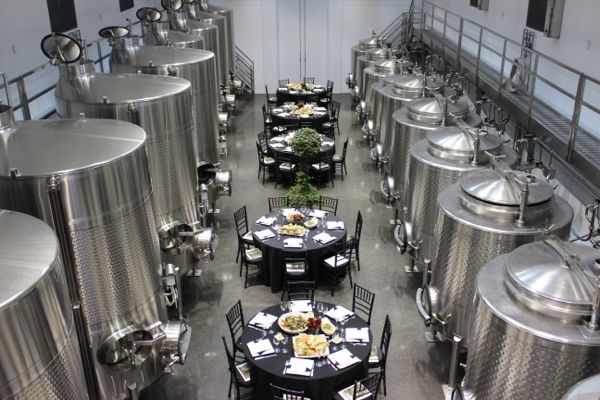
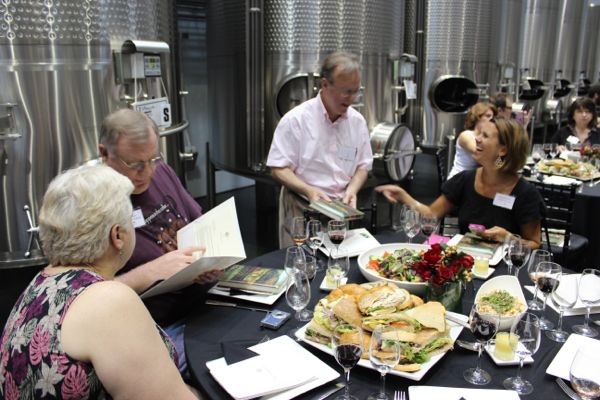
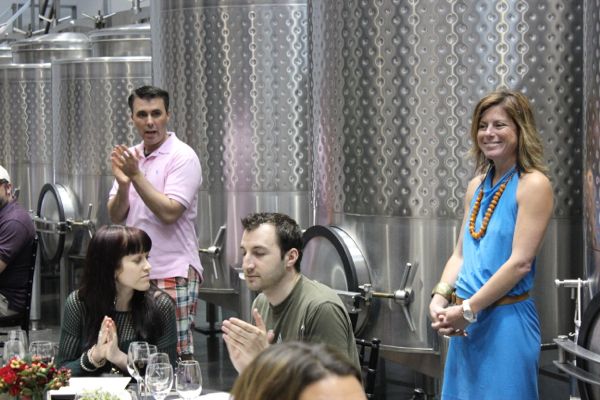
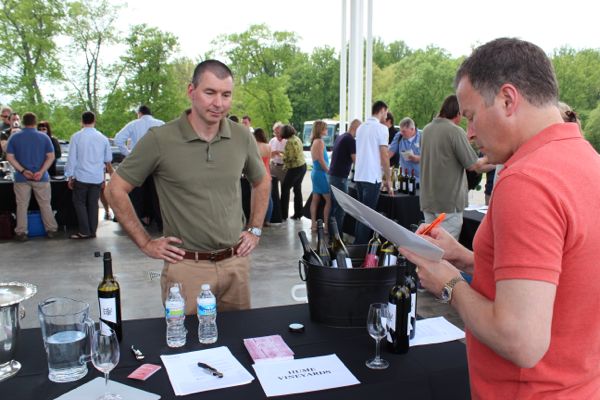
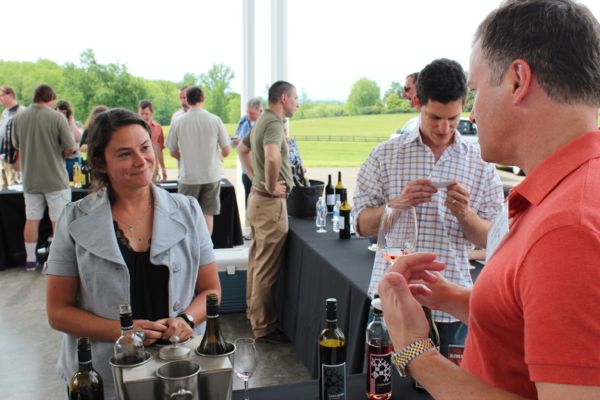
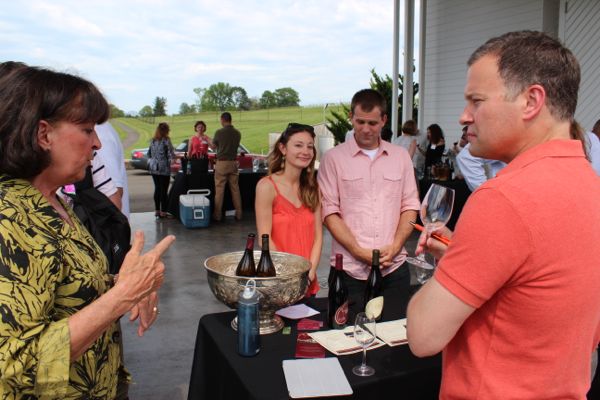
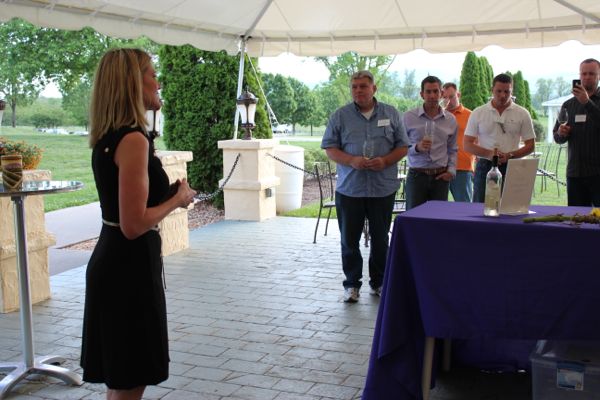
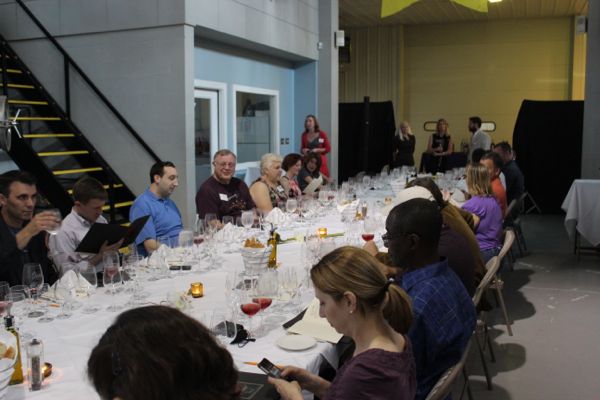
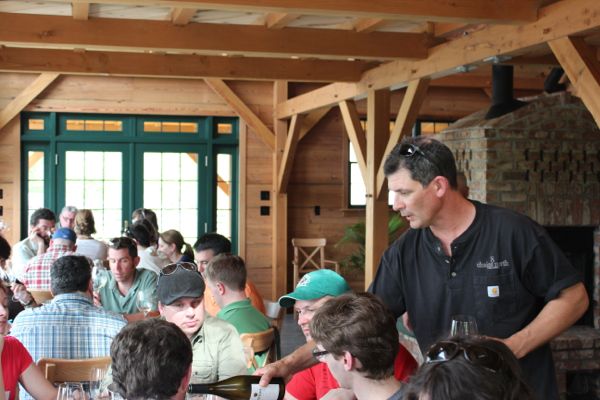
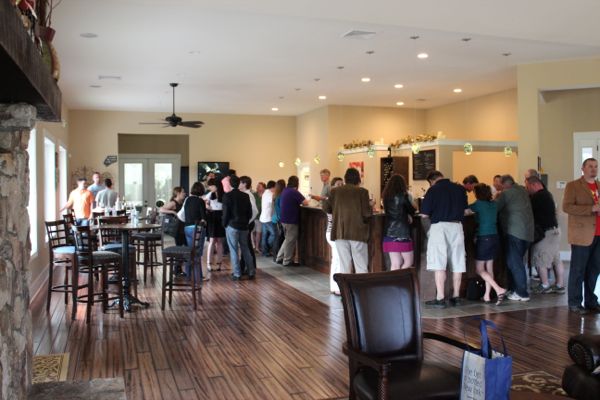
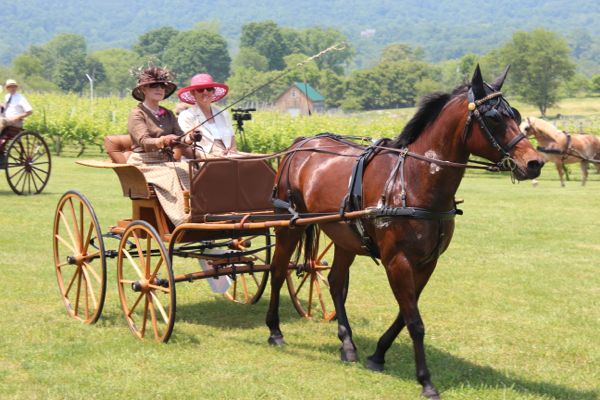
Buy Soma Online Philip Carter Winery celebrated the 250th anniversary of winemaking in Virginia. A black tie event kicked off the celebration on Friday, May 25 and then continued into Saturday with more casual events that included carriage rides, barbeque, fencing, and live music.
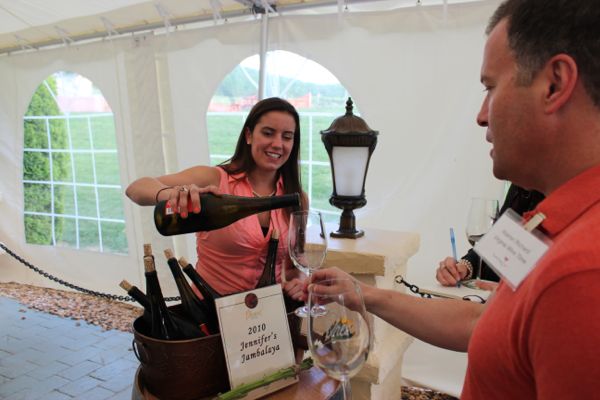
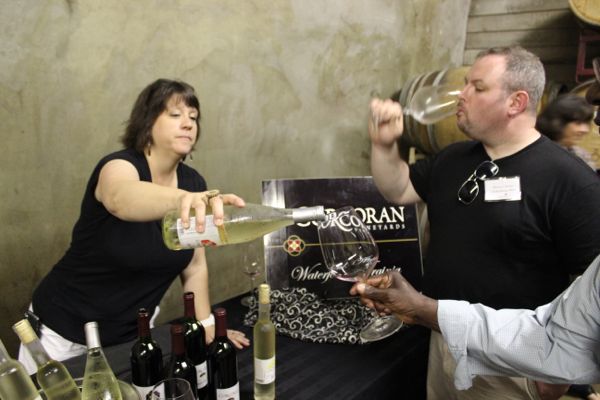
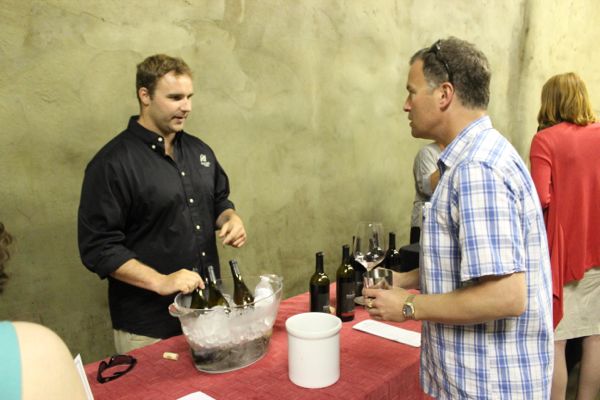
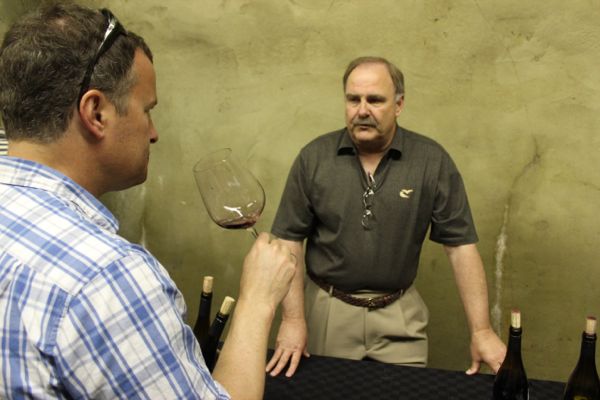
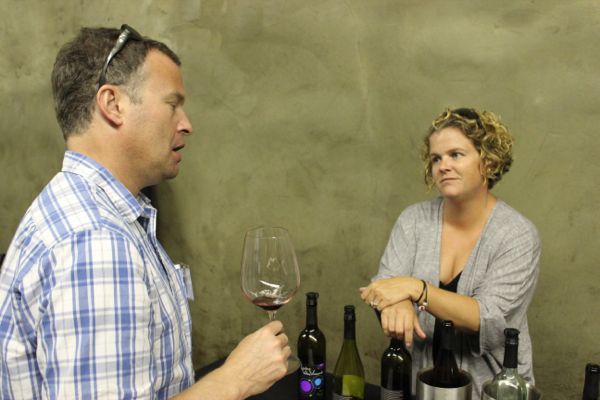
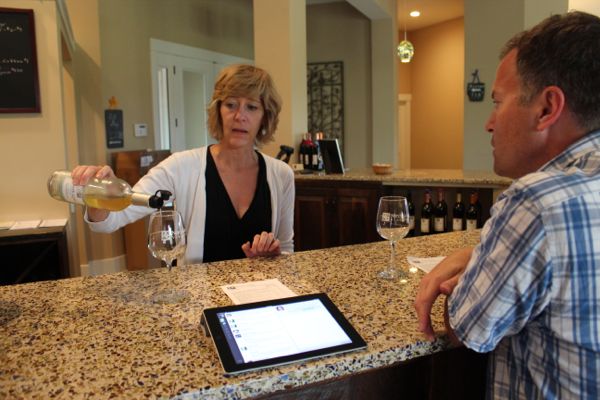
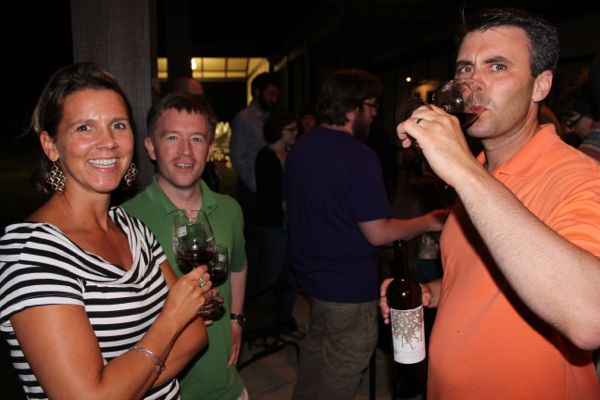
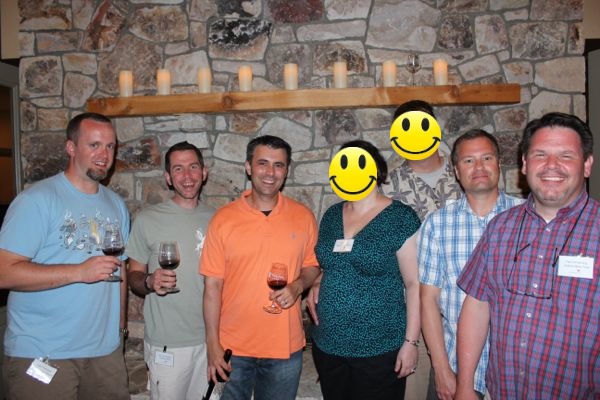
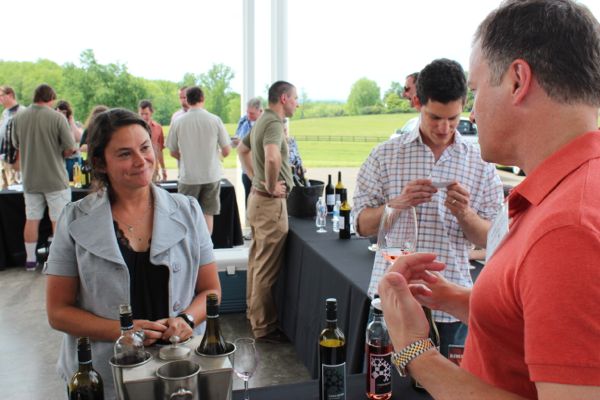
The black tie event featured a “history through tasting” that showcased wines from some of the state’s oldest wineries. These included Barboursville Vineyards, Horton Vineyards, Jefferon Vineyards, Philip Carter Winery, and Williamsburg Winery. However, we attended the Saturday event, and while Paul was anxious to wear his period clothing (powdered wig included), we enjoyed a very warm afternoon in our summer attire. In addition to celebrating an important milestone, we also took advantage of an opportunity to sample the latest releases from Philip Carter Winery.
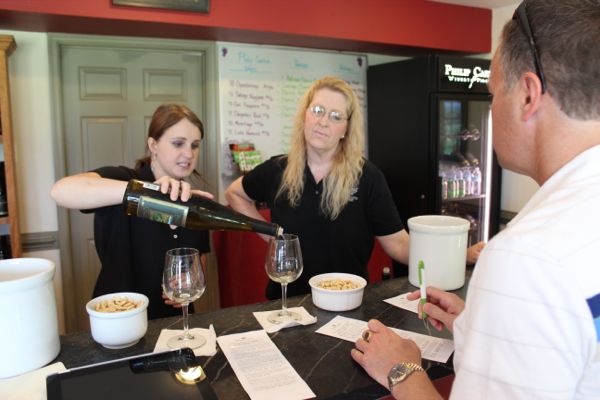
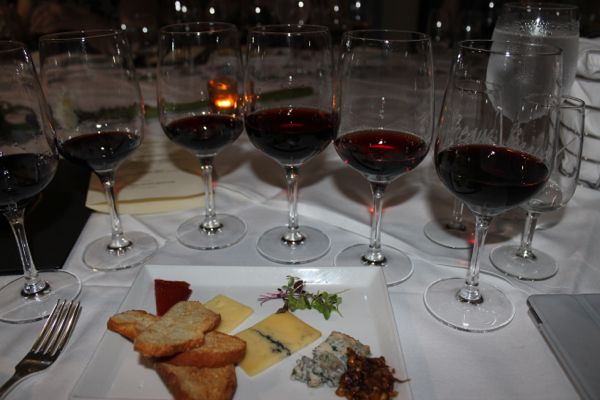
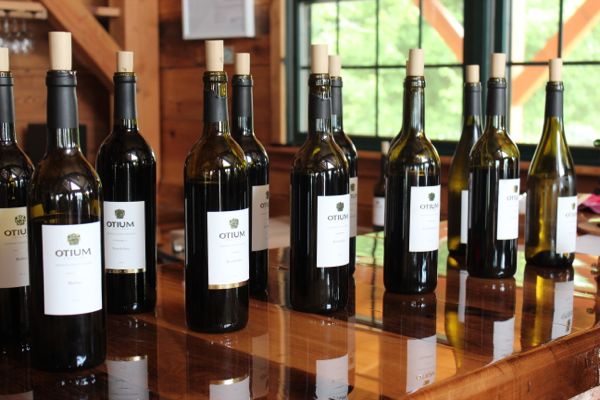
I’ll get into the wines first. I’ve always been a fan of Philip Carter’s Chardonnay, and I really enjoyed the 2011 Chardonnay that was released on the anniversary weekend. Like its 2010 sibling, the 2011 vintage exhibited a creamy texture on the mid-palate due to malo-lactic fermentation; however, a partial blending with Chardonnay from stainless steel tanks also provided a degree of crispness. It presented ripe pear and citrus characteristics with a nice acidity that we increasingly associate with the more positive elements of the 2011 vintage. Just in time for summer, the 2011 Governor Fauquier is a blend of Vidal Blanc and Chardonnay; done in stainless steel, it is full of bright apple flavors.
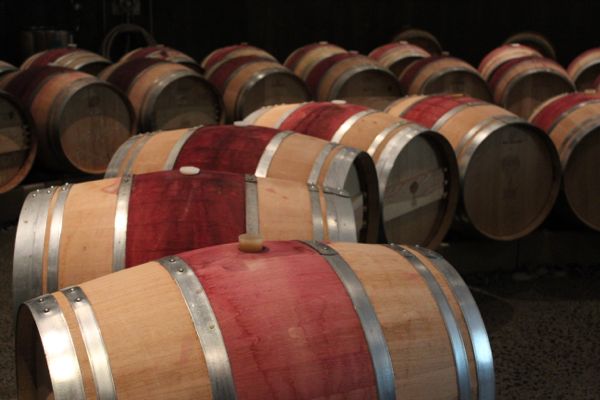
Of the red wines, I enjoyed the 2011 Cabernet Franc. This is the first bottled red wine that I’ve experienced, and it met my expectations for the 2011 reds. Fruity and lighter bodied, this Cabernet Franc is blended with Petit Verdot (10%) and Tannat (9%) and then aged for nine months in both French and American oak barrels. I noted lots of cherry aromas and flavors with a peppery finish. The smoky 2010 Meritage, though, presented a more complex pour. This blend of Cabernet Franc (42%), Petit Verdot (32%), Cabernet Sauvignon (21%) and Merlot (5%) exhibited elements of dark fruit, sweet tobacco, and black pepper with a notable tannic presence to suggest that an age-worthy wine. Serve now but decant; better yet, buy now and wait to enjoy at its peak.
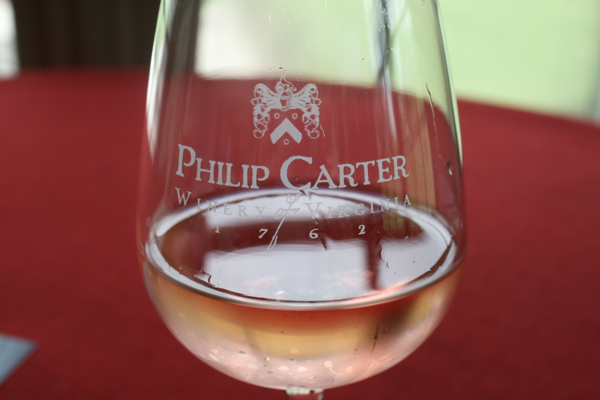
Ambien Without Prescription Other new releases included the full-bodied 2011 Sabine Viognier, a first-ever release of a Viognier from Philip Carter Winery and the fruity 2011 Late Harvest made from Vidal Blanc. The 2011 Rose was also poured, and we’ve written about it in an earlier post; I do think it is a very good Rose and made sure to purchase a bottle for the summer.
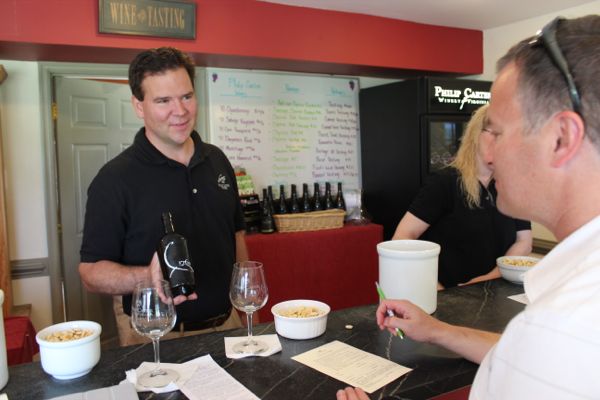
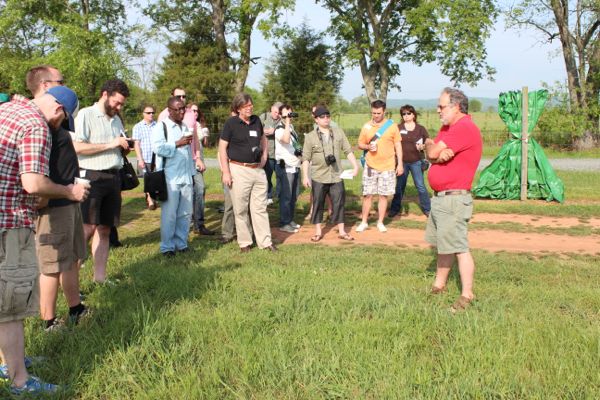
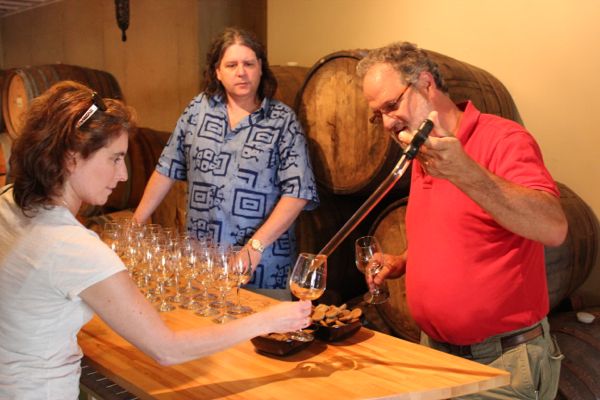
In the midst of our tasting, we met up with Philip Carter Strother, owner of the winery. It was certainly a proud day for Philip Strother, whose ancestor, Philip Carter, acquired the original deed to the property on which the first vineyards in Virginia were planted. In fact, Strother can now exhibit both the originial charter and a recent legislative proclamation that recognizes the Carter wine legacy. Strother also shared with us the bottle for the soon to be released port called 1762. Wine expert Richard Leahy was also on hand to help with the celebration, and Richard was available to chat about Virginia wine and to sign copies of his newly released book, Beyond Jefferson’s Vines.
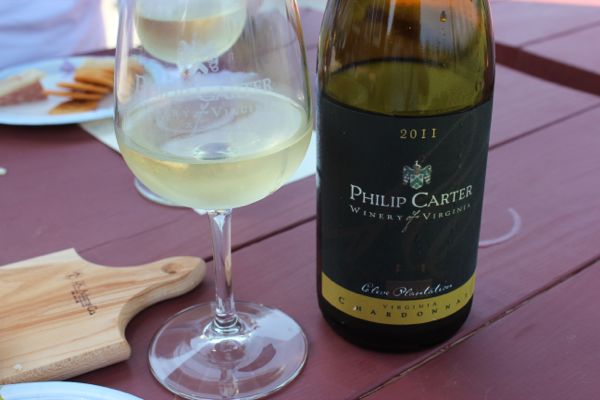
We completed the anniversary celebration with a glass of the 2011 Chardonnay, and an outdoor seat beneath a shady umbrella allowed us to watch antique-style carriages drawn by horses and ponies taxi riders about the vineyards. Fencers in full attire made lunges toward each other, and Paul bemoaned a missed opportunity to wear his velvet knee-britches, buckled shoes, and powdered wig. I assured him that there is always Halloween! We made certain to purchase our favorite Philip Carter wines. Be certain to celebrate the 250th anniversary of wine making in Virginia with a visit to Philip Carter Winery, but be sure to mention that Virginia Wine Time sent you.
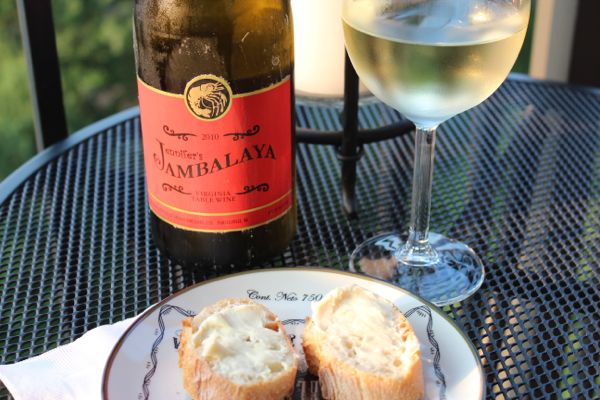
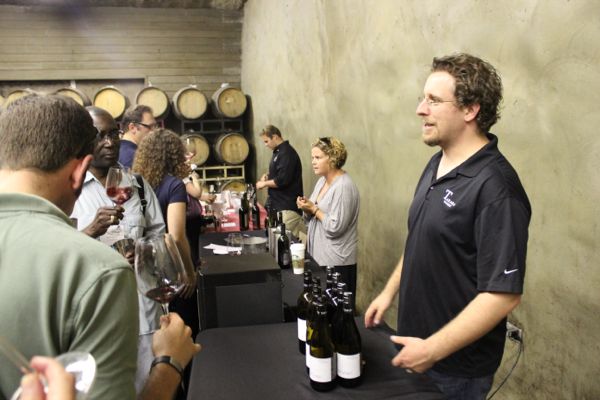
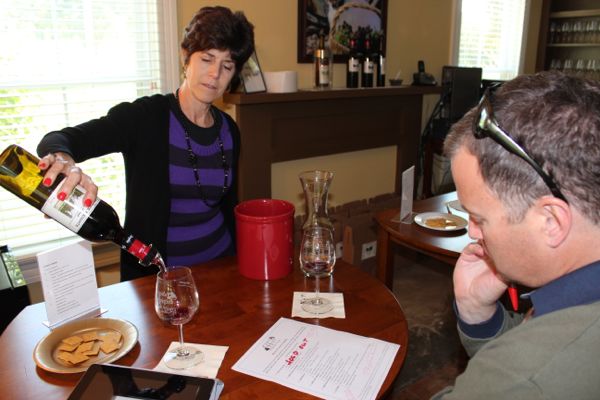 On the day we visited they had five wines for tasting. We enjoyed them all but a few did stand out as our favorites. Warren enjoyed the 2008 Evening Serenade. It’s a blend of 52% Cabernet Franc, 40% Merlot, and 8% Cabernet Sauvignon. Warren noted raspberry, blueberry, and tobacco on the nose. He noted similar flavors in the mouth as well as cedar. While I enjoyed this one as well, I preferred the 2008 Lomax Reserve. It’s a blend of 80% Cabernet Sauvignon, 10% Merlot, and 10% Cabernet Franc. My notes included raspberry, plum, tobacco, some pepper, decent fruit, and caramel/toffee.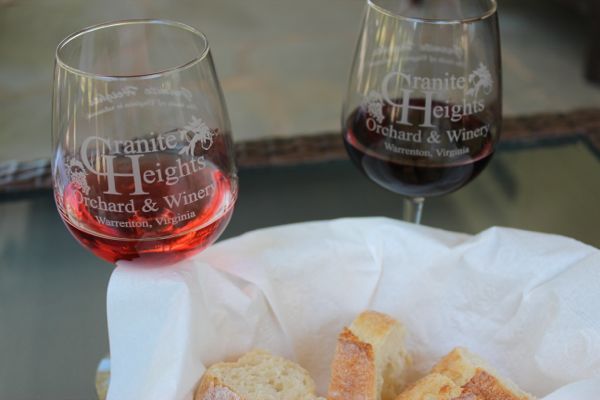
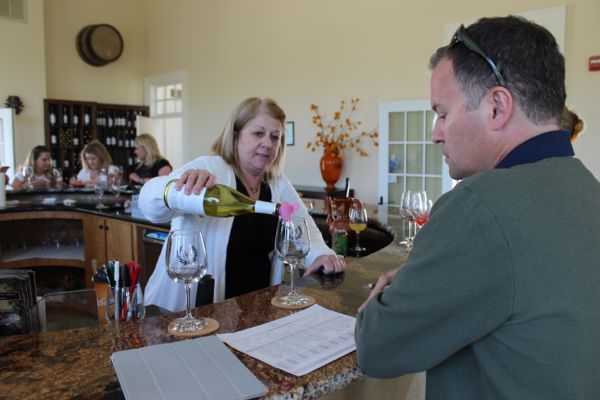
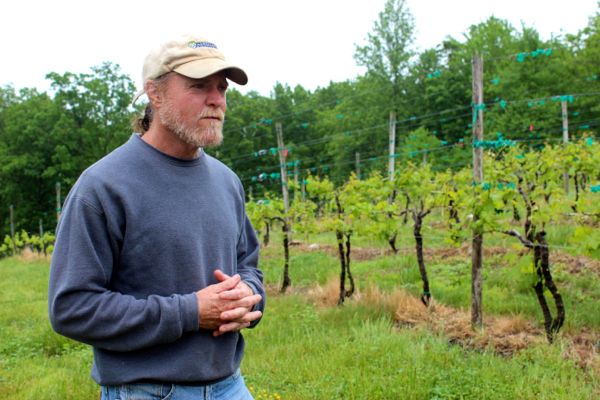 Jim Law of Linden headlined the TasteCamp finale, and he conducted a personal tour of his Hardscrabble site for campers. Jim is something of a god here in Virginia, so this opportunity for campers to meet the man who inspired the sea change in Virginia’s winemaking was truly an incredible experience. Jim’s tour ended with a tasting of his wines, and taste camp ended on the highest note possible.
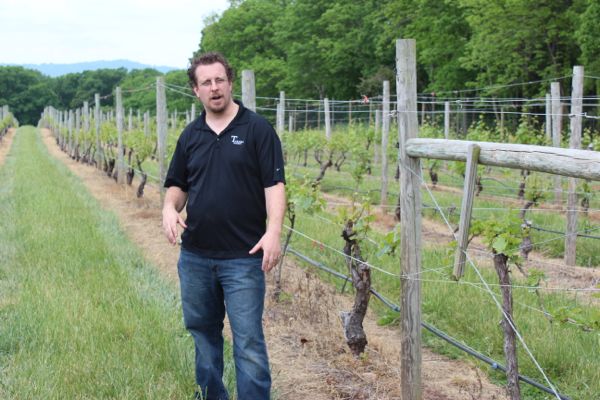
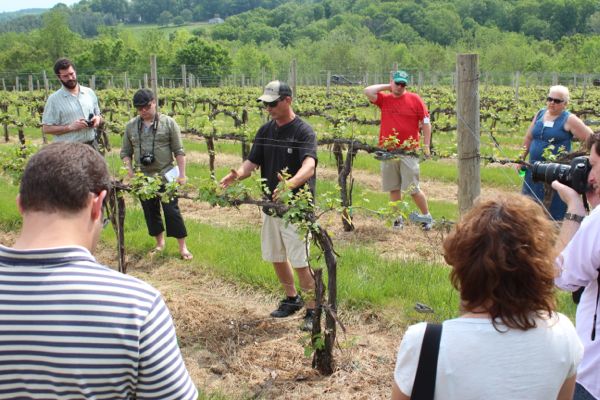
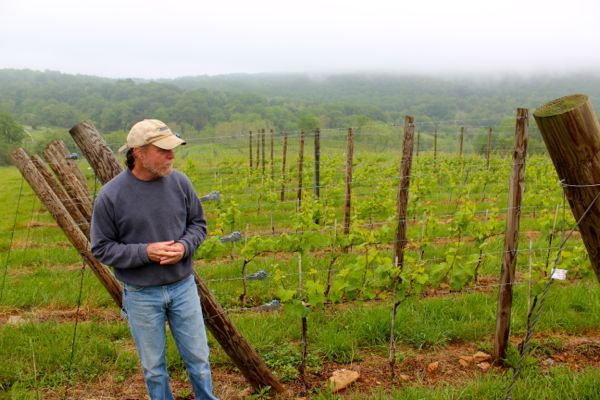 Taste campers met Jim on a very foggy and chilly morning to tour his Hardscrabble site. Jim has been making wine at the Hardscrabble vineyard since at least 1987, and he began the tour at his block of oldest chardonnay vines; however, lest we think that Jim contently sits on his laurels and lets 25 year- old vines do their thing, campers were informed otherwise. Jim is in the process of renovating and replanting his vineyard so that particular varietals are planted in the most appropriate soils and microclimates. Blocks of merlot are being uprooted and then replanted with chardonnay. Carmenere is being grafted onto merlot to produce more merlot. Poorly performing carmenere will be phased out. New vines will be spaced closer together. Canopy management will change too. A recent trip to Bordeaux vineyards revealed to Jim that merlot grapes actually do not like plentiful sunshine, and overly ripened merlot produces jammy, uninteresting wines associated with the mediocre stuff associated with California. Therefore, Jim will make the necessary adjustments with his merlot vines. What does all of this say about Jim Law? I concluded that Jim stays at the top of his game because he always seeks to improve. Jim constantly referenced his desire to “get better” or “make better wine”; although other area winemakers often acknowledge Jim as their teacher, mentor, or hero, it was obvious to me that Jim still considers himself to be a student. Perhaps it is for this reason that his wines consistently set the bar for quality in Virginia.
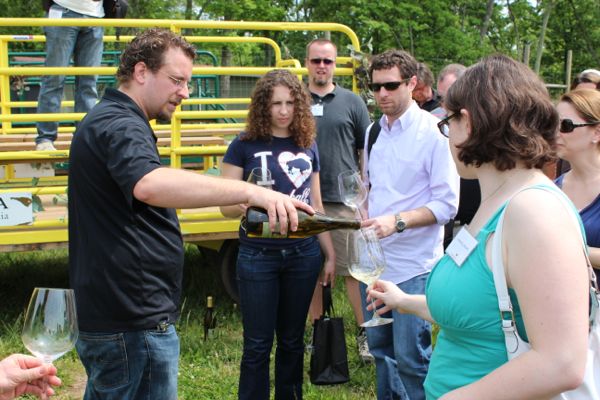
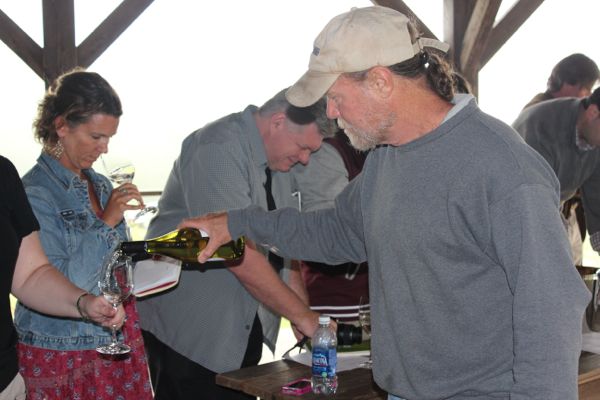 Jim then led us to the crush pad for a tasting of his wines. The fog intensified as barn swallows frantically fluttered around, and a Gothic feel permeated the atmosphere as Jim presented his wines. These included the 2011 Avenius Sauvignon Blanc, 2009 Harscrabble Chardonnay, 2008 Hardscrabble Red, and 2009 Avenius Red. As the fog encircled us, it was hard to miss Jim’s Old World style of winemaking. Elegant and focused, integrated and balanced—these wines were indeed at the top of the class. It was here that I heard the highest praises of the weekend with one New York camper commenting that Jim’s wines were “world class.”
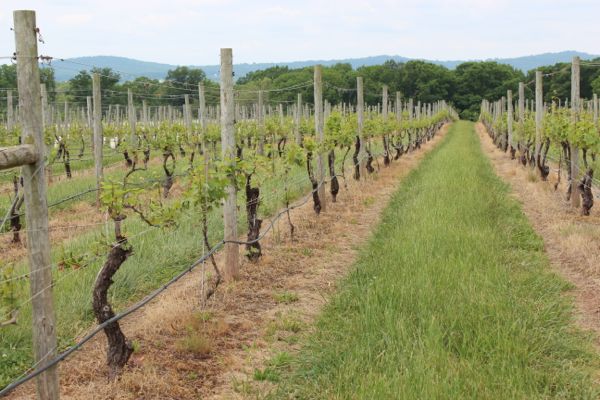
 Reflections: So what did I learn from taste camp? Winemaking is a tough business, and the phrase, “winemaking starts in the vineyard”, may seem cliché, but indeed it is true. The vineyard management alone should frighten off all but the most dedicated and passionate. There are many decisions and tasks involved just with the vineyard management. Which site to select? Which varieties to plant, and then which clones? What about trellising—smart dyson to maximize production? Mow the lawn or let the weeds grow to soak up some unwanted moisture? Pick now or gamble on the weather? Needless to say, there are many more decisions to be made once grapes are harvested and then fermented and aged. Serious winemaking is not for the hobbyist, and even most seasoned veterans must be opened to changes if they wish to constantly raise the quality of their wines.
  Friday, May 4 (Day 1): TasteCamp was officially launched at the