Winemaker Jim Law held a special release tasting of upcoming wines at Linden. We look forward to attending this annual event, and this year was no exception. Gorgeous spring weather, bursting blossoms, and fluttering birds provided an idyllic setting to boot.

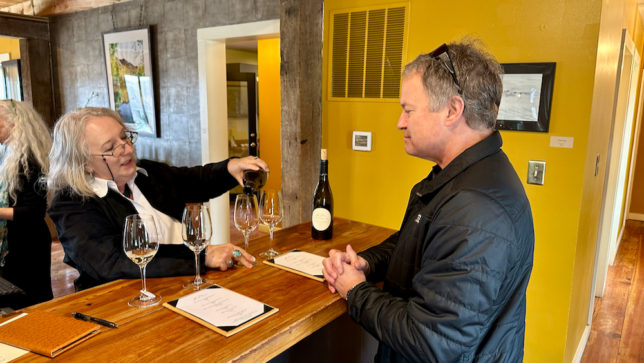
Jim Law explains the chardonnays.
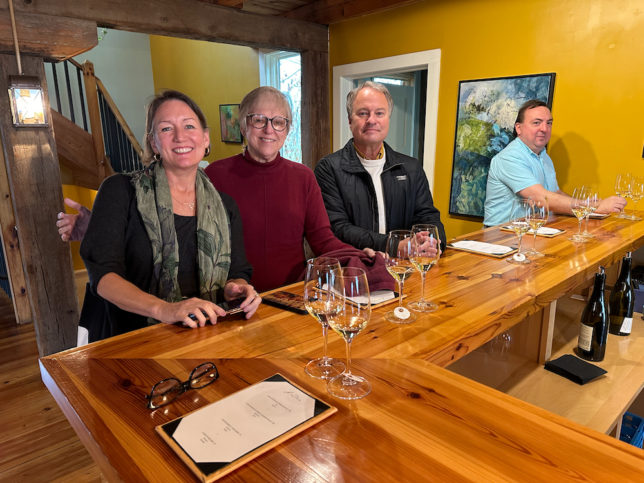
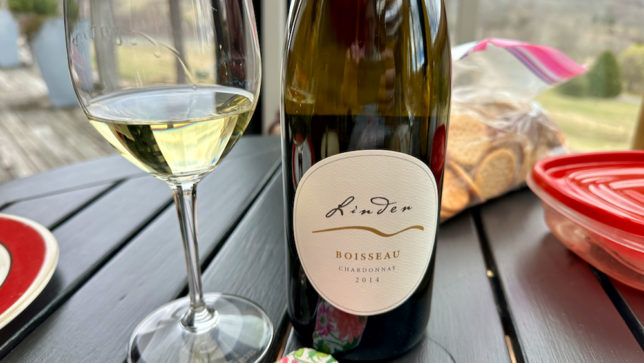
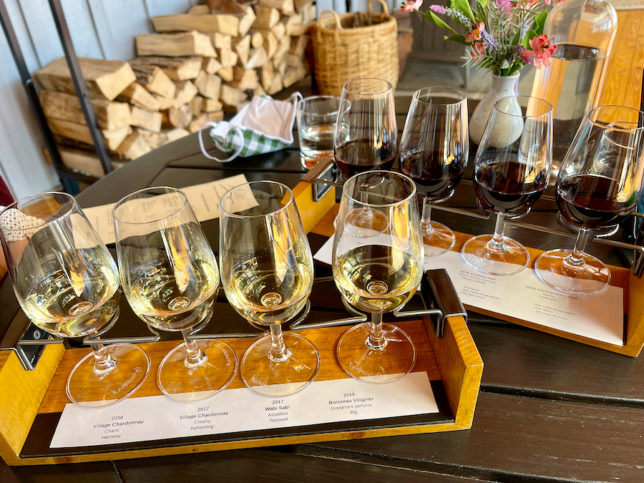
The event featured five tasting stations, and the first station was located on the outdoor crush pad and appropriately named First Sip. Chardonnay was the star attraction here, and there were four of them to sip. These included the 2011 and 2010 Avenius Chardonnay followed by the 2011 and 2010 Hardscrabble Chardonnay. The Avenius site is known for its rocky soils and thus produces leaner wines with mineral characteristics; we both agreed that the 2011 better presented these unique qualities of the Avenius vineyard. Shellfish will be perfect with one! The Hardscrabble site with its clay soils produce fuller-bodied wines; of the two, I preferred the 2010 Hardscrabble Chardonnay with its richer mouth feel.

Shari Avenious pours her chardonnays.
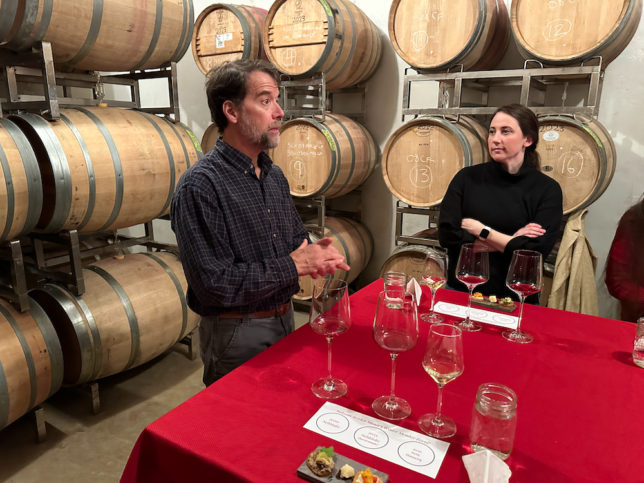
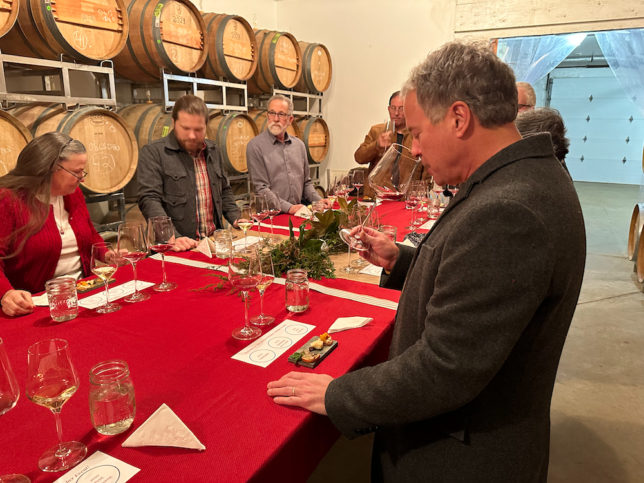
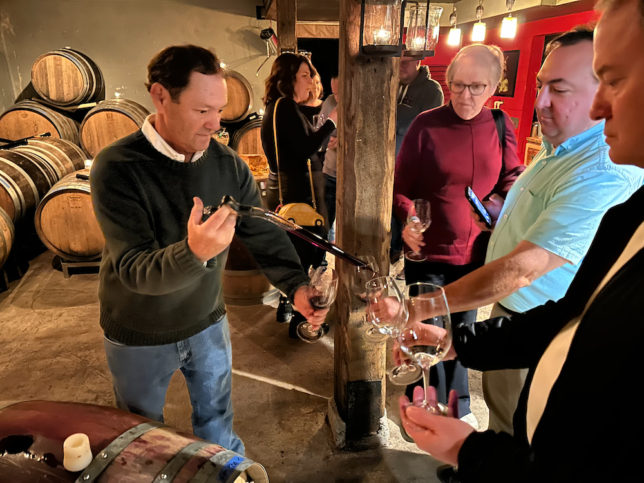
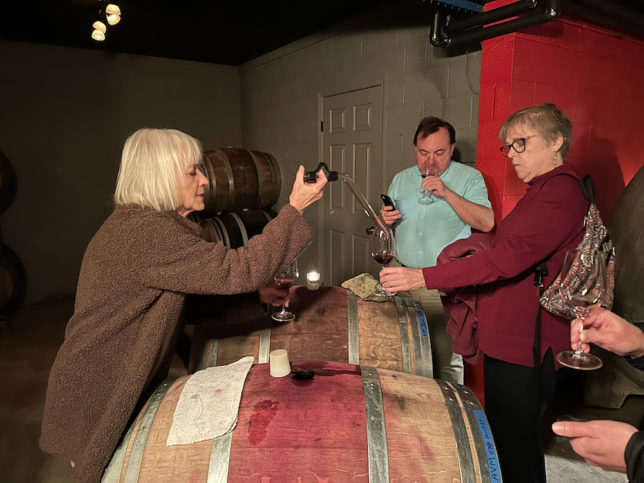
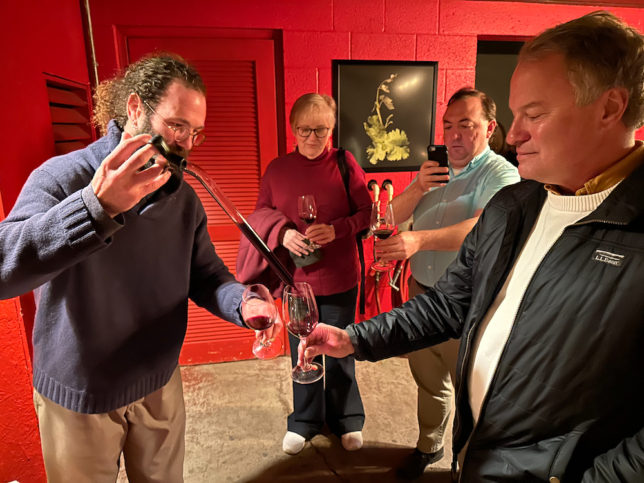
From the white wine station, we moved on to the red wines held in the barrel room. We moved through four tables that presented a total of seven red wines. The first table featured a 2010 Cabernet Franc, and this will be the first time that Law has released a single-varietal bottling of Cabernet Franc in quite some time; however, the 2010 Cabernet Franc proved to be jammier and more muscular than in previous years. Law therefore opted to bottle it on its own. We approved of the decision and enjoyed our sample with a spicy lamb meatball.

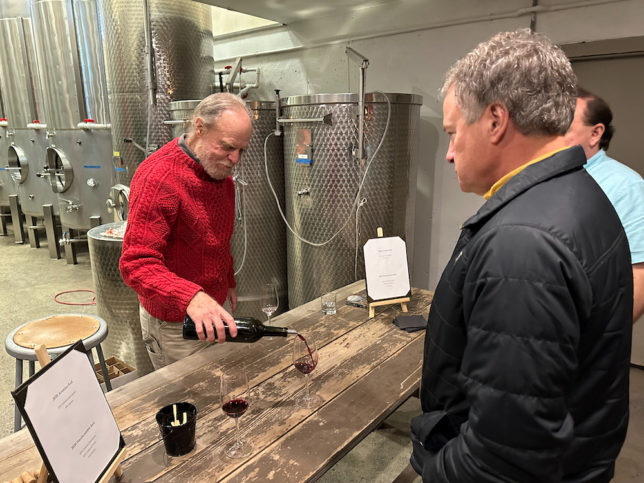
Richard Boisseau discusses the 2009 vintage.
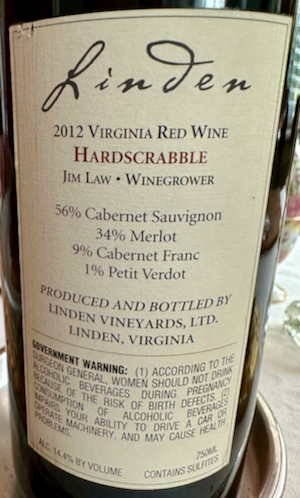
The other tables provided more opportunities to sample wines from the 2009 and the 2010 vintages. In all cases, we tended to prefer the 2009 pours. The most accessible was the 2009 Boisseau Red, a blend of 43% Merlot, 31% Cabernet Franc, and 26% Petit Verdot. The 2009 Hardscrabble Red proved to be the most complex and was dominated by Cabernet Sauvignon (64%) then Merlot (14%) and Petit Verdot (3%). Paul was a big fan of the 2009 Avenius Red with its plum notes and earthy elements.

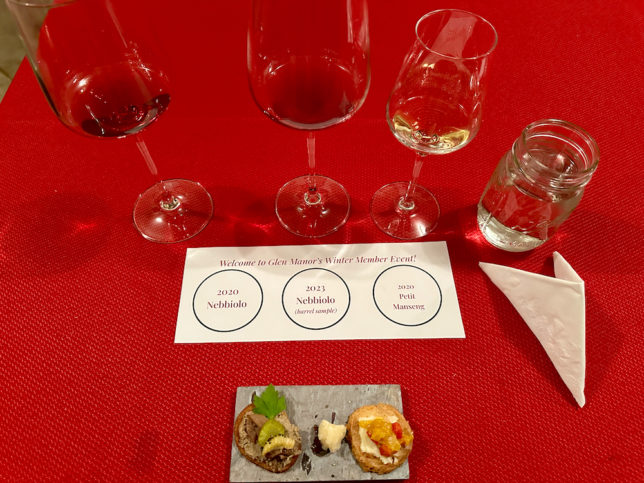
There were plenty of nibbles at the special tasting.
Though we did enjoy the 2009 vintages, it was hard to ignore the potential for the 2010 red wines. The 2010 harvest was best since the heralded 2007 season, and it was telling that Cabernet Sauvignon heavily dominated all of the 2010 blends. I am always a fan of the Hardscrabble reds, and once again the 2010 Hardscrabble Red was my favorite of the still evolving 2010 blends. Remember, though, that the 2009 blend contained 64% Cabernet Sauvignon. The 2010 version? 83% I have no doubt that the 2010 Hardscrabble Red will have great cellaring potential once it is released.
We completed our release tasting and then opted to try the current releases in the tasting room. Here again we were able to taste a contrast of seasons. Law has released a 2011 Red, a bright and light bodied red blend that would be suitable with a pizza, burger, or spicy fare. (I called this one a Beaujolais-style wine due to its soft, fruity nature, but I’m not sure if Jim would consider it a complement.) Anyway, it was the product of a very rainy and difficult year yet it was very quaffable. Be sure to enjoy soon, though. It might be an option for Thanksgiving dinner, too. (Paul ended up buying two bottles!). On the other hand, the 2010 Claret was more complex with smoky notes and ripe dark fruit flavors. Steak on the grill? This would pair nicely. Unlike its younger sibling, this one will be able to hang out on the wine rack for a while.

Barn Swallow
Our tastings were done, and we decided to linger for a while with a glass of our favorites. I savored a glass of the 2009 Hardscrabble Red, and Paul enjoyed a glass of the 2009 Avenius Red. We munched on a smoky gouda cheese, summer sausage, and a baguette, and Paul snapped pictures of barn swallows as they flew back and forth between a dark space beneath the deck and nearby trees.

Chardonnay bud break at Linden.
We enjoyed our special release tasting and made sure to purchase some very special wines. Plan a trip to Linden, and mention that Virginia Wine time sent you.

Jim Law of Linden headlined the TasteCamp finale, and he conducted a personal tour of his Hardscrabble site for campers. Jim is something of a god here in Virginia, so this opportunity for campers to meet the man who inspired the sea change in Virginia’s winemaking was truly an incredible experience. Jim’s tour ended with a tasting of his wines, and taste camp ended on the highest note possible.
Taste campers met Jim on a very foggy and chilly morning to tour his Hardscrabble site. Jim has been making wine at the Hardscrabble vineyard since at least 1987, and he began the tour at his block of oldest chardonnay vines; however, lest we think that Jim contently sits on his laurels and lets 25 year- old vines do their thing, campers were informed otherwise. Jim is in the process of renovating and replanting his vineyard so that particular varietals are planted in the most appropriate soils and microclimates. Blocks of merlot are being uprooted and then replanted with chardonnay. Carmenere is being grafted onto merlot to produce more merlot. Poorly performing carmenere will be phased out. New vines will be spaced closer together. Canopy management will change too. A recent trip to Bordeaux vineyards revealed to Jim that merlot grapes actually do not like plentiful sunshine, and overly ripened merlot produces jammy, uninteresting wines associated with the mediocre stuff associated with California. Therefore, Jim will make the necessary adjustments with his merlot vines. What does all of this say about Jim Law? I concluded that Jim stays at the top of his game because he always seeks to improve. Jim constantly referenced his desire to “get better” or “make better wine”; although other area winemakers often acknowledge Jim as their teacher, mentor, or hero, it was obvious to me that Jim still considers himself to be a student. Perhaps it is for this reason that his wines consistently set the bar for quality in Virginia.
Jim then led us to the crush pad for a tasting of his wines. The fog intensified as barn swallows frantically fluttered around, and a Gothic feel permeated the atmosphere as Jim presented his wines. These included the 2011 Avenius Sauvignon Blanc, 2009 Harscrabble Chardonnay, 2008 Hardscrabble Red, and 2009 Avenius Red. As the fog encircled us, it was hard to miss Jim’s Old World style of winemaking. Elegant and focused, integrated and balanced—these wines were indeed at the top of the class. It was here that I heard the highest praises of the weekend with one New York camper commenting that Jim’s wines were “world class.”
Reflections: So what did I learn from taste camp? Winemaking is a tough business, and the phrase, “winemaking starts in the vineyard”, may seem cliché, but indeed it is true. The vineyard management alone should frighten off all but the most dedicated and passionate. There are many decisions and tasks involved just with the vineyard management. Which site to select? Which varieties to plant, and then which clones? What about trellising—smart dyson to maximize production? Mow the lawn or let the weeds grow to soak up some unwanted moisture? Pick now or gamble on the weather? Needless to say, there are many more decisions to be made once grapes are harvested and then fermented and aged. Serious winemaking is not for the hobbyist, and even most seasoned veterans must be opened to changes if they wish to constantly raise the quality of their wines.